

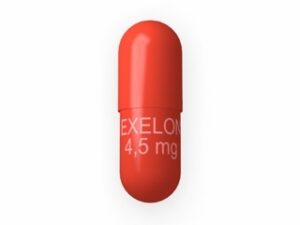
Donepezil (e.g., 5 mg or 10 mg tablets) – Patient Guide (UK)
Donepezil is a medicine used to help manage symptoms of certain types of dementia. It does not cure Alzheimer’s disease or other dementias, but it may improve or stabilise thinking, memory, and daily functioning for some people.
This guide explains how donepezil works, how it is taken, important safety information, and what to expect in everyday life. It is written for people in the United Kingdom, including general information about availability and regulation.
Quick Overview
| Category | Details |
|---|---|
| Active ingredient | Donepezil hydrochloride |
| Common forms | Tablets (strengths vary by product; commonly 5 mg and 10 mg) |
| Uses | Symptomatic treatment of Alzheimer’s disease (mild to moderate, and sometimes moderate to severe depending on product guidance) |
| How it works | Increases brain levels of acetylcholine by inhibiting acetylcholinesterase |
| Typical dosing pattern | Usually taken once daily, often in the evening (but follow your specific instructions) |
| Key safety points | Possible effects include nausea, diarrhoea, muscle cramps, sleep disturbance, and slow heart rate (bradycardia) |
What is Donepezil?
Donepezil is a medicines for Alzheimer’s disease. It belongs to a group called cholinesterase inhibitors. These medicines work by supporting the acetylcholine system in the brain, which is involved in memory and learning.
In daily practice, donepezil is used to treat symptoms related to Alzheimer’s disease, such as memory difficulties and thinking problems. The degree of benefit varies from person to person.
Indications (What it is used for)
In the UK, donepezil is indicated for the symptomatic treatment of:
- Mild to moderate Alzheimer’s disease
- Moderate to severe Alzheimer’s disease (depending on local product licensing/criteria and clinician assessment)
Your healthcare professional will confirm whether donepezil is appropriate for you based on diagnosis, severity, other conditions, and medicines you may already be taking.
How Donepezil Works (Mechanism of Action)
Donepezil works by reversibly inhibiting acetylcholinesterase, an enzyme that breaks down acetylcholine.
- More acetylcholine remains available between nerve cells.
- This can improve communication in brain pathways that rely on acetylcholine.
- As a result, symptoms may be improved or stabilised for some people.
Important: Donepezil does not remove or reverse the underlying disease process. Its role is symptom management.
Pharmacokinetics (Absorption, Distribution, Metabolism, Elimination)
Understanding how the body handles donepezil can help you anticipate how long it takes to start working and why certain interactions may occur.
Absorption
Donepezil is well absorbed after oral dosing. Peak levels in the bloodstream typically occur after about 3–4 hours (approximately; individual variation is possible).
Distribution
Donepezil is widely distributed throughout the body and enters the brain. It has a high affinity for tissues and a relatively long duration of action.
Metabolism
Donepezil is primarily metabolised in the liver (especially through CYP450 enzymes, including CYP3A4 and CYP2D6). This is why drug–drug interactions can matter.
Elimination
Donepezil has a long elimination half-life (commonly around 70 hours in adults). Because of this, it builds up gradually and once-daily dosing can maintain steady effects.
Practical implication: If you miss a dose, effects may still persist due to the long half-life, but you should follow the advice for missed doses provided with your medicine and by your healthcare professional.
Typical Use and When It Starts to Help
Donepezil is used to manage dementia symptoms related to Alzheimer’s disease. Many people and families notice changes in day-to-day function over time, rather than immediately.
- Early phase: Some side effects may appear in the first days to weeks, especially as the body adjusts.
- Ongoing assessment: Clinicians typically review benefit after an initial period and then periodically.
- Variation is normal: Not everyone experiences the same level of improvement.
Remember: If symptoms appear to worsen quickly, new concerns arise, or there are significant side effects, seek medical advice promptly.
How to Take Donepezil (Timing and Administration)
Many donepezil products are taken . The exact timing may depend on how you tolerate it.
Common timing
- Often taken in the evening (for example, with or after dinner).
- This timing can help if the medicine causes vivid dreams, sleep changes, or gastrointestinal upset in some people.
How to take
- Take at the same time each day if possible.
- Swallow tablets whole with water (unless your specific product instructions allow otherwise).
- If you experience stomach upset, taking with food may help (see food section below).
Dose changes: Many people start at a lower dose to reduce side effects, then the dose may be increased after a period if tolerated.
Food Interactions
Food interactions are generally limited. Donepezil can usually be taken with or without food.
However, some people find that taking it with a light meal reduces nausea or stomach discomfort. If you have been advised to take it at a specific time, follow those instructions.
Alcohol and Medicine Interactions
Alcohol
It’s usually best to avoid or limit alcohol while taking donepezil, especially if you or the person taking it also takes medicines that can cause drowsiness or sedation.
- Alcohol can worsen dizziness, confusion, and falls risk—issues that can be important in dementia care.
- Alcohol may also make side effects such as nausea or sleep disturbance harder to manage.
Medicine interactions (key points)
Donepezil can interact with other medicines. Some interactions affect heart rate, sedation, or metabolism by liver enzymes.
Tell a healthcare professional about all medicines you use, including over-the-counter medicines and herbal products.
- Medicines that slow the heart: Caution is needed with drugs that may cause bradycardia (slow heart rate). Examples include some beta-blockers and certain heart rhythm medicines.
- Other cholinesterase inhibitors: Usually avoid using two similar medicines together.
- Anticholinergic medicines: These may counteract effects related to acetylcholine. Examples include some treatments for bladder overactivity or certain allergies/movements disorders.
- Enzyme-inducing drugs: Some medicines can reduce donepezil levels by affecting metabolism.
- Strong enzyme inhibitors: Some medicines can increase donepezil levels and side-effect risk.
- Non-steroidal anti-inflammatory drugs (NSAIDs), antidiabetics, anticoagulants: Generally no single universal interaction, but individual medication reviews are important—especially in older adults.
Common practical advice: If starting or stopping any medicine (including antibiotics or antifungals), check for interactions or seek guidance.
Dosing (How Much to Take)
Dosing can vary by individual circumstances, tolerability, and the severity of dementia. Always follow the dosing instructions provided with your specific product and clinician guidance.
Typical adult dosing pattern (general information)
- Starting dose: Often 5 mg once daily.
- Dose increase: Frequently increased to 10 mg once daily after a period of assessment (commonly around 4–6 weeks), if tolerated.
Missed doses: If you miss a dose, do not double up. Follow product guidance or ask a healthcare professional for advice based on how many doses have been missed and how long you have been taking donepezil.
Safety Profile (Side Effects and When to Seek Help)
Like all medicines, donepezil can cause side effects. Many are mild and improve as your body adjusts, but some require medical attention.
Common side effects
- Nausea
- Diarrhoea
- Loss of appetite
- Sleep disturbance (including vivid dreams)
- Muscle cramps
- Fatigue
- Dizziness
Less common but important risks
- Slow heart rate (bradycardia), fainting or light-headedness
- Falls (often related to dizziness)
- Heart rhythm problems in people with predisposition or interacting medicines
- Fainting or near-fainting
- Severe gastrointestinal upset (persistent vomiting/diarrhoea leading to dehydration)
Seek urgent medical advice if
- You faint or experience sudden severe dizziness
- You develop severe vomiting/diarrhoea, signs of dehydration, or cannot keep fluids down
- You notice symptoms of allergic reaction (swelling of face/lips, difficulty breathing, widespread rash)
- You experience chest pain, severe shortness of breath, or a marked change in heart rate
Who should take extra care?
- People with known heart conduction problems
- Those with history of fainting or frequent dizziness/falls
- People with a higher risk of stomach ulcers or significant gastrointestinal symptoms
- People taking medicines that interact with heart rate or cholinergic balance
Practical Use Tips (Making Treatment Easier)
Donepezil is usually straightforward to take, but day-to-day adjustments can improve comfort and adherence.
1) Manage nausea or stomach upset
- Try taking it with a small meal.
- Stay hydrated—especially if diarrhoea occurs.
- If side effects are troublesome, contact a healthcare professional—dose adjustments may be possible.
2) Sleep and vivid dreams
- Taking it in the evening may help some people.
- If dreams/sleep disturbance are severe, discuss options with a clinician.
3) Reduce fall risk
- Move slowly when standing.
- Keep pathways clear and consider good lighting at night.
- If dizziness occurs, report it—especially soon after starting or increasing the dose.
4) Use a pill organiser and routine
- A daily reminder and consistent timing can reduce missed doses.
- For people with memory problems, family members/caregivers may find a weekly organiser helpful.
Alternative Options
If donepezil is not suitable or side effects are problematic, other options may be considered. Choice depends on the individual, severity, co-existing conditions, and local guidance.
Other cholinesterase inhibitors
- Rivastigmine
- Galantamine
Other dementia-related medicines
- Memantine (commonly used for moderate to severe Alzheimer’s disease and may be combined in some circumstances—clinician decision required)
Note: Switching between medicines or combining therapies should be done with healthcare supervision to minimise side effects and manage interactions.
UK Market & Legal Context (At a Glance)
In the UK, medicines are regulated to ensure quality, safety, and effectiveness. Donepezil products are commonly available through pharmacies and approved supply routes. Medicines can be subject to pharmacy dispensing rules and medication review practices.
Medicines governance typically includes:
- Compliance with UK medicines regulation and licensing requirements
- Pharmacy oversight when supplying medicines
- Safety checks around interactions, suitability, and ongoing use
What this means for you: Online pharmacy supply may require identity and medication suitability checks, and the pharmacy may provide advice on safe use, side effects, and monitoring.
Recent Guidance and Ongoing Monitoring (What to Expect)
Dementia care in the UK places emphasis on:
- Regular review of benefits and side effects
- Non-pharmacological support (such as cognitive stimulation, routine, sleep care, and carer support)
- Medication optimisation to reduce unnecessary drugs and interactions
Clinical recommendations and monitoring practices evolve over time. If you are starting or changing donepezil therapy, expect follow-up checks for tolerability and effectiveness.
Delivery and Availability in the UK
Donepezil may be available in the UK through different pharmacy channels depending on stock and the specific brand or generic product. Online pharmacies typically provide:
- Clear product information (strength, formulation, and quantity)
- Estimated delivery times during checkout
- Secure packaging to protect tablets during transit
- Tracking options where offered
Availability can vary by strength and manufacturer. If your preferred strength is temporarily out of stock, the pharmacy may offer a closely related alternative where appropriate.
Storage: Store tablets in their original packaging, away from moisture and excessive heat. Keep out of the sight and reach of children.
FAQ (Frequently Asked Questions)
1) How long does it take to work?
Some people may notice changes after a few weeks, but benefit is often assessed over a longer period. Because side effects can occur early, it’s common to start at a lower dose and review progress after several weeks.
2) Should I take donepezil in the morning or evening?
Many people take it in the evening, but it may be adjusted based on side effects (such as nausea or sleep disturbance). Follow the specific instructions provided with your product and care plan.
3) Can I take donepezil with food?
Yes. Donepezil can generally be taken with or without food. Taking it with a light meal may reduce nausea for some people.
4) What happens if I miss a dose?
If you miss a dose, do not double up. Check the advice supplied with your medicine or ask a healthcare professional for guidance, particularly if several doses have been missed.
5) Will donepezil cure dementia?
No. Donepezil helps manage symptoms of Alzheimer’s disease. It may improve or stabilise symptoms for some people, but it does not cure the condition.
6) Are side effects normal?
Some side effects are relatively common, especially when starting or increasing the dose. Many improve with time. However, if side effects are severe or you experience fainting, significant dizziness, or persistent vomiting/diarrhoea, seek medical advice.
7) Can donepezil be taken with other medicines?
It may interact with other medicines, especially those affecting heart rate, sleepiness, stomach acid/ulcer risk, or liver metabolism. Always inform your pharmacist or healthcare professional about all medicines and supplements you use.
8) Can I drink alcohol while taking donepezil?
It’s generally recommended to limit alcohol. Alcohol can worsen dizziness, confusion, and falls risk and may make side effects harder to manage.
9) Is donepezil suitable for everyone with dementia?
Donepezil is used for Alzheimer’s disease symptoms. Dementia has multiple causes, so suitability depends on diagnosis and individual health factors.
10) How should I store donepezil?
Keep tablets in their original packaging, stored in a dry place away from heat. Keep them out of the reach and sight of children.
When to Get Personal Advice
If you are unsure about whether donepezil is suitable, how to take it, or how to manage side effects, speak with a healthcare professional. You can also ask your pharmacist for help with drug interaction questions and practical dosing tips.
This information is intended for patient education and does not replace professional medical advice.