
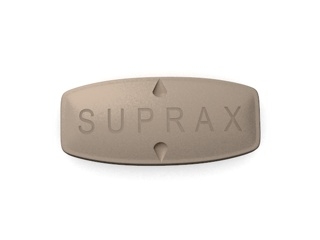

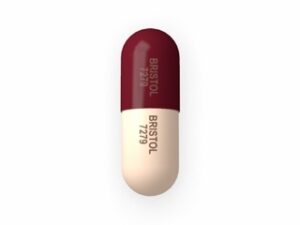
Suprax (Cefixime) – Patient-Friendly Guide
Suprax contains the antibiotic cefixime. It is used to treat certain bacterial infections. This guide explains what Suprax is, how it works, how it is taken, and key safety information to help you use it confidently. Always follow the advice provided with your medicine and read the information leaflet included in the pack.
1) Basic product information
| Product | Details |
|---|---|
| Name | Suprax |
| Active ingredient | Cefixime |
| Medicinal group | Cephalosporin antibiotic (third-generation) |
| Common forms | Tablets and/or oral formulations depending on brand/strength available in the UK |
| What it treats | Bacterial infections where cefixime is appropriate |
Important: Antibiotics like cefixime treat infections caused by bacteria but do not work for viral illnesses such as colds and flu.
2) How Suprax works (mechanism of action)
Cefixime belongs to the cephalosporin family of antibiotics. It works by interfering with the way bacteria build and repair their cell walls.
- Cefixime binds to penicillin-binding proteins (PBPs).
- This blocks an essential step in bacterial cell wall synthesis.
- As a result, the bacteria become unable to maintain their cell structure and are eliminated by the body’s natural defences.
Key point: Cefixime is designed to target susceptible bacteria. The specific bacteria causing your infection and their antibiotic sensitivity matter for successful treatment.
3) Pharmacokinetics (how your body handles it)
Pharmacokinetics describes how cefixime is absorbed, distributed, metabolised, and eliminated.
- Absorption: Cefixime is absorbed from the gut after oral dosing. Food can affect absorption slightly (see “Food interactions” below).
- Distribution: It distributes into body fluids and may reach sites of infection depending on tissue penetration.
- Metabolism: Cefixime is not extensively broken down by the liver.
- Elimination: Cefixime is mainly eliminated via the kidneys (urine). Reduced kidney function may require dose adjustments.
Because cefixime is primarily cleared by the kidneys, your clinician may be more cautious if you have kidney disease.
4) What Suprax is typically used for
Suprax (cefixime) may be used for infections where it is considered appropriate. Common examples include:
- Ear, nose and throat infections (e.g., some cases of middle ear infection, sinus infections, or tonsillitis where bacterial infection is suspected)
- Respiratory tract infections (e.g., certain bacterial bronchitis or community-acquired respiratory infections)
- Urinary tract infections (UTIs) caused by susceptible organisms
- Other bacterial infections where cefixime is recommended by clinical guidance or susceptibility results
Note for patients: The exact indication depends on the infection type, local resistance patterns, and whether the bacteria are susceptible to cefixime.
5) Timing and how to take Suprax
Your dosing schedule may vary depending on the formulation and the condition being treated. A clinician’s instructions on the pack label and patient information leaflet should always be followed.
General timing tips
- Try to take your dose at the same times each day to maintain steady antibiotic levels.
- If you take it twice daily, aim for roughly 12 hours apart.
- If you take it once daily (where applicable), take it at a consistent time each day.
If you miss a dose
- Take it as soon as you remember unless it is close to your next dose.
- If it is near the next dose, skip the missed dose and continue as normal.
- Do not take a double dose to make up for the missed one.
If you are unsure, check the patient leaflet or contact a pharmacist for advice.
6) Food interactions (what to eat/drink with Suprax)
Cefixime can usually be taken with or without food. However, food may influence how quickly it is absorbed.
- With meals: Taking Suprax with food may reduce stomach upset for some people.
- Absorption: For many patients, the overall amount absorbed is not dramatically affected, but the timing of peak absorption can vary.
Practical approach: If Suprax upsets your stomach, consider taking it with food. If you already take it successfully one way, keep the routine consistent.
7) Alcohol interactions
In general, there is no specific direct interaction that makes alcohol unsafe with cefixime for most patients. However, antibiotics can cause side effects such as nausea, dizziness, or stomach upset, and alcohol may worsen these effects.
- If you choose to drink alcohol, do so in moderation.
- Avoid alcohol if it makes symptoms worse (e.g., nausea, diarrhoea, dehydration).
- If you feel unwell while taking Suprax, prioritise hydration and rest.
Seek urgent advice if you experience severe reactions such as persistent vomiting, severe rash, or signs of allergic reaction.
8) Medicine interactions (important drug–drug considerations)
Some medicines can affect how cefixime works or how your body processes it. Always share your current medicines with a healthcare professional, including over-the-counter products and herbal remedies.
Medicines that may be relevant
- Probenecid (used for gout): may affect kidney elimination and increase antibiotic levels.
- Other antibiotics: combining without guidance may increase side effects or change effectiveness.
- Warfarin and other anticoagulants: antibiotics can sometimes alter blood clotting control. Monitoring may be needed if you are on anticoagulation therapy.
- Live bacterial vaccines: while antibiotics are not usually a long-term concern, your clinician may advise timing depending on your situation.
- Antacids or medicines containing magnesium/aluminium: may affect absorption when taken together. Spacing doses may help.
How to reduce risk
- Keep a list of your medicines and bring it to appointments.
- If you start or stop another medicine while on Suprax, ask a pharmacist whether spacing is required.
- Be alert for new side effects such as unusual bleeding, severe diarrhoea, or rash.
9) Indications (when Suprax may be appropriate)
In UK practice, antibiotics are used responsibly to reduce resistance. Cefixime is considered for specific bacterial infections where it is appropriate based on clinical evaluation and, where available, local guidance or culture/sensitivity testing.
Typical “indications” include infections involving:
- Upper respiratory tract (e.g., certain ear and sinus infections)
- Lower respiratory tract (e.g., certain types of bronchitis or pneumonia where bacterial causes are likely and cefixime is suitable)
- Urinary tract infections
- Other susceptible bacterial infections as determined by healthcare professionals
Not suitable for: Viral infections (common cold, flu), and some bacterial infections that are resistant to cefixime.
10) Dosing guidance (adult and child dosing)
Dosing of cefixime depends on the infection, age, kidney function, and the specific product strength/formulation.
Always follow the dosing instructions provided with your Suprax pack. The following is general information and may not match your exact prescription/label directions.
Typical principles
- Adults: dosing schedules vary; common regimens may be once or twice daily depending on the indication and local guidance.
- Children: dosing is often based on body weight and may be given once or twice daily depending on age and formulation.
- Kidney impairment: dose adjustments may be required if kidney function is reduced.
- Duration: course length depends on the infection type and clinical response.
Practical dosing tips
- If using an oral suspension (liquid), shake or prepare it exactly as directed in the leaflet.
- Use a measuring device (e.g., oral syringe) if provided—avoid kitchen teaspoons.
- Finish the course unless a clinician advises stopping early.
If you are unsure about how to measure liquid doses, ask a pharmacist for guidance.
11) Safety profile and possible side effects
Like all medicines, Suprax may cause side effects. Many are mild and temporary. Some effects require urgent medical attention.
Common side effects
- Diarrhoea
- Nausea or stomach discomfort
- Headache
- Skin rash (mild in some cases)
Less common but more serious reactions
Seek urgent medical advice if you have signs of a serious allergy or severe reaction, including:
- Swelling of the face, lips, tongue, or throat
- Breathing difficulties or wheezing
- Widespread blistering or peeling rash
- Severe or persistent diarrhoea (especially with blood, fever, or severe abdominal pain)
Antibiotic-associated diarrhoea
Antibiotics can sometimes disturb gut bacteria and, rarely, lead to inflammatory bowel conditions. If you develop:
- watery diarrhoea that is severe or ongoing
- blood/mucus in stools
- fever or significant abdominal cramping
contact a healthcare professional promptly.
Who should be extra cautious?
- People with a history of allergy to cephalosporins or serious penicillin allergy
- People with kidney problems
- People taking medicines that affect clotting (e.g., warfarin)
- People with a history of gastrointestinal disease or previous antibiotic-associated diarrhoea
12) Practical use tips (getting the best results)
- Take consistently: maintain the schedule so antibiotic levels stay effective.
- Hydrate: drink water regularly, especially if you get diarrhoea or feel unwell.
- Manage stomach upset: taking with food may help. Avoid heavy or spicy meals if they worsen symptoms.
- Don’t stop early: unless advised, completing the course reduces the risk of treatment failure.
- Monitor improvement: many bacterial infections begin to improve within a couple of days, but this varies by condition.
- Know when to seek help: if symptoms worsen, do not improve, or you have severe side effects.
- Consider infection control: good hygiene helps reduce spread to others.
13) Alternative options for bacterial infections
There are many antibiotics available in the UK. The “best alternative” depends on the infection type, severity, local resistance, age, and allergy history.
Possible alternative antibiotic classes (examples)
- Penicillins (e.g., amoxicillin—depending on suitability and allergy status)
- Macrolides (e.g., clarithromycin or azithromycin in selected conditions)
- Other cephalosporins (depending on infection and bacterial susceptibility)
- Other antibiotic classes (for specific infections, guided by local protocols)
Important: Do not switch antibiotics on your own. If cefixime isn’t working, a clinician may review diagnosis, assess allergies/resistance, or choose another option.
14) UK market and legal context (what to expect)
Medicines availability in the United Kingdom is governed by regulations from bodies such as the Medicines and Healthcare products Regulatory Agency (MHRA) and prescribing guidance from the NHS and professional organisations.
Antibiotic stewardship: UK healthcare policy strongly encourages responsible antibiotic use to help slow resistance. That means antibiotics are used when clearly needed and selected based on likely bacteria and guidance.
Packaging and labelling: UK products typically include clear instructions, including strength, formulation details, and patient information leaflets. Always ensure the product name and strength match what you intended to buy.
Availability: Availability can vary based on supply and formulation type (tablets vs liquid). Reputable online pharmacies should provide transparent product details and comply with UK medicines distribution rules.
15) Recent guidance and prudent antibiotic use
In the UK, guidance emphasises:
- Confirming bacterial likelihood before starting antibiotics when possible.
- Using the narrowest appropriate antibiotic to reduce resistance.
- Reviewing treatment if there is no improvement.
- Following dose and course duration as directed.
If your symptoms are not improving as expected, seek clinical advice rather than continuing without review. Persistent or worsening infection may require reassessment, additional tests, or a change in therapy.
16) Delivery and availability (online pharmacy expectations in the UK)
Availability and delivery options depend on the online pharmacy and product form (tablets vs suspension) and may vary by strength. When ordering Suprax from a UK online pharmacy, you can typically expect:
- Clear product details (strength, form, pack size, expiry information)
- Secure packaging to protect tablets or prepared medicine from damage
- Tracking information in many cases
- Helpful customer support for dosing questions, especially for liquid formulations
Tip: Check delivery timelines during bank holidays and weekends. If you need medicine urgently, contact customer support before ordering.
17) FAQ – Suprax (Cefixime)
How quickly should I feel better after starting Suprax?
Many people start to notice improvement within 24–48 hours, but it varies depending on the infection and severity. If you do not improve or symptoms worsen, seek medical advice promptly.
Can I take Suprax with food?
Yes, Suprax can usually be taken with or without food. Taking it with meals may reduce stomach upset for some people. Keep to a consistent routine.
What if I forget a dose?
Take it when you remember unless it is close to the next dose. If close, skip the missed dose and continue as normal. Do not take a double dose.
Is it safe to drink alcohol while taking cefixime?
There is generally no specific direct interaction, but alcohol may worsen side effects such as nausea or diarrhoea. If you choose to drink, do so in moderation and avoid alcohol if you feel unwell.
Can I take antacids at the same time?
Some antacids or medicines containing magnesium/aluminium can affect absorption. It may help to separate doses. Ask a pharmacist if you’re using antacids regularly.
Who should not use Suprax?
Do not take cefixime if you have had an allergic reaction to cefixime or other cephalosporin antibiotics. Use extra caution if you have had a serious allergy to penicillins or if you have significant kidney impairment.
What should I do if I get diarrhoea?
Mild diarrhoea can occur with antibiotics. However, seek medical advice urgently if diarrhoea is severe, persistent, contains blood/mucus, or is associated with fever or severe abdominal pain.
Are there any lab tests affected by Suprax?
Certain antibiotic treatments may influence specific lab results (for example, some urine glucose tests). If you have any tests planned, tell the clinician or laboratory you are taking cefixime.
Can Suprax be used for every sore throat or chest infection?
No. Many sore throats and chest infections are viral. Antibiotics should only be used when a bacterial infection is likely or confirmed. If symptoms persist or worsen, get professional advice.
What happens if bacteria are resistant to cefixime?
If the infecting bacteria are resistant, symptoms may not improve. A clinician may reassess and choose a different antibiotic or treatment approach.
Always consult the product leaflet for the most accurate instructions for your specific Suprax formulation and strength. If you have questions about side effects, allergies, or interactions with other medicines, speak to a pharmacist.