

Cephalexin (Cephalexin capsules or liquid) — Patient Information for the United Kingdom
Cephalexin is an antibiotic medicine belonging to the cephalosporin family. It is used to treat a range of bacterial infections. This guide is designed to be patient-friendly and to help you understand what cephalexin is, how it works, how to take it safely, and what to expect. If you have questions about your specific infection or treatment plan, speak to a pharmacist or other healthcare professional.
Basic product information
| Topic | Details |
|---|---|
| Generic name | Cephalexin |
| Drug class | Cephalosporin antibiotic (β-lactam) |
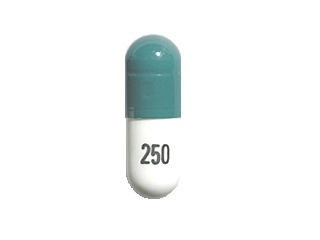
| Common forms | Capsules/tablets and oral suspension (where available) |
| How it’s used | Treats infections caused by susceptible bacteria |
| Typical dosing schedule | Often multiple times daily, depending on the condition and strength |
| Where it’s used (UK) | NHS and private care settings; availability depends on local supply |
How cephalexin works (mechanism of action)
Cephalexin kills susceptible bacteria by interfering with the way they build their cell wall. It does this by binding to penicillin-binding proteins (PBPs), which are needed for the final cross-linking steps of bacterial cell wall formation. Without a stable cell wall, bacteria cannot survive and multiply.
Importantly, cephalexin is an antibiotic that works only against bacterial infections. It will not treat infections caused by viruses (such as colds and most flu-like illnesses).
Pharmacokinetics: what the body does with cephalexin
While individual responses vary, the following general points help explain how cephalexin behaves in the body:
- Absorption: Cephalexin is absorbed after being taken by mouth. Food may influence the speed of absorption for some people.
- Distribution: It can reach many body tissues, including sites of common infections (e.g., skin and soft tissue).
- Metabolism: Cephalexin is largely excreted unchanged; it is not extensively metabolised by the liver.
- Excretion: It is mainly cleared by the kidneys. Reduced kidney function may require dose adjustments.
- Half-life: The drug’s active presence is typically measured in hours, which is why dosing is scheduled multiple times daily.
If you have kidney disease, are elderly, or take medicines that affect kidney function, it’s especially important to follow the dosing guidance given to you.
Typical uses in the UK (indications)
Cephalexin is prescribed for infections caused by bacteria likely to be susceptible to cephalexin. Common uses may include:
- Skin and soft tissue infections (e.g., mild to moderate cellulitis, impetigo in appropriate cases)
- Bone and joint infections (in selected situations, based on clinical assessment)
- Dental or jaw-related infections (when bacterial causes are suspected and appropriate)
- Respiratory tract infections (where bacterial infection is considered and susceptible organisms are expected)
- Urinary tract infections (UTIs) in selected cases
The correct antibiotic depends on the likely bacteria, the infection site, severity, local resistance patterns, and patient factors (such as allergies). Your healthcare professional will choose the most suitable option.
Timing and how to take cephalexin
Correct timing helps maintain the antibiotic level needed to fight bacteria. Follow your healthcare professional’s instructions carefully.
General timing tips
- Space doses evenly across the day if you are taking it multiple times daily.
- Try to take it at the same times each day to keep a steady level in your body.
- Finish the full course unless you are advised to stop early.
- Do not change doses or stop early just because you feel better.
If you miss a dose
If you miss a dose, take it as soon as you remember unless it is near the time for the next dose. Do not take a double dose to make up for a missed dose.
Food interactions: can you take cephalexin with meals?
Many people can take cephalexin with or without food. However, taking it with food may help reduce the chance of stomach upset for some individuals. The exact instruction may vary depending on the formulation (capsules/tablets versus liquid).
- With food: may improve tolerability.
- Without food: may still be acceptable, but if you get nausea or stomach pain, consider taking it with meals.
- Hydration: drink water regularly, especially if you have had vomiting or diarrhoea.
Alcohol and medicine interactions
Cephalexin does not have a specific “disulfiram-like” interaction with alcohol, but mixing antibiotics with alcohol can increase the risk of side effects and may affect recovery. For the best outcomes, it’s generally recommended to avoid alcohol while you’re unwell and taking antibiotics.
Possible medicine interactions (important)
Tell your pharmacist or healthcare professional about all medicines you take, including over-the-counter products and herbal remedies. Potential considerations include:
- Probenecid: may reduce kidney excretion of some antibiotics, potentially increasing levels.
- Warfarin and other anticoagulants: some antibiotics can affect bleeding risk through gut flora changes and vitamin K effects. Monitoring may be required.
- Other medicines affecting kidneys: because cephalexin is cleared by the kidneys, kidney function matters for safe dosing.
- Oral typhoid vaccine: effectiveness may be reduced by antibiotics given around the same time.
This is not an exhaustive list. If you are on long-term medication, especially anticoagulants or medicines for kidney problems, confirm the interaction risk with a clinician or pharmacist.
Cephalexin dosing in the UK: what’s typical?
Dosing varies depending on the infection being treated, severity, age, kidney function, and formulation strength. Always use the dose and schedule directed for you.
How dosing is usually described
- By weight in children (where applicable)
- By age and kidney function (in adults and older people)
- By infection site and severity
- Often multiple times daily to maintain effective drug levels
For patient safety, it is better to avoid giving “one-size-fits-all” dosing numbers on a public medicine information page. Instead, use your label instructions exactly. If you need help checking the timing, ask a pharmacist to explain your specific regimen.
Practical advice for taking oral suspension (if applicable)
- Shake well before measuring.
- Use a proper measuring device (oral syringe or spoon) if provided.
- Keep the liquid correctly stored as shown on the label and discard only when instructed.
Safety profile: side effects and what to watch for
Most people tolerate cephalexin well, but side effects can occur. The types of reactions include mild stomach upset, allergic reactions, and (less commonly) more serious gut complications. If you experience anything severe, seek urgent medical advice.
Common side effects
- Nausea
- Diarrhoea (usually mild)
- Vomiting
- Stomach pain or indigestion
- Headache
- Skin rash (can occur with antibiotic use)
Seek urgent medical help if you notice
- Signs of anaphylaxis: swelling of the face/lips, difficulty breathing, wheezing, severe dizziness, or collapse
- Severe or persistent diarrhoea, especially if watery or with blood/mucus, or if you feel very unwell (possible antibiotic-associated colitis)
- Severe skin reactions: blistering, peeling skin, painful rash, or widespread rash with fever
- Jaundice (yellowing of the skin/eyes) or dark urine
Allergy and cross-reactivity
Cephalexin is a beta-lactam antibiotic. If you have ever had an allergic reaction to cephalosporins, or a serious immediate hypersensitivity reaction to penicillins, it is important to discuss this with a healthcare professional. Allergic reactions can range from mild rash to severe anaphylaxis.
Special populations
- Pregnancy: Cephalexin is commonly used when clinically indicated, but decisions should be individualised by a clinician.
- Breastfeeding: Many patients can continue breastfeeding while using cephalexin, but monitor infants for unusual diarrhoea or rash.
- Kidney impairment: Dose adjustments may be required due to renal clearance.
- Children: Dose depends on weight and age; use the correct formulation and measuring method.
- Elderly patients: Kidney function may be lower and side effects may be more noticeable.
Practical use tips for better results
- Start on time: begin the course as directed and keep your schedule.
- Hydrate: drink fluids, especially if you have stomach upset.
- Manage diarrhoea early: mild diarrhoea can happen; if it becomes severe or persistent, seek advice promptly.
- Do not share antibiotics: they should only be used for the condition they were prescribed for.
- Keep track of your symptoms: note improvements (e.g., reduced pain, redness, fever) and any worsening.
- Seek review if not improving: if symptoms don’t improve after a reasonable time (often within 48–72 hours depending on the infection), contact a clinician.
- Complete your course: stopping early can contribute to treatment failure and antibiotic resistance.
Antibiotic stewardship: why finishing the course matters
Antibiotic stewardship means using antibiotics safely and only when needed. Taking cephalexin correctly helps:
- Increase the chance of clearing the infection
- Reduce the risk of recurrence
- Limit the development of antibiotic resistance
- Protect communities by keeping antibiotic options effective
Alternative options (what else might be used?)
If cephalexin is not suitable (for example, due to allergy, lack of response, or the suspected bacteria being resistant), healthcare professionals may consider other antibiotics or supportive measures depending on the infection.
Possible alternatives (examples, not a recommendation) may include:
- Other penicillins (when appropriate and safe)
- Other cephalosporins (depending on allergy status and infection type)
- Macrolides (in certain respiratory and skin infections when suitable)
- Clindamycin (in some skin/soft tissue infections when indicated)
- Co-amoxiclav or other broadening options (based on infection and local guidance)
Selection depends on clinical assessment, microbiology, and local antimicrobial guidance. Your clinician will choose the safest and most appropriate option for your situation.
Market and legal context in the United Kingdom
In the UK, antibiotics are regulated medicines. Medicines like cephalexin are supplied in line with UK medicines legislation and prescribing/dispensing requirements. UK healthcare systems prioritise appropriate antimicrobial use to reduce harm and antibiotic resistance.
Antimicrobial prescribing in the UK is supported by national and local guidance, including recommendations on which antibiotics to use for specific infection types and when. Pharmacists and clinicians also consider factors such as allergy history, kidney function, severity of illness, and likelihood of bacterial cause.
Recent guidance and developments (UK)
Antibiotic guidance is periodically updated to reflect changing resistance patterns and evidence. Common themes in recent UK stewardship efforts include:
- Confirming whether infection is likely bacterial before selecting an antibiotic
- Using narrow-spectrum antibiotics when appropriate
- Reassessing if symptoms do not improve within expected timeframes
- Reducing unnecessary antibiotic use and encouraging correct dosing and duration
- Encouraging clinicians to consider local resistance data
If you are unsure about why a particular antibiotic has been chosen, your clinician or pharmacist can explain the reasoning for your case.
Delivery and availability
Availability of cephalexin products can vary by brand, strength, and formulation (capsules vs oral suspension), and can also be affected by supply chain changes. An online pharmacy will typically show current stock status and delivery estimates at the checkout stage.
- Delivery speed: depends on the service selected and your location within the UK.
- Packaging: medicines are usually dispatched in secure tamper-evident packaging.
- Cold chain: cephalexin usually does not require freezing or refrigeration, but always follow storage instructions on the pack.
- Out of stock: if a product is temporarily unavailable, alternatives or restock notifications may be offered depending on the pharmacy policy.
If you need your medicine urgently, contact customer support to discuss fastest delivery options where available.
How to store cephalexin
- Store according to instructions on the packaging (commonly at room temperature, away from direct heat/sunlight).
- Keep out of sight and reach of children.
- Do not use after the expiry date.
- For liquid medicines, follow any “discard after” date stated on the label.
Frequently Asked Questions (FAQ)
1) What is cephalexin used for?
Cephalexin is used to treat bacterial infections, commonly including some skin and soft tissue infections and other infections depending on the likely bacteria and clinical judgement.
2) How soon will I feel better?
Many people notice improvement within 48–72 hours, but it varies by infection type and severity. If you are not improving or symptoms worsen, contact a healthcare professional promptly.
3) Can I take cephalexin with food?
Yes, for many people it can be taken with or without food. If it upsets your stomach, taking it with meals may help. Follow the instructions on your specific product label.
4) Can I drink alcohol while taking cephalexin?
It’s usually best to avoid or limit alcohol while you’re unwell and taking antibiotics. Alcohol can worsen dehydration and may increase side effects. If you choose to drink, do so only in moderation and monitor how you feel.
5) What should I do if I miss a dose?
Take it when you remember unless the next dose is close. Do not take a double dose. If you’re unsure, ask a pharmacist for advice.
6) Is cephalexin safe if I’m allergic to penicillin?
Allergy history matters. Some people with penicillin allergy can still use cephalexin, while others cannot—especially those with severe immediate reactions. Speak to a clinician or pharmacist before using if you have a history of allergy to beta-lactam antibiotics.
7) Are there interactions with other medicines?
Potential interactions may include warfarin (and some other anticoagulants), probenecid, and certain vaccines. Always tell your pharmacist about all medicines and supplements you take.
8) What if I get diarrhoea?
Mild diarrhoea can occur. However, seek urgent advice if diarrhoea is severe, persistent, watery, or contains blood/mucus, or if you feel very unwell.
9) Can I stop once I feel better?
No—unless a healthcare professional advises you to stop. Completing the course helps prevent the infection from returning and reduces resistance risk.
10) What are the common side effects?
Common side effects include nausea, diarrhoea, vomiting, stomach upset, headache, and sometimes rash. Severe allergic reactions and significant diarrhoea are warning signs.
When to get medical help
Contact urgent medical services if you develop symptoms of a serious allergic reaction (such as trouble breathing, swelling of the face or throat, or severe dizziness). Contact your healthcare professional promptly if symptoms rapidly worsen, you develop a severe rash, or you experience severe diarrhoea.
This information is intended for general guidance and may not cover every individual situation. Always check the patient information leaflet supplied with your medicine for the most specific details.