

Zyvox (Linezolid) — Patient Information
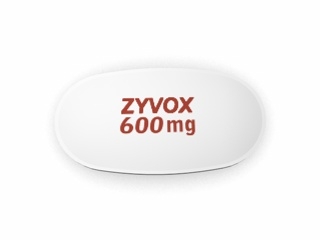
Zyvox is a brand of linezolid, an antibiotic used to treat certain serious infections caused by specific bacteria. This page explains how Zyvox works, how it is used, key safety points, and practical guidance—written in a clear, patient-friendly way for the United Kingdom.
1) Basic product information
| Item | Details |
|---|---|
| Medicine | Zyvox (linezolid) |
| Medicinal form | Typically available as tablets and oral suspension (exact presentation may vary by supply) |
| Antibiotic type | Oxazolidinone (synthetic antibiotic) |
| How it’s taken | By mouth (tablets or suspension) or sometimes by infusion in hospital settings |
| Common reason for use | Serious Gram-positive bacterial infections, including some resistant strains |
2) How Zyvox works (mechanism of action)
Linezolid belongs to a class of antibiotics called oxazolidinones. It works by interfering with bacterial protein production:
- Targets the bacterial ribosome (the 23S component of the 50S ribosomal subunit).
- Prevents bacteria from forming proteins needed for growth and replication.
- As a result, it can stop bacterial multiplication and allow the immune system to clear the infection.
Zyvox is generally active against a range of Gram-positive organisms, including certain resistant bacteria that can be difficult to treat with other antibiotics.
3) Pharmacokinetics (how your body handles Zyvox)
Pharmacokinetics describes absorption, distribution, metabolism, and elimination. Key points include:
- Absorption: Linezolid is well absorbed after oral dosing.
- Time to peak level: Blood concentrations generally peak within a few hours after taking a dose.
- Distribution: It distributes into many body tissues and fluids.
- Metabolism: Linezolid is metabolised in the body, producing metabolites.
- Elimination: The drug and its metabolites are removed primarily via the kidneys and to a lesser extent other routes.
Why this matters for patients: Keeping consistent dosing times helps maintain effective antibiotic levels. In addition, some side effects are more likely with longer courses, so the recommended duration is important.
4) Typical uses in the UK (indications)
Zyvox is used to treat certain infections where linezolid is considered appropriate based on the likely bacteria and local resistance patterns. It is particularly used for Gram-positive infections, including those caused by resistant organisms such as:
- Methicillin-resistant Staphylococcus aureus (MRSA)
- Methicillin-resistant coagulase-negative staphylococci
- Some cases of vancomycin-resistant Enterococcus species (based on susceptibility and clinical judgement)
- Other susceptible Gram-positive bacteria
Specific infections may include, depending on clinical assessment:
- Complicated skin and soft tissue infections
- Pneumonia (including community-acquired and hospital-acquired types where appropriate)
- Infections caused by susceptible organisms involving blood stream (septicaemia/bacteraemia)
- Other serious Gram-positive infections under specialist care
Zyvox is not suitable for treating infections caused by Gram-negative bacteria or many fungal infections. Using the right antibiotic for the right organism helps improve outcomes and reduces resistance risk.
5) Dosing: common adult regimens and timing
Dosing depends on the infection type, severity, kidney and liver function, age, and other medicines. Below are common adult dosing patterns used in clinical practice; your prescriber will specify the exact regimen for you.
Adult dosing (general information)
- Typical dose: 600 mg once every 12 hours (twice daily).
- Duration: varies by infection and response; treatment courses can be around 10–14 days for many indications, but some infections may require longer—especially when treating resistant or complicated infections.
How to take Zyvox (timing tips)
- Try to take doses at roughly equal intervals (e.g., morning and evening).
- Choose times you can maintain daily to help keep steady antibiotic levels.
- If you miss a dose, take it when you remember unless it is almost time for the next dose—avoid doubling up.
Tablets vs suspension
Tablets and oral suspension contain linezolid but may differ in how you measure doses (especially for suspension). If you are using the liquid, shake well if instructed and measure accurately using the supplied device.
6) Food interactions (can you take Zyvox with meals?)
Linezolid can generally be taken with or without food. Food is unlikely to have a clinically significant effect on absorption in most people.
Practical guidance:
- If Zyvox upsets your stomach, taking it with food may improve comfort.
- Stay hydrated and follow general advice for managing nausea or diarrhoea if they occur.
7) Alcohol and medicine interactions
Alcohol is not specifically known to interact with the antibiotic in the way some drugs do, but alcohol can worsen side effects and may impair recovery from infection. In addition, Zyvox may be taken alongside other medicines with important interaction risks.
Alcohol
- Recommendation: it’s generally best to limit alcohol while taking antibiotics, particularly if you feel unwell.
- If you choose to drink, do so cautiously and avoid heavy drinking.
Important medicine interactions (serotonin-related)
A key safety issue with linezolid is its interaction with medicines that increase serotonin. Linezolid has weak monoamine oxidase inhibitor (MAOI) activity, which can lead to dangerous serotonin excess when combined with certain drugs.
Do not start, stop, or change any psychiatric or pain medicines without speaking to a healthcare professional. Examples of medicines that may need to be avoided or closely managed include:
- Antidepressants such as SSRIs (e.g., sertraline, fluoxetine, citalopram, paroxetine), SNRIs (e.g., venlafaxine, duloxetine), tricyclic antidepressants (e.g., amitriptyline), and MAOIs.
- Medicines for migraine such as triptans (e.g., sumatriptan).
- Opioid-type pain medicines with serotonin effects (e.g., pethidine/meperidine—often specifically cautioned).
- Some cough/cold and herbal products (including those containing dextromethorphan or St John’s wort), which may increase serotonin.
Tyramine-containing foods (dietary amines)
With MAOI-like effects, linezolid can theoretically increase risk of a blood pressure reaction when combined with high-tyramine foods. In practice, advice commonly includes avoiding or limiting foods known to be high in tyramine, particularly during treatment and for a period after stopping.
Common examples of foods often flagged include:
- Aged or fermented foods (e.g., some types of matured cheese)
- Products made with yeast extracts (e.g., some yeast-based spreads)
- Some preserved or fermented items
- Large amounts of cured meats (varies by type and storage)
Specific diet advice can vary. Follow the guidance given by your healthcare team or the medicine leaflet that comes with your supply.
Other medication interaction considerations
- Blood pressure medicines: generally not a direct issue, but serotonin/tyramine-related effects can affect blood pressure and heart rate.
- Anticoagulants: check closely if you take medicines to reduce blood clotting (e.g., warfarin). Some antibiotics can affect clotting levels indirectly.
- Blood count–affecting medicines: if you take other drugs that may affect bone marrow or blood cells, discuss with a clinician.
- Diabetes medicines: if you notice unusual symptoms (e.g., sweating, dizziness, or changes in blood sugar), report them.
If you are using multiple medicines, it’s good practice to keep an up-to-date list and share it with your pharmacist or prescriber.
8) Safety profile: what to watch for
Like all medicines, Zyvox can cause side effects. Many are mild and temporary, but some require urgent attention. Below is a patient-friendly overview.
Common side effects
- Headache
- Gastrointestinal effects such as nausea, diarrhoea, vomiting, or abdominal discomfort
- Dizziness
- Changes in taste (less commonly)
Less common but important effects
- Changes in blood counts (e.g., anaemia, low platelet count, low white blood cells), more likely after longer use.
- Peripheral neuropathy (numbness, tingling, burning sensations), particularly with prolonged therapy.
- Optic neuropathy (vision changes), especially with longer courses.
- Lactic acidosis (rare), which can be serious.
Stop and seek urgent medical help if you develop
- Signs of an allergic reaction: swelling of the face/lips, rash with breathing difficulty, severe itching.
- Serotonin syndrome symptoms (if combined with interacting medicines): agitation, confusion, sweating, fever, shaking/tremor, diarrhoea, fast heart rate, or muscle stiffness.
- Severe or persistent diarrhoea, especially with fever or blood/mucus (possible antibiotic-associated colitis).
- Vision problems (blurred vision, difficulty seeing colours, changes in visual acuity), numbness/tingling that worsens, or severe weakness.
If you are on a longer course, clinicians often monitor blood counts and ask about nerve/eye symptoms. Always report new symptoms promptly.
9) Practical use tips for best results
- Complete the course: even if you feel better, stopping early can allow the infection to return or worsen.
- Keep a schedule: consider setting alarms for twice-daily dosing.
- Monitor side effects: watch for diarrhoea, unusual bruising/bleeding, unusual tiredness, numbness/tingling, or visual changes.
- Hydration: drink fluids regularly unless you’ve been told to restrict fluids.
- Medication list: keep track of all medicines and supplements, including herbal products, and check interactions.
- Vision and nerve symptoms: if you notice changes, contact your healthcare team promptly.
10) If you miss a dose
If you forget a dose:
- Take it as soon as you remember if it is not close to the next dose.
- If it is almost time for the next dose, skip the missed dose.
- Do not take a double dose to make up for the missed one.
If you have missed multiple doses or are unsure what to do, seek advice from a pharmacist or healthcare professional.
11) Alternative options (what else might be used)
The “best” alternative depends on the type of infection and the bacteria involved, including whether the bacteria are resistant. Common alternatives in clinical practice (not exhaustive) may include:
- Vancomycin (often used for MRSA and other Gram-positive infections, typically in hospital/IV settings)
- Daptomycin (often considered for certain Gram-positive infections)
- Teicoplanin or other glycopeptides (depending on local policies and infection type)
- Other antibiotics guided by culture results and susceptibility testing
Your clinician selects antibiotics based on microbiology results, severity of illness, kidney/liver function, and interaction risk. If Zyvox isn’t suitable, they may choose an alternative that matches the organism and your personal risk profile.
12) Market and legal context in the United Kingdom
In the UK, antibiotics are tightly regulated to support responsible antimicrobial use and reduce the risk of resistance. Zyvox (linezolid) is managed under medicines regulations and is supplied according to UK health authority guidance and pharmacy requirements.
Key points for patients:
- Antimicrobial stewardship: antibiotics should be used only when appropriate and for the right duration.
- Special monitoring: linezolid may require more monitoring than some other antibiotics, especially for longer courses.
- Local practice: hospitals and NHS services may follow local protocols and guidance for MRSA and other resistant infections.
13) Recent guidance (high-level UK approach)
UK clinical practice generally emphasises:
- Using culture and susceptibility testing where possible to guide antibiotic choice.
- Limiting use of “last resort” antibiotics to situations where benefits clearly outweigh risks.
- Monitoring for known linezolid adverse effects, particularly with longer treatment duration.
- Patient awareness of serotonin-related drug interactions and the need to disclose all medicines and supplements.
Always follow the advice provided with your specific supply, including the patient information leaflet (PIL).
14) Delivery and availability (online pharmacy)
Availability of Zyvox can vary depending on the presentation (tablets vs suspension), batch supply, and pharmacy stock levels. UK online pharmacies typically manage availability through supplier networks and may offer:
- Standard delivery options (timing varies by distance and carrier)
- Dispatch tracking and updates where available
- Controlled storage handling where required for safe delivery
Delivery times and cutoff times for dispatch depend on the pharmacy and courier services. If you need your medicine urgently for ongoing treatment, check the estimated delivery window shown at checkout or contact customer support.
15) FAQ — Frequently asked questions
How long does Zyvox take to start working?
Many people begin to feel improvement within a few days, depending on the infection type and severity. If you do not start to notice improvement within the expected timeframe—or if symptoms worsen—contact a healthcare professional promptly.
Can I take Zyvox with food?
Yes. Linezolid is generally taken with or without food. If you experience nausea, taking it with meals may help.
What should I avoid while taking Zyvox?
Avoid starting or combining medicines that may interact—especially drugs affecting serotonin. Also, follow any diet advice related to high-tyramine foods (which may be given in the patient information leaflet or by your healthcare team).
Is it safe to drive while taking Zyvox?
Zyvox can cause dizziness or headache in some people. If you feel dizzy or unwell, avoid driving and operating machinery. Use your common sense and follow guidance on the medicine leaflet.
What if I develop diarrhoea during treatment?
Mild diarrhoea can occur with antibiotics. However, severe diarrhoea—especially with fever, blood, or mucus—should be assessed urgently, as it can indicate a more serious bowel condition.
Will Zyvox affect my blood tests?
With longer courses, linezolid can affect blood counts. Clinicians may monitor your full blood count. If you feel unusually tired, develop bruising or bleeding, or experience persistent infections, contact a healthcare professional.
Can Zyvox affect my vision or nerves?
It can, particularly with extended treatment. Report symptoms such as blurred vision, colour vision changes, numbness, tingling, or burning sensations promptly.
What should I tell my pharmacist before taking Zyvox?
Tell them about all medicines and supplements you use, including:
- Antidepressants and medicines affecting serotonin
- Medicines for migraine
- Pain medicines, including opioids
- Herbal supplements (e.g., St John’s wort)
- Any blood-thinning medicines
- Your medical history (especially blood disorders, kidney/liver issues, or eye/nerve problems)
Are there any long-term risks?
The most significant risks are generally linked to longer durations and known adverse effects such as blood count changes, neuropathy, and optic effects. Ongoing monitoring and prompt reporting of symptoms reduce risk.
Where can I find the official patient information?
The patient information leaflet (PIL) included with your medicine provides detailed guidance. If anything here conflicts with the leaflet, follow the leaflet instructions and seek professional advice.
Summary
Zyvox (linezolid) is an antibiotic used to treat certain serious Gram-positive infections, including some resistant bacteria. It works by blocking bacterial protein production and is typically taken twice daily. The main things to remember are consistent dosing, careful attention to medication interactions (especially serotonin-related medicines), and awareness of side effects that may become more likely with longer treatment.