
Cialis (Tadalafil) — Patient-Friendly Guide (UK)
Cialis is a well-known medicine used to treat erectile dysfunction (ED) in men and, in some cases, to treat other conditions such as benign prostatic hyperplasia (BPH) and pulmonary arterial hypertension (PAH). The active ingredient is tadalafil.
This guide explains how Cialis works, how it is typically taken, what to expect, common safety considerations, and practical advice to help you use it as safely and effectively as possible in the United Kingdom.
1) Basic product information
| Item | Details |
|---|---|
| Brand name | Cialis |
| Generic name / active ingredient | Tadalafil |
| Medicine type | PDE5 inhibitor |
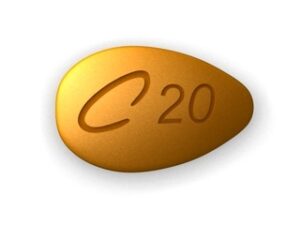
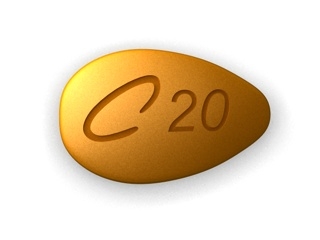
| Common strengths (varies by product availability) | Usually 2.5 mg, 5 mg, 10 mg, 20 mg tablets |
| How it is taken | By mouth |
| Typical dosing options | “On-demand” before sex, or once-daily regimen for ED |
| Main uses | ED; also used for BPH/LUTS and PAH (depending on product/strength) |
2) Mechanism of action (how Cialis works)
Cialis contains tadalafil, a PDE5 (phosphodiesterase type 5) inhibitor. During sexual stimulation, nerve signals and increased blood flow help the penis to become erect. A key part of this process involves the chemical messenger cGMP.
PDE5 helps break down cGMP. By blocking PDE5, tadalafil helps maintain higher cGMP levels in penile tissue, supporting improved blood flow during arousal. This means Cialis can help you achieve and maintain an erection, but it still requires sexual stimulation.
Tadalafil’s effects can also relax smooth muscle and influence blood vessel tone, which is why it can be helpful in other conditions such as PAH (pulmonary arterial hypertension).
3) Indications (what Cialis is used for in the UK)
In general, Cialis may be used for:
- Erectile dysfunction (ED): Difficulty getting and/or maintaining an erection sufficient for satisfactory sexual activity.
- Benign prostatic hyperplasia (BPH) / lower urinary tract symptoms (LUTS): Symptoms such as weak urine stream, hesitation, or needing to urinate frequently—depending on local product licensing and dosing.
- Pulmonary arterial hypertension (PAH): To improve exercise capacity and reduce disease-related symptoms in eligible patients, depending on the prescribed regimen.
Availability and exact licensed uses can depend on the product strength and local regulations. Your clinician or pharmacist can confirm the most appropriate use.
4) Typical timing: when Cialis starts to work and how long it lasts
One reason Cialis is popular is its long duration. Many people experience an effect within about 30 minutes to 1 hour, though timing can vary.
How long it lasts:
- Many people find Cialis remains effective for up to 36 hours after taking a dose (sometimes longer in practice).
- You may not need to “time” sex down to the minute. Instead, the medicine may help readiness for spontaneous sexual activity during the window.
If you are using a once-daily schedule, the goal is steadier coverage rather than a single event-based dose.
5) Pharmacokinetics (how tadalafil behaves in the body)
“Pharmacokinetics” describes what the body does to a medicine—absorption, distribution, metabolism, and elimination. For tadalafil:
- Absorption: Tadalafil is absorbed after oral dosing. Peak levels typically occur around 1–2 hours after ingestion.
- Distribution: It is widely distributed in the body and binds to plasma proteins (notably albumin).
- Metabolism: Tadalafil is metabolised mainly by CYP3A4 enzymes in the liver.
- Elimination half-life: The elimination half-life is about 17.5 hours, supporting its long duration.
- Excretion: Metabolites are eliminated mainly via the faeces and to a lesser extent via the urine.
Because tadalafil has a long half-life, effects can persist beyond the day you take it. This is important when considering interactions (especially with other medicines).
6) Typical use options (on-demand vs once-daily)
Cialis is commonly used in two ways for ED:
On-demand dosing (“before sex” approach)
- You take a dose shortly before planned sexual activity.
- Many people choose this if they have sex less frequently.
- The long duration means you do not necessarily need exact timing.
Once-daily dosing
- A small daily dose may be used to support more spontaneity and reduce planning.
- This can be suitable if ED is more persistent or if sexual activity is more regular.
Your chosen regimen should follow the guidance on your product instructions and local clinical recommendations.
7) Dosing (general UK guidance—individual needs may vary)
Exact dosing depends on your situation, age, kidney/liver function, and other medicines you take. Below are general ranges commonly used for ED:
- On-demand: Typical doses include 10 mg or 20 mg taken before sexual activity. Some people start lower to assess tolerance.
- Once-daily: Typical daily doses include 2.5 mg or 5 mg once daily.
Important: Do not exceed the maximum frequency stated for your specific product. If you miss a dose in a once-daily regimen, do not take a double dose.
If you have kidney impairment or liver disease, dosing may need adjustment, and you should discuss this with a healthcare professional.
8) Food interactions
Cialis can generally be taken with or without food. However, a very heavy or fatty meal may slow stomach emptying, which can delay the onset for some people.
- Light meals: usually no problem.
- Very heavy meals: may make effects feel later than expected.
- Grapefruit / grapefruit juice: may increase tadalafil exposure in some people because grapefruit can affect metabolism pathways. It’s often advised to avoid or limit grapefruit products.
If you notice variability in timing, try taking Cialis consistently in relation to meals (for example, either always with a snack or always on an empty stomach).
9) Alcohol and medicine interactions
Alcohol
Moderate alcohol use may not be a major issue for everyone, but alcohol can worsen ED on its own by affecting blood flow, arousal, and confidence. Drinking heavily can reduce effectiveness and increase side effects such as dizziness and low blood pressure.
- Avoid heavy drinking when planning to use Cialis.
- If you feel light-headed, stop drinking and sit down.
Medicines that can interact (very important)
Some interactions can be dangerous. The most important example is nitrates. Always seek urgent medical advice if you have taken nitrates and then used tadalafil.
Key interaction categories:
- Nitrates (e.g., glyceryl trinitrate/nitroglycerin; isosorbide compounds): Can cause a dangerous drop in blood pressure when combined with tadalafil. This combination is generally contraindicated.
- Riociguat (for PAH): Combination with PDE5 inhibitors can cause significant blood pressure lowering and is generally avoided.
- Alpha-blockers (e.g., for prostate symptoms): May also lower blood pressure. Some people can take them together, but timing and dose adjustments may be needed to reduce dizziness.
- Strong CYP3A4 inhibitors (e.g., certain antifungals like ketoconazole; some antivirals; clarithromycin): May increase tadalafil levels and raise risk of side effects—often requiring lower tadalafil dosing or more monitoring.
- Strong CYP3A4 inducers (e.g., rifampicin; some anti-seizure medicines): May reduce tadalafil effectiveness.
- Other ED medicines/PDE5 inhibitors: Do not combine with tadalafil unless specifically advised.
Tell a pharmacist or clinician about all medicines and supplements you use, including herbal products and “over-the-counter” products, so interactions can be assessed.
10) Safety profile: who should be cautious and what to watch for
Like all medicines, Cialis can cause side effects. Many are mild to moderate and improve as your body adjusts. However, some situations require urgent medical attention.
Common side effects
- Headache
- Flushing (warmth/redness)
- Indigestion or stomach discomfort
- Back pain or muscle aches
- Stuffy or runny nose
- Dizziness
- Facial flushing
Less common but important effects
- Vision changes (rare): seek urgent advice if you notice sudden loss of vision or severe eye pain.
- Hearing changes (rare): sudden ringing or hearing loss requires urgent medical evaluation.
- Prolonged erection (priapism): an erection lasting longer than 4 hours needs urgent care.
- Chest pain or severe shortness of breath: seek urgent evaluation.
When to avoid or get medical advice first
- If you use nitrates for angina or have been advised not to use PDE5 inhibitors.
- If you have severe heart disease, unstable angina, or significant cardiovascular instability. Sexual activity itself can be physically demanding.
- If you have had vision-related issues associated with PDE5 inhibitors.
- If you have significant liver problems or advanced kidney impairment (dose may need adjustment).
- If you take medications that can strongly affect blood pressure or metabolism (as listed under interactions).
Seek urgent medical help if you experience severe dizziness/fainting, chest pain, signs of an allergic reaction, or sudden vision/hearing problems.
11) Practical use tips for best results
Before you take Cialis
- Review your current medications (especially nitrates, riociguat, alpha-blockers, and antibiotics/antifungals that can interact).
- Consider avoiding heavy meals and grapefruit products if you want predictable timing.
- Plan around alcohol: keep it moderate to reduce side effects.
During sexual activity
- Cialis helps with blood flow during arousal, so allow time for sexual stimulation rather than relying on “instant” effects.
- If you are trying a new dose, consider the first attempt on a day you can take your time and are not rushed.
- Use condoms if required for contraception or to reduce infection risk. Cialis does not protect against sexually transmitted infections (STIs).
If it doesn’t work as expected
- Make sure the dose is appropriate for your situation and you have followed timing guidance.
- Check for alcohol excess, heavy meals, or interacting medicines.
- ED can be influenced by stress, smoking, diabetes, high blood pressure, weight, low testosterone, and some medications. Discussing these factors can improve outcomes.
12) Alternative options
If Cialis isn’t suitable or doesn’t give the results you want, several alternatives exist. Your choice depends on your health profile and preference for timing.
Other PDE5 inhibitors
- Sildenafil (often shorter acting)
- Vardenafil
- Avanafil
Different approaches
- Once-daily alternatives may be considered for those who prefer a regular routine.
- For some causes of ED, addressing underlying health issues (e.g., diabetes control, reducing smoking, adjusting contributing medications) may be as important as the ED medicine itself.
- If medicines do not help, specialists may discuss other treatments such as vacuum erection devices or injections.
Switching between PDE5 inhibitors should be done with appropriate washout and dosing caution, particularly because tadalafil lasts longer than some alternatives.
13) Market and legal context in the United Kingdom (patient overview)
In the UK, medicines are regulated to ensure quality, safety, and appropriate supply. Depending on the product, strength, and the pharmacy service used, tadalafil-containing medicines may be provided under a UK-compliant patient assessment process and supply model.
Reputable online pharmacies operate within UK medicine regulations and safety standards, including:
- checking suitability based on your answers and medical history,
- advising on safe use and contraindications,
- providing clear instructions and information about side effects and interactions,
- ensuring the correct product is supplied by authorised routes.
Always avoid buying medicines from unverified sources. Counterfeit or incorrectly stored products can be unsafe and may not contain the stated ingredient.
14) Recent guidance and practical reminders
While specific guidance can evolve over time, key safety themes remain consistent in recent years:
- Interaction awareness: PDE5 inhibitors should not be used with nitrates and riociguat.
- Cardiovascular caution: ED can be a marker of underlying cardiovascular disease—if you have heart symptoms, seek proper assessment.
- Responsible prescribing/supply: suitability checks, medicine history, and dose selection reduce risk.
- Recognising urgent side effects: priapism, sudden vision/hearing changes, and fainting require urgent help.
If you’re unsure how Cialis fits your health situation, speak to a clinician or pharmacist before starting.
15) Delivery and availability (online pharmacy)
Availability of Cialis (tadalafil) can vary by strength and current pharmacy stock. When ordering through an online pharmacy that supplies UK-compliant medicines, delivery times may depend on:
- your postcode/area within the UK,
- processing times and stock levels,
- selected delivery method (e.g., standard vs tracked),
- any compliance steps required before dispatch.
Most online pharmacies provide tracking and discreet packaging. If a product is temporarily out of stock, the site may show an expected restock date or suggest alternative strengths.
Cold-chain storage: Cialis tablets do not usually require refrigeration; store as directed on the packaging. Keep out of reach of children and avoid using past expiry dates.
16) FAQs
1. How long does Cialis take to work?
Many people notice effects within 30 minutes to 1 hour. It can feel less immediate with heavy meals; choosing consistent timing can help.
2. How long will Cialis last?
It is commonly effective for up to 36 hours after taking an on-demand dose, though individual response varies.
3. Can I take Cialis every day?
Some people use a once-daily regimen for ED. The correct dose depends on the product strength and your health profile. Follow the dosing instructions provided by the pharmacy or clinician.
4. Will Cialis work the first time?
Sometimes it does, sometimes it takes a little trial to find a suitable dose and timing. Stress, alcohol, heavy meals, and interacting medicines can all affect results.
5. Is Cialis safe with blood pressure tablets?
Often, but not always. Some blood pressure medicines can lower blood pressure, and Cialis can contribute to this effect. This is why medication history is important before starting.
6. Can I take Cialis with nitrates?
Generally no. The combination can cause a dangerous drop in blood pressure. If you use nitrates, speak to a clinician/pharmacist immediately before using tadalafil.
7. Can I drive after taking Cialis?
Some people experience dizziness or vision changes. If you feel unwell, do not drive and avoid operating machinery. Consider how you respond to the medicine before driving.
8. What if I accidentally take too much?
Contact a healthcare professional or urgent help for advice. Because tadalafil has a long duration, it’s important to get guidance promptly.
9. Does Cialis treat the cause of ED?
Cialis can improve erections during sexual stimulation, but it does not cure all underlying causes. ED can be linked to cardiovascular health, diabetes, stress, hormonal factors, and certain medications. Addressing underlying issues can improve long-term outcomes.
10. Are there lifestyle tips that improve results?
Yes. Regular exercise, a healthy weight, reduced smoking/alcohol, good sleep, and managing diabetes or high blood pressure can all help. Managing anxiety and avoiding excessive alcohol can also make ED treatment more effective.
11. Is Cialis suitable for everyone?
Not necessarily. Suitability depends on your medical history, other medicines, and any cardiovascular or vision/hearing conditions. If you are unsure, check with a pharmacist or clinician.
12. What should I do in case of priapism?
If an erection lasts longer than 4 hours, seek urgent medical care. Priapism can be a medical emergency.
Summary
Cialis (tadalafil) is a PDE5 inhibitor used mainly for erectile dysfunction, with additional uses in certain conditions depending on product and dosing. It typically starts working within about 30 minutes to 1 hour and may last up to 36 hours, supporting spontaneity. For safe and effective use, pay careful attention to medicine interactions (especially nitrates and riociguat), consider food and alcohol effects, and follow the recommended dosing for your selected regimen.