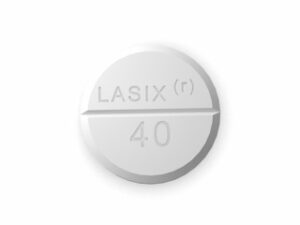

Loniten (Minoxidil) – Patient Information (UK)
Loniten is a medicine containing minoxidil. In the United Kingdom, minoxidil is available in different formulations depending on the condition being treated. This page is designed to help you understand what Loniten is, how it works, how it is usually taken, and the key safety points to consider.
Always follow the advice of a qualified healthcare professional and the instructions provided with your medicine. If you have any concerns, speak to a pharmacist or doctor.
Key facts at a glance
- Active ingredient: Minoxidil
- Brand example: Loniten
- Common uses (UK context): Primarily used under medical supervision for specific hair-loss indications and other approved cardiovascular-related indications depending on the product/formulation.
- How it works: Minoxidil helps increase blood flow and supports hair follicle activity (hair-related uses), and it lowers blood pressure in cardiovascular uses.
- Important safety considerations: Can affect heart rate and fluid balance; requires careful monitoring in appropriate patients.
- Notable side effects: Swelling, dizziness, changes in heart rate, and unwanted hair growth in some cases (for topical uses); systemic side effects are more relevant for oral use.
What is Loniten (minoxidil)?
Loniten is an established medicine containing minoxidil. It belongs to a class of drugs known as potassium channel openers. When used for hair loss, minoxidil may improve the growth phase of hair follicles. When used for blood pressure control in certain conditions, it relaxes blood vessels.
Because Loniten formulations and indications can vary, it’s important to ensure you are using the right product for your condition and following the exact directions provided to you.
How Loniten works (mechanism of action)
Minoxidil works through opening potassium channels in smooth muscle cells in blood vessels. This leads to relaxation of blood vessel walls and vasodilation (widening of blood vessels).
For hair-related use (general explanation)
In hair follicles, minoxidil is thought to increase blood flow and influence follicle signalling pathways. This may help:
- Extend the growth phase (anagen) of hair follicles
- Encourage thicker and stronger hair over time
- Support gradual regrowth after an initial shedding period in some people
For cardiovascular-related use (general explanation)
By lowering vascular resistance, minoxidil can reduce blood pressure. The body may respond with changes such as increased heart rate and fluid retention, which is why monitoring and sometimes additional medicines may be needed under medical supervision.
Pharmacokinetics: what the body does to minoxidil
Pharmacokinetics describes how the body absorbs, distributes, metabolises, and eliminates a drug.
- Absorption: Minoxidil is absorbed after oral administration.
- Distribution: It distributes into body tissues, including the cardiovascular system. It can affect circulation-related pathways.
- Metabolism: Minoxidil is metabolised primarily in the liver.
- Elimination: It is cleared from the body through metabolic pathways and excretion. Clearance may vary between individuals.
Exact timing can vary based on your health status, kidney function, liver function, and other medicines. Your prescriber/pharmacist can advise what to expect for your specific regimen.
Typical use: what Loniten is used for
In the UK, minoxidil is used for conditions that require its specific effects. Common “patient-facing” use is for hair loss, but minoxidil can also be used in certain cardiovascular contexts. The correct use depends on the specific product and indication.
Hair loss
Minoxidil is used to treat pattern hair loss (androgenetic alopecia) in some individuals. Benefits typically develop gradually and may require consistent long-term use.
Blood pressure and related indications
In selected cases, minoxidil may be used as a treatment for certain forms of hypertension (high blood pressure) where appropriate. This use requires closer medical monitoring due to cardiovascular effects.
How soon does Loniten work? (timing)
Timing varies by indication. For hair-related use, the body needs time to shift follicles from resting to growth phases.
- Early signs: Some people notice changes after a few months.
- Typical timeframe: A clearer improvement is often seen after 3–6 months of consistent use.
- Ongoing benefit: The best results often take 6–12 months depending on the cause of hair loss and individual response.
- Initial shedding: A temporary increase in shedding can occur early on for some individuals.
If you do not see any benefit by the time your clinician expects, or if your condition worsens, seek advice rather than adjusting your dose on your own.
Dosing: important information (UK guidance)
Dosing is individual and depends on the indication, your age, your medical history (including heart and fluid balance), and other medicines you are taking. The exact dose should be the one provided to you for your specific situation.
Do not change the dose or stop/start suddenly without speaking to a clinician. Some cardiovascular-related effects of minoxidil require careful management.
| Situation | How dosing is usually approached | Key notes |
|---|---|---|
| Hair loss | Prescribed regimen tailored to hair pattern and tolerance | Consistency is crucial; expect gradual results over months |
| Cardiovascular-related indications | Often started at a cautious dose and adjusted based on response | May require monitoring of blood pressure, heart rate, and fluid balance |
How to take Loniten
- Take the medicine exactly as directed.
- Try to take it at the same time each day to maintain consistent levels.
- If you miss a dose, follow the instructions provided by your pharmacist/medication leaflet. In general, do not take a double dose to make up for a missed one.
Food interactions: can you take Loniten with meals?
Food interactions with minoxidil may be relevant depending on the formulation and individual digestion. In many cases, minoxidil can be taken with or without food, but it can be helpful to:
- Take it the same way each day (with or without food) to reduce variability.
- If you experience stomach upset, taking it with food may improve tolerance—unless your clinician advised otherwise.
If you want advice specific to your product, check the patient information leaflet or ask your pharmacist.
Alcohol and medicine interactions
Alcohol can increase the risk of dizziness and low blood pressure symptoms when taking medicines that affect circulation. Minoxidil can also contribute to light-headedness in some people, so alcohol may worsen these effects.
Alcohol: practical advice
- Limit alcohol where possible.
- Be cautious when standing up, especially after drinking.
- Stop and seek medical advice if you feel faint, have palpitations, or develop severe dizziness.
Common medicine interaction considerations
Interactions can occur with medicines that influence blood pressure, heart rate, fluid balance, or potassium levels. Tell your healthcare team about all medicines you take, including:
- Other treatments for blood pressure or heart conditions
- Diuretics (“water tablets”)
- Medicines that affect heart rhythm
- Electrolyte/potassium-altering medicines
- Other hair-loss treatments (including topical products)
- Over-the-counter medicines and supplements
Your pharmacist can check for interactions based on your exact product strength and your current medication list.
Indications: who Loniten may be suitable for
Minoxidil is indicated for specific conditions as determined by your healthcare professional. In the UK, your clinical team will consider:
- Your diagnosis (for example, pattern hair loss or blood pressure-related conditions)
- Your age and overall health
- Any heart disease, fluid retention issues, or kidney/liver problems
- Other medicines you use
- Likelihood of benefit and risks
Loniten may not be suitable for everyone. If you have been advised against it, do not use it without reassessment.
Safety profile: side effects and what to watch for
Like all medicines, minoxidil can cause side effects. Not everyone will experience them. Side effects can be dose-related and may be more noticeable at the start or after dose increases.
Common or expected side effects (general)
- Dizziness or light-headedness
- Headache
- Swelling (fluid retention), especially in the ankles/feet
- Fast heart rate (palpitations)
- Changes in hair growth where hair is expected for hair-related use
Less common but important side effects
- Chest pain, severe shortness of breath, or fainting
- Severe allergic reactions such as swelling of the face/lips, hives, or difficulty breathing
- Significant worsening of heart symptoms
Seek urgent medical help if
- You feel faint, have severe dizziness, or pass out
- You develop swelling that is sudden or severe, or you gain weight rapidly due to fluid retention
- You have chest pain, severe breathlessness, or a very fast/irregular heartbeat
- Any signs of serious allergy occur
Practical use tips for the best results
The way you use Loniten consistently can affect results and help reduce avoidable side effects.
For hair-related use (practical tips)
- Be patient: hair growth takes time. Give the treatment a fair trial (often several months).
- Expect possible early shedding: this can happen early and does not always mean the treatment will fail.
- Keep to your schedule: take it at the same time each day.
- Track changes: consider taking photos every few weeks in the same lighting and angle.
- Avoid stopping too soon: stopping early may reduce the chance to see improvement.
For cardiovascular-related use (practical tips)
- Monitor symptoms: dizziness, palpitations, swelling, or reduced exercise tolerance should be reported promptly.
- Keep follow-up appointments: monitoring of blood pressure and overall condition is important.
- Report fluid retention: swelling of ankles/feet, rapid weight gain, or breathlessness can indicate fluid changes.
General tips
- Stay hydrated and rise slowly if you feel light-headed.
- Do not share your medicine with others.
- Store safely and keep out of sight of children.
Missed dose guidance
If you miss a dose, take it as soon as you remember, unless it is close to the time of your next dose. If it is close, skip the missed dose. Do not take two doses together to make up for it. Check the instructions in the patient information leaflet or ask your pharmacist for guidance for your specific schedule.
Overdose and what to do
Taking more than the prescribed amount can increase the risk of serious side effects, particularly relating to circulation and heart rate. If you suspect an overdose, seek immediate medical advice or contact your local emergency service. Keep the medicine pack available for healthcare professionals.
Alternative options
Depending on the reason you are considering Loniten, there may be other treatment options. A healthcare professional can recommend the most appropriate choice for your situation.
Hair loss alternatives
- Topical minoxidil (where suitable): often used as a first-line option for pattern hair loss.
- Other prescription hair-loss medicines (where appropriate): these depend on diagnosis and suitability.
- Non-medicine options: hair transplantation or supportive therapies may be considered for some individuals.
Cardiovascular alternatives
- Other classes of blood pressure medicines may be used depending on your cardiovascular profile.
- Management may include combination therapy and lifestyle measures (diet, exercise as advised, and smoking cessation).
Do not switch treatments without professional advice, especially when medicines can affect circulation.
United Kingdom market and legal context (overview)
Medicines in the UK are regulated and supplied under strict standards. Information about availability, supply, and patient eligibility can vary by formulation and indication. Your local pharmacy will confirm:
- Which product strength and form is appropriate for your condition
- Storage requirements
- Any special counselling needed due to side-effect profile
The availability of specific brands and strengths may vary over time due to supply and manufacturing factors. If you can’t find your usual product, speak to your pharmacist about suitable alternatives.
Recent guidance and safety monitoring (what to expect)
Ongoing medicine safety guidance can change as new evidence becomes available. In general, for medicines like minoxidil, healthcare providers focus on:
- Clear patient counselling about early and serious side effects
- Cardiovascular monitoring where clinically relevant
- Reviewing concurrent medicines to reduce interaction risk
- Assessing benefit vs risk at follow-up appointments
If you are currently taking Loniten and are due for review, attending follow-ups is important for safe, effective use.
Delivery and availability (online pharmacy in the UK)
When ordering online, availability depends on stock levels and the exact product strength/formulation. After you place your order, you can generally expect:
- Confirmation of availability: you may receive an email/text update about stock status.
- Packaging: medicines are typically dispatched in protective packaging to help ensure safe delivery.
- Delivery times: delivery estimates vary by region and courier service.
If a product is temporarily unavailable, the pharmacy may offer an equivalent option (for example, different brand or strength) if clinically appropriate.
Storage note: follow the storage instructions on the packaging (commonly room temperature conditions unless stated otherwise). Keep medicines away from direct sunlight and out of reach of children.
FAQ about Loniten (minoxidil)
1) What is Loniten used for?
Loniten contains minoxidil. It may be used for certain forms of hair loss and, in some clinical circumstances, for blood pressure-related indications depending on the specific product and your diagnosis.
2) How long does it take to see results for hair loss?
Hair-related improvement is usually gradual. Some people notice changes after a few months, with more noticeable results often taking 3–6 months and up to 6–12 months for best outcomes.
3) Will I shed hair when starting Loniten?
A temporary increase in shedding can occur early for some individuals. This may be part of the natural hair-cycle response. If you have concerns or worsening symptoms, speak to your clinician.
4) Can I drink alcohol while taking Loniten?
Alcohol may increase dizziness or worsen low blood pressure symptoms. If you choose to drink, keep it modest and be cautious—especially when standing up. Seek advice if you feel faint, have palpitations, or feel unwell.
5) Can I take Loniten with food?
Many people can take minoxidil with or without food. If you experience stomach upset, taking it with food may help. Follow your leaflet or pharmacist instructions for your specific formulation.
6) What medicines interact with minoxidil?
Medicines that affect blood pressure, heart rate, fluid balance, or potassium levels may interact. Always provide your full medication list to your pharmacist for a personalised interaction check.
7) What are the serious side effects I should watch for?
Seek urgent medical help for symptoms such as chest pain, severe shortness of breath, fainting, signs of serious allergy (e.g., swelling of face/lips, difficulty breathing), or severe or sudden swelling/fluid retention.
8) What should I do if I miss a dose?
Take it when you remember unless it’s near your next scheduled dose. Do not take a double dose. Check your leaflet or ask your pharmacist for guidance specific to your timetable.
9) Can I stop Loniten if I feel better?
Don’t stop or change your dose without medical advice. Stopping may reduce effectiveness and, for cardiovascular-related use, may require careful adjustment.
10) Are there alternative treatments?
Yes, alternatives may include topical minoxidil for some hair-loss patterns, and other hair-loss treatments depending on diagnosis. For blood pressure indications, other medicine classes may be used. A healthcare professional can advise the best option.
Important reminder
This information is intended as a guide and does not replace medical advice. If you experience concerning symptoms or have questions about suitability, speak to a pharmacist or doctor. For urgent symptoms, contact emergency services.