
Tamoxifen (United Kingdom) — Patient-Friendly Guide
Tamoxifen is a widely used medicine for the treatment and prevention of certain hormone-dependent cancers. It belongs to a class of medicines called selective oestrogen receptor modulators (SERMs). In the UK, tamoxifen is available in tablet form and is commonly used in breast cancer care.
This page provides clear, practical information about how tamoxifen works, how it is used, what to expect, and important safety considerations. It is designed for patients and carers.
Basic product information
| Category | Details |
|---|---|
| Generic name | Tamoxifen |
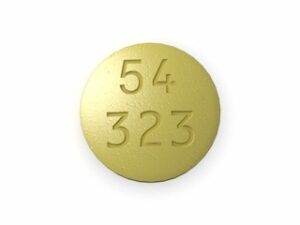
| Medicinal form | Tablets (strengths may vary by brand/product) |
| Drug group | SERM (selective oestrogen receptor modulator) |
| Main uses | Breast cancer (certain types and stages), and risk reduction in appropriate patients |
| How it works | Blocks oestrogen receptors in breast tissue while acting differently in other tissues |
| Storage | Keep at room temperature and protect from moisture (follow package instructions) |
Note: Your tablet strength and exact instructions may differ depending on your condition and treatment plan. Always follow the instructions provided with your medicine.
How tamoxifen works (mechanism of action)
Tamoxifen works by interacting with the oestrogen receptor—a protein that, in some cancers, helps cancer cells grow and survive. Tamoxifen is a SERM, meaning its effects depend on the tissue type.
- In breast tissue: Tamoxifen generally blocks oestrogen from activating its receptor, reducing signals that promote tumour growth.
- In other tissues (e.g., bone and some blood markers): it can behave like oestrogen or modify its effects, which is why tamoxifen can affect bone density and certain blood lipids.
- Overall effect: It helps control hormone-driven disease and can reduce recurrence risk in suitable patients.
Important: tamoxifen’s benefit comes from its long-term effect on oestrogen signalling, not from immediate symptom relief.
Pharmacokinetics (how your body handles tamoxifen)
Pharmacokinetics describes how tamoxifen is absorbed, processed in the body, and eliminated.
- Absorption: Tamoxifen is absorbed after oral administration (swallowed tablet). Absorption can be influenced by factors affecting the digestive system.
- Metabolism (processing): Tamoxifen is extensively processed in the liver. A key step is conversion into active metabolites, including endoxifen.
- Role of liver enzymes: Certain liver enzymes help convert tamoxifen into active forms. Variability in enzyme activity can affect how well the medicine works for some individuals.
- Half-life and duration of effect: Tamoxifen and its metabolites may remain in the body for a prolonged period, which is one reason missing doses can reduce consistent benefit.
- Elimination: Metabolites are mainly eliminated via bile and the digestive tract, and to a smaller extent through the kidneys.
Practical takeaway: Consistent daily dosing is important. Do not skip or double doses unless advised by your healthcare professional.
Typical uses and indications (what tamoxifen is used for in the UK)
In the UK, tamoxifen is used for specific hormone receptor-positive breast cancers and related preventive strategies, depending on clinical assessment and local guidance.
Common indications include:
- Breast cancer treatment in certain situations where the cancer is oestrogen receptor-positive (or likely to respond to hormone therapy).
- Adjuvant therapy (after primary treatment such as surgery, to reduce the risk of recurrence).
- Prevention of recurrence in appropriate patient groups as part of a long-term plan.
- Risk reduction for developing breast cancer in certain high-risk individuals (where recommended based on overall risk assessment).
Not suitable for every breast cancer type: Tamoxifen is used for hormone-driven disease; effectiveness depends on tumour characteristics and individual factors.
How and when to take tamoxifen (timing and routine)
Tamoxifen is taken by mouth, usually as a once-daily tablet. The exact dose and schedule should follow your prescribed instructions.
Recommended approach for daily use
- Choose a consistent time: Taking it at the same time each day helps maintain steady exposure.
- Swallow whole with water: Unless your product instructions specify otherwise.
- If you miss a dose: Take it when you remember unless it is close to the time of your next dose. Do not take a double dose to catch up.
- Continue for the planned duration: Benefit often depends on long-term use.
What if you experience side effects?
Some side effects are common early on (such as hot flushes). If side effects become troublesome or severe, contact your healthcare team. Do not stop tamoxifen without advice.
Food interactions (does food affect tamoxifen?)
In general, tamoxifen can be taken with or without food. However, food may affect absorption for some medicines.
- Consistency matters: Take it the same way each day (either always with food or always without), unless your healthcare team advises otherwise.
- If you have stomach upset: Taking tamoxifen with a meal may help reduce nausea in some people.
Grapefruit and similar products: Some medicines are affected by certain fruits that influence liver enzymes. There is no universal rule for tamoxifen, but it’s sensible to discuss grapefruit use with your pharmacist if you are unsure.
Alcohol interactions
Moderate alcohol consumption is not always strictly prohibited with tamoxifen, but alcohol can affect liver function and increase the risk of side effects such as:
- Dizziness or fatigue
- Nausea
- Sleep disturbance
Practical advice: Keep alcohol moderate, and avoid heavy drinking. If you have liver problems or experience symptoms after drinking, seek advice promptly.
Medicine interactions (important drug–drug and supplement considerations)
Some medicines can affect how tamoxifen is metabolised in the liver or influence bleeding/clotting risks. Always inform your healthcare team about all medicines you take, including over-the-counter products and herbal supplements.
Notable interaction areas to discuss
- Antidepressants (particularly some medicines used for depression and anxiety): Certain antidepressants can affect liver enzymes needed to convert tamoxifen into its active forms. This may reduce effectiveness for some patients.
- Blood thinners / anticoagulants (e.g., warfarin and similar medicines): Tamoxifen may alter clotting risk and can affect bleeding risk when combined with anticoagulants.
- Hormonal treatments (other hormone therapies): Combining may change effects and side effect profile.
- Enzyme inducers or inhibitors (some medicines for epilepsy, infections, or other conditions): These can change tamoxifen levels.
- Herbal products (e.g., St John’s wort): Herbal supplements may interact with liver metabolism.
Key message: Do not start or stop any medicine or supplement without checking first. If you are prescribed a new medicine, ask your pharmacist whether it affects tamoxifen.
Dosing (typical regimen and how dose is determined)
Tamoxifen dosing varies based on the reason you are taking it, your medical history, and other treatments. Common regimens in clinical practice may include:
- Once-daily dosing (with the total daily dose determined by the indication).
- Long-term use for adjuvant treatment or risk reduction, often spanning multiple years depending on clinical plans.
How your dose is set:
- Type and stage of cancer (or risk category)
- Whether it is used before or after other treatments
- Your age, overall health, and other medicines
- Any history of clots, bleeding issues, or gynaecological symptoms
Always follow your local instructions: Your exact dose and tablet strength should come from your treatment plan and the product label supplied by your pharmacy.
Safety profile (side effects and when to seek help)
Like all medicines, tamoxifen can cause side effects. Many are manageable, but some require urgent medical attention.
Common side effects
- Hot flushes
- Vaginal dryness or changes in discharge
- Irregular periods (in premenopausal patients)
- Nausea
- Fatigue
- Headache
- Skin changes (e.g., rash in some people)
- Changes in mood (varies by person)
Serious but less common risks
Tamoxifen can increase the risk of certain serious conditions. You should know the warning signs.
- Blood clots (thrombosis): Seek urgent help if you develop:
- Sudden shortness of breath
- Chest pain (especially when breathing)
- One-sided leg swelling or pain
- Stroke symptoms: Seek urgent help if you experience:
- Weakness or numbness on one side of the body
- Difficulty speaking
- Sudden severe headache or visual changes
- Uterine (endometrial) changes: Contact your healthcare team promptly if you notice:
- Unusual vaginal bleeding
- Pelvic pain or pressure
- Any new or persistent abnormal gynaecological symptoms
- Eye problems: Rarely, tamoxifen may affect the eyes. Seek advice if you notice:
- Sudden or worsening blurred vision
- Persistent visual disturbances
- Liver problems: Seek medical advice if you develop:
- Yellowing of skin/eyes (jaundice)
- Dark urine, severe itch, or right-sided abdominal pain
Who should take extra care?
Discuss your individual risk with your healthcare team if you have:
- A history of blood clots
- Risk factors for thrombosis (for example, certain clotting disorders, prolonged immobility, smoking, or major surgery)
- Significant liver disease
- Any history of endometrial disease or unexplained abnormal bleeding
Practical use tips (how to get the best outcome)
- Plan for hot flushes: Dressing in layers, keeping your room cool, and avoiding triggers such as spicy foods or alcohol may help.
- Use moisturisers for vaginal dryness: Non-hormonal moisturisers and lubricants can relieve discomfort. Ask your pharmacist about suitable products.
- Watch for symptoms: Keep an eye on any unusual bleeding, leg swelling, breathlessness, chest pain, or neurological symptoms.
- Maintain medication records: A simple list of your medicines and doses can be helpful when speaking to healthcare professionals.
- Inform healthcare providers: Let dentists, surgeons, and other clinicians know you take tamoxifen—especially if you are planning an operation or long travel.
- Adherence: Use a daily reminder (phone alarm, pill organiser) to reduce missed doses.
Alternative options (what else may be used)
Depending on your diagnosis, menopausal status, and treatment history, your healthcare team may consider other hormonal therapies or other cancer treatments.
Hormonal therapy alternatives may include:
- Aromatase inhibitors (often used in postmenopausal patients for hormone receptor-positive breast cancer)
- Other SERMs (depending on indication and availability)
- Additional systemic therapies (such as chemotherapy or targeted treatments) as part of an overall plan
Important: The right alternative depends heavily on tumour characteristics and your personal circumstances. Discuss options with your oncology team.
UK market and legal context (overview of how tamoxifen fits into healthcare in the UK)
In the United Kingdom, tamoxifen is an established medicine used in breast cancer services. Local prescribing is guided by evidence-based clinical pathways and national bodies that publish cancer standards and guidance for clinicians. Medicines are supplied via community pharmacies and other channels following UK medicines regulations.
In practice, this means:
- Patients are supported by clinicians and pharmacists to ensure safe use and appropriate monitoring.
- Safety considerations (such as clot risk and abnormal bleeding) are taken seriously and monitored.
- Interactions with other medicines are assessed because tamoxifen can be affected by liver enzymes and can influence clotting risk.
Recent guidance (general description): UK breast cancer management continues to emphasise appropriate hormone receptor testing, careful selection of endocrine therapy, and attention to known risks. Recommendations regarding choice of hormonal agents and management of side effects are regularly updated as new evidence emerges. Your healthcare team will apply the most up-to-date information available to your circumstances.
Delivery and availability in the UK
Availability of tamoxifen tablets can vary by brand and tablet strength. Online pharmacies in the UK typically offer:
- Check availability by tablet strength and quantity.
- Delivery options depending on your location and the pharmacy’s courier network.
- Packaging that helps protect tablets from moisture.
Delivery considerations:
- Delivery times may vary during weekends or public holidays.
- Some products may require ordering from suppliers, which can extend dispatch times.
- If your order is delayed, contact customer service for updates.
Always verify: Confirm you have the correct strength and instructions on the label before taking the first dose.
FAQ — Frequently asked questions
1) How long does tamoxifen take to work?
Tamoxifen is not designed for immediate symptom relief. Its benefits relate to long-term changes in hormone receptor signalling and cancer risk reduction. Clinical effects are assessed over time as part of a treatment plan.
2) Can I stop tamoxifen if I feel well?
Do not stop tamoxifen without advice from your healthcare team. Stopping early may reduce the intended benefit. If side effects are difficult, discuss them—there are often ways to manage symptoms while continuing therapy safely.
3) What should I do if I miss a dose?
Take the missed dose when you remember unless it is close to the next dose. Do not take two doses at the same time to make up for a missed one. If you are unsure, ask your pharmacist for advice based on your schedule.
4) Are there foods I should avoid?
Usually, there are no strict dietary prohibitions. Many people take tamoxifen with or without food. If it upsets your stomach, taking it with a meal may help. Keep your routine consistent.
5) Is it safe to drink alcohol while taking tamoxifen?
Moderate alcohol may be acceptable for some people, but heavy drinking is best avoided because tamoxifen is processed in the liver and alcohol can worsen side effects such as nausea, fatigue, and dizziness. If you notice you feel unwell after alcohol, reduce or avoid and seek advice.
6) What medicines commonly interact with tamoxifen?
Interactions can occur with certain antidepressants, anticoagulants (blood thinners), and medicines that affect liver enzymes. Herbal supplements such as St John’s wort can also interact. Always check with your pharmacist before starting new medicines or supplements.
7) What side effects are most common?
Common side effects include hot flushes, fatigue, nausea, and vaginal dryness or discharge changes. Many are manageable, and your healthcare team can advise on treatment options if they become troublesome.
8) When should I seek urgent medical help?
Seek urgent care if you develop signs of blood clots (such as sudden shortness of breath, chest pain, or one-sided leg swelling), stroke symptoms (face drooping, weakness, speech difficulty), or unusual vaginal bleeding that is new or persistent. Contact urgent services if symptoms are severe or sudden.
9) Does tamoxifen affect fertility or pregnancy?
Tamoxifen should be used with caution because it can affect hormonal balance. If pregnancy is possible, talk to your healthcare team about contraception and family planning. Seek urgent advice if pregnancy occurs.
10) Are there alternatives if I cannot tolerate tamoxifen?
Depending on your situation, clinicians may consider other hormonal therapies or different treatment combinations. Your suitability depends on factors such as menopausal status, cancer type, and risk profile.
Summary
Tamoxifen is a SERM used in the UK for certain hormone receptor-positive breast cancer treatment and prevention strategies. It works by blocking oestrogen receptors in breast tissue, supporting long-term cancer risk control. Like all medicines, it has possible side effects and important interactions—particularly with some antidepressants and blood thinners, and in relation to clot risk and unusual vaginal bleeding.
If you have questions about how to take tamoxifen, potential interactions with your current medicines, or managing side effects, your pharmacist is often the best first point of contact. Always seek urgent medical help for warning signs such as breathing difficulty, chest pain, one-sided leg swelling, stroke symptoms, or new persistent abnormal bleeding.