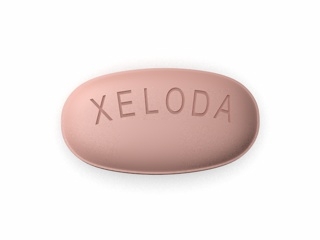
Xeloda (Capecitabine) – Patient-Friendly Guide (UK)
Xeloda is a medicine containing capecitabine. It is used to treat certain types of cancer. This page explains what Xeloda is, how it works, how it’s taken, possible side effects, practical tips, and important interactions—written for people in the United Kingdom.
Always follow the instructions given by your healthcare team. Cancer medicines can be complex, and your dosing schedule may be tailored to your condition and overall health.
1) Basic product information
| Item | Details |
|---|---|
| Medicine name | Xeloda |
| Active ingredient | Capecitabine |
| Common presentation | Oral tablets (strengths vary by product) |
| Medicine type | Antineoplastic/chemotherapy (an oral fluoropyrimidine) |
| How it’s used | Taken in treatment cycles with specific “rest” periods |
| Who prescribes/uses it | Used by oncology specialists under clinical protocols |
2) How Xeloda works (mechanism of action)
Capecitabine is designed to work more selectively in tumour tissue. It is a “prodrug”, meaning it is converted in the body into its active form.
In simplified terms, capecitabine is converted through a series of steps into a chemotherapy agent that interferes with DNA and RNA building blocks. This reduces cancer cell growth and helps control tumour progression.
- Active metabolite: 5-fluorouracil (5-FU), produced mainly in tumour tissue.
- Key effects: interrupts DNA/RNA synthesis, which cancer cells need to divide and grow.
- Why it matters: because rapidly dividing cells (like many cancer cells) are more affected.
3) Pharmacokinetics (how the body handles it)
Pharmacokinetics describes what the body does to the medicine: absorption, metabolism, distribution, and elimination. Understanding this helps explain timing and the importance of consistent dosing.
Absorption
Capecitabine is taken by mouth and absorbed through the gastrointestinal tract. Food can influence how much is absorbed, which is why meal timing is important (see “Food interactions” below).
Metabolism
Capecitabine is metabolised in the liver and other tissues into active substances. The conversion to 5-FU involves enzymes found in tumour and normal tissues.
Elimination
The medicine and its breakdown products are eliminated mainly via urine. Kidney function can therefore affect tolerance, so your team may adjust the dose if kidney function is reduced.
Variability
People differ in how they process chemotherapy. Factors such as age, kidney function, other medicines, and overall health can influence drug levels and side effects.
4) What Xeloda is typically used for in the UK
In clinical practice in the UK, capecitabine is used for several cancers, either alone or combined with other therapies. Indications may vary depending on the specific treatment plan.
Common cancer indications
- Breast cancer (including specific settings where capecitabine is used after prior therapies)
- Colorectal cancer (often in combination or specific stages as determined by oncology teams)
- Gastric (stomach) cancer and gastro-oesophageal junction cancers in certain regimens
- Other protocol-based uses where capecitabine is part of an evidence-based oncology plan
Your healthcare team will specify the exact goal of treatment (for example, adjuvant, neoadjuvant, or metastatic). If you’re unsure why you’re taking it, ask your oncology nurse or doctor.
5) Typical dosing schedule and timing
Xeloda is taken in cycles. Many regimens follow a pattern such as taking tablets for a set number of days followed by a break period (commonly described as “14 days on, 7 days off” in certain colorectal/breast protocols), but the exact schedule depends on your condition and combination therapy.
How it’s usually taken
- By mouth
- Twice daily doses are common, usually spaced about 12 hours apart
- Consistency matters: try to take each dose at similar times each day
Example (illustrative)
Many patients follow a schedule where they take capecitabine twice daily for 14 days, then have a 7-day break. However, do not rely on this as your personal plan—your clinician may prescribe a different schedule.
Swallowing and missed doses
- Swallow tablets whole with water. Do not crush or chew unless specifically instructed.
- If you miss a dose: follow the guidance given by your clinical team or the product information. In many cases, missed doses are not doubled. Contact your oncology team for advice if you’re unsure.
- If vomiting occurs soon after taking a dose: it may affect absorption. Seek advice from your healthcare team before taking an extra dose.
Because regimens are personalised, always check your printed treatment plan or dose instructions carefully.
6) Food interactions: taking Xeloda with meals
Meal timing can influence drug absorption. For many people, capecitabine is taken with food to improve tolerability and absorption consistency.
General patient guidance
- Take your doses after a meal (for example, after breakfast and after dinner), unless your healthcare team has advised otherwise.
- Try to maintain a consistent routine. If your appetite changes, speak with your oncology team rather than skipping meals and doses without guidance.
- Avoid sudden large dietary changes that affect appetite and hydration during treatment.
If you have swallowing difficulties or significant nausea, let your team know early—supportive measures may help you stay on schedule.
7) Alcohol and medicine interactions
Alcohol
There is no universal “safe” amount of alcohol during chemotherapy. Alcohol may worsen dehydration, nausea, fatigue, liver stress, and can interact indirectly with side effects such as diarrhoea or mouth irritation.
Practical advice: it’s often recommended to limit or avoid alcohol during treatment, or discuss with your oncology team what (if any) is suitable for you.
Medicine interactions
Capecitabine can interact with other medicines through effects on metabolism, blood cell counts, or gut side effects. Always provide your full medication list to your prescriber and pharmacist, including:
- Over-the-counter medicines (including cold/flu remedies)
- Herbal products and supplements
- Vitamins or “natural” therapies
- Regular pain relief and medicines for nausea
Medicines that may be relevant
The following are examples of interaction categories that clinicians often review (specific interaction risk depends on your regimen and health). Your pharmacist can check the full details for your situation.
- Warfarin and other anticoagulants: can increase bleeding risk.
- Phenytoin (for epilepsy): levels may be affected.
- Folinic acid/other fluoropyrimidine combinations: may increase toxicity.
- Leucovorin (used with some regimens): part of cancer therapy, but affects tolerability.
- Allopurinol: may affect metabolism pathways.
- Medicines affecting kidney function: dehydration and kidney strain can increase risk.
If you start any new medicine (even if it’s “just for a cold”), ask a pharmacist first.
8) Safety profile and common side effects
Like all chemotherapy, Xeloda can cause side effects. Some are common and manageable; others require urgent medical advice. Your healthcare team may prescribe supportive medicines (for example, for nausea or prevention of skin issues).
Common side effects
- Hand-foot syndrome (palmar-plantar erythrodysaesthesia): redness, swelling, pain, or peeling of skin on hands/feet
- Diarrhoea
- Nausea and sometimes vomiting
- Mouth sores or inflammation of the mouth
- Fatigue
- Loss of appetite
- Abdominal discomfort
- Skin changes
- Low blood counts (may increase infection risk, anaemia, or bruising/bleeding)
Serious or urgent side effects – seek help promptly
Contact your oncology team urgently or seek emergency help if you experience:
- Fever (especially with low white blood cells) or signs of infection
- Severe diarrhoea (for example, frequent watery stools or dehydration)
- Severe mouth sores preventing eating/drinking
- Severe hand-foot syndrome (painful swelling, blistering, or skin breakdown)
- Uncontrolled vomiting or inability to keep fluids down
- Bleeding
- Breathing problems, chest pain, or severe allergic-type reactions
Side effect severity can change over time. Early reporting helps clinicians adjust dose and supportive care to keep you safe.
9) Practical tips for using Xeloda safely
1. Protect your skin (hand-foot syndrome prevention)
- Keep hands and feet moisturised using recommended emollients.
- Avoid friction and pressure (tight shoes, heavy lifting that stresses hands/feet).
- Use gentle washing and avoid very hot water.
- If symptoms start (tingling, redness), report early—dose adjustments may prevent worsening.
2. Manage diarrhoea early
- Start supportive measures as advised by your team at the first sign of diarrhoea.
- Maintain hydration (water, oral rehydration solutions if recommended).
- Avoid alcohol and foods that worsen diarrhoea (spicy, greasy foods) while you recover.
3. Mouth care
- Use a gentle toothbrush and alcohol-free mouthwash if advised.
- Report mouth sores early—treatments can reduce pain and help you eat.
- Stay hydrated; take small, frequent sips if your mouth is sore.
4. Fatigue and infection prevention
- Plan rest periods; ask for help with heavy tasks.
- Monitor for infection symptoms and attend blood tests.
- Avoid close contact with people who have contagious infections where possible.
5. Keep a treatment diary
- Record the dose dates/times, side effects, and any missed doses.
- This helps your team adjust your plan more accurately.
10) Dose adjustments and monitoring
During treatment, your oncology team will monitor blood counts and may assess kidney and liver function. Dose adjustments are common if side effects occur.
Important: do not change your dose yourself. Adjustments should be guided by clinical monitoring and toxicity severity.
Monitoring typically includes
- Blood tests (full blood count and kidney function)
- Assessment of symptoms (skin, bowel, mouth, appetite, energy)
- Review of other medicines and hydration status
11) Who should take extra care?
Your clinician may consider extra caution or tailored dosing if you have:
- Reduced kidney function
- Significant liver impairment
- History of severe reactions to fluoropyrimidines (including 5-FU–related toxicity)
- Gastrointestinal conditions that increase risk of diarrhoea
- Older age or frailty, where tolerability may differ
12) Alternative options (discuss with your specialist)
“Alternative” depends on the cancer type, stage, previous treatments, and your health profile. In general, oncology teams may consider chemotherapy options, targeted therapies, or immunotherapies depending on tumour characteristics.
Examples of alternatives (not a complete list)
- Other fluoropyrimidines or related chemotherapy regimens
- Intravenous chemotherapy options used for similar cancers
- Targeted therapies or immunotherapy where appropriate to tumour markers
- Radiotherapy and surgery in selected curative or localised situations
If you are considering alternatives due to side effects or preferences, ask your oncology team about the most suitable options for your exact diagnosis.
13) UK market and legal/regulatory context (overview)
In the United Kingdom, medicines used for cancer are regulated and provided through established healthcare pathways. Cancer medicines may be distributed via NHS services and specialist supply arrangements.
The product availability and how patients access it can depend on:
- Local NHS commissioning and hospital formularies
- Specialist oncology prescribing pathways
- Licensed indications and clinical guidance
- Safety monitoring requirements
Your pharmacist can help explain how supply works for your region and treatment plan.
14) Recent guidance and clinical updates (high-level)
Oncology guidance evolves as new evidence emerges. For capecitabine, key clinical focus areas typically include:
- Optimising dose based on toxicity and patient fitness
- Managing common toxicities (such as diarrhoea and hand-foot syndrome) early
- Careful monitoring of kidney function and blood counts
- Drug interaction review before starting additional medicines
In practice, your oncology team will follow current national and international treatment standards, and they may update supportive care recommendations for side effect prevention and treatment.
15) Delivery, availability, and how to receive your medicine
Availability and delivery can vary depending on stock status, your location, and the required supply arrangements. If you are using an online pharmacy service in the UK, typical expectations include:
- Ordering process: you may be asked to confirm key details relevant to safe supply.
- Packaging: tablets are usually supplied in tamper-evident packaging.
- Delivery timing: dispatch times can vary; check service terms for estimated delivery windows.
- Tracking: many services provide tracking updates.
If your treatment schedule is time-critical, plan ahead and speak with the pharmacy if you’re running low. Interrupting chemotherapy without advice can affect treatment outcomes.
16) Storage and handling
- Store tablets according to the instructions on the package.
- Keep out of sight and reach of children.
- Do not use after the expiry date shown on the pack.
- If your household includes children or pets, take extra care with storage.
If tablets are damaged or appear unusual, do not take them—contact your pharmacy for advice.
17) FAQ about Xeloda (capecitabine) for patients in the UK
How long does Xeloda treatment last?
Treatment is given in cycles, and the total duration depends on the cancer type, stage, response to treatment, and tolerability. Your oncology team will outline your cycle schedule.
Can I take Xeloda with food?
Many regimens advise taking capecitabine after meals to support absorption and reduce gastrointestinal discomfort. Follow your specific instructions provided with your treatment plan.
What is hand-foot syndrome?
Hand-foot syndrome is a common side effect of capecitabine. It can include redness, swelling, pain, tingling, or peeling of the skin on the palms and soles. Tell your team early—supportive measures can help and dose adjustments may be needed.
What should I do if I get diarrhoea?
Report diarrhoea promptly. Follow your oncology team’s instructions and focus on hydration. Severe or persistent diarrhoea can require urgent medical assessment.
Can I drink alcohol during treatment?
Alcohol is not routinely recommended during chemotherapy because it may worsen side effects and hydration. Discuss with your oncology team for personalised advice.
Are there medicines I should avoid?
Many drug interactions are possible. Always tell your pharmacist and oncology team about all medicines and supplements you take, including over-the-counter products and herbal remedies.
What happens if I miss a dose?
Missing doses can affect treatment. The approach depends on how late it is and your schedule. Do not double doses unless your clinician or pharmacist specifically instructs you. Contact your healthcare team if you’re unsure.
Will I need regular blood tests?
Yes. Blood tests help monitor for low blood counts and check kidney function so the team can manage safety and adjust dosing if needed.
When should I seek urgent help?
Seek urgent advice for fever or signs of infection, severe diarrhoea, uncontrolled vomiting, severe mouth sores, severe hand-foot syndrome, bleeding, or breathing/chest symptoms.
What are common early warning signs that my dose might be too much?
Early warning signs can include worsening diarrhoea, increasing redness or pain in hands/feet, mouth sores that prevent eating or drinking, or signs of infection. Early reporting gives your team the best options to adjust treatment and supportive care.
Summary
Xeloda (capecitabine) is an oral chemotherapy medicine used in the UK for certain cancers. It works by disrupting DNA/RNA processes in cancer cells after being converted in the body to active forms. It is usually taken in cycles and often requires careful attention to timing with meals, hydration, side effect management, and medicine interactions. If you experience significant side effects—especially diarrhoea, mouth sores, hand-foot syndrome, or symptoms of infection—contact your oncology team promptly.