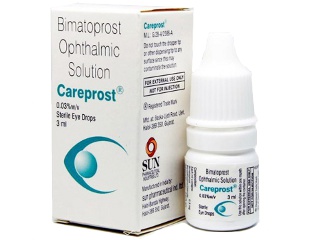
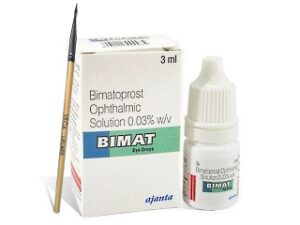
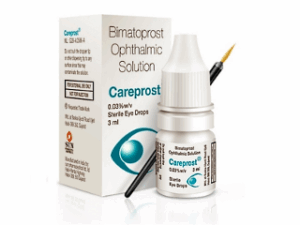
Careprost (Bimatoprost) – Patient Information (UK)
Careprost contains bimatoprost, a medicine used to lower pressure inside the eye (intraocular pressure). It is commonly prescribed for certain types of glaucoma and for reducing eye surface and cosmetic appearance concerns related to eyelashes.
This page explains how Careprost works, how it is used, what to expect, and important safety information for people in the United Kingdom.
1) Basic Product Information
| Category | Details |
|---|---|
| Active ingredient | Bimatoprost |
| Medicine type | Prostaglandin analogue (eye drops) |
| Typical forms | Ophthalmic solution (often as 0.03% bimatoprost in many markets) |
| What it treats | Raised intraocular pressure (glaucoma/ocular hypertension) and some lash-related indications (depending on product registration) |
| How it’s used | Once daily in the affected eye(s) at the same time each day |
Important: Always check the exact strength and directions on your own pack. Different products may have different concentrations and indications.
2) Indications: What Careprost is used for
Careprost is used to help reduce intraocular pressure. Lowering eye pressure can help slow the progression of optic nerve damage in people with glaucoma or ocular hypertension.
In some regions and product versions, bimatoprost eye drops are also used to improve the appearance of eyelashes (for example, by increasing length/thickness). Availability and approved indications can vary by product and regulatory status in the UK—your pharmacist or prescriber will confirm what your specific product is intended for.
- Glaucoma (open-angle glaucoma) and certain other glaucoma types
- Ocular hypertension (raised eye pressure without glaucoma)
- May also be used for lash-related indications depending on the licensed use of the specific product in the UK
3) Mechanism of Action (How it works)
Bimatoprost is a prostaglandin analogue. It lowers intraocular pressure by improving the drainage of fluid (aqueous humour) from inside the eye.
In practical terms, bimatoprost:
- Increases outflow through the eye’s natural drainage pathways.
- Helps reduce pressure gradually, which can protect the optic nerve over time.
4) How fast does it work? Typical timing
Response can vary between individuals, but many people notice the effect on eye pressure within:
- Several hours after the first dose
- Within days for more stable lowering
For glaucoma management, consistent daily use is usually needed to maintain benefit. Do not stop early even if you feel well—glaucoma often has no symptoms but can still progress.
5) Dosing and Administration (UK patient guidance)
Typical use of bimatoprost eye drops is:
- Once daily in the evening (many regimens recommend dosing at night)
- In the affected eye(s)
Follow your specific label instructions. The common approach is to use one drop per affected eye.
Step-by-step: how to use Careprost eye drops
- Wash your hands.
- If you wear contact lenses, follow the guidance in the “Practical tips” section below.
- Tilt your head back and gently pull down the lower eyelid to form a small “pocket”.
- Hold the bottle above the eye and apply one drop into the pocket.
- Close your eye and press gently on the inner corner of the eye (near the nose) for about one minute if this is suitable for you. This can reduce drainage into the bloodstream.
- Wipe away any excess liquid with a clean tissue.
- Repeat only if instructed for the other eye.
Missed dose
- If you forget a dose, apply it as soon as you remember.
- If it is nearly time for your next dose, skip the missed dose and continue with your usual schedule.
- Do not use double doses to make up for a missed one.
Do not increase frequency
Using more often than directed is not usually recommended. Overuse may increase side effects, without providing extra benefit.
6) Mechanistic and clinical pharmacokinetics (what happens in the body)
Pharmacokinetics describes how the body absorbs, distributes, metabolises, and eliminates a medicine.
For bimatoprost used as eye drops:
- Absorption: It is primarily delivered locally to the eye. Some absorption can occur through ocular tissues and the eye’s drainage system.
- Distribution: After absorption, it may reach systemic circulation at low levels.
- Metabolism: It is broken down in the body through metabolic pathways that typically involve processing by enzymes and tissues.
- Elimination: The medicine and its metabolites are removed from the body mainly via excretion (for example, through kidneys).
In general, systemic exposure from eye dosing is considered low compared with many oral medicines, but side effects can still occur, so safety monitoring remains important.
7) Food interactions
Food is not expected to significantly affect bimatoprost eye drop action because the medicine is applied to the eye and acts locally.
- You can typically take your usual meals and drinks without changing your Careprost schedule.
- If you’re using other eye drops, follow the spacing advice in the “Practical use tips” section.
8) Alcohol interactions
There are no widely recognised direct alcohol–bimatoprost interactions. Because systemic absorption from eye drops is generally low, alcohol is unlikely to have a major effect on the medicine’s eye-pressure lowering action.
However, alcohol may worsen dry eye or eye irritation in some people, which could make side effects more noticeable (such as redness, stinging, or discomfort).
- If you notice increased irritation after alcohol, consider reducing intake and discuss symptoms with a healthcare professional.
9) Medicine interactions (including other eye drops)
Overall, significant interactions are not expected for most people using bimatoprost correctly as an eye drop. Still, medicines can interact indirectly—especially when multiple eye drops are used.
Other eye drops
- Use separate drops 5–10 minutes apart unless your clinician has instructed otherwise.
- Do not mix bottles or touch the dropper tip to your eye.
Possible interaction considerations
Inform your pharmacist or clinician if you use:
- Other glaucoma medications
- Eye medicines for inflammation or allergy
- Any medicines that affect hormone pathways
Your clinician will advise whether to keep, adjust, or combine therapies.
10) Safety profile: common and serious side effects
Like all medicines, Careprost can cause side effects. Many are mild and limited to the eye, but some may be persistent.
Common side effects
- Redness of the eye
- Itching or irritation
- Dry eye or discomfort/burning sensation
- Light sensitivity in some people
- Changes to eyelash appearance (often increased length, thickness, and darker colour)
- Possible darkening of the skin around the eyes
- Change in iris colour (usually gradual and may be permanent). This is more noticeable in people with mixed-colour eyes.
Less common but important risks
- Swelling around the eye (periorbital oedema)
- Conjunctival inflammation (inflammation of the eye’s surface)
- Corneal effects in people with risk factors (for example, if there is existing corneal disease)
- Worsening of certain eye conditions (rare, but important to evaluate)
When to seek urgent advice
Contact urgent medical care or your eye care team promptly if you experience:
- Severe eye pain
- Sudden worsening of vision or significant blurred vision
- Marked swelling of the eyelids
- Severe redness not improving
- Signs of infection (for example, heavy discharge, significant pain, or fever)
General precautions
- Use the correct dose. More drops than prescribed can increase side effects.
- Do not share the bottle with others.
- Discuss with your clinician if you have a history of corneal problems, eye inflammation, or eye surgery.
11) Practical use tips (to get the best results and reduce irritation)
Contact lenses
- If you wear contact lenses, you should check your product label. Many prostaglandin analogue drops require removing lenses before use.
- A common recommendation is to remove lenses before instilling the drop and wait before reinserting (often around 15 minutes), but follow your local guidance and product instructions.
Spacing with other eye medicines
- Wait 5–10 minutes between different eye drops.
- If you also use an ointment, usually apply it after drops.
Prevent contamination
- Do not let the bottle tip contact your eye or eyelashes.
- Replace the cap immediately after use.
- Use good hygiene—wash hands before and after.
Managing mild stinging or redness
- Ensure correct technique so the drop goes onto the eye surface rather than the eyelid.
- Consider using lubricating eye drops only if recommended and spaced appropriately from Careprost.
- Report persistent irritation to your eye care team.
What to expect with eyelash and iris changes
Some people notice changes in eyelashes (often beneficial cosmetically). Iris colour changes may occur gradually and can be permanent. If you notice meaningful colour changes or you have concerns, discuss them with your clinician.
12) Alternative options for lowering eye pressure
If Careprost is not suitable or is causing side effects, there are other treatment options. Alternatives may include different classes of glaucoma medicines or laser/surgical strategies.
Other eye drop options (examples)
- Prostaglandin analogues (similar class; individual tolerability varies)
- Beta-blockers (reduce fluid production)
- Alpha agonists (reduce production and increase drainage)
- Carbonic anhydrase inhibitors (reduce fluid production)
Non-drop options
- Laser therapy (for selected glaucoma types)
- Surgery (when pressure cannot be controlled sufficiently)
Your eye care professional can help you choose the most appropriate option based on your diagnosis, eye health, and response to treatment.
13) UK market and legal context (high-level information)
In the United Kingdom, medicines including eye drops are subject to regulation for safety, quality, and supply. Bimatoprost products may have specific regulatory status depending on the manufacturer, brand, concentration, and intended use (glaucoma vs cosmetic lash-related claims).
For customers in the UK:
- Only obtain medicines from reputable, regulated suppliers.
- Check the pack label for the exact active ingredient (bimatoprost), concentration, and instructions.
- Do not use medicines that appear damaged, expired, or incorrectly labelled.
If you have questions about whether a product is suitable for your intended use in the UK, ask your pharmacist or eye care professional.
14) Recent guidance and monitoring (what to watch)
Guidance for glaucoma treatment typically emphasises:
- Regular eye checks (including pressure measurements and optic nerve assessment)
- Adherence to once-daily dosing schedules
- Monitoring side effects such as redness, inflammation, and changes to the eyelids or iris
Because glaucoma can progress without symptoms, continued follow-up is important even if the eye feels normal.
15) Delivery and availability (UK online pharmacy)
Availability can vary depending on supplier and stock levels. Many UK online pharmacies provide:
- Fast dispatch once orders are confirmed
- Tracked delivery where offered
- Clear product packaging information on the listing page
Storage: Keep the bottle according to the pack instructions, typically at room temperature and away from heat and direct sunlight.
Do not use the medicine after the expiry date on the pack.
Note on bottle opening: Some eye drops have a limited “use after opening” period. Check your specific product label for the correct guidance.
16) FAQ – Frequently asked questions
Is Careprost safe for everyone?
Most people can use bimatoprost safely when used correctly. However, safety depends on your personal eye history (such as corneal disease or previous eye inflammation), your other medicines, and how sensitive your eyes are. If you have any eye conditions, discuss them with your clinician or pharmacist.
How long does it take to lower eye pressure?
Many people see improvement within hours to days, but steady effect and monitoring are assessed over time. Continue using it daily for best results.
Why do I need to use it every day?
Glaucoma and ocular hypertension often require ongoing pressure control. The medicine helps maintain lower eye pressure; stopping can allow pressure to rise again.
What if I miss a dose?
Use it as soon as you remember unless it is nearly time for the next dose. Do not use double doses.
Can I use Careprost with other eye drops?
Yes, many people do. Keep at least 5–10 minutes between different eye drops unless your clinician tells you otherwise.
Will it change my eyelashes?
It commonly causes eyelash changes such as increased length, thickness, and darker colour. This is a known effect of bimatoprost.
Will it change my iris colour?
Some people may experience gradual iris darkening. This is generally more noticeable in mixed-colour eyes and may be permanent. Report concerns to your eye care team.
What should I do if my eyes become very red or painful?
Mild irritation can occur, but severe pain, worsening redness, swelling, or vision changes need prompt assessment. Seek urgent advice from an eye care professional.
Can I drink alcohol while using Careprost?
Alcohol is not known to directly interact with bimatoprost. However, it may worsen dry eye or irritation in some people.
Do I need to avoid certain foods?
No specific food restrictions are typically required with bimatoprost eye drops.
How should I store Careprost?
Store it according to the pack instructions. Keep it away from heat and sunlight and check for the expiry date and any “use after opening” time limits.
17) Summary: key points to remember
- Careprost (bimatoprost) helps reduce intraocular pressure by improving eye fluid drainage.
- It is usually used once daily in the evening.
- Common side effects include redness, irritation, and eyelash changes.
- Seek urgent help for severe pain, sudden vision changes, or significant swelling.
- Use correct technique, space other drops by 5–10 minutes, and follow contact lens guidance.