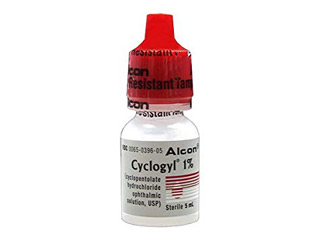
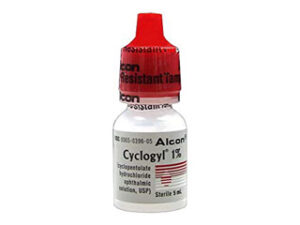
Cyclogyl (Cyclopentolate) Eye Drops — Patient Guide (UK)
Cyclogyl is a brand of cyclopentolate, an eye drop medicine used to dilate the pupil and paralyse focusing temporarily. This helps clinicians examine the eye and, in some cases, manage certain eye conditions by reducing spasm of accommodation.
This guide explains how Cyclogyl works, what it’s used for, when it may be given, practical tips for using eye drops, common side effects, and important safety information relevant to the United Kingdom.
Quick product information
| Category | Details |
|---|---|
| Active ingredient | Cyclopentolate |
| Medicinal form | Eye drops (ophthalmic solution) |
| Common purpose | Pupil dilation (mydriasis) and “blurring” from stopping focusing (cycloplegia) |
| Typical onset | Often within 15–30 minutes (varies by person/age) |
| Typical duration | Usually several hours; may last longer in children or with higher doses |
| Colouring/appearance | Usually clear; do not use if discoloured or particulate matter is present |
How Cyclogyl works (mechanism of action)
Cyclogyl contains cyclopentolate, an antimuscarinic (anticholinergic) medicine. It blocks muscarinic receptors in the eye, leading to:
- Mydriasis: dilation of the pupil by relaxing the iris muscle that constricts the pupil.
- Cycloplegia: temporary paralysis of the ciliary muscle, reducing the eye’s ability to focus up close.
By stopping focusing, cyclopentolate helps ensure an accurate refraction measurement (assessment of glasses/contact lens needs) and allows clinicians to view the back of the eye more clearly.
Pharmacokinetics (what happens in the body)
After instilling eye drops, cyclopentolate acts mainly locally in the eye. Some absorption can occur through the eye’s surface and nasal passages.
- Absorption: part of the dose may enter the body via the nasolacrimal drainage system, especially if drops are not followed by punctal occlusion (see “Practical use tips”).
- Distribution: once absorbed, anticholinergic effects can occur elsewhere in the body, particularly in children or if excess is absorbed.
- Metabolism: processed in the liver via metabolic pathways typical of anticholinergic drugs.
- Elimination: primarily via urine and other routes depending on age and overall health.
In practice, the dominant clinical effect is local (pupil dilation and temporary blurred near vision), which is why the main “pharmacokinetic concern” for patients is often eye-related timing and systemic absorption in young children.
Typical use in the UK
Cyclogyl is commonly used in eye care settings to support examinations and assessments, for example:
- Eye examinations where a dilated view of the retina is needed.
- Refraction testing to assess glasses prescription accurately.
- Management of certain focusing-related problems as advised by a clinician (depending on the condition and age group).
Your clinician or optometrist may tailor the choice, timing, and number of drops based on age, eye condition, and the purpose of the examination.
When the effects start and how long they last (timing)
Timing can vary based on:
- Age (children often experience stronger/longer effects)
- Eye characteristics
- Dose and whether drops were repeated
- Whether drops were properly applied and any excess was minimised
As a guide:
- Start of effect: often within 15–30 minutes
- Peak effect: may occur after about 30–60 minutes
- Near vision blur: commonly lasts several hours
- Light sensitivity: may persist until the pupil returns closer to normal size
If you’re having a test, plan for reduced near vision. For children, arrange help and avoid outdoor bright sunlight for a period after dosing unless advised otherwise.
Indications (when Cyclogyl may be used)
Cyclogyl may be used to achieve cycloplegia and/or mydriasis for diagnostic and therapeutic purposes that require pupil dilation and reduced focusing. In the UK, it is used in accordance with clinical practice and product information to:
- Enable detailed examination of the eye (including retinal view).
- Provide cycloplegic refraction in certain patients (often children) to improve assessment of refractive errors.
- Support management plans where temporary focusing control is considered beneficial, as determined by a clinician.
Use depends on individual patient factors such as age, eye health, and suitability for anticholinergic medicines.
Dosing (general information)
Dosing regimens vary by the reason for use and the patient’s age and response. Always follow the dosing instructions provided by the healthcare professional or the pack directions.
In general terms, eye care professionals may use:
- Single or repeated drops to achieve the required degree of cycloplegia/midriasis.
- Adjusted dosing in children because they can be more sensitive to systemic effects.
Important: Do not increase the dose or frequency to “make it work faster”. If the effect is inadequate for an examination, the clinician will decide on further steps rather than you repeating doses yourself without advice.
Food interactions
Cyclogyl is an eye drop, so direct interactions with food are not typically expected. However, anticholinergic effects can affect comfort and, rarely, systemic symptoms if absorption occurs. Eating is not usually a factor for safe use.
For children, it can be helpful to avoid very large meals right before an appointment if they may become unwell from sensitivity or systemic absorption—this is more about comfort than a true “food interaction”.
Alcohol and medicine interactions
Alcohol
Because Cyclogyl is used locally in the eye, alcohol does not usually have a direct interaction. That said, if you experience side effects such as blurred vision or feeling unwell, alcohol may make you less able to notice dizziness or impair your ability to drive/perform tasks safely.
- Avoid driving or operating machinery until vision and pupil size return closer to normal.
- If you feel light-headed or unwell after dosing, avoid alcohol and seek advice if symptoms persist.
Other medicines (possible interaction considerations)
Cyclopentolate is an anticholinergic medicine. Medicines with anticholinergic effects may theoretically add to side effects, especially if systemic absorption occurs.
Tell your clinician/optometrist if you or your child uses any medicines, including:
- Other anticholinergic medicines (some medicines for overactive bladder, travel sickness, certain allergy/cold products, and some mental health medicines)
- Medicines that affect heart rate
- Medicines that can cause sedation or blurred vision
Even if no interaction occurs, your clinician may choose a dose carefully to reduce the risk of systemic side effects—particularly in children and those who are sensitive.
Safety profile: side effects and who needs extra caution
Common and expected eye effects
The intended effects—pupil dilation and cycloplegia—naturally cause:
- Blurred near vision
- Light sensitivity (photophobia)
- Difficulty reading and focusing up close
- Temporary visual changes
Other possible side effects
Depending on dose, age, and sensitivity, you may experience:
- Redness or mild irritation of the eye
- Tearing or discomfort
- Dry mouth (more concerning if absorption occurs)
- Fast heartbeat or palpitations
- Dizziness
- Headache
Systemic effects in children (important)
Children can be more prone to anticholinergic systemic effects. Seek urgent medical advice if a child develops severe symptoms such as:
- Unusual sleepiness, confusion, or severe agitation
- Fever or flushed skin
- Markedly fast heartbeat
- Breathing difficulties
- Persistent vomiting or inability to settle
When Cyclogyl may not be suitable (contraindications and caution)
Cyclopentolate should be used with caution and may be unsuitable in some situations. Speak to a healthcare professional before use if you have:
- Known narrow-angle glaucoma or risk of angle-closure glaucoma
- Hypersensitivity to cyclopentolate or any ingredient
- Certain heart rhythm conditions where anticholinergic medicines might be risky
Your clinician can assess eye anatomy and history before choosing pupil-dilating drops.
Driving and work safety
Cyclogyl often causes glare and reduced ability to focus, particularly for near tasks. In the UK, the practical advice is:
- Do not drive until your vision is clear enough for safe driving.
- Wear sunglasses outdoors to reduce glare and discomfort.
- Be cautious with ladders, cooking, or tasks requiring fine focus.
Practical use tips (to get the right effect and reduce absorption)
If Cyclogyl is supplied for use at home (for example, when directed by a clinician), the following steps can improve effectiveness and reduce systemic side effects:
- Wash your hands.
- Check the drop: ensure it is not out of date and looks normal.
- Position: tilt your head back and gently pull down the lower eyelid to form a small “pocket”.
- Instil one drop into the affected eye(s) without touching the dropper tip to the eye.
- Close your eyes gently for about 1–2 minutes (avoid squeezing hard).
- Punctal occlusion: press lightly on the inner corner of the eye (near the nose) for 1–2 minutes to reduce drainage into the nose and bloodstream.
- Wipe away excess with a clean tissue.
Contact lenses: If you wear contact lenses, ask your clinician or pharmacist whether they should be removed before using Cyclogyl. Many pupil-dilating drops are used with lenses removed because the lens can absorb ingredients and the eye may be more sensitive.
Eye makeup: Avoid applying eye makeup until the effect settles and the eye feels comfortable.
Missed dose
If you are using Cyclogyl as part of a planned regimen, and a dose is missed, follow the guidance you were given. In general, for eye drops, you should not “double up” without advice—especially in children—because higher dosing can increase side effects.
Overdose and emergency advice
Using more than recommended can increase the risk of systemic anticholinergic effects. If too many drops were used, seek medical advice promptly, especially for children.
If severe symptoms occur (for example, severe agitation, fever, breathing problems, fainting), contact emergency services or seek urgent care.
Alternative options
Depending on the purpose (pupil dilation, cycloplegic refraction, retinal examination), clinicians may consider other medicines. Alternatives may include:
- Other cycloplegic agents used for refraction (choice depends on age and medical history)
- Other mydriatic drops for dilation
- Non-pharmacological approaches for some assessments (for example, different imaging methods), though pupil dilation may still be needed
The “best” alternative depends on the patient’s age, condition, and the clinical goal. Your optometrist/ophthalmologist can advise what is most appropriate.
Market and legal context in the UK (what you may notice online)
In the UK, medicines are regulated by the Medicines and Healthcare products Regulatory Agency (MHRA). Eye medicines like Cyclogyl are subject to product licensing, safety monitoring, and supply rules.
Online availability may differ by:
- Strength and formulation
- Whether the product is classified as a medicine that requires professional involvement (classification can affect how and by whom it can be supplied online)
- Pack size and storage requirements
A reputable UK pharmacy will show relevant information such as manufacturer details, batch/expiry information, and appropriate instructions.
Recent guidance and clinical practice (general)
Clinical practice for cycloplegic drops continues to emphasise:
- Age-appropriate dosing to reduce risk of systemic effects in children.
- Minimising systemic absorption through punctal occlusion (pressing the inner eye corner).
- Glaucoma risk screening prior to mydriatic use, where relevant.
- Clear advice about visual impairment and light sensitivity after instillation.
If you’re using Cyclogyl for an examination, it is reasonable to ask the clinic what to expect after dosing and how to manage glare and blurred vision.
Delivery, availability, and storage (UK)
Availability online depends on the specific product listing and current stock levels. When ordering:
- Delivery times vary by pharmacy and carrier; check the estimated delivery window at checkout.
- Cold-chain is usually not required for typical cyclopentolate eye drops, but always follow the pack storage instructions.
- Keep out of sight and reach of children.
- Protect from light if the pack instructs this.
Do not use eye drops after the expiry date on the carton or bottle. If the seal is broken or the solution looks unusual, do not use it.
FAQ
1) What does Cyclogyl do to my vision?
Cyclogyl dilates your pupils and temporarily stops your eye’s focusing ability. This usually causes blurred near vision and increased sensitivity to light. Distance vision may also be affected, especially in bright conditions.
2) How long will the blurred vision last?
Many adults improve within several hours, but in children or with repeat dosing it can last longer. Plan for reduced vision for the rest of the day where possible.
3) Can I use Cyclogyl if I wear glasses or contact lenses?
You can usually wear glasses. For contact lenses, ask the pharmacist/clinician whether you should remove them before using Cyclogyl and when it’s safe to reinsert them after effects wear off.
4) Will Cyclogyl affect both eyes?
It depends on how it is prescribed or directed. Eye drops can be used for one or both eyes. Use only the number of drops and eyes instructed.
5) Can I drive after using Cyclogyl?
In most cases, you should not drive until your vision is clear and you can focus comfortably. Because pupils may remain dilated and vision may be blurry, driving soon after instillation can be unsafe.
6) What should I do if I accidentally get Cyclogyl in my mouth or on my skin?
Rinse the affected area with water. If a large amount is swallowed or a child becomes unwell, seek medical advice promptly.
7) Are there any food interactions?
Direct food interactions are not expected with eye drops. However, comfort and side effects (like dry mouth) may be noticeable; eating is not usually an issue.
8) What if a child seems unusually drowsy or agitated after Cyclogyl?
This could be an excessive systemic response. Contact urgent medical advice immediately, especially if symptoms are severe (fever, fast heartbeat, confusion, breathing difficulty).
9) Can Cyclogyl be used with other medicines?
Many medicines can be used safely, but Cyclopentolate has anticholinergic properties. Tell your clinician or pharmacist about all medicines (including cold/flu products, allergy tablets, and travel sickness remedies) to reduce the risk of additive side effects.
10) Where can I get the most accurate advice for my situation?
Your optometrist, ophthalmologist, or pharmacist can advise based on your age, eye health, and the reason for Cyclogyl. If you’re unsure about suitability or expected duration of effects, ask before using.