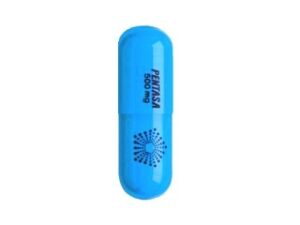
Zantac (Ranitidine) – Patient Guide (UK)
Zantac contains ranitidine, a medicine used to reduce stomach acid. It is commonly used for short-term relief of symptoms caused by acid reflux and indigestion. This page explains how Zantac works, when to take it, common interactions, and practical tips for safe use in the United Kingdom.
Important note: Availability of ranitidine-containing products may be affected by recent regulatory and safety guidance in the UK and other countries. Before ordering or using Zantac, check current availability on the pharmacy site and follow the advice of your pharmacist or prescriber.
1. Basic product information
- Brand name: Zantac
- Active ingredient: Ranitidine
- Uses: Reduces stomach acid to relieve symptoms such as heartburn and indigestion
- Common formulation: Tablets (strength varies by product)
- How it’s supplied: Typically available through pharmacy supply depending on local policy and product status
- Manufacturer/packaging: Varies by supplier and packaging type
Always read the leaflet inside the pack for the exact strength and directions for that specific product.
2. How Zantac works (mechanism of action)
Ranitidine is an H2 receptor antagonist. It works by blocking histamine receptors (H2 receptors) on acid-producing cells in the stomach. Histamine normally stimulates these cells to produce acid. By reducing this stimulation, ranitidine helps:
- Lower the amount of stomach acid produced
- Reduce symptoms related to acid reflux
- Help relieve pain/burning associated with indigestion
The medicine does not “neutralise” acid instantly like some antacids. Instead, it reduces acid production, which is why taking it at the right time matters for symptom relief.
3. Pharmacokinetics (what happens in the body)
While individual responses vary, the general pattern is:
- Absorption: Ranitidine is absorbed from the gut after oral dosing.
- Onset: Symptoms may improve within a relatively short time after taking a dose, with effect depending on timing and the condition being treated.
- Distribution: The medicine distributes through the body, including into tissues where acid regulation is relevant.
- Metabolism: It is broken down (metabolised) in the body.
- Elimination: The medicine and its metabolites are mainly cleared by the kidneys.
People with kidney problems may have higher levels for longer periods and may need dose adjustments. If you have kidney disease, speak to a healthcare professional before using ranitidine.
4. Typical uses in the UK
Zantac is used to relieve symptoms linked to excess stomach acid. Common reasons include:
- Heartburn (burning feeling behind the breastbone)
- Indigestion and discomfort related to acid
- Acid reflux symptoms, including those that occur after meals
- Symptomatic relief in conditions where reducing acid helps (as advised by a clinician)
Some people use H2 blockers like ranitidine for night-time symptoms. However, ongoing or severe symptoms should be assessed, especially if they persist.
5. Indications (when it may be appropriate)
Indications are based on the condition and how symptoms are affected by stomach acid. Ranitidine may be used for:
- Gastro-oesophageal reflux symptoms (for example heartburn and acid regurgitation)
- Symptoms of dyspepsia (indigestion) where acid is a likely contributor
- Occasional acid-related symptoms where short-term acid reduction is desired
If you have frequent symptoms (for example, most days), symptoms that wake you at night, trouble swallowing, unexplained weight loss, vomiting blood, or black/tarry stools, you should seek medical advice promptly.
6. Dosing and timing
The correct dose depends on the specific product strength, age, and the reason you’re taking it. The pack leaflet provides the exact dosing instructions.
Common approach (general information):
- For symptoms related to acid reflux/indigestion, dosing is often taken once or twice daily, depending on symptom pattern.
- If symptoms are worse at night, a night-time dose may be used.
- If symptoms mainly occur after meals, dosing may be taken before meals (timing guidance is below).
Do not exceed the maximum daily dose stated on the product packaging/leaflet. If symptoms do not improve, or if you need to take it regularly for more than a short period, consult a pharmacist or healthcare professional.
Timing guidance
- For reflux/heartburn: taking a dose before or after meals may help depending on when your symptoms usually start.
- For night-time symptoms: taking it in the evening (as directed) can help cover overnight acid production.
- For intermittent symptoms: follow the schedule recommended on the label for the intended duration.
If you have a predictable pattern (e.g., heartburn after late meals), timing the dose according to your usual symptom triggers can improve effectiveness.
7. Food interactions and absorption
Food can influence how quickly a medicine starts working. For ranitidine, the effect of meals on symptom relief can vary by person and the type of symptoms.
- General advice: you can often take ranitidine with or without food, but follow the instructions in the leaflet for your specific product.
- If you experience reduced effectiveness: consider whether your dose timing matches your symptom pattern (e.g., taking before the meal when symptoms typically begin).
- Avoid very heavy or late meals: diet and meal timing can strongly affect reflux symptoms.
There are also medicine-specific interactions where food can affect absorption (see section on interactions below).
8. Alcohol and medicine interactions
Alcohol
Alcohol can worsen acid reflux and heartburn in some people. Even though there is no single universal rule, drinking alcohol may increase the likelihood of symptoms returning. If you notice your heartburn worsens after alcohol, consider reducing or avoiding it.
Interactions with other medicines
Ranitidine may change stomach acidity, which can affect how certain medicines are absorbed. It can also interact through effects on the liver enzymes involved in drug metabolism. Not all interactions apply to everyone, so it’s important to check your medicines.
Common interaction considerations include:
- Medicines that require an acidic environment to absorb well (e.g., some antifungal medicines such as ketoconazole, and certain HIV medicines). Reduced acid may reduce absorption.
- Medicines affected by changes in stomach pH (absorption can be higher or lower depending on the drug).
- Warfarin or other medicines that affect blood clotting: monitoring may be needed if you start/stop acid-reducing treatment.
- Drugs cleared by the kidneys: if you have kidney impairment, levels of ranitidine (and sometimes other medicines) may change.
This is not a complete list. Always tell your pharmacist about all medicines you take, including over-the-counter products, supplements, and herbal remedies.
Practical tip: If you take other medicines, ask whether spacing your doses is needed to avoid absorption issues.
9. Safety profile and who should be careful
Like all medicines, ranitidine can cause side effects. Many are mild, but some require medical attention. The information below is general—always check the leaflet for your product.
Common side effects
- Headache
- Constipation or diarrhoea
- Feeling dizzy
- Fatigue
Less common but more serious side effects
- Allergic reactions (e.g., swelling of the face/lips, difficulty breathing, rash)
- Changes in liver function (rare; may cause unusual tiredness, dark urine, or yellowing of the skin/eyes)
- Blood count changes (very rare; may cause bruising, infections, or unusual bleeding)
If you develop symptoms of allergy or severe adverse effects, seek urgent medical help.
Who should avoid or use extra caution
- People with kidney problems (may need dose adjustment)
- People with a history of medication allergy to ranitidine or similar medicines
- Older adults (follow dosing guidance carefully, especially with kidney function changes)
- Pregnancy or breastfeeding: discuss with a healthcare professional for personalised advice
- Children: use only if the product and dosing are specifically appropriate for age
10. Practical use tips (how to get the best results)
- Match the dose to your symptom pattern (for example, before meals if symptoms appear after eating, or at night if symptoms disrupt sleep).
- Keep a short symptom diary for a few days: note meal timing, alcohol intake, and when heartburn occurs. This helps identify triggers.
- Avoid late meals and consider leaving 2–3 hours between your last meal and bedtime.
- Manage trigger foods: common triggers include spicy foods, fatty meals, chocolate, peppermint, and caffeine (varies by person).
- Stop smoking if you smoke: it can significantly worsen reflux.
- Don’t ignore warning signs: persistent symptoms, difficulty swallowing, unexplained weight loss, vomiting, or black stools need prompt assessment.
If you’re using Zantac alongside other acid-control products, ask your pharmacist which is most suitable and whether they should be used together.
11. Alternative options (if Zantac isn’t suitable)
If you’re looking for alternatives, your pharmacist can help you choose the best option depending on the cause of symptoms, frequency, and your other medicines. Common alternatives include:
Other acid-reducing medicines
- Proton pump inhibitors (PPIs) (e.g., omeprazole, lansoprazole): often preferred for frequent reflux or where symptoms persist.
- Other H2 blockers (e.g., famotidine in some cases): may be an option depending on local availability.
- Antacids (e.g., alginates, calcium carbonate): can provide quicker, short-lasting relief for breakthrough symptoms.
Lifestyle measures that can help long-term
- Weight management if overweight
- Reducing alcohol and caffeine
- Smaller meals and avoiding late-night eating
- Elevating the head of the bed if night-time reflux occurs
The best approach depends on whether symptoms are occasional or persistent. If you need regular treatment, ask about more suitable long-term options.
12. Market and legal context in the UK (recent guidance)
In the UK, medicines regulators and public health bodies continually review safety information. Ranitidine-containing products have been subject to increased scrutiny in recent years, including safety-related concerns about impurities reported internationally. As a result, supply and prescribing practices may have changed, and some ranitidine products may be restricted or withdrawn depending on the latest regulatory decisions.
What this means for you: always check current product status, packaging, and availability on the pharmacy site. If you are currently using ranitidine, consult your pharmacist for the most up-to-date alternatives and advice.
13. Delivery and availability
Availability of ranitidine products can vary due to regulatory updates and supplier demand. When ordering online in the UK, you may see one or more of the following:
- In-stock availability for certain strengths or pack sizes
- Limited stock or temporary out-of-stock status
- Substitutions not allowed (unless explicitly offered and approved by the pharmacy)
Delivery options, costs, and estimated dispatch times depend on the online pharmacy and your postcode. At checkout, you should be shown:
- Estimated delivery timeframe
- Delivery charges (if any)
- Order cut-off times for next-day/standard delivery (if offered)
- Tracking or confirmation details
Keep medicines in their original packaging and store according to the leaflet (typically at room temperature, away from moisture and heat).
14. Zantac (Ranitidine) – quick reference table
| Feature | What to know |
|---|---|
| Active ingredient | Ranitidine |
| Type of medicine | H2 receptor antagonist (reduces stomach acid) |
| Common symptoms | Heartburn, indigestion, acid reflux symptoms |
| How it helps | Blocks histamine H2 receptors to reduce acid production |
| When to take | Follow pack instructions; may be taken before meals or in the evening for night-time symptoms |
| Food | Often taken with or without food, but timing can affect symptom control |
| Alcohol | May worsen reflux symptoms in some people |
| Key interactions | Medicines affected by changes in stomach acidity; discuss all medicines with your pharmacist |
| Safety | Side effects may include headache, constipation/diarrhoea; seek help for allergy or severe symptoms |
15. FAQ
Is Zantac the same as ranitidine?
Yes. Zantac is a brand name that contains ranitidine as its active ingredient.
How quickly will Zantac work?
Many people notice symptom improvement within a relatively short time after taking a dose. The exact timing varies depending on your dose, the formulation, and when symptoms usually begin. If you’re using it for predictable symptoms (such as after meals or at night), correct timing can make a difference.
Can I take Zantac with food?
In many cases, it can be taken with or without food, but the leaflet for your specific product may include guidance. If your symptoms aren’t controlled, review the timing of doses relative to meals.
What should I do if I miss a dose?
If you forget a dose, take it when you remember unless it’s close to the next dose. Do not take double doses to make up for a missed tablet. Follow the pack instructions or ask your pharmacist for advice.
Can I drink alcohol while taking Zantac?
Alcohol may worsen reflux symptoms for some people. If you notice an effect, reducing alcohol or avoiding it may improve symptom control.
Are there medicines I should not take together with Zantac?
Some medicines may be affected by changes in stomach acid or by drug metabolism. Always check with your pharmacist if you take medicines such as those for HIV, certain antifungals (for example ketoconazole), blood-thinners (for example warfarin), or other long-term treatments.
How long can I use Zantac for?
For short-term, symptom-relief use, follow the duration stated on the pack. If symptoms persist, worsen, or return frequently, seek advice. Ongoing symptoms may need a different strategy.
What if my symptoms don’t improve?
If heartburn or indigestion doesn’t improve after using Zantac as directed, or if it keeps coming back, speak to a pharmacist or healthcare professional. You may need an alternative medicine or investigation of the cause.
When should I get urgent help?
Seek urgent medical advice if you have:
- Chest pain that could be heart-related
- Difficulty swallowing or pain when swallowing
- Vomiting blood
- Black/tarry stools
- Unexplained weight loss
- Severe or persistent symptoms
What are the alternatives if Zantac isn’t available?
Alternatives may include other acid-reducing medicines such as PPIs (e.g., omeprazole or lansoprazole) or antacid/alginates for quicker relief. Availability varies; a pharmacist can recommend the most suitable option for your symptoms.
Final reminder
Zantac (ranitidine) can help reduce stomach acid and relieve heartburn and indigestion symptoms when used as directed. Because safety guidance and availability can change, please check current product status and follow the instructions in your pack. If you’re unsure about dose timing or interactions with your other medicines, speak to your pharmacist.