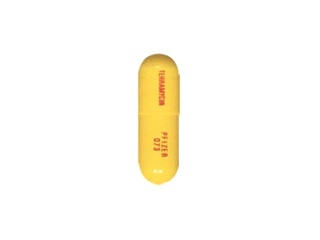


Terramycin (Oxytetracycline) – Patient Information (UK)
Terramycin contains the antibiotic oxytetracycline. It belongs to the tetracycline group of antibiotics and has been used for many years to treat certain bacterial infections. This guide explains what Terramycin is, how it works, how to take it safely, and what to expect—written for people in the United Kingdom.
Always follow the advice provided by your healthcare professional and the instructions on the product packaging. Antibiotics are used only when appropriate, and correct use helps to protect both your health and the effectiveness of antibiotics in the future.
Quick product details
| Item | What it means |
|---|---|
| Medicine | Terramycin |
| Active ingredient | Oxytetracycline (tetracycline antibiotic) |
| Common dosage forms | Oral tablets/capsules and sometimes suspension formulations (varies by product strength and supply) |
| What it treats | Certain bacterial infections (not viruses) |
| Key safety points | May cause stomach upset; interacts with minerals and certain medicines; avoid use in pregnancy and for children unless specifically advised |
| Availability (UK) | Availability depends on formulation and current supply; online pharmacies may provide alternatives if stock is limited |
How Terramycin works (mechanism of action)
Oxytetracycline works by blocking bacterial protein production. It binds to the bacterial ribosome (the cell’s “protein-making machinery”), preventing the bacteria from growing and multiplying.
Like other tetracyclines, Terramycin is effective only against bacteria that are susceptible to it. It does not treat infections caused by viruses (for example, colds and most flu-like illnesses).
Why susceptibility matters
- Some bacteria may already be resistant to tetracyclines.
- Guidelines often recommend confirming the likely organism and local resistance patterns.
- If symptoms do not improve as expected, reassessment is important.
Pharmacokinetics (how the body handles oxytetracycline)
After oral use, oxytetracycline is absorbed into the bloodstream, but absorption can be reduced by certain foods and minerals—one of the key practical considerations when taking this antibiotic.
Absorption
- Reduced by calcium, iron, magnesium, and dairy products (forms poorly absorbed complexes).
- Also reduced by antacids and some supplements.
Distribution
Oxytetracycline distributes into many tissues. It can also bind to tissues where tetracyclines may accumulate, such as bone and teeth (which is why use in pregnancy and in children is restricted).
Metabolism and excretion
- Oxytetracycline is largely eliminated from the body (including via kidneys).
- Dose adjustments may be needed for people with significant kidney impairment, depending on clinical advice.
If you have kidney problems, it’s especially important to discuss dosing and monitoring with a healthcare professional before use.
Typical uses in the UK
Terramycin is used for specific bacterial infections where oxytetracycline is considered appropriate. The exact indication depends on the type of infection and local clinical guidance.
Examples of infections that may be treated (depending on susceptibility and clinical judgement) include:
- Some respiratory tract infections caused by susceptible bacteria
- Some skin and soft tissue infections due to susceptible organisms
- Certain infections associated with tick exposure or other specific organisms (specialist guidance may apply)
- Some sexually transmitted infections may be treated with tetracyclines in specific situations (local guideline and organism susceptibility are important)
Because bacterial resistance varies, your clinician may select an alternative antibiotic if oxytetracycline is unlikely to work or if a different treatment is preferred.
When to take Terramycin (timing and schedule)
Follow the dosing instructions provided with your product or by your healthcare professional. The schedule often involves taking doses at regular intervals to maintain effective drug levels.
Practical timing tips
- Take with plenty of water to reduce the risk of irritation to the oesophagus.
- Stay upright (sitting or standing) for at least 30 minutes after swallowing a dose.
- If taking multiple doses daily, aim for consistent spacing (for example, morning and evening—exact spacing depends on your prescribed regimen).
If you miss a dose, take it as soon as you remember unless it’s nearly time for your next dose. Do not take a double dose.
Food interactions (important)
One of the most important aspects of using oxytetracycline is avoiding foods and drinks that can reduce absorption.
What to avoid or separate from your dose
- Dairy products (milk, cheese, yoghurt) due to calcium
- Calcium-rich supplements
- Iron and iron supplements
- Magnesium (including many antacids)
- Multivitamins containing minerals
How to separate from minerals
A common approach is to take Terramycin on an empty stomach where possible, or to separate it from dairy/mineral products by several hours. However, exact timing can vary by the dosing schedule and product instructions—check your label and talk to a pharmacist if unsure.
Alcohol and meals
Alcohol is not known to directly “cancel out” tetracyclines in the same way as minerals, but it may increase stomach irritation and can make side effects more noticeable. See the section below for practical guidance.
Alcohol interactions and liver considerations
Moderate alcohol use is not usually listed as a strict contraindication with oxytetracycline, but it’s sensible to be cautious.
Potential issues
- Stomach upset (nausea, indigestion, abdominal discomfort) may be more likely.
- Alcohol can worsen dehydration, which may matter if you experience vomiting or diarrhoea.
- If you have liver disease or heavy alcohol use, discuss antibiotics with a clinician for tailored advice.
If you experience severe abdominal pain, persistent vomiting, yellowing of the skin/eyes (jaundice), or dark urine, seek urgent medical advice.
Medicine interactions (key interactions)
Several medicines and supplements can interact with oxytetracycline. Interactions may reduce antibiotic effectiveness or increase side effects.
Common interaction categories
- Antacids containing aluminium/magnesium (and some laxatives or buffered medicines containing minerals): reduce absorption.
- Iron supplements, calcium supplements, magnesium, and multivitamins: reduced absorption.
- Warfarin (a blood thinner): antibiotics may affect bleeding risk—monitoring may be needed.
- Isotretinoin (for severe acne): increased risk of raised pressure inside the skull (pseudotumour cerebri).
- Other antibiotics or medicines that affect gut flora: may alter the risk of diarrhoea.
Herbal and dietary supplement interactions
- Be cautious with supplements containing minerals (iron, zinc, calcium, magnesium).
- Let your pharmacist know about all non-prescription products you use.
What to do
Provide your online pharmacy and pharmacist with a full list of medicines and supplements you take, including over-the-counter products, so they can advise on spacing and suitability.
Dosing guidance (general information)
Dosing depends on the infection being treated, the expected organism, kidney function, age, and local clinical practice. Use the dose strength and schedule from your product or clinician instructions.
Typical dosing approach (illustrative)
Many tetracycline regimens are taken in divided doses (for example, two or four times daily), especially to improve tolerance and maintain levels. Your exact regimen may differ—follow your label precisely.
Duration of treatment
- Take the antibiotic for the full course advised, even if you feel better.
- Stopping early can increase the risk of relapse and antibiotic resistance.
Special populations
- Children: tetracyclines are generally avoided unless a clinician advises otherwise due to effects on teeth and bone development.
- Pregnancy: tetracyclines are usually avoided because of potential effects on the developing child.
- Breastfeeding: discuss safety with a clinician before use.
- Kidney impairment: dosing may require adjustment and monitoring.
Safety profile and side effects
Like all medicines, Terramycin can cause side effects. Many people experience mild effects, but some require urgent medical attention.
Common side effects
- Nausea, indigestion, stomach discomfort
- Diarrhoea or looser stools
- Headache
- Skin rash or mild itching (non-severe)
- Sensitivity to sunlight (photosensitivity), making sunburn more likely
Serious side effects – get medical help urgently
- Severe or persistent diarrhoea, especially with blood or mucus, or severe abdominal cramps (possible antibiotic-associated colitis)
- Allergic reaction: swelling of face/lips, breathing difficulty, widespread hives
- Severe skin reactions (blistering, peeling, mouth sores)
- Signs of liver problems: jaundice, severe fatigue, dark urine
- Severe headache with visual changes or dizziness (rare, but needs prompt assessment)
- Oesophageal irritation: chest pain or difficulty swallowing (especially if taken without enough water or lying down)
Important cautions
- Photosensitivity: use sun protection (SPF, clothing) and avoid prolonged sun exposure.
- Superinfection: if symptoms worsen or new infections appear, seek advice.
- Tooth/bone effects: tetracyclines can affect developing teeth and bone when used in children and during pregnancy—use only when specifically advised.
Practical use tips (how to get the best results)
- Use correct spacing from minerals: separate doses from dairy, iron, calcium, magnesium, and antacids.
- Take with water: reduce the risk of throat/oesophagus irritation.
- Consider taking with food if needed: if empty-stomach dosing causes significant nausea, speak to a pharmacist about whether taking with a small meal is acceptable for your situation—some absorption loss may occur.
- Complete the course: finish all doses unless advised otherwise by a clinician.
- Track symptom changes: if no improvement occurs within the expected timeframe, contact a healthcare professional for reassessment.
- Stay sun-safe: photosensitivity can occur even after only a few doses.
Missed dose and what to do
If you miss a dose, take it when you remember unless it is close to the next dose. Do not take two doses at once. If you are unsure, ask a pharmacist for advice based on your exact schedule.
Alternatives to Terramycin (oxytetracycline)
If oxytetracycline is not suitable, clinicians may consider alternatives depending on the infection and local guidance. Alternatives may include:
- Other tetracyclines (for example, doxycycline or minocycline, depending on availability and indication)
- Different antibiotic classes based on likely bacteria (for example, penicillins, cephalosporins, macrolides, depending on the case)
The “best” alternative depends on:
- The type of infection and site
- Bacterial susceptibility/resistance
- Allergies and past antibiotic reactions
- Other medicines you take and interaction risks
- Kidney, liver, pregnancy, or breastfeeding status
UK market and legal context (patient-friendly overview)
In the United Kingdom, antibiotics are regulated medicines. Supply and availability may vary based on product strength, formulation, and current licensing status. Online pharmacy services may provide antibiotics only under appropriate clinical governance and safety checks.
Antibiotic stewardship
UK healthcare policy strongly encourages responsible antibiotic use to reduce antimicrobial resistance. This includes:
- Using antibiotics only when they are likely to benefit
- Selecting the most suitable agent and shortest effective duration
- Encouraging review if symptoms don’t improve
Recent guidance (high-level)
Over recent years, UK clinical guidance has continued to emphasise: antibiotic stewardship, culture/assessment where appropriate, and avoiding unnecessary antibiotics for viral illnesses. Local prescribing practices may also reflect evolving resistance patterns.
If you’re unsure why a particular antibiotic is recommended (or why an alternative was chosen), ask a pharmacist or clinician—they can explain the reasoning based on your specific situation.
Delivery and availability in the UK
Availability of Terramycin and oxytetracycline-containing products can vary. Online pharmacies typically aim to deliver within standard courier timeframes, subject to stock levels and verification steps.
What to expect when ordering online
- Stock status: some strengths or formulations may be temporarily unavailable.
- Dispatch times: may vary on weekdays and public holidays.
- Packaging: medicines are usually delivered in tamper-evident packaging.
- Tracking: many services provide delivery updates or tracking information.
If Terramycin is unavailable
If your chosen item is out of stock, the pharmacy may offer:
- An alternative oxytetracycline product (same active ingredient and suitable strength), or
- A clinically appropriate substitute, depending on availability and safety checks.
For the fastest resolution, ensure your contact details are correct and respond promptly to any delivery or clinical verification queries.
FAQ
1) What is Terramycin used for?
Terramycin (oxytetracycline) is an antibiotic used for certain bacterial infections where it is appropriate based on the likely bacteria and susceptibility. It does not treat viral infections such as colds or most flu.
2) How should I take oxytetracycline?
Take it exactly as directed by your healthcare professional or product instructions. Generally, take with plenty of water and remain upright for at least 30 minutes. Separate your dose from dairy and mineral supplements (calcium, iron, magnesium) to improve absorption.
3) Can I take Terramycin with milk?
It’s best to avoid taking oxytetracycline at the same time as milk, yoghurt, or other dairy products. Calcium can reduce absorption. Separate dairy and mineral-containing products from your dose (check your label or ask a pharmacist for exact timing).
4) Will alcohol affect Terramycin?
Alcohol isn’t usually listed as a direct incompatibility, but it may increase the risk of stomach upset and worsen dehydration. If you drink alcohol, do so cautiously and avoid heavy drinking while you’re unwell.
5) What medicines should not be taken together with oxytetracycline?
Be cautious with antacids containing aluminium/magnesium, iron/calcium/magnesium supplements, and multivitamins containing minerals. Other medicines (such as warfarin and isotretinoin) may also require special consideration—tell your pharmacist about everything you take.
6) What if I forget a dose?
Take the missed dose when you remember unless it is almost time for the next dose. Do not take a double dose. If unsure, ask a pharmacist.
7) When should I start to feel better?
Many bacterial infections begin to improve within a few days, but this depends on the infection and organism. If you don’t see any improvement within the timeframe you were given, contact a healthcare professional for advice.
8) Can I stay in the sun while taking Terramycin?
You may be more sensitive to sunlight while taking tetracyclines. Use sun protection (SPF, hat/clothing) and avoid prolonged direct sun exposure.
9) Are there people who should avoid oxytetracycline?
Tetracyclines are generally avoided in pregnancy and for children unless specifically advised due to effects on developing teeth and bone. People with significant kidney impairment, liver problems, or a history of severe allergy should also seek tailored advice.
10) What should I do if I get severe diarrhoea?
Severe, persistent, or bloody diarrhoea during or after antibiotics can be a serious side effect. Stop the antibiotic and seek urgent medical advice (same day) if symptoms are severe.
11) What happens if the infection doesn’t respond?
If symptoms worsen or fail to improve, bacteria may not be susceptible, or a different cause may be responsible. A clinician may review the diagnosis, assess adherence and interactions, and switch to a different antibiotic if needed.
12) Is Terramycin the same as other tetracyclines?
Terramycin contains oxytetracycline. Other tetracyclines (such as doxycycline or minocycline) are different medicines and can have different dosing schedules and side effect profiles.
Important reminders
- Antibiotics should be used only when appropriate for suspected/confirmed bacterial infections.
- Do not share antibiotics with others.
- Keep out of the sight and reach of children.
- Store according to the product label instructions.
If you have questions about Terramycin, side effects, or interactions with your current medicines, speak to a pharmacist or healthcare professional for personalised advice.