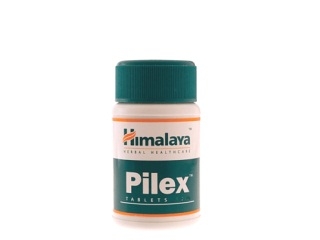
Pilex – Patient Guide (UK)
Pilex is a herbal medicine traditionally used to help relieve symptoms associated with haemorrhoids (piles) and anal discomfort. If you experience pain, itching, burning, swelling, or bleeding from haemorrhoids, Pilex may be one option to consider alongside good self-care.
This guide is designed to be patient-friendly and practical. It explains what Pilex is, how it works, how to take it, what to watch for, and where to find up-to-date information in the United Kingdom.
Basic product information
| Feature | What to expect |
|---|---|
| Product type | Herbal medicine for piles and related symptoms |
| Common symptom targets | Pain, itching, burning, swelling, and discomfort around the anus |
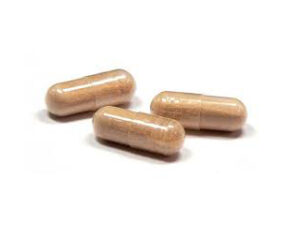
| Typical form | Oral tablets/capsules or sachets (exact presentation can vary by brand and pack) |
| How it’s usually taken | By mouth, on a regular schedule as directed on the pack or by a pharmacist |
| Availability | Often available through UK pharmacies and online pharmacies; stock may vary |
Important: Always check your specific pack for the exact ingredients, strength, and dosing schedule. Different markets and versions may have different formulations.
What are haemorrhoids (piles)?
Haemorrhoids are swollen veins in and around the anus/rectum. They can cause:
- Pain or soreness, especially when passing stool
- Itching and irritation
- Burning sensation
- Swelling or a lump-like feeling
- Bleeding, often bright red on wiping or in the toilet
Symptoms can improve with appropriate treatment, including diet changes, stool softening, and pain relief. Some episodes settle quickly, while others need longer management.
Mechanism of action (how Pilex works)
Pilex is a herbal product formulated to help relieve symptoms of haemorrhoids. While herbal mechanisms can vary depending on the exact ingredients and formulation, the overall aim is usually to support:
- Symptom relief (e.g., pain, itching, burning)
- Local comfort by soothing irritated tissues
- Reduction of swelling and inflammatory discomfort
- Support for healthy bowel comfort during symptomatic episodes
In many herbal pile remedies, components may have anti-inflammatory and soothing properties. The effect is typically symptom-focused, meaning it is used to help make you feel better rather than to cure the underlying tendency permanently.
Pharmacokinetics (what happens to the body)
Pharmacokinetics describe how the body absorbs, distributes, metabolises, and eliminates a medicine. For herbal products like Pilex, the exact pharmacokinetic profile can be more variable than with single, well-characterised active pharmaceutical ingredients.
In practical terms, patients usually experience improvement over days rather than minutes or hours. Factors that can influence how your body responds include:
- Individual metabolism and digestion
- Consistency of use (taking the product as directed)
- Severity of symptoms and presence of constipation/straining
- Other lifestyle measures (fibre intake, hydration, avoiding straining)
Onset: Many people notice symptom relief within the first several days, though complete improvement may take longer depending on the cause and severity of the haemorrhoids.
Duration: Use typically continues for a course of treatment as indicated on your pack or by a healthcare professional.
Typical use in the UK
Pilex is commonly used to help manage the uncomfortable symptoms of haemorrhoids. Typical reasons patients consider it include:
- Episodes of painful haemorrhoids
- Itching and irritation around the anus
- Burning discomfort
- Difficulty feeling comfortable when sitting or after bowel movements
- Reducing bothersome symptoms while lifestyle changes take effect
It is often used as part of a broader approach that includes gentle bowel habits and avoiding constipation.
When to take Pilex (timing)
Follow the dosage instructions on your specific pack. As a general patient approach:
- Take it at the same times each day to help maintain steady exposure.
- If dosing is split (e.g., morning and evening), spread doses evenly.
- Continue the course for the recommended duration on the pack unless advised otherwise.
Tip: Taking it with water and keeping to a consistent routine can improve adherence.
Food interactions
Herbal medicines are often taken with or without food. However, tolerance can vary between formulations.
Practical guidance:
- If you find tablets feel harder to swallow or cause mild stomach discomfort, taking them with food may be more comfortable.
- If your pack instructions specify “before meals” or “after meals,” follow those directions.
If you have a sensitive digestive system, consider choosing a time when you are less likely to experience nausea.
Alcohol and medicine interactions
There is usually limited, product-specific data on alcohol interactions for herbal medicines. Still, as a safe general approach:
- Avoid or limit alcohol while taking any medicine if you notice side effects.
- Alcohol can contribute to constipation and dehydration in some people, which may worsen haemorrhoid symptoms.
- If you take other medicines (e.g., for stomach conditions, pain relief, blood thinning, or inflammatory conditions), check compatibility with a pharmacist—especially if you have multiple ongoing treatments.
Seek advice immediately if you experience unexpected symptoms such as rash, facial swelling, breathing difficulty, or severe abdominal upset.
Indications (what Pilex is used for)
Pilex is intended for symptomatic relief related to piles (haemorrhoids). It may be used when you have discomfort around the anus, such as:
- Pain or soreness
- Itching
- Burning or irritation
- Swelling and discomfort after bowel movements
- Supporting comfort during flare-ups
Medical note: Haemorrhoid symptoms can overlap with other conditions. If symptoms are persistent, severe, or accompanied by concerning features, you should get medical advice to rule out other causes.
Dosing (how much to take)
Always follow the dose on your pack. Herbal medicines can vary by strength and formulation.
Below is a patient-friendly framework that matches how most non-prescription UK herbal pile remedies are used:
- Adults: typically take a defined dose two to three times daily for a short course (often up to a week or as directed).
- Children: dosing for children can differ. Do not use unless the pack clearly states it is suitable for the child’s age.
- Pregnancy and breastfeeding: check the pack and speak to a pharmacist for advice.
If you share the exact product presentation (e.g., tablet strength or sachet form) or the dose printed on your pack, the dosing information can be described more precisely.
Safety profile
Common side effects
Herbal medicines are generally well tolerated, but side effects can occur. Possible but not guaranteed effects include:
- Mild stomach upset or nausea
- Temporary changes in bowel habits
- Unusual taste or mild dizziness (rare)
Serious or allergic reactions (seek urgent help)
Stop use and seek urgent medical attention if you develop signs of allergy, such as:
- Rash, hives, itching that spreads
- Swelling of the face, lips, tongue, or throat
- Wheezing or difficulty breathing
Who should get medical advice first?
- If you have frequent or heavy rectal bleeding
- If you have severe pain or symptoms that rapidly worsen
- If you have inflammatory bowel disease or other rectal conditions
- If you are taking multiple medicines and are unsure about interactions
- If you are pregnant or breastfeeding
When to stop and seek advice
Contact a healthcare professional if:
- Symptoms do not improve after the recommended treatment period
- Bleeding continues
- You get recurrent symptoms frequently
- You develop fever, marked swelling, or pus/discharge
Practical use tips (to get the best results)
Pile symptoms are strongly linked to bowel habits. Even with medicine, these practical steps can make a big difference.
- Don’t strain during bowel movements. Take your time and avoid forcing.
- Increase fibre gradually (e.g., oats, fruit, vegetables, wholegrains).
- Drink plenty of fluids to keep stools soft.
- Consider a stool softener or fibre supplement if constipation is part of the problem (ask a pharmacist).
- Warm baths / sitz baths may reduce discomfort.
- Maintain gentle hygiene: use water rather than harsh wipes; pat dry.
- Avoid prolonged sitting on the toilet.
- Keep skin protected against irritation using barrier creams as advised by a pharmacist.
Consistency matters: take Pilex as directed for the course recommended on the pack, rather than only when symptoms worsen.
Alternative options
If you’re looking for other ways to treat piles or haemorrhoid symptoms, several options may be available in the UK (depending on severity and suitability):
- Topical treatments (creams, ointments, suppositories) for local soothing and symptom relief
- Fibre and hydration strategies to prevent constipation and reduce straining
- Short-term pain relief (e.g., paracetamol) if needed, following UK guidance and pack directions
- Stool softeners (e.g., macrogol or similar options) where constipation is present (pharmacist can advise)
- Medical assessment if symptoms are severe, recurrent, or concerning
For some people, combining a topical product with supportive measures can be helpful. Your pharmacist can suggest a tailored approach.
Market and legal context in the UK
In the UK, herbal medicines and non-prescription products are regulated to ensure quality, safety, and clear labelling. Availability on shelves or online is typically aligned with the product’s category (for example, traditional herbal registration or other applicable regulatory routes).
Key consumer expectations in the UK include:
- Clear instructions for use on the pack
- Specification of age restrictions and caution statements where relevant
- Information about side effects and when to seek help
- Brand and product identification to support safe selection
Recent guidance emphasis: UK health advice generally stresses that while haemorrhoids can often be managed with self-care, persistent bleeding, severe symptoms, or symptoms that don’t improve should be assessed by a healthcare professional to rule out other conditions.
Recent guidance and when to seek medical advice
General UK clinical messaging for piles/rectal bleeding includes:
- If you have bleeding from the back passage that is persistent, recurrent, or unexplained, you should seek medical advice.
- Do not ignore symptoms if you have change in bowel habits, unexplained weight loss, persistent abdominal pain, or iron-deficiency anaemia.
- If pain is severe, if you feel unwell, or if there is fever, seek advice promptly.
While many cases are haemorrhoids, rectal bleeding can also occur with other conditions, which is why caution is recommended.
Delivery and availability in the United Kingdom
Online pharmacies in the UK typically offer delivery options such as standard and tracked services, depending on location and stock. Availability may vary based on:
- Seasonal demand (flare-ups can increase demand)
- Packaging size and formulation
- Supplier lead times
What to check before ordering:
- That the product name and strength match what you intend to buy
- Expiry date and storage instructions
- Delivery estimate at checkout
Once dispatched, you should receive tracking or delivery confirmation if the service is offered by the retailer.
Storage
Store Pilex according to the instructions on your pack. In general, herbal medicines should be kept:
- At room temperature (unless otherwise stated)
- In a dry place
- Out of reach of children
- With the container closed properly after each use
FAQ
1) What is Pilex used for?
Pilex is used to help relieve symptoms associated with haemorrhoids (piles), such as discomfort, itching, burning, pain, and swelling around the anus.
2) How quickly will I feel better?
Some people notice improvement within the first several days. For others, it may take longer, depending on symptom severity, stool consistency, and how consistently the product is taken.
3) Can I take Pilex with food?
Food interactions depend on the specific pack instructions. If the pack does not specify, many patients find taking it with food helps comfort. Check your product label and follow the directions provided.
4) Can I drink alcohol while taking Pilex?
There are usually limited product-specific interaction warnings for alcohol with herbal medicines. As a safe approach, limit alcohol and monitor how you feel. Alcohol can worsen dehydration or constipation, which may aggravate haemorrhoids.
5) What if my symptoms include bleeding?
It’s common for haemorrhoids to cause bright red bleeding, particularly when straining. However, persistent, heavy, or unexplained bleeding should be assessed by a healthcare professional in line with UK guidance.
6) How long can I take it?
Use Pilex for the period recommended on your pack. If symptoms do not improve within that time, or if they worsen, stop and seek medical advice.
7) Is Pilex suitable for children?
Only use if the product label clearly states it is suitable for the child’s age. If you are unsure, ask a pharmacist.
8) Can I use Pilex during pregnancy or breastfeeding?
Check the pack and speak to a pharmacist before use, because safety information may differ by formulation and stage of pregnancy or breastfeeding.
9) What other treatments can help alongside Pilex?
Common supportive measures include increasing fibre and fluids, avoiding straining, warm baths, gentle hygiene, and possibly stool-softening products if constipation is present. A pharmacist can help you choose suitable options.
10) When should I stop Pilex?
Stop and seek advice urgently if you suspect an allergic reaction (e.g., swelling, hives, breathing difficulty) or if you develop severe or rapidly worsening symptoms.
Final reminder: Haemorrhoid symptoms can overlap with other conditions. If you are concerned—especially if symptoms persist, recur frequently, or involve ongoing rectal bleeding—please seek appropriate medical advice.