

Levothyroxine (L-thyroxine) – Patient Guide (UK)
Levothyroxine is a medicine used to treat an underactive thyroid gland (hypothyroidism) and some other thyroid-related conditions. It works by replacing the thyroid hormone your body needs to function normally.
This guide explains how levothyroxine works, how it is taken, interactions to be aware of, and practical tips to help you get the best results.
Basic product information
- Active ingredient: Levothyroxine sodium (often referred to as L-thyroxine)
- What it is: Synthetic form of the natural hormone thyroxine (T4)
- Common uses: Hypothyroidism; thyroid suppression therapy in selected cases
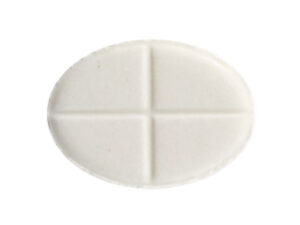
- Presentation: Tablets or capsules (strengths vary)
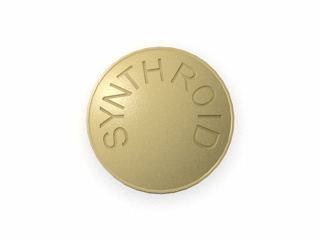
- Brand names: Multiple brands and generics are available in the UK
Note: If you are switched between brands or formulations, thyroid levels may change slightly. Many people do well with a stable product, but follow your prescriber/pharmacist’s advice if a change is recommended.
How levothyroxine works (mechanism of action)
Levothyroxine provides thyroxine (T4), a hormone produced naturally by the thyroid gland. In the body, T4 is converted into the active hormone triiodothyronine (T3) in tissues such as the liver, kidneys, and muscles.
- Restores normal thyroid hormone levels when the thyroid gland is underactive.
- Supports normal body functions including metabolism, growth and development (especially important in children), heart function, body temperature, and energy levels.
- Helps reduce symptoms such as tiredness, weight gain, constipation, and feeling cold due to low thyroid hormone.
Pharmacokinetics (how the body handles it)
Understanding absorption and timing can help you use levothyroxine effectively.
- Absorption: Absorption occurs in the small intestine. It can vary between individuals and may be reduced by certain foods and medicines (see below).
- Onset: Many people start feeling better gradually, but full effects may take weeks.
- Distribution: Levothyroxine binds strongly to proteins in the blood.
- Conversion: T4 is converted to T3 as needed by tissues.
- Metabolism and elimination: The body metabolises thyroid hormones mainly in the liver and other tissues. Levothyroxine has a relatively long half-life, meaning changes in dose may take time to reflect in blood test results.
- Monitoring: Clinicians typically check thyroid function using blood tests (commonly TSH and sometimes free T4) to fine-tune the dose.
Typical use in the UK
Levothyroxine is widely used in the UK for long-term management of thyroid hormone deficiency and for certain thyroid conditions requiring hormone replacement or suppression.
Common indications
- Primary hypothyroidism: The most common reason—where the thyroid gland does not produce enough hormone.
- Post-thyroidectomy hypothyroidism: After removal of the thyroid (for example due to cancer, goitre, or other thyroid disease).
- Congenital hypothyroidism (in children): To support normal growth and development.
- Central hypothyroidism: Underactive thyroid due to problems with the pituitary or hypothalamus (management may differ; TSH interpretation is different).
- Thyroid cancer or thyroid nodules requiring TSH suppression: In selected patients to reduce stimulation of thyroid tissue.
Important: The correct indication and target thyroid levels depend on your diagnosis and medical history.
How to take levothyroxine: timing and routine
To get consistent absorption, most people benefit from a steady daily routine.
Common timing (best practice)
- Take once daily at the same time each day.
- Empty stomach preferred: Many guidelines recommend taking levothyroxine at least 30–60 minutes before food.
- Water: Take with a full glass of water.
Because tablets and capsules can be affected by other substances, it may help to set a simple schedule:
- Take levothyroxine in the morning, then wait before breakfast.
- Keep other interacting medicines separated by several hours (see interaction section).
If you miss a dose
Missed doses can usually be taken later the same day or skipped depending on how close it is to the next dose. Because levothyroxine has a long half-life, the usual approach is not to double up without advice.
Ask your pharmacist or GP for specific guidance based on your dose schedule.
Food interactions: what to avoid
Food can significantly affect absorption. The effect varies by meal type and timing, so consistent timing is key.
Key food considerations
- Take on an empty stomach if possible.
- Avoid taking with breakfast or right after waking with food.
- Be cautious with high-fibre meals and large changes in diet, which may affect thyroid hormone requirements.
Timing strategy
Many patients use:
- Option A (common): Levothyroxine first thing in the morning with water, then wait 30–60 minutes before eating.
- Option B (if morning is difficult): Some people take levothyroxine later in the day, provided it is separated from meals appropriately. Discuss with your healthcare professional if you need an alternative schedule.
Consistency matters more than perfection: if your routine changes, let your clinician know because it may influence your blood test results.
Alcohol and levothyroxine interactions
There is no specific, universally documented direct interaction between moderate alcohol intake and levothyroxine absorption. However, alcohol may indirectly affect thyroid health and treatment if it contributes to changes in medication adherence, nutrition, liver function, or overall health.
Practical advice
- Moderate alcohol is generally unlikely to be a major issue for most people taking levothyroxine.
- If you have liver disease or have been advised to avoid alcohol, follow medical guidance.
- Tell your clinician if your alcohol intake is significantly increased or decreased, especially if thyroid levels become unstable.
Medicine interactions (important)
Some medicines and supplements can reduce levothyroxine absorption or change its effect. Separation in time is often helpful.
Common interacting products
- Iron supplements (including ferrous salts): reduce absorption; separate by several hours.
- Calcium supplements: may reduce absorption; separate by several hours.
- Antacids containing aluminium or magnesium: separation is usually needed.
- Cholestyramine and colestipol (bile acid sequestrants): can reduce absorption.
- Sucralfate (for some stomach conditions): may reduce absorption.
- Some medicines for cholesterol and certain binding agents: may affect absorption.
- Orlistat: may influence vitamin absorption and could affect thyroid stability indirectly in some patients.
Other potential interactions
- Hormonal therapies: Estrogen-containing treatments can increase thyroid hormone requirements in some people.
- Some anticonvulsants (e.g., carbamazepine, phenytoin) and rifampicin may increase thyroid hormone metabolism.
- Amiodarone may affect thyroid function and complicate dosing because it contains iodine.
- Proton pump inhibitors (PPIs) and other acid reducers may change stomach acidity and could affect absorption for some people.
How to manage interactions
- Tell your pharmacist about all medicines, including over-the-counter products and supplements.
- Separate by time when needed (your pharmacist can suggest a safe schedule).
- Don’t change or stop medicines without advice.
- Recheck blood tests if you start, stop, or change an interacting medicine.
Indications and dosing: what “dose” means
Dose is individual. Levothyroxine replacement is usually adjusted based on blood tests and symptoms.
Factors that influence the dose
- Your diagnosis (primary vs central hypothyroidism, suppression needs, etc.)
- Age
- Weight and body composition
- Heart health (especially in older adults or those with heart disease)
- Whether you have been hypothyroid for a short or long time
- Pregnancy (dose adjustments are common)
- Other medications and absorption factors
Typical dosing approach (general information)
In clinical practice in the UK, levothyroxine dosing is commonly adjusted by a staged approach:
- Adults with primary hypothyroidism: Often start with a low-to-moderate dose and adjust based on TSH and free T4.
- Older adults or those with heart disease: Usually start lower and titrate more slowly to reduce risk of angina or palpitations.
- Children and infants: Dosing is weight-based and requires careful monitoring to support normal development.
- Pregnancy: Dose may need to increase early in pregnancy; monitoring is typically more frequent.
Because dosing can vary widely, always follow the dose instructed by your healthcare professional.
When blood tests are checked
After starting or changing dose, clinicians typically wait several weeks before repeating tests, because TSH takes time to settle. Your exact schedule will be personalised.
Safety profile and side effects
Levothyroxine is generally well tolerated when the dose is appropriate. The biggest safety concerns usually relate to taking too much (over-replacement) or taking too rapidly in people at higher cardiac risk.
Common side effects (often due to over-replacement)
- Palpitations, fast heartbeat
- Anxiety, tremor
- Insomnia
- Heat intolerance, sweating
- Unintended weight loss
- Increased appetite
Less common but important risks
- Chest pain or worsening angina (especially if you have heart disease)
- Irregular heartbeat (e.g., atrial fibrillation in susceptible individuals)
- Bone thinning over long periods if levels are consistently too high
Serious symptoms requiring urgent advice
Seek urgent medical attention if you experience:
- Severe chest pain
- Fainting, severe shortness of breath
- Rapid or irregular heartbeat that does not settle
These may signal excessive thyroid hormone levels or another medical issue that needs immediate assessment.
Pregnancy and breastfeeding
Levothyroxine is generally considered the treatment of choice for hypothyroidism in pregnancy. Maintaining appropriate thyroid hormone levels supports fetal development. Dose requirements often increase, so blood tests are important.
Practical use tips for best results
- Take it consistently: Try to take levothyroxine at the same time each day.
- Empty stomach helps: Aim for separation from breakfast/food by 30–60 minutes.
- Keep track of your product: If you are switched between brands or strengths, note it and share with your clinician.
- Manage interacting supplements: If you take iron or calcium, consider separate times—your pharmacist can advise.
- Be careful with diet changes: Major dietary changes can affect thyroid balance and absorption.
- Don’t double doses: If you miss one, follow advice from your pharmacist/GP.
- Monitoring is key: Symptoms alone may not reliably reflect your thyroid levels; blood tests guide dosing.
Alternative options
Depending on your situation, clinicians may consider alternatives or adjustments. Options include:
Different thyroid hormone formulations
- Other levothyroxine formulations (different brands or generics) – may be equivalent but not always identical in effect for every individual.
- Liquid levothyroxine in some cases – may help if tablet absorption is difficult.
- Combination therapy (T4 + T3) – not standard for most people; may be considered in specific circumstances under specialist supervision.
Non-medicine considerations
- Review absorption-interfering medicines and supplements.
- Address adherence barriers (work schedule, travel, shift work).
- Check for gastrointestinal issues that may affect absorption (e.g., coeliac disease, gastritis) if thyroid levels remain unstable.
Do not switch formulations without discussing with your healthcare professional.
UK market and legal context (overview)
Levothyroxine is widely available in the UK and is typically supplied through routine pharmacy services. In the UK, medicines are regulated by the Medicines and Healthcare products Regulatory Agency (MHRA) and supported by clinical guidance from bodies including the NICE (where applicable) and endocrine specialist recommendations.
General pharmacy practice includes:
- Ensuring medicines are correctly labelled with strength and batch information.
- Advising on safe storage and use.
- Supporting appropriate monitoring schedules.
Brand switching: The NHS and regulators encourage consistency for some long-term medicines, especially where stable dosing is important. Your pharmacist can advise on whether switching is likely to matter in your case.
Recent guidance and monitoring principles (UK-relevant)
While specific recommendations may vary by patient and clinical pathway, common themes in modern UK practice include:
- Individualised dosing: Adjust based on blood tests, not symptoms alone.
- Consistent intake: Stable timing and separation from food/known interacting substances.
- Careful monitoring after changes: Recheck thyroid function after dose changes, formulation changes, or when starting/stopping interacting medicines.
- Special attention for pregnancy: Early dose adjustment and frequent monitoring when pregnant.
If you have unstable thyroid levels despite good adherence, it is important to discuss possible absorption issues with your clinician.
Delivery and availability
Levothyroxine is commonly stocked as tablets or capsules in multiple strengths. Availability can vary by brand and manufacturer, but supply is generally good due to its widespread use.
What to expect with online pharmacy delivery
- Packaging: Discreet outer packaging is typically used for privacy.
- Delivery times: Delivery schedules vary by distance and courier service; you will see estimated delivery options at checkout.
- Stock status: If an item is temporarily unavailable, you may see alternatives or options to be notified.
- Temperature considerations: Store as per the label instructions (usually at room temperature away from moisture and heat).
Always check the strength on the pack and confirm it matches what you expect.
Storage
- Keep tablets/capsules in the original packaging.
- Store at room temperature unless otherwise stated on the label.
- Keep out of reach of children.
- Protect from moisture (e.g., avoid storing in bathrooms).
- Do not use after the expiry date on the pack.
FAQ (Frequently Asked Questions)
1) Is levothyroxine the same as thyroid hormone?
Levothyroxine is a synthetic form of the natural thyroid hormone T4. Your body converts T4 to T3 as needed.
2) How long does it take to work?
Many people notice improvement in symptoms gradually. Blood test levels (especially TSH) may take several weeks to stabilise after a dose change.
3) Can I take levothyroxine with breakfast?
It’s usually best to take it before food because eating can reduce absorption. If morning breakfast timing varies, speak to your pharmacist about a consistent alternative schedule.
4) What if I take iron or calcium supplements?
Iron and calcium can reduce absorption. It is commonly recommended to separate these by several hours. Your pharmacist can advise the best schedule for your specific routine.
5) Do I need blood tests?
Yes. Thyroid hormone requirements vary and symptoms can overlap with other conditions. Blood tests help confirm the dose is correct.
6) What happens if my dose is too high?
Over-replacement can cause symptoms of too much thyroid hormone, such as palpitations, tremor, anxiety, and weight loss. Long-term excessive levels can affect bones and heart rhythm. Contact your clinician if you suspect your dose may be too high.
7) Can I drink alcohol?
Moderate alcohol is not typically a direct problem, but overall health, adherence, and liver function matter. If your thyroid levels become unstable, discuss your alcohol intake and other lifestyle changes with your clinician.
8) What medicines commonly interact with levothyroxine?
Iron, calcium, antacids, bile acid binders, sucralfate, and some prescription medicines (e.g., certain anticonvulsants, rifampicin, and others) can affect levels. Always check with your pharmacist when starting new products.
9) Should I stop levothyroxine once I feel better?
Most people require long-term treatment for hypothyroidism. Stopping suddenly can lead to recurrence of symptoms and abnormal blood tests. If you’re considering stopping or changing, seek advice first.
10) Can children and older adults take levothyroxine?
Yes. Dosing is adjusted for age, weight, and medical history. Children require careful monitoring to support growth and development, while older adults—especially those with heart disease—may require slower dose increases.
Quick reference: best practices checklist
- Take levothyroxine once daily.
- Take with water on an empty stomach.
- Wait 30–60 minutes before eating (or follow your clinician’s instructions).
- Separate from iron/calcium/antacids as advised.
- Keep the same product where possible and inform your clinician if changed.
- Attend planned blood test appointments to fine-tune the dose.
Disclaimer: This information is for patient education and general guidance. If you have symptoms, questions about dosing, or concerns about interactions, consult your pharmacist or GP.