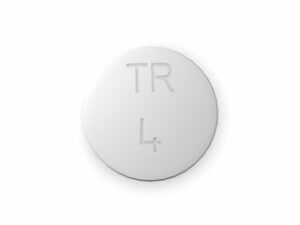



Dostinex (Cabergoline): Patient-Friendly Guide (UK)
Dostinex contains cabergoline, a medicine that works by reducing levels of the hormone prolactin in the body and by supporting hormonal balance in certain conditions. It is used for specific medical reasons under clinician guidance. This guide explains how Dostinex works, typical uses, how it is taken (including timing), important interactions (including alcohol and food), safety considerations, and practical tips.
Always follow the directions given by your healthcare professional and the medicine label. If anything in this guide conflicts with your personal instructions, follow your clinician’s advice.
Basic product information
- Brand name: Dostinex
- Generic name: Cabergoline
- Medicine type: Dopamine receptor agonist (prolactin-lowering medicine)
- Common strength: Tablets are typically available as 0.5 mg in many markets
- How it is usually supplied: Oral tablets
How Dostinex works (mechanism of action)
Cabergoline is a dopamine (D2) receptor agonist. In most people, dopamine naturally helps keep prolactin levels under control. Prolactin is produced by the pituitary gland and can rise due to various conditions, including pituitary tumours (such as prolactinomas) or certain medications.
By mimicking dopamine’s action at D2 receptors, cabergoline:
- Reduces prolactin secretion from the pituitary
- May shrink some prolactin-secreting pituitary tumours
- Helps restore normal reproductive and hormonal function in suitable cases
Pharmacokinetics (how the body processes it)
Understanding pharmacokinetics can help explain dosing schedules and why timing matters. While individual responses vary, key points include:
- Absorption: Cabergoline is absorbed after oral dosing.
- Peak levels: Maximum blood levels typically occur within a few hours after taking a dose.
- Half-life: Cabergoline has a long duration of action (the “half-life” is long compared with many medicines), which is one reason it can be taken infrequently (sometimes twice weekly or as directed).
- Metabolism: It is metabolised mainly by hepatic pathways.
- Elimination: The medication and its metabolites are eliminated primarily through the body’s natural clearance processes (e.g., bile and urine pathways), but the exact balance can vary.
Because of the prolonged action, missing one dose or changing the schedule should be discussed with your clinician rather than improvised.
Typical use in the UK
Dostinex (cabergoline) is used for conditions where lowering prolactin is beneficial. Common indications include:
- Hyperprolactinaemia (high prolactin levels) when it causes symptoms
- Prolactin-secreting pituitary tumours (prolactinomas)
- Suppression of lactation or reduction of milk production in selected circumstances (as advised by healthcare professionals)
Your clinician will choose the best approach based on your diagnosis, symptoms, prolactin levels, and overall health.
Indications and when it may be used
The exact approved and locally used indications can depend on national guidance and product licensing. In general practice in the UK, cabergoline may be considered when:
- Prolactin levels are raised and linked to symptoms such as irregular or absent periods, fertility issues, or galactorrhoea (milk discharge not related to breastfeeding).
- A prolactinoma is present, where cabergoline can reduce prolactin and may reduce tumour size.
- Lactation needs to be suppressed in appropriate clinical situations, where your healthcare team has assessed risks and benefits.
If you are unsure why you were given Dostinex, ask your healthcare professional or pharmacist.
Dosing: general principles and timing
Dosing varies by condition and individual response. Cabergoline is often started at a low dose and increased gradually to improve tolerability and reduce side effects. Always use the dose prescribed for you.
Timing and schedule
- Follow your schedule exactly: Many regimens involve one or two doses per week (for example, splitting the total weekly amount into two days), but your clinician will specify your pattern.
- Consistency helps: Try to take doses at similar times on scheduled days.
- If you miss a dose: Check your medicine instructions or ask your pharmacist. Because dosing schedules can be weekly, advice differs depending on timing.
Taking with or without food
Cabergoline may be taken with or without food. However, if you experience nausea or stomach discomfort, taking it with food may help. Your pharmacist can advise the best approach for you.
Example dosing patterns (illustrative only)
Below are common patterns used in practice; they do not replace your prescribed plan:
- Hyperprolactinaemia: Often started low and adjusted based on prolactin levels and symptom improvement.
- Prolactinoma: Often titrated gradually, with regular monitoring of prolactin and sometimes imaging.
- Lactation suppression: Typically a short course, with timing decided by your clinical team.
If your regimen was written on your label in mg and days, use that exact instruction rather than estimating from typical ranges.
Food interactions
Most people can take Dostinex without major food restrictions, but a few practical points can improve comfort and adherence:
- Nausea management: If you experience nausea, dizziness, or stomach upset, taking the tablet with a meal can help.
- Grapefruit and similar: There is no universally required grapefruit restriction for cabergoline, but it is sensible to avoid major changes in diet or herbal products without advice, especially if you take multiple medications.
- Alcohol-containing foods: If you have been advised to avoid alcohol due to medication effects or safety concerns, keep in mind that some foods or drinks may contain alcohol (e.g., certain desserts or cooking wines).
For specific concerns (e.g., dietary supplements, herbal preparations), ask your pharmacist.
Alcohol interactions
Alcohol may increase the risk of side effects such as dizziness, sleepiness, and low blood pressure when taking dopamine agonists. For many patients, it is safest to:
- Limit alcohol and monitor how you feel after taking Dostinex.
- Avoid heavy drinking, particularly during the early titration period when side effects may be more noticeable.
- Use caution when driving: If you feel dizzy or drowsy, do not drive.
If you have a history of fainting, low blood pressure, or you are taking other medicines that affect blood pressure, discuss alcohol use with your clinician.
Interactions with other medicines
Cabergoline can interact with other medicines, mostly by influencing dopamine pathways, blood pressure, or side-effect profiles. Always review your medicines list with your pharmacist, including over-the-counter products and herbal supplements.
Medicines that may require extra care
- Other dopamine antagonists (can reduce the effect of cabergoline): some antipsychotics and certain anti-nausea medicines may counteract dopamine agonist activity.
- Antihypertensives or medicines that lower blood pressure: cabergoline may cause or worsen low blood pressure, increasing dizziness or faintness.
- Medicines that cause drowsiness (sedatives, some sleeping tablets, some strong pain medicines): combining them with cabergoline may increase sedation and coordination problems.
- Levodopa (for Parkinson’s disease): may require careful adjustment depending on your situation.
- Strong inhibitors/inducers of liver enzymes: can potentially alter drug levels (your clinician may adjust dosing if needed).
If you are taking multiple medicines, do not stop or start anything new without checking first.
Safety profile: common and important side effects
Like all medicines, Dostinex can cause side effects. Many are dose-related and may improve when dosing is started low and increased gradually. If side effects are bothersome or persistent, contact your healthcare professional.
Common side effects
- Headache
- Dizziness or light-headedness
- Nausea
- Stomach discomfort
- Fatigue or tiredness
- Low blood pressure (sometimes especially when starting or increasing dose)
- Constipation or other mild gastrointestinal symptoms
Less common but serious risks (seek medical advice promptly)
- Fainting or severe dizziness (possible marked low blood pressure)
- New or worsening breathlessness, chest pain, or persistent swelling (rare but important—prompt assessment is needed)
- Unusual heart symptoms (e.g., palpitations with dizziness)
- Severe allergic reaction such as rash, swelling of the face/lips, or difficulty breathing
Impulsivity and behaviour changes (important)
Dopamine agonists can, in some people, be associated with impulse control disorders and other behavioural changes. Contact your clinician if you notice:
- Gambling urges or increased gambling
- Compulsive shopping
- Increased libido or sexual impulses that feel difficult to control
- Binge eating or compulsive eating behaviours
Tell your healthcare team early—adjusting dose or stopping the medicine may be necessary.
When to seek urgent help
In the UK, seek urgent medical help (e.g., NHS 111 for urgent advice, or emergency services if severe symptoms) if you experience:
- Fainting, severe weakness, or inability to stand safely
- Chest pain or sudden shortness of breath
- Signs of a severe allergic reaction
Practical use tips (how to take Dostinex more comfortably)
- Start low and increase slowly (if applicable): If your prescriber plans dose changes, do them exactly as instructed.
- Take at a consistent time: This helps you avoid missed doses and may reduce side effects.
- Manage nausea: Consider taking with a light meal if recommended for you.
- Stand up slowly: Dizziness may be more likely when moving from sitting or lying to standing.
- Track symptoms: Note improvement in prolactin-related symptoms and any side effects—this helps your clinician adjust treatment.
- Be careful with driving and machinery: Especially when beginning treatment or after dose increases.
- Do not stop suddenly: If you feel unwell or want to change your treatment, speak to your pharmacist or clinician first.
Monitoring and follow-up
Many people benefit from follow-up blood tests to measure prolactin levels and check for treatment effectiveness. Some conditions may also require imaging or other assessments as directed by your specialist.
Attending follow-up appointments is important, even when you start feeling better.
Alternative options
Depending on the condition being treated, there may be other ways to manage high prolactin. Alternatives can include:
- Other dopamine agonists used for prolactin-related disorders (a clinician will determine suitability).
- Surgery for certain pituitary tumour situations (usually considered in specific cases).
- Radiotherapy in selected circumstances.
- Addressing medication causes: if a medicine you’re taking is raising prolactin, your clinician may consider alternatives to reduce that effect.
Your healthcare professional will tailor options based on diagnosis, symptoms, and safety considerations.
UK market and legal context (overview)
In the United Kingdom, medicine availability and prescribing practices are regulated through national frameworks. Dostinex (cabergoline) is a medicine that is supplied through licensed routes and is subject to UK medicines legislation and pharmacy standards. Availability can vary by strength and pack size.
For ongoing safety and effectiveness, the UK also relies on pharmacovigilance systems where suspected side effects can be reported by patients and healthcare professionals. If you experience any side effects, speak to your pharmacist or clinician.
Recent guidance (general)
Medical guidance for cabergoline use may be updated as evidence evolves. Recent emphasis in clinical practice often includes:
- Individualised dose titration to improve tolerability
- Monitoring for symptoms of abnormal heart valve effects or related cardiovascular issues in longer-term or higher-dose regimens (where applicable)
- Awareness of impulse control disorders
- Regular prolactin monitoring to confirm response
Your clinician may recommend additional monitoring depending on your dose, duration of treatment, and underlying condition.
Delivery and availability (online pharmacy)
Availability of Dostinex can vary by manufacturer, batch, and supply chain conditions. When ordering from an online pharmacy in the UK, you can typically expect:
- Stock status: Some strengths or pack sizes may be temporarily out of stock.
- Packaging: Medication is normally dispatched in compliant outer packaging to protect tablets and maintain integrity.
- Delivery timeframe: Options may include standard or tracked delivery (depending on the pharmacy and destination).
- Order processing: Orders may be processed on working days.
If you require the medicine urgently, contact customer support to confirm current dispatch times and courier options.
Storage information
- Store below 25°C (unless your product label states otherwise).
- Keep in the original package to protect from light and moisture.
- Keep out of reach of children.
- Do not use after the expiry date shown on the pack.
FAQ
1) What is Dostinex used for?
Dostinex (cabergoline) is used to lower raised prolactin levels and treat conditions where high prolactin is responsible for symptoms, including some prolactin-related pituitary disorders. It may also be used in selected scenarios to suppress lactation.
2) How quickly does Dostinex work?
Many people see improvements over days to weeks, with prolactin levels typically falling after starting treatment. The full benefit—especially for tumour-related cases—may take longer and is assessed through follow-up blood tests and clinical review.
3) Can I take Dostinex with food?
Yes. If you experience nausea, taking your dose with food may improve comfort. Follow your label and your clinician’s instructions.
4) What should I do if I miss a dose?
Because cabergoline is often taken once or twice weekly, the “missed dose” advice depends on your specific schedule. Check the instructions on your medicine packaging or ask your pharmacist for guidance tailored to your dosing day.
5) Is it safe to drink alcohol while taking Dostinex?
Alcohol may worsen dizziness, sleepiness, or blood-pressure-related side effects. It’s often advised to limit alcohol and avoid heavy drinking, especially when starting or after dose changes. If you’re unsure, ask your pharmacist or clinician.
6) Are there any medicines I should avoid?
Some medicines may reduce cabergoline’s effect or increase side effects (for example, certain dopamine antagonists, medicines that lower blood pressure, or sedatives). Always share your full medicine list with your pharmacist.
7) What side effects are most common?
Common side effects include headache, nausea, dizziness, fatigue, and mild stomach discomfort. Dose-related effects often improve with gradual titration.
8) When should I contact a doctor urgently?
Seek urgent medical advice if you faint, develop severe chest symptoms, experience sudden shortness of breath, or have signs of a severe allergic reaction.
9) How long will I need to take it?
Treatment duration depends on the reason you’re taking it and how well you respond. Some conditions require long-term management; others may involve shorter courses. Your clinician will review your progress and adjust the plan.
10) Are there alternatives to Dostinex?
Alternatives may include other dopamine agonists or, depending on the condition, surgical or radiotherapy options. Your healthcare professional will discuss what’s appropriate for your diagnosis and preferences.
Important patient note
This information is intended to support safe, informed use. It does not replace medical advice from a healthcare professional. If you have questions about your dose, side effects, or interactions with other medicines, speak to your pharmacist or clinician.