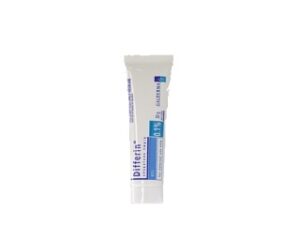
Adapalene (Topical) – Patient Guide (UK)
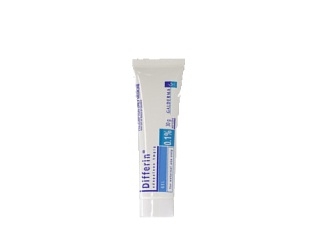
Adapalene is a widely used skin medicine for treating acne. It belongs to a group of medicines called retinoids (vitamin A–related treatments) and works by helping to prevent clogged pores, reduce inflammation, and support clearer skin over time. This guide explains how adapalene works, how to use it safely and effectively, what to expect during treatment, and practical information relevant to the United Kingdom.
Quick product information
| Feature | Details |
|---|---|
| Medicine name | Adapalene |
| Type | Topical retinoid (applied to the skin) |
| Common strengths | Often available as gels/creams in different strengths (product-specific) |
| What it’s used for | Acne (including comedonal acne; may help inflammatory spots) |
| How it’s applied | Typically once daily, usually in the evening |
| Typical treatment duration | Visible improvement often takes weeks; ongoing use may be needed |
| Key cautions | Avoid eyes/lips; use moisturiser; sun protection; avoid pregnancy |
How adapalene works (mechanism of action)
Adapalene helps acne by acting on the “building blocks” of acne inside the skin. Acne often occurs when dead skin cells and oil clog pores. This can lead to:
- Reduced formation of comedones (blackheads and whiteheads)
- Improved turnover of skin cells, helping prevent blockages
- Anti-inflammatory effects that can calm redness and swelling
- Less follicular plugging, meaning pores are less likely to become blocked
Unlike some quick “spot” treatments, adapalene works gradually. Early irritation or temporary worsening can occur while your skin adjusts, but this often improves with correct use.
Pharmacokinetics (what happens to the medicine in the body)
After topical application, adapalene is designed to act mainly in the skin. Only a small amount is absorbed through the skin under normal use conditions.
- Absorption: Generally low systemic absorption from intact, appropriately applied skin.
- Distribution: Any absorbed fraction is processed by the body in the usual way for medicines.
- Metabolism & elimination: The medicine is metabolised and eliminated over time.
Because systemic absorption is low, interactions with other medicines taken by mouth are generally unlikely. However, topical skin care routines and sun exposure still matter.
What adapalene is used for (indications)
Adapalene is used to treat acne. It may be particularly helpful for:
- Comedonal acne (blackheads and whiteheads)
- Mild to moderate inflammatory acne (such as red, inflamed pimples)
- Acne prone to clogged pores, where prevention is important
If you have severe acne, extensive scarring, or acne affecting deeper layers of skin, a clinician may recommend different or additional treatments.
When to start and timing of use
Adapalene is commonly used once daily. Many people find it easiest to apply at night because it reduces daytime sun exposure. Consistency is key.
Typical starting routine
- Week 1–2: Use a thin amount on the affected area about every other night (if your skin is sensitive).
- Week 3 onwards (if tolerated): Move to once daily.
If you experience significant irritation, consider returning to every-other-night use and speak to a pharmacist or clinician for advice.
Expected timeline
- First 1–4 weeks: Skin may feel dry, sting, or peel. Some people see slight worsening.
- By 6–8 weeks: Many notice fewer clogged pores and improved texture.
- By 12 weeks: Full benefit is more likely to be seen.
How to apply adapalene correctly (practical use tips)
Applying adapalene correctly can improve results and reduce irritation. Always follow the instructions on the product packaging or the advice given by a healthcare professional.
- Wash your skin gently with a mild cleanser and pat dry (avoid rubbing).
- Use a pea-sized amount for the whole face (or a very thin layer for smaller areas). More is not better and may increase irritation.
-
Apply thinly to areas with acne. Avoid:
- Eyes, eyelids, corners of the nose and mouth
- Any cuts, eczema patches, or broken skin
- Let it absorb before applying other products (unless advised otherwise).
- Moisturise if needed. Many people use moisturiser before and/or after adapalene to reduce dryness.
“Sandwich” method (often helpful)
If you get dryness or stinging, you can try:
- Apply moisturiser → wait until skin feels comfortable
- Apply a very thin layer of adapalene
- Apply moisturiser again (optional)
This may help your skin tolerate treatment better.
Food interactions
Because adapalene is used on the skin and is only minimally absorbed into the bloodstream, food interactions are not a typical concern for most people. There is usually no need to avoid specific foods.
However, maintaining a healthy diet and managing triggers that worsen your acne can support overall skin health.
Alcohol and medicine interactions
Alcohol: There are no well-established direct interactions between topical adapalene and alcohol. Still, alcohol-containing skincare products may increase dryness or irritation. Choose gentle, fragrance-free products where possible.
Other medicines: Generally, drug interactions are uncommon due to low systemic absorption. The bigger “interaction” to consider is with other skincare actives (see below).
Common skincare “interactions” to be aware of
You don’t usually need to change your whole routine, but some combinations can increase irritation. Consider extra caution if you use:
- Other retinoids (including some anti-ageing products)
- Strong exfoliants (scrubs, chemical peels, high-strength acids)
- Skin cleansers that are very drying
- Products with alcohol or strong fragrance that may irritate
If you use acne washes containing benzoyl peroxide or other acne treatments, many people can combine them with adapalene, but timing and skin tolerance matter. If in doubt, discuss your routine with a pharmacist.
Dosing information (typical adult use)
Dosing can vary between formulations (gel vs cream and strength), so always check the product instructions. The typical approach is:
- Adults and older adolescents: Apply a thin layer once daily to the affected area.
- Start slowly if sensitive: every other night for the first 1–2 weeks, then increase as tolerated.
- Amount: usually around a pea-sized amount for the whole face.
Missed dose: If you forget, apply it when you remember unless it’s close to the next dose. Do not apply extra to “catch up”.
Safety profile and side effects
Common side effects
Because adapalene speeds up skin cell turnover, irritation is the most common issue—especially at the start.
- Dryness
- Redness
- Peeling or flaking
- Stinging or burning sensation
- Mild itching
Less common but important reactions
- Severe irritation, swelling, or intense burning
- Allergic-type skin reactions (e.g., rash beyond the treated area)
- Worsening symptoms that do not improve after adjusting frequency and moisturising
Stop using the product and seek advice promptly if you experience severe reactions or symptoms that concern you.
Sun sensitivity and sun protection
Retinoid medicines can make skin more sensitive to sunlight. Use careful sun protection:
- Apply sun cream (SPF 30 or higher) during the day
- Avoid sunbeds
- If you must be outdoors, use protective clothing and shade
Pregnancy and breastfeeding (important UK safety advice)
Retinoids are generally not recommended during pregnancy because of risks related to vitamin A–like compounds. If you are pregnant, trying to conceive, or may become pregnant, seek medical advice before using adapalene.
For breastfeeding, guidance may vary by product and individual situation. It is safest to seek advice from a healthcare professional.
Children and adolescents
Adapalene may be used in younger people for acne depending on product licensing and clinical judgement. Always check the product leaflet for the intended age group and consult advice if unsure.
Special precautions
- Avoid contact with eyes and mouth; wash with water if accidental contact occurs.
- Do not apply over broken skin or open wounds.
- Be cautious with “acne-only” routines if your skin becomes very irritated—pause and moisturise.
- Allow skin to adapt—irritation early on can be reduced by using less frequently.
Practical use tips to improve results
- Keep it simple: Use a gentle cleanser and a basic moisturiser. Add other active products slowly, one at a time.
- Use moisturiser: Dryness can make acne look worse and can increase discomfort.
- Don’t over-apply: Thick layers don’t improve efficacy and may increase irritation.
- Expect adjustment: Flaking and redness often improve as your skin adapts.
- Be patient: Acne treatment takes time; aim to continue for at least 8–12 weeks if tolerated.
- Consider barrier-friendly products: Look for non-comedogenic, fragrance-free options if you’re sensitive.
Alternative options for acne (compared)
Acne is different for everyone. If adapalene isn’t suitable, not tolerated, or not enough on its own, there are other acne treatments that may be considered.
Common topical alternatives
- Tretinoin or other topical retinoids: Similar class; different formulations and tolerance for some people.
- Benzoyl peroxide: Helpful for inflammatory acne and reducing acne bacteria; can bleach fabrics.
- Azelaic acid: Often gentler; may help pigmentation and acne.
- Salicylic acid (BHA): Helps exfoliate inside pores; can be useful in some routines.
If acne is more persistent or more severe
Clinicians may consider combination therapy or other treatments depending on severity and risk of scarring. Options can include hormonal therapies or oral medicines, as appropriate.
Market and legal context in the UK
In the UK, availability of medicines depends on licensing, product formulation, and whether a medicine is classified as prescription-only or available via pharmacy channels. Many topical acne treatments are supplied through pharmacy or retailer routes, while stronger or specific combinations may require prescription depending on the product and strength.
UK medicines regulation is overseen by the Medicines and Healthcare products Regulatory Agency (MHRA), and medicines are supplied in line with UK rules on labelling, safety information, and patient information leaflets.
Online pharmacies in the UK should provide clear product information, including the active ingredient, strength, dosage instructions, and safety warnings.
Recent guidance and what it means for patients
Acne management guidance in the UK and internationally increasingly emphasises:
- Early, consistent treatment rather than stopping and starting frequently
- Using skin-friendly routines to improve tolerability (gentle cleanser, moisturiser, sun protection)
- Combining treatments when needed while avoiding unnecessary irritation
- Minimising antibiotic overuse where relevant, to reduce resistance concerns
Because adapalene is a retinoid and helps prevent clogged pores, it is often recommended as a core treatment for comedonal acne and ongoing prevention when tolerated.
Delivery and availability (UK)
Adapalene products are commonly stocked by online pharmacies in the UK, subject to availability of the specific brand/formulation. Delivery times vary by supplier, location, and shipping method. Most reputable online pharmacies provide:
- Clear dispatch and estimated delivery dates at checkout
- Tracking information (where available)
- Secure packaging to protect the product
- Customer support for order queries
Availability may also vary by strength, formulation (gel/cream), and whether a product is being phased or replaced by a newer equivalent. If you have a preferred brand or strength, check the listing details before ordering.
When to seek advice
Speak to a pharmacist or clinician if:
- Your skin becomes severely irritated despite reducing frequency and using moisturiser
- Your acne is getting worse rapidly or you develop painful, deep lesions
- You suspect an infection or there is significant crusting, oozing, or spreading redness
- You are pregnant, planning pregnancy, or breastfeeding and need tailored advice
FAQ: Adapalene (UK)
1) How long does it take for adapalene to work?
Many people notice early changes in texture within 4–8 weeks, with clearer improvement often seen by 12 weeks. Acne treatments take time, so continuing consistently (if tolerated) is important.
2) Can I use moisturiser with adapalene?
Yes. Moisturising is often helpful. You can apply moisturiser before and/or after adapalene, and some people use a “sandwich” method to reduce stinging and peeling.
3) Will adapalene make my acne worse at first?
Some people experience a temporary flare or increased dryness at the beginning. This can settle as your skin adjusts. Reducing frequency (e.g., every other night) may help.
4) Can I combine adapalene with other acne treatments?
Sometimes, yes—for example, benzoyl peroxide is commonly used alongside retinoids—but mixing products can increase irritation. Consider introducing one active at a time and follow product-specific instructions. A pharmacist can advise on a suitable routine.
5) What if I get redness or peeling?
First, reduce how often you apply adapalene (e.g., every other night). Use a gentle cleanser and a moisturiser. Avoid other potentially irritating products until your skin settles. Seek advice if symptoms are severe.
6) Is there an alcohol interaction?
No specific direct interaction is commonly expected with alcohol consumption. However, alcohol-containing skincare products may worsen dryness or irritation, so choose gentle, low-irritant products where possible.
7) Can I apply sunscreen?
Yes, and it’s recommended. Use SPF 30 or higher during the day, especially when using retinoid acne treatments.
8) Can I use adapalene on my whole face?
You can usually apply it to areas prone to acne, including the whole face if directed by the product guidance. However, if irritation is significant, you may start with acne-prone zones and expand gradually.
9) What should I do if it gets in my eyes or on my lips?
Rinse thoroughly with water right away. Avoid rubbing. If irritation persists, seek advice from a healthcare professional.
10) Is adapalene suitable for all skin types?
Many people tolerate adapalene well when used correctly, but sensitive skin may need slower “start” schedules and stronger moisturising routines. If you have eczema or significant skin barrier problems, seek advice before using.
11) Can I use adapalene during pregnancy?
Retinoid use during pregnancy is generally avoided. If pregnancy is possible, it’s important to seek professional guidance.
12) How should I store adapalene?
Store the product according to the label instructions (typically at room temperature, away from heat and direct sunlight), and keep out of reach of children.
Summary
Adapalene is a topical retinoid medicine commonly used for acne. It helps prevent clogged pores and reduces inflammation, but it works gradually. The most common issue is skin irritation—often improved with correct application, moisturising, and starting slowly. Use sun protection, avoid applying to sensitive areas, and keep a consistent routine for best results.