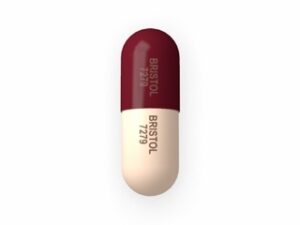
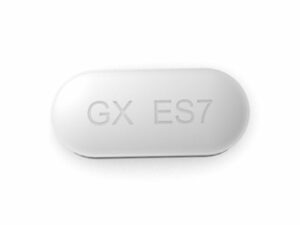
Advent DT (Amoxicillin/Clavulanic Acid) — Patient Information (UK)
Advent DT is a brand of amoxicillin/clavulanic acid, an antibiotic used to treat a range of bacterial infections. This guide explains how it works, how it’s used, what to expect, and important safety information for people in the United Kingdom. Always follow the instructions given with your medicine and seek medical advice if you are unsure.
Note: Antibiotics are medicines for bacterial infections. They do not work for viral illnesses such as colds and most sore throats.
1. Basic product information
| Feature | Details |
|---|---|
| Medicine name | Advent DT (Amoxicillin/Clavulanic Acid) |
| Active ingredients | Amoxicillin + Clavulanic acid |
| Medicine type | Broad-spectrum antibiotic (penicillin group) |
| How it works | Combination antibiotic to help overcome bacterial resistance |
| Common formulation | Oral tablets/sachets or similar oral dose forms (DT varies by product presentation) |
| Availability (UK) | Widely used; availability depends on strength and formulation |
Strengths and presentation can vary. Check the packaging for the exact dose (for example, how many mg of amoxicillin and clavulanic acid each dose contains).
2. Mechanism of action (how Advent DT works)
Amoxicillin is a penicillin-type antibiotic that kills bacteria by interfering with how they build their cell walls. However, some bacteria produce enzymes called beta-lactamases that can break down amoxicillin, making it less effective.
Clavulanic acid is a beta-lactamase inhibitor. It helps protect amoxicillin from being inactivated by these enzymes, allowing the combination to work against a broader range of bacteria.
In simple terms
- Amoxicillin damages bacterial cell-wall formation.
- Clavulanic acid blocks bacterial enzymes that resist amoxicillin.
- Together, the combination may be effective for infections where plain amoxicillin may fail.
3. Pharmacokinetics (what the body does to the medicine)
Pharmacokinetics describes how a medicine is absorbed, distributed, metabolised, and eliminated. While individual responses vary, the combination of amoxicillin and clavulanic acid generally shows:
- Absorption: Amoxicillin and clavulanic acid are absorbed from the gut after oral dosing. Taking the medicine with food can improve tolerability, and may reduce stomach upset.
- Distribution: Both components distribute into many body tissues and fluids, including areas where infections commonly occur.
- Metabolism: Minimal metabolism occurs, but clavulanic acid may be metabolised in the body.
- Elimination: Primarily by the kidneys (urine). People with kidney problems may need adjusted dosing and closer monitoring.
If you have kidney impairment or reduced kidney function, discuss this with a clinician or pharmacist before starting Advent DT, as dosing intervals or the total daily dose may need adjustment.
4. Typical use in the UK (what infections it treats)
Advent DT (amoxicillin/clavulanic acid) is used for suspected or confirmed bacterial infections where this antibiotic is appropriate. The exact choice depends on the infection site, likely bacteria, local resistance patterns, and the patient’s medical history.
Common indications (examples)
- Ear, nose and throat (ENT) infections (e.g., acute otitis media, sinusitis, certain throat infections)
- Chest infections such as some cases of bronchitis or pneumonia (depending on clinical assessment)
- Dental infections and infections around the mouth (e.g., tooth abscess)
- Skin and soft tissue infections (e.g., infected wounds, cellulitis)
- Urinary tract infections (UTIs) in selected cases (based on bacterial likelihood and resistance)
- Animal bites or human bites involving bacterial contamination
The antibiotic is not effective against viruses (for example, flu or most common colds). If symptoms are severe or persist, seek medical advice promptly.
5. Timing & how to take Advent DT
Follow your healthcare professional’s instructions and the directions on the packaging. The dosing schedule is usually designed to keep antibiotic levels steady during the day.
General timing guidance
- Try to space doses evenly across the day (for example, morning and evening for twice daily dosing).
- Complete the course even if you feel better, unless told to stop.
- Missed dose: If you forget a dose, take it as soon as you remember unless it is close to the next dose. Do not take a double dose to make up for a missed one.
- If you vomit: If vomiting occurs soon after taking a dose, another dose may be needed. Check with a pharmacist for advice based on timing and your specific product.
With or without food?
Advent DT is often better tolerated when taken with food. This may reduce the chance of nausea, stomach discomfort, or diarrhoea. If your packaging says “take with food,” follow that advice.
6. Food interactions (what to know)
Food does not typically “cancel out” antibiotic activity, but it can influence how well the medicine sits in the stomach. For many people, taking amoxicillin/clavulanic acid at the start of a meal helps improve comfort.
- Take with meals: Often reduces gastrointestinal upset.
- Stay hydrated: Helpful if you experience diarrhoea or mild stomach upset.
- Do not take with alcohol-containing drinks: See alcohol section below for more detail.
There are no well-known major food “avoidances” for amoxicillin/clavulanic acid in most people, but individual tolerance varies.
7. Alcohol and medicine interactions
Alcohol
It’s generally advisable to limit or avoid alcohol
Other common medicine interactions
Tell your pharmacist or clinician about all medicines and supplements you use, including over-the-counter products. Some interactions to be aware of:
- Oral anticoagulants (e.g., warfarin): Antibiotics can affect gut bacteria involved in vitamin K production. This may alter INR in some people. Close monitoring is often needed.
- Allopurinol: Using with amoxicillin may increase the risk of rash in some individuals. Discuss if you take allopurinol.
- Methotrexate: Antibiotics may influence methotrexate levels or effects. Seek advice if you use methotrexate regularly.
- Probenecid: May reduce renal clearance of amoxicillin, potentially increasing levels. Your clinician/pharmacist may adjust accordingly.
- Oral contraceptives: Most evidence does not show antibiotics reliably cancel the contraceptive effect, but severe vomiting/diarrhoea can reduce absorption. If you have significant gastrointestinal upset, consider extra contraceptive precautions and seek advice.
If you are unsure whether a medicine or supplement you take interacts with Advent DT, ask a pharmacist. They can check your specific dose and medical situation.
8. Indications & suitability (who it’s for and when it’s not)
Advent DT is indicated for bacterial infections where amoxicillin/clavulanic acid is appropriate. Suitability depends on your clinical assessment and history.
Do not use if...
- You have a known allergy to penicillins (or a history of severe allergic reaction to amoxicillin/clavulanic acid).
- You have previously had serious hypersensitivity reactions to similar beta-lactam antibiotics.
- You have had antibiotic-associated jaundice or liver problems linked to amoxicillin/clavulanic acid in the past.
Extra caution needed if you have...
- Kidney impairment (dose may require adjustment).
- Liver problems or past liver reactions with antibiotics.
- History of colitis or antibiotic-associated diarrhoea.
- Coagulation issues or medications affecting clotting (e.g., warfarin).
If you develop severe or persistent symptoms during treatment, stop and seek urgent advice—especially if allergic reaction signs appear.
9. Dosing (general information)
Dosing depends on factors such as the type and severity of infection, age, and kidney function, as well as the specific product strength.
Typical dosing approach
- Adults: Often taken two or three times daily depending on regimen and strength.
- Children: Dose is usually based on body weight and infection severity.
- Kidney impairment: A clinician may alter the dose or dosing interval.
- Course length: Commonly ranges from a few days to around a week or longer depending on the infection. Some infections require longer courses.
Important: Always use the dose stated on your Advent DT packaging or the instructions you received. If you have the wrong strength or are uncertain about how many tablets/amount to take, check with a pharmacist before starting.
How to take safely
- Use a glass of water.
- If your product is a dispersible (“DT”) type, follow the leaflet for how to dissolve/disperse and how quickly to take it.
- Do not chew tablets that are not intended to be chewed.
10. Safety profile & side effects
Like all medicines, Advent DT can cause side effects. Many are mild and improve as your body adjusts, but some reactions require urgent medical attention.
Common side effects
- Diarrhoea (sometimes mild)
- Nausea or stomach discomfort
- Skin rash (non-allergic rashes can occur, especially with certain predispositions)
- Vaginal thrush or oral thrush (overgrowth of yeast)
Less common but important
- Signs of liver irritation: yellowing of skin/eyes, dark urine, itching, or right-sided abdominal discomfort
- Severe diarrhoea: persistent watery stools, blood/mucus in stool, fever, or severe abdominal cramps (possible antibiotic-associated colitis)
Seek urgent help immediately if you have
- Allergic reaction such as swelling of face/lips/tongue, wheezing, breathing difficulty, or widespread hives
- Severe skin reactions (blistering, peeling, painful rash)
If you experience any severe symptoms, contact emergency services or urgent medical care.
Driving and operating machinery
Advent DT is not usually expected to affect driving ability. However, some people may feel unwell, dizzy, or fatigued due to infection or side effects. Use caution if you feel impaired.
11. Practical use tips (to get the best results)
- Start on time: Begin the antibiotic at the recommended time after advice is given.
- Take with food when possible: This can reduce stomach upset.
- Don’t stop early: Completing the course reduces risk of relapse and antibiotic resistance.
- Watch for red flags: High fever, worsening symptoms, or severe diarrhoea should be reviewed quickly.
- Support your gut: If diarrhoea occurs, stay hydrated. Consider asking a pharmacist about probiotic suitability if appropriate. (Not all products are suitable for everyone.)
- Keep track: Use a reminder on your phone or a dosing chart.
- Store properly: Keep medicine in its original packaging and store as directed (often at room temperature, away from heat and moisture).
When to expect improvement
Many people start to feel better within 48–72 hours, although this depends on the infection. If there is no improvement or symptoms worsen, seek medical advice to confirm diagnosis and consider alternatives.
12. Alternative options (what else may be used)
Antibiotic choice depends on the infection, likely bacteria, allergies, pregnancy status, and local resistance. If amoxicillin/clavulanic acid is not suitable or not effective, clinicians may consider alternatives such as:
- Narrower penicillins (when beta-lactamase resistance is unlikely)
- Cephalosporins (in selected cases, depending on allergy history)
- Macrolides (e.g., for certain respiratory or atypical infections where appropriate)
- Doxycycline (for selected infections and circumstances)
- Other antibiotics guided by culture results or local guidelines
In dental, skin, or bite-related infections, sometimes additional care such as drainage or removal of a focus is needed alongside antibiotics. Always follow the advice of a healthcare professional for infection management.
13. Market and legal context in the United Kingdom
In the UK, antibiotics are governed under medicines legislation and antimicrobial stewardship guidance to help ensure effective treatment and reduce antibiotic resistance. Medicines classification and supply routes can vary by product form and strength.
For online pharmacy services, supply processes are designed to meet UK regulatory requirements, including appropriate patient screening and support when needed. Always provide accurate information about allergies, medical history, and other medicines you take.
Antibiotic stewardship (why it matters)
Organisations such as the NHS and UKHSA promote responsible antibiotic use. Taking antibiotics only when they are likely to help—and using the correct dose and duration—supports both individual safety and public health.
14. Recent guidance (high-level UK themes)
UK clinical guidance typically emphasises:
- Appropriate prescribing: Antibiotics should be used when bacterial infection is likely, based on symptoms and examination.
- Reassessment: If no improvement occurs within a reasonable timeframe, clinicians review diagnosis and consider alternatives.
- Duration: Use the shortest effective course for the infection type.
- Safety checks: Allergy history, kidney/liver function considerations, and interaction screening remain key.
Local pathways and clinical judgement may vary by infection type and setting (primary care, emergency care, hospitals).
15. Delivery and availability (UK online pharmacy)
Availability of Advent DT depends on the specific strength and formulation. Many online pharmacies in the UK can deliver medicines to eligible postcodes.
Delivery considerations
- Dispatch times: Typically shown at checkout and may vary by demand and stock levels.
- Cold chain: Most antibiotic tablets/dispersible products do not require refrigeration unless stated otherwise.
- Package integrity: Store in line with the leaflet and check the expiry date upon arrival.
- Availability issues: If a product is temporarily unavailable, some services may offer a suitable equivalent where permitted.
If you need Advent DT urgently, choose a delivery option that matches the timeframe displayed during ordering, and contact the pharmacy support team if needed.
16. FAQ (Frequently asked questions)
1) What is Advent DT used for?
Advent DT (amoxicillin/clavulanic acid) is used to treat bacterial infections such as certain ear, throat, chest, dental, skin/soft tissue, urinary, and bite-related infections—depending on clinical assessment and local guidance.
2) How quickly should I feel better?
Many people notice improvement within 48–72 hours. If symptoms worsen or you see no improvement after that, seek medical advice so the infection can be reassessed.
3) Can I take Advent DT on an empty stomach?
You can often take it as prescribed, but taking it with food may reduce stomach upset and diarrhoea. Follow the instructions on your packaging or the advice provided by your pharmacist.
4) What if I miss a dose?
Take it as soon as you remember unless it’s nearly time for the next dose. Do not take a double dose to make up for the missed one. If you’re unsure, ask a pharmacist.
5) What are the signs of an allergic reaction?
Watch for swelling of the face/lips/tongue, breathing difficulty, wheezing, or widespread hives. These can be signs of a serious allergy—seek urgent help immediately.
6) Can I drink alcohol while taking Advent DT?
It’s best to avoid or limit alcohol while you’re unwell and on antibiotics. Alcohol can worsen dehydration and gastrointestinal side effects. If you choose to drink, do so cautiously and consider avoiding altogether until you feel better.
7) Does Advent DT interact with warfarin?
It can. Antibiotics may affect INR in people taking warfarin. If you take warfarin or other blood thinners, you should have appropriate INR monitoring and seek medical advice if instructed.
8) Will this antibiotic cause diarrhoea?
Diarrhoea is a possible side effect. Mild diarrhoea can occur, but severe or persistent diarrhoea, especially if watery or with blood/mucus, requires medical review promptly.
9) Can I take it if I have kidney problems?
People with reduced kidney function may need dose adjustments. Check with a pharmacist or clinician for advice based on your kidney status.
10) Are there alternatives if I can’t take amoxicillin/clavulanic acid?
Alternatives depend on the infection and allergy history. A clinician or pharmacist can recommend suitable options (for example other antibiotic classes) and consider whether non-antibiotic management is appropriate.
Summary
Advent DT (amoxicillin/clavulanic acid) is a penicillin-based antibiotic combination designed to treat certain bacterial infections, including those where beta-lactamase resistance is present. It works by disrupting bacterial cell-wall formation and by protecting amoxicillin from breakdown. Take it as directed, ideally with food to improve tolerance, and complete the course unless advised otherwise.
If you experience signs of allergy, severe diarrhoea, or lack of improvement after a few days, seek medical advice promptly. For individual dosing, suitability, and interaction checks, speak to a pharmacist.