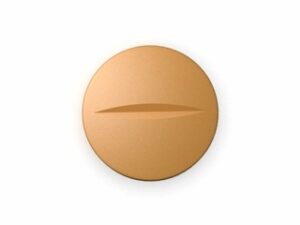
Amiloride: Uses, How It Works, Dosing & Safety (UK Guide)
Amiloride is a medicine used to help the body get rid of excess salt and water while helping protect potassium levels. It belongs to a group of medicines called diuretics. In the UK, amiloride may be prescribed alone or more commonly as part of combination treatments, depending on your condition and blood test results.
This patient-friendly guide explains what amiloride is, how it works, how it’s taken, possible side effects, key drug and alcohol interactions, and what to expect in everyday use.
Basic product information
| Information | Details |
|---|---|
| Generic name | Amiloride |
| Medicinal type | Potassium-sparing diuretic |
| Main effect | Increases urine output while reducing potassium loss |
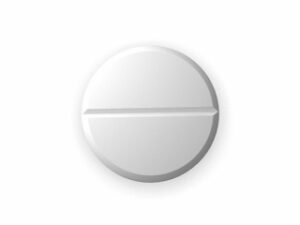
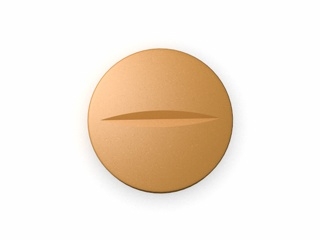
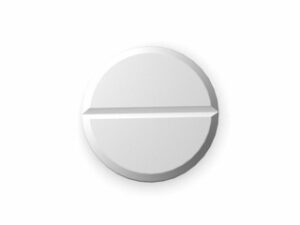
| Common forms | Tablets (strengths vary by product) |
| Typical storage | Store at room temperature, away from moisture and heat; keep out of reach of children |
Important: The exact dose and whether it is used alone or in combination depends on the condition being treated and on blood test results (especially potassium and kidney function).
How amiloride works (mechanism of action)
Amiloride is a potassium-sparing diuretic. It works in the kidney—specifically in the distal tubule of the nephron—where it blocks a transport mechanism called the epithelial sodium channel (ENaC).
- By blocking ENaC, amiloride reduces sodium reabsorption.
- Less sodium is reabsorbed, so more sodium and water are excreted into the urine.
- Because less sodium reabsorption occurs without the same level of potassium loss seen with some other diuretics, amiloride helps reduce the risk of low potassium (hypokalaemia).
Overall, the medicine can relieve fluid retention (oedema) and help manage conditions where controlling salt and water balance is important—while being gentler on potassium levels than many alternative diuretics.
Pharmacokinetics (how the body handles amiloride)
Pharmacokinetics describes what the body does with a medicine. Key points for amiloride include:
- Absorption: Amiloride is absorbed after oral administration. The onset of diuretic effect typically begins after the tablet is taken.
- Distribution: It distributes into body fluids; plasma levels and tissue distribution vary among individuals.
- Metabolism: Amiloride is not extensively metabolised by the liver.
- Elimination: The kidneys are the main route of excretion. This is why kidney function is crucial for safe use.
- Half-life: The time it takes for the amount of drug in the body to reduce by half varies, but it is sufficient for once- or twice-daily dosing in many patients (depending on the regimen).
Why this matters: If you have reduced kidney function, amiloride can build up more easily, increasing the risk of side effects—particularly high potassium (hyperkalaemia).
Typical uses of amiloride in the UK
Amiloride is used to:
- Prevent or correct low potassium caused by other diuretics (especially “loop” or “thiazide” diuretics).
- Treat fluid retention (oedema) in certain conditions, often when potassium-sparing is desired.
- Support blood pressure management in some regimens where diuretics are appropriate.
In practice, amiloride is often chosen when a clinician wants a diuretic effect while limiting potassium loss, or when fluid and salt balance problems co-exist with a risk of electrolyte imbalance.
When to take amiloride (timing and routine)
Many people are advised to take amiloride once daily or split into doses depending on their prescribed plan.
- To reduce night-time waking: If you notice frequent urination, take the medicine earlier in the day.
- Try to take it at the same time(s) each day: Consistent timing helps maintain steady effect.
- If you miss a dose: Take it when you remember unless it’s close to the next scheduled dose. Do not double up.
Practical tip: Keep a simple medication record or set a daily reminder to support adherence—diuretics can change fluid balance, so timing matters.
Food interactions: what to know
Amiloride may be affected by the way your body handles salt and potassium. The main dietary considerations are:
- Potassium intake: Avoid unnecessary high-potassium supplementation unless your prescriber has advised it.
- Salt substitutes: Some “low-salt” products contain potassium chloride. These can increase potassium and may not be suitable.
- General diet: Follow the dietary guidance you were given—especially if you have kidney problems or a history of electrolyte imbalance.
Amiloride can usually be taken with or without food. If the medicine upsets your stomach, taking it with a small snack may help.
Alcohol interactions
Alcohol does not usually have a direct chemical interaction with amiloride, but it can affect your health in ways that matter:
- Dehydration risk: Alcohol can worsen dehydration in some people, potentially altering diuretic effects.
- Blood pressure changes: Alcohol may contribute to dizziness or lower blood pressure, which can be more noticeable when taking diuretics.
Advice: If you drink alcohol, do so in moderation and pay attention to dizziness, light-headedness, and how your fluid balance feels. If you have liver disease or significant cardiovascular conditions, seek personalised advice.
Medicine interactions (important)
Amiloride can interact with several medicines, especially those that affect kidney function or potassium.
Medicines that increase potassium (risk of hyperkalaemia)
- Other potassium-sparing diuretics (e.g., triamterene, spironolactone) or combinations that increase potassium.
- ACE inhibitors (e.g., enalapril, lisinopril).
- Angiotensin II receptor blockers (ARBs) (e.g., losartan, valsartan).
- Potassium supplements and salt substitutes containing potassium chloride.
- Some anti-inflammatory medicines (NSAIDs), especially at higher doses or in long courses (they may affect kidney function and potassium balance).
- Heparin (blood thinner) may also raise potassium in some cases.
Medications that affect kidney function
- NSAIDs (ibuprofen, naproxen, diclofenac) can reduce kidney blood flow in certain patients.
- Some treatments that affect hydration or blood pressure may change the diuretic’s impact.
Other diuretic or blood pressure medicines
- Taking amiloride alongside other blood pressure or diuretic medicines can increase the chance of low blood pressure or changes in electrolytes.
What you should do: Before starting or stopping any medicine, check with a pharmacist or clinician—particularly if you take medicines for blood pressure, heart failure, gout, pain relief (especially NSAIDs), or if you have kidney disease.
Indications: what conditions amiloride is used for
In the UK, amiloride is commonly used for the following clinical reasons:
- Oedema associated with conditions where diuresis is needed, particularly when potassium conservation is beneficial.
- Prevention of hypokalaemia in patients taking other diuretics that may lower potassium.
- Hypertension (high blood pressure) as part of a broader treatment plan where a diuretic approach is suitable.
Which indication applies to you depends on your diagnosis and lab results.
Dosing: how much amiloride is usually taken
Dosing varies by individual circumstances, including kidney function and the reason for treatment. Your prescriber will determine the right dose for you.
General dosing principles:
- Start low when appropriate: People at higher risk of side effects (e.g., kidney impairment) may start at a lower dose.
- Adjust based on blood tests: Potassium and kidney function are commonly checked after starting and after dose changes.
- Typical frequency: Often once daily or divided doses depending on the product and clinical need.
Safety note: Do not change your dose without medical advice. Overdosing or taking incorrect amounts increases the risk of severe electrolyte disturbances.
Safety profile: side effects and when to seek help
Like all medicines, amiloride can cause side effects. Many people tolerate it well, but the most important risk is related to potassium and kidney function.
Common or mild side effects
- Nausea or stomach discomfort
- Headache
- Increased urination (expected as part of diuretic effect)
- Dizziness, especially when standing up quickly
Serious side effects (seek urgent advice)
Contact urgent medical care or seek immediate advice if you develop symptoms that could suggest high potassium or significant electrolyte problems, such as:
- Muscle weakness or unusual tiredness
- Palpitations or irregular heartbeat
- Severe dizziness or fainting
- Confusion or feeling very unwell
These symptoms are not specific to amiloride, but they can be associated with electrolyte imbalance. Potassium levels may need urgent assessment.
Who needs extra caution?
- People with kidney impairment or reduced kidney function
- Older adults (kidney function can decline with age)
- People taking multiple medicines that affect potassium (e.g., ACE inhibitors/ARBs)
- Those with diabetes or other conditions that increase risk of kidney and electrolyte changes
Practical use tips for safer day-to-day use
- Attend blood test monitoring: Your clinician may check potassium and kidney function at intervals, especially after starting or increasing the dose.
- Stay hydrated appropriately: Follow your clinician’s advice on fluid intake. Too little fluid can worsen kidney-related side effects.
- Be careful with supplements: Avoid potassium supplements unless specifically instructed.
- Check ingredients: Review labels for salt substitutes and “low-salt” products.
- Stand up slowly: If you feel light-headed, rise slowly from sitting or lying positions.
- Track symptoms: Keep a note of dizziness, weakness, or changes in urine frequency.
Alternative options (discuss with a clinician or pharmacist)
Depending on why you’re taking amiloride, alternatives may include:
- Other diuretics (e.g., thiazides or loop diuretics) — but these may have a higher risk of low potassium than amiloride.
- Other potassium-sparing diuretics (e.g., spironolactone or triamterene) — suitable in some conditions but can differ in side effect profiles.
- Combination treatments that balance diuretic effects while managing electrolytes.
- Non-diuretic blood pressure options if hypertension is the main concern.
Note: The best alternative depends on your diagnosis, kidney function, and the reason potassium preservation is important. A pharmacist can help compare common options and what to monitor.
UK market and legal context (how it fits in the NHS and UK medicines system)
In the United Kingdom, medicines are regulated by the Medicines and Healthcare products Regulatory Agency (MHRA) and must follow legal and safety requirements for supply and distribution.
Many diuretics are available through NHS care pathways for people who have an appropriate diagnosis and are monitored for safety. UK pharmacy supply may involve pharmacist review of your medicines list, especially for high-risk interactions such as those affecting potassium.
On online pharmacy platforms, medicines availability can vary depending on whether the product is supplied under usual prescribing arrangements or other regulated pharmacy channels. Always check the details shown on the pharmacy page and follow any guidance provided at checkout.
Recent guidance and monitoring considerations
While guidance can vary by condition and by local NHS area, general UK safety themes for diuretics and electrolyte management include:
- Regular monitoring of electrolytes (especially potassium) after initiation or dose changes.
- Review of “high-risk” medicines that may increase potassium (ACE inhibitors/ARBs, potassium supplements, NSAIDs in some circumstances).
- Attention to kidney function and dehydration risk, particularly during illness (e.g., vomiting, diarrhoea, fever) when kidney function can worsen temporarily.
- Patient education on recognising symptoms of electrolyte imbalance.
During acute illness: If you become seriously unwell with vomiting or diarrhoea, it may affect kidney function and electrolyte balance. Seek timely medical advice on what to do with your medicines on “sick days”.
Delivery and availability (UK online pharmacy)
Availability of amiloride products can vary by supplier and strength. When ordering online in the UK, you can generally expect:
- Clear product information (strength, dosage form, and manufacturer details).
- Estimated delivery options shown at checkout.
- Standard UK delivery coverage to addresses where permitted.
- Packaging designed to protect tablets from moisture and damage.
Delivery times depend on stock status and the selected service level. If a product is temporarily unavailable, the website may offer alternative brands or strengths.
FAQ: Amiloride (patient questions)
1) What is amiloride used for?
Amiloride is used as a potassium-sparing diuretic. It can help reduce fluid retention and can be used to prevent or treat low potassium that may be caused by other diuretics. In some cases, it supports blood pressure control.
2) How soon does amiloride work?
Diuretic effects can begin within hours of taking a dose. The exact timing varies by person and by dose. If you’re unsure what to expect, check your medicines information and talk to a pharmacist.
3) Should I take amiloride with food?
Amiloride can typically be taken with or without food. If it upsets your stomach, taking it with a snack may help.
4) Can I take salt substitutes?
Some salt substitutes contain potassium chloride. These can raise potassium levels and may be unsafe with amiloride. Ask a pharmacist before using salt substitutes or potassium-rich products.
5) What foods should I avoid?
You don’t usually need a strict “no potassium” diet unless advised. However, avoid unnecessary potassium supplementation and follow any diet guidance given for kidney or electrolyte issues.
6) What are the biggest risks?
The main safety concern is high potassium (hyperkalaemia), especially if you have kidney problems or take other medicines that raise potassium. Kidney function and electrolytes are commonly monitored.
7) Can I drink alcohol while taking amiloride?
Moderate alcohol is usually possible for many people, but alcohol can worsen dehydration and may contribute to dizziness or lower blood pressure. If you feel light-headed, reduce alcohol and seek advice.
8) What medicines should not be taken with amiloride?
Extra caution is needed with medicines that increase potassium or affect kidney function, such as ACE inhibitors, ARBs, potassium supplements/salt substitutes, and NSAIDs in some circumstances. Always check your full list with a pharmacist.
9) What should I do if I miss a dose?
Take it when you remember unless it’s almost time for your next dose. Do not double the dose. If you miss multiple doses, seek advice.
10) When should I seek urgent help?
Seek urgent medical attention if you develop symptoms suggestive of serious electrolyte imbalance—such as significant muscle weakness, palpitations, severe dizziness, or fainting.
Summary
Amiloride is a potassium-sparing diuretic that helps your kidneys remove excess salt and water while lowering the risk of potassium loss. It’s commonly used for fluid retention and to prevent or correct low potassium associated with other diuretic treatments. Because it can raise potassium in some situations—especially with reduced kidney function—safe use relies on appropriate dosing, avoiding high-potassium supplements/salt substitutes, and monitoring kidney function and potassium levels.
If you have kidney disease, take medicines for blood pressure or heart conditions, or are unsure about diet or supplements, speak with a pharmacist to confirm the safest plan for you.