

Amoxil (Amoxicillin) – Patient-Friendly Guide (UK)
Amoxil is a brand name for amoxicillin, a widely used antibiotic. This guide explains what Amoxil is used for, how it works, how it behaves in the body, and practical advice to help you take it safely. It also covers common interactions, side effects, and frequently asked questions.
Important: Antibiotics treat bacterial infections. They do not work for viral illnesses such as colds or flu.
1. Basic Product Information
| Category | Details |
|---|---|
| Medicine | Amoxil (amoxicillin) |
| Type | Antibiotic (penicillin group) |
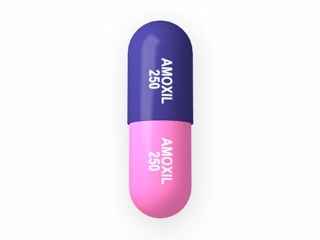
| Common forms | Tablets/capsules/suspension (strength varies by product) |
| How it’s taken | By mouth |
| Typical dosing schedule | Often 2–3 times daily depending on the infection |
| Availability in the UK | Prescription-only medicine in the UK; availability depends on local supply |
2. How Amoxil Works (Mechanism of Action)
Amoxicillin is a beta-lactam antibiotic in the penicillin family. It works by interfering with the bacteria’s ability to build and maintain their cell wall.
- Cell wall disruption: Amoxil blocks specific enzymes involved in forming the bacterial cell wall.
- Bacterial growth stops: Without a functioning cell wall, bacteria become unstable and die, or stop multiplying.
- Why it matters: This means it can help clear certain bacterial infections and reduce symptoms over time.
Note on resistance: Some bacteria may produce enzymes (e.g., beta-lactamases) that reduce the effectiveness of amoxicillin. In those cases, a different antibiotic—or a combination such as amoxicillin with clavulanic acid—may be preferred.
3. Pharmacokinetics (What Happens to the Medicine in the Body)
Pharmacokinetics describes how the body absorbs, distributes, metabolises, and eliminates medicine.
Absorption
- Amoxicillin is generally well absorbed when taken by mouth.
- Peak levels in the blood are typically reached within a few hours.
Distribution
- Amoxicillin can reach a range of tissues and body fluids, including areas relevant to common infections.
- As with many antibiotics, it works best when maintained at effective levels for the full course.
Metabolism and elimination
- Amoxicillin is mostly eliminated by the kidneys.
- People with reduced kidney function may need dose adjustments or extra monitoring.
4. Typical Uses in the UK
Amoxil is used to treat infections caused by susceptible bacteria. The exact choice of antibiotic depends on the suspected organism, the infection site, and local guidance.
Common indications may include:
- Ear, nose, and throat infections (e.g., some types of bacterial tonsillitis or middle ear infections)
- Chest infections (in specific cases where bacterial infection is likely)
- Dental infections (where bacterial involvement is suspected)
- Skin and soft tissue infections (mild to moderate cases, depending on local practice)
- Urinary tract infections (UTIs) in appropriate circumstances
How clinicians choose: Your history, examination findings, local resistance patterns, and—where available—test results (such as throat swabs or urine culture) may influence whether amoxicillin is suitable.
5. Timing and How to Take Amoxil
Taking antibiotics correctly helps ensure the medicine works as intended.
Follow the dosing plan
- Take Amoxil at the times stated by your healthcare professional.
- Try to take doses at even intervals (e.g., morning/evening, or morning/afternoon/evening depending on frequency).
- If you miss a dose, see the FAQ section below for general guidance.
Complete the full course
Even if you feel better, finish the course unless a clinician advises stopping. Stopping early can allow surviving bacteria to regrow and may increase the risk of complications or resistance.
How to take the medicine
- Swallow with water if using tablets/capsules.
- Suspension: Shake well before measuring a dose. Use an oral syringe or measuring spoon for accuracy.
- Take doses consistently to maintain effective levels.
6. Food Interactions (Taking With Meals)
Amoxicillin is generally flexible with meals. You can usually take it with food to improve comfort, reduce nausea, or if it upsets your stomach.
- Taking with food: Often helps if you experience stomach upset.
- Taking on an empty stomach: Some people tolerate it well; others may prefer to take it with food.
Practical tip: If you’re prone to nausea, take Amoxil with a snack or meal and stay well hydrated.
7. Alcohol and Medicine Interactions
Alcohol is not always strictly “forbidden” with amoxicillin, but it can worsen side effects such as:
- nausea or vomiting
- stomach irritation
- dizziness or fatigue
Safer approach: Avoid alcohol while you’re unwell and taking antibiotics, or keep it to a minimum. If you have liver disease or other conditions, it’s especially important to discuss alcohol use with a healthcare professional.
Other medicine interactions: Some medicines can interact by affecting kidney clearance, gut absorption, or blood clotting. Always review your full medication list with a healthcare professional or pharmacist.
- Warfarin and other blood thinners: Antibiotics may affect how warfarin works in some people, potentially increasing bleeding risk. Monitoring may be needed.
- Oral contraceptives: The usual guidance is that antibiotics like amoxicillin are not known to significantly reduce contraceptive effectiveness. However, if you have severe vomiting or diarrhoea, contraceptive effectiveness may be reduced—consider extra precautions and seek advice.
- Allopurinol: In some patients, taking allopurinol with amoxicillin has been associated with a higher chance of rash.
8. Indications: When Amoxil May Be Considered
“Indications” means the conditions for which the medicine may be used. In the UK, antibiotic choice is guided by clinical judgement and local antimicrobial stewardship efforts.
Amoxil may be considered when:
- The infection is likely bacterial rather than viral
- The bacteria are expected or proven to be susceptible to amoxicillin
- The infection site and severity match recommended treatment approaches
Examples where antibiotics might be used (depending on diagnosis):
- Some bacterial throat infections
- Selected ear infections
- Dental infections
- UTIs where appropriate
- Skin infections where bacterial involvement is suspected
Reminder: Not all sore throats, coughs, or ear pain need antibiotics. If you’re unsure whether your symptoms are likely bacterial, seek medical advice.
9. Dosing Guidance (General Information for the UK)
Only take Amoxil as advised for your specific condition. Dose varies according to age, weight, kidney function, and the type of infection.
General principles:
- Adults and children may receive different doses and schedules.
- Kidney impairment may require adjusted dosing intervals or amounts.
- Severity and infection site influence duration and frequency.
Common schedules may include:
- Twice daily (every 12 hours) in some infections
- Three times daily in others
Duration: Many courses last around 5–7 days for certain mild infections, but longer courses may be used for more serious or specific infections. Always follow the plan given by your healthcare professional.
10. Safety Profile: Side Effects and When to Seek Help
Like all medicines, Amoxil can cause side effects. Many people experience none or only mild effects.
Common side effects
- Diarrhoea or loose stools
- Nausea
- Stomach discomfort
- Skin rash (may occur in some people)
Less common but important reactions
- Allergic reactions (from mild rash to severe allergy)
- Yeast overgrowth (e.g., oral thrush or vaginal thrush)
Seek urgent medical help if you notice
- Swelling of the face, lips, tongue, or throat
- Difficulty breathing or wheezing
- Severe widespread rash or blistering
- Severe, persistent diarrhoea (especially if watery or with blood)
Allergy considerations
Tell a healthcare professional if you have ever had:
- an allergy to penicillins or cephalosporins
- a previous serious reaction to amoxicillin
Do not take Amoxil if you’ve had a known severe allergy to amoxicillin or other penicillins.
11. Practical Use Tips (Maximise Effectiveness, Minimise Problems)
- Set reminders: Use phone alarms or a medication organiser to avoid missed doses.
- Hydrate: Drinking enough fluids can help with tolerability.
- Watch for tummy symptoms: If you develop diarrhoea, stay hydrated and contact a pharmacist or clinician if it becomes severe.
- Complete the course: Don’t stop early just because you feel better.
- Store correctly: Follow packaging instructions (especially for suspensions, which may require refrigeration depending on the product).
- Keep a record: If symptoms do not improve within a few days, make note of what changed and when.
When to contact a clinician:
- No improvement after a reasonable time (often 48–72 hours depending on the infection)
- Worsening symptoms at any time
- High fever, severe pain, or signs of spreading infection
12. Alternative Options (If Amoxicillin Isn’t Suitable)
The best alternative depends on your diagnosis and allergy status. Common alternatives considered by clinicians include:
- Amoxicillin–clavulanic acid (to help overcome certain resistance mechanisms)
- Cephalosporins in selected patients (use depends on allergy history)
- Macrolides (e.g., if penicillin allergy is present and the infection fits guidance)
- Other antibiotics based on culture results or local protocols
Do not switch antibiotics yourself: Ensure the chosen option matches the likely bacteria and your personal medical history.
13. Market and Legal Context in the United Kingdom
In the UK, antibiotics such as amoxicillin are regulated medicines. They are typically available only via appropriate clinical assessment, helping reduce misuse and antimicrobial resistance.
- Antimicrobial stewardship: UK guidance encourages using antibiotics only when needed and choosing the narrowest effective option.
- Safety and monitoring: Prescribers consider allergies, kidney function, infection severity, and drug interactions.
- Resupply and availability: Availability can be affected by manufacturing or supply chain factors, which may lead to product or strength substitutions in certain periods.
Pharmacy support: Community pharmacists can help confirm correct administration, interactions, and side-effect management.
14. Recent Guidance (General UK Antimicrobial Principles)
Across the UK, ongoing clinical guidance emphasises:
- Only treating bacterial infections when antibiotic therapy is appropriate
- Short, effective courses where evidence supports it
- Reviewing patient progress and reassessing if symptoms do not improve
- Reducing unnecessary antibiotic use to slow antimicrobial resistance
Local guidance may also recommend diagnostic tests or watchful waiting for certain mild infections depending on symptoms and age group.
15. Delivery and Availability (UK Online Pharmacy)
Availability of specific Amoxil strengths and formulations may vary. When you place an order online, your pharmacy may dispatch based on stock and regional delivery routes.
What to expect
- Packaging: Medicines are typically shipped in secure, tamper-evident packaging.
- Cold chain: Some liquid formulations may require specific storage conditions; follow the instructions on the label.
- Delivery times: Delivery speed depends on your postcode and chosen delivery method (standard vs expedited services).
If an item is out of stock: A pharmacy may contact you about alternatives (such as different strengths or equivalent formulations) when appropriate under UK pharmacy standards.
16. FAQ – Amoxil (Amoxicillin)
1) What is Amoxil used for?
Amoxil (amoxicillin) is an antibiotic used to treat certain bacterial infections, depending on the infection site and the likely bacteria involved.
2) How quickly should I feel better?
Many people notice some improvement within 48–72 hours. If you feel worse, develop new severe symptoms, or see no improvement after this time, contact a healthcare professional.
3) Can I take Amoxil with food?
Yes. Taking it with food can help reduce stomach upset. Follow the advice on your medicine label.
4) Is it safe to drink alcohol while taking Amoxil?
Alcohol may increase the chance of side effects such as nausea or upset stomach. It’s generally safest to avoid alcohol while you’re unwell and taking the antibiotic. If you choose to drink, do so cautiously and consider your overall health.
5) What should I do if I miss a dose?
In general, take the missed dose as soon as you remember unless it is close to the next dose. If it’s nearly time for the next dose, skip the missed dose. Do not take a double dose. If you’re unsure, ask a pharmacist for advice.
6) What if I accidentally take too much?
Contact a pharmacist or healthcare professional for advice. In case of severe symptoms, seek urgent medical help.
7) Can Amoxil cause diarrhoea?
Yes. Mild diarrhoea can happen. However, severe or persistent diarrhoea—especially if watery or with blood—requires prompt medical advice.
8) What if I develop a rash?
Mild rashes can occur, but some rashes may indicate an allergy. Seek urgent help if you have swelling, breathing difficulty, or a widespread severe rash or blistering. Contact a healthcare professional as soon as possible if you’re concerned.
9) Should I stop Amoxil if I feel better?
Usually no—you should complete the course unless your healthcare professional tells you to stop. Stopping early can allow infection to return.
10) Does amoxicillin interact with other medicines?
Some medicines can interact, including blood thinners such as warfarin. If you take regular medication, check with a pharmacist—especially if you’re on anticoagulants, oral contraceptives, or treatment for gout.
11) Who should take extra care?
Extra caution is needed for people with penicillin allergy history, kidney problems, or those taking medicines that affect blood clotting. Tell your pharmacist or clinician about your full medical history.
Summary
Amoxil (amoxicillin) is a penicillin-group antibiotic used for specific bacterial infections. It works by targeting bacterial cell wall formation, and it is generally well absorbed when taken by mouth. Food usually has little impact on how you take it, and many people can take it with meals if it upsets their stomach. While many side effects are mild, allergic reactions and severe diarrhoea require urgent attention. If you’re unsure whether your symptoms need antibiotics, or if you’re concerned about side effects or interactions, speak to a healthcare professional or pharmacist.
Always read the patient information leaflet provided with your medicine and follow the guidance on the label.