Androgel (Testosterone topical) – Patient Guide (United Kingdom)
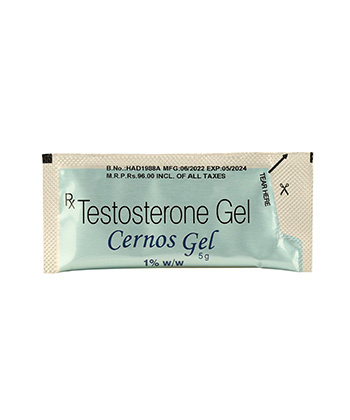
Androgel is a testosterone replacement medicine used to treat men with low or absent testosterone levels due to specific medical conditions. It is applied to the skin and absorbed into the bloodstream to help restore testosterone levels and related symptoms.
This guide explains how Androgel works, how it is used, important safety information (including precautions to protect others from accidental exposure), and practical tips for everyday use in the UK.
1) Basic product information
| Feature | What it means |
|---|---|
| Medicine | Androgel (testosterone) topical gel |
| How it’s taken | Applied once daily to clean, dry skin |
| Purpose | Testosterone replacement in adult males with confirmed hypogonadism |
| Key safety focus | Prevent partner/child contact with treated skin until fully dry and covered |
| Typical dosing flexibility | Dose is adjusted to achieve appropriate testosterone blood levels |
2) What is testosterone and what does Androgel do?
Testosterone is a natural male sex hormone (androgen) that supports many body functions, including:
- Development and maintenance of male reproductive tissues
- Sexual function (e.g., libido)
- Bone density and muscle mass
- Red blood cell production
- Mood and energy in some men
When testosterone levels are too low due to certain conditions, symptoms can occur. Androgel provides external testosterone to raise blood levels toward normal ranges.
3) Mechanism of action (how it works)
Androgel delivers testosterone through the skin. After application, testosterone is absorbed through the skin and enters the bloodstream. It then acts on androgen receptors in target organs and tissues, helping restore androgen-dependent functions.
Depending on your body, a portion of testosterone may be converted (metabolised) to other active forms (such as estradiol and dihydrotestosterone), which also contribute to its effects and side effects.
4) Pharmacokinetics (how the body handles it)
Pharmacokinetics describes what happens to a medicine in the body—absorption, distribution, metabolism, and elimination.
Absorption
With Androgel, testosterone is absorbed through the skin. Levels typically rise after application, then remain relatively stable over the day. Blood concentrations generally reflect the chosen dose and application technique.
Distribution and metabolism
Testosterone circulates in the bloodstream and is partly bound to specific proteins. It is metabolised in the liver and other tissues, and its metabolites are eventually eliminated.
Elimination
The body removes testosterone and its metabolites mainly through normal metabolic pathways, with excretion in urine and faeces. Because testosterone levels depend on daily application, consistent use is important.
5) Typical use in the UK
Androgel is used for testosterone replacement therapy in adult men with symptoms of low testosterone and confirmed low testosterone levels on blood testing, due to recognised medical causes (for example, primary testicular failure or certain pituitary/hypothalamic disorders).
It is not intended for age-related low testosterone alone unless a doctor has confirmed low levels and an underlying condition.
Common reasons men start treatment
- Low libido or erectile dysfunction related to confirmed hypogonadism
- Reduced energy or mood changes associated with low testosterone
- Loss of muscle mass or increased body fat in some cases
- Reduced bone mineral density (osteoporosis/low bone strength) related to low testosterone
6) Indications (when it is used)
In clinical practice in the UK, Androgel is indicated for adult males with hypogonadism diagnosed by clinical features and biochemical testing. Treatment aims to restore testosterone levels and improve symptoms.
Your healthcare professional may explain that treatment requires monitoring of testosterone concentrations and safety checks throughout therapy.
7) How to use Androgel (timing and practical application)
When to apply
- Typically, Androgel is applied once daily, at about the same time each day.
- Many people choose morning application. The exact timing may be tailored based on your testosterone test results and symptom pattern.
Important: Follow the instructions provided with your specific product and the guidance given by your healthcare team. Different formulations and strengths may have slightly different directions.
Where to apply
Androgel is usually applied to the upper arms and/or shoulders and/or other recommended areas depending on the product and instructions. Avoid applying to genitals, the breasts, or areas with irritation. Apply only to skin that is clean and dry.
Step-by-step practical tips
- Wash your hands before and after applying.
- Apply to clean, dry skin. If you have recently showered, wait until your skin is fully dry.
- Use the correct amount for your prescribed dose. Do not increase your dose without medical advice.
- Apply a thin, even layer and allow it to dry naturally. Do not rub with excessive force; follow product instructions.
- Let it fully dry before dressing. This reduces the risk of transfer to other people.
- Cover the application area with clothing after it has dried.
- Wash hands again after application (even if gloves are used, where applicable).
Bathing, swimming, and washing
Try to avoid washing the treated area soon after application. Product-specific instructions will guide how long to wait. If you shower or swim, ensure you follow the recommended intervals so absorption is not disrupted.
8) Dosing and monitoring
Dosing for Androgel depends on the product strength and your response to treatment. Many men start at a standard dose and then have blood tests to confirm testosterone levels are in an appropriate range.
Typical dosing approach
- Start with an initial dose as directed by your healthcare professional.
- Recheck testosterone levels after an appropriate interval.
- Adjust dose up or down to achieve desired levels and reduce side effects.
- Continue periodic monitoring during treatment.
Monitoring commonly includes
- Serum testosterone (timed according to product and local practice)
- Full blood count (for red blood cell increase/haematocrit)
- Liver function tests when appropriate
- Prostate-related checks in line with UK clinical practice and your risk profile
- Assessment of symptoms and side effects
Your clinician may also consider checking metabolic health, bone health, and other factors depending on your age and medical history.
9) Food interactions
Androgel is a topical medicine. Because it is not taken by mouth, the influence of food is generally expected to be minimal. However, overall absorption can still depend on skin condition, application technique, and consistency.
If you notice unexpected effects after dose changes, tell your healthcare professional. Do not adjust timing based on meals unless advised.
10) Alcohol and medicine interactions
Alcohol
Moderate alcohol consumption is not generally expected to directly interact with topical testosterone. However, heavy or regular heavy alcohol intake can affect liver function and overall health, which may influence how your body handles hormones and medicines.
Alcohol may also affect mood, sleep, and sexual function—factors that matter when assessing treatment response.
Other medicines that may interact
Testosterone can interact with some medicines indirectly (for example via changes in blood parameters or hormone pathways). Important interaction risks may include:
- Anticoagulants (“blood thinners”): testosterone may increase the effect of some blood thinners, potentially raising bleeding risk.
- Diabetes medicines: testosterone replacement may improve insulin sensitivity in some men, potentially changing glucose requirements.
- Medicines affecting steroid metabolism: certain drugs can alter steroid hormone metabolism.
- Corticosteroids (if used): hormonal balance and overall treatment strategy may be reviewed by a clinician.
This is not a complete list. Tell your pharmacist or healthcare professional about all medicines you take, including prescription medicines, over-the-counter products, and herbal supplements.
11) Safety profile and precautions
General safety considerations
Testosterone therapy can cause side effects in some people. The likelihood and type of side effects can vary with dose, duration of therapy, individual risk factors, and monitoring.
Common or notable side effects
- Skin reactions at the application site (redness, irritation, itching)
- Headache
- Swelling due to fluid retention in some men
- Acne or oily skin
- Changes in sexual function
- Mood changes
More serious risks (monitoring may help reduce risk)
- Raised red blood cell count (polycythaemia): can increase blood thickness and clot risk. This is why blood tests may be needed.
- Prostate-related effects: testosterone may worsen pre-existing prostate conditions. Clinicians monitor symptoms and may review prostate checks based on age and risk.
- Breast enlargement or tenderness: due to hormonal balance changes.
- Worsening sleep apnoea in some men with risk factors.
- Fertility changes: testosterone therapy can suppress sperm production in many men, potentially affecting fertility. If you plan to have children, discuss options before starting.
- Fluid retention that may worsen symptoms in men with certain heart or kidney conditions.
Accidental transfer to others (important)
A key safety feature of topical testosterone gels is preventing transfer to others. If testosterone gel transfers from your skin to another person, that person could absorb testosterone and develop unwanted effects.
Reduce risk by following these precautions:
- Allow gel to dry fully before dressing.
- Cover the application areas with clothing.
- Avoid skin-to-skin contact with others on the treated areas until the gel is dry and covered.
- Wash hands thoroughly after applying.
- In household situations, consider covering areas more carefully if contact is likely.
- Keep clothing that has been in contact with the gel clean. If you suspect gel transfer (for example, wet gel), wash affected clothing and your skin appropriately.
- If a partner, child, or anyone else might contact treated skin, discuss additional safeguards with a pharmacist or clinician. Extra care is recommended especially around children and women who are or may be pregnant.
If you believe another person has had unintended exposure, contact medical advice promptly, particularly if any symptoms occur.
When to seek medical help quickly
Contact urgent medical help if you experience serious symptoms such as:
- Chest pain, sudden shortness of breath, weakness on one side, or signs of stroke
- Severe headache or vision changes
- Symptoms of a clot (e.g., painful swelling in a leg)
- Allergic reaction symptoms (e.g., swelling of face/lips, trouble breathing)
- Worsening breathing at night or severe sleep-related symptoms
12) Practical use tips for day-to-day success
- Be consistent: apply at the same time daily to support stable testosterone levels.
- Use the correct site: do not move to new areas without guidance.
- Let it dry before dressing—this is central to preventing transfer.
- Keep skin healthy: avoid applying to broken or irritated skin; manage dermatitis if it occurs.
- Don’t share gel or application accessories with others.
- Track symptoms and check-ups: testosterone replacement is monitored using blood tests and symptom reviews.
- Travel planning: keep the gel secure, use steady daily timing, and pack it safely to avoid spills.
13) Missed dose – what to do
If you miss a dose, apply it when you remember unless it is close to the time of your next dose. In general, do not apply extra gel to “catch up.” If you are unsure, ask your pharmacist for advice based on your dosing schedule.
14) Alternative options for testosterone replacement (UK)
Androgel is one way to replace testosterone. Depending on your preferences, lifestyle, skin sensitivity, fertility considerations, and monitoring needs, healthcare professionals may discuss other options, such as:
- Other testosterone gels (different brands/strengths)
- Testosterone patches
- Intramuscular testosterone injections
- Other long-acting formulations (where available and appropriate)
- Fertility-preserving options for certain men who want to maintain sperm production (these may be managed differently than testosterone alone)
The “best” option depends on your response to therapy, side effects, convenience, and how your testosterone levels behave over time.
15) Market and legal context for the UK
In the United Kingdom, testosterone medicines are regulated medicines and are supplied within established frameworks for safe use. Many androgen products are controlled based on their risk profile and prescribing/dispensing regulations.
For patient safety, clinicians typically require:
- Biochemical confirmation of low testosterone
- Assessment of symptoms and potential underlying causes
- Ongoing monitoring for adverse effects
- Consideration of contraindications and risk factors
16) Recent guidance and clinical practice themes (UK)
UK clinical practice often aligns with international recommendations emphasising appropriate diagnosis and monitoring. Common themes include:
- Confirming hypogonadism using morning testosterone measurements and repeat testing when needed
- Reviewing reversible causes of low testosterone (such as obesity, medications, chronic illness, and sleep disorders)
- Monitoring blood count and prostate-related parameters as clinically indicated
- Assessing cardiovascular risk factors and overall safety
- Re-evaluating treatment benefits versus risks after an initial period
Your healthcare professional can explain how these principles apply to you and what monitoring schedule is recommended.
17) Delivery and availability (online pharmacy)
Androgel availability may vary by pack size and formulation. When ordering via an online pharmacy, you may be prompted to complete relevant health and supply checks depending on local regulations.
Delivery options typically include standard and/or expedited services. Dispatch timelines depend on stock levels and supplier processing. At the point of purchase, the website should show:
- Estimated delivery date and delivery fees
- Packaging and privacy considerations
- How to track your order
- Returns and customer service details
If you have concerns about timing—such as starting treatment or running low—contact customer support early so delays can be avoided.
18) FAQ
Can women or children come into contact with the gel?
Avoid skin-to-skin contact with treated areas until the gel has fully dried and the area is covered by clothing. Extra caution is important to prevent exposure in children and women who are pregnant or may become pregnant. If exposure is suspected, seek medical advice.
How quickly will I feel benefits?
Some symptoms (such as energy or libido) may improve within weeks in some men. Other changes, like muscle mass or bone density, may take longer (often months). Your clinician will monitor your testosterone levels and adjust the dose if needed.
Why are my testosterone levels not improving?
Possible reasons include inconsistent daily application, applying to the wrong area, not allowing it to dry fully, skin irritation that affects absorption, or incorrect dose for your response. Discuss application technique and timing with your pharmacist or prescriber.
Can I shower after applying?
You should follow the specific guidance for your product. In general, avoid washing the treated area immediately after application. Allow the gel to dry completely first, then follow recommended intervals.
What if I get a skin rash?
Mild irritation can occur. However, if the rash is significant, worsening, or persistent, stop and seek advice from a healthcare professional. They may adjust application technique, dosing, or consider an alternative formulation if necessary.
Does Androgel affect fertility?
Testosterone therapy can reduce sperm production in many men. If fertility preservation is important, discuss options early with a clinician before starting treatment.
Is Androgel safe for everyone?
Androgel is not suitable for all individuals. Safety depends on your medical history and risk factors. Your healthcare professional will consider conditions such as prostate health, high red blood cell count, severe heart or liver disease, and other factors before and during therapy.
Can I drink alcohol while using Androgel?
Moderate alcohol is generally not expected to directly interact with topical testosterone, but heavy alcohol intake can affect overall health and may impact liver function. If you have concerns, ask your pharmacist or clinician.
Are there interactions with blood thinners or diabetes medicines?
Yes, interactions can occur. Tell your healthcare team if you take anticoagulants (blood thinners) or diabetes medications, as dose adjustments may be needed based on your response and monitoring results.
What should I do if my partner touches my treated skin?
Ensure the gel has fully dried and the area is covered by clothing. If contact occurs and you suspect transfer, seek medical advice, especially for children or pregnant partners.
What should I do if I accidentally swallow some gel?
Accidental ingestion is unlikely but can be harmful. If ingestion occurs, contact urgent medical services or the relevant poison advice line immediately for guidance. Keep the product packaging available.
19) Summary
Androgel provides testosterone replacement using a once-daily topical gel. It is absorbed through the skin and helps treat symptoms associated with confirmed hypogonadism in adult men. Success depends on correct application, consistent timing, and ongoing monitoring for both effectiveness and safety.
If you have questions about starting treatment, how to apply it correctly, or what side effects to watch for, speak with a healthcare professional or pharmacist.