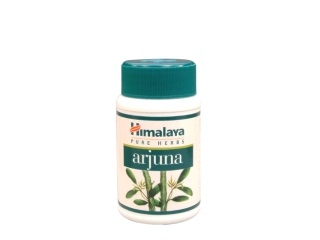

Arjuna (Arjun) – Patient-Friendly Guide (UK)
Arjuna is a traditional herbal medicine most commonly used to support cardiovascular health and overall well-being. In the United Kingdom, Arjuna products are typically marketed as herbal remedies and may come in forms such as tablets, capsules, or powders depending on the manufacturer.
This guide is designed to help you understand how Arjuna may work, how it is typically taken, key safety considerations, and practical tips for everyday use—especially for customers in the UK.
1) Basic Product Information
- Product name: Arjuna (often referring to Terminalia arjuna)
- Common purpose: Traditional support for heart function and circulation
- Typical forms: Capsules/tablets or herbal powder (varies by brand)
- Active plant source: Terminalia arjuna (bark/extract depending on formulation)
- UK classification: Usually sold as an herbal medicinal product or traditional herbal remedy (availability and claims vary by product)
Important: Always check the specific product label for the exact strength, ingredients, and recommended daily dose. Herbal products can differ significantly between brands.
2) What Arjuna Is (and What It’s Used For)
Arjuna is widely used in traditional medicine, particularly in parts of South Asia, for supporting healthy heart function and healthy blood flow. People may choose Arjuna as a complementary approach alongside lifestyle measures such as healthy eating, exercise, and smoking cessation.
Traditional indications (typical uses)
Depending on the product and how it is labelled, Arjuna may be used to:
- Support cardiovascular health
- Help maintain healthy blood pressure and circulation (varies by product claims)
- Support general endurance and stamina
- Contribute to heart health as part of a broader routine
Note on evidence: Research exists on Terminalia arjuna in various contexts, including laboratory and clinical studies. However, the quality of evidence can vary, and the way products are standardised differs. Always rely on the product’s label and consult a healthcare professional if you have medical conditions or take regular medicines.
3) Mechanism of Action (How It May Work)
Arjuna contains naturally occurring plant compounds, including polyphenols (such as arjunin and related constituents), tannins, and other bioactive molecules. While exact mechanisms in humans are still being studied, several proposed actions include:
- Antioxidant activity: Plant polyphenols may help reduce oxidative stress, which is implicated in cardiovascular ageing and disease.
- Support for vascular function: Some constituents may influence blood vessel tone and endothelial function (the inner lining of blood vessels).
- Potential effects on lipid balance: Certain studies suggest effects on cholesterol-related measures, though results are not identical across all products and studies.
- Anti-inflammatory properties: Inflammation plays a role in cardiovascular risk; antioxidants and polyphenols may help modulate inflammatory pathways.
Key takeaway: Arjuna is used to support heart and circulation through a combination of traditional and biologically plausible actions. The extent to which a specific brand achieves these effects depends on standardisation, dose, and formulation.
4) Pharmacokinetics (Absorption, Distribution, Metabolism, Elimination)
Because Arjuna is a herbal product made from a complex plant extract, pharmacokinetic data can be limited and varies between formulations. In general terms:
- Absorption: Active plant compounds may be absorbed after oral intake, but absorption can vary widely depending on the extract form and processing.
- Metabolism: Many plant polyphenols undergo metabolism in the liver and gut (including phase II metabolism and conversion by gut microbiota).
- Distribution: Metabolites and bioactive derivatives may distribute into tissues, including those relevant to cardiovascular function.
- Elimination: Metabolites are typically eliminated via bile and/or urine, with effects lasting as long as absorbed metabolites persist.
Practical implication: Herbal products often have slower, cumulative effects rather than immediate changes. For best results, consistent daily use according to the label is usually recommended.
5) Typical Use and When You Might Take It
Arjuna is commonly taken as part of a daily routine. People may use it:
- To support cardiovascular health over time
- As a complement to lifestyle changes (diet, exercise, weight management)
- For general wellness routines focused on heart and circulation
Timing: Many users take Arjuna once or twice daily. Follow the product label for exact dosing schedule. If your label does not specify “morning vs evening,” many people choose a consistent time that fits their routine.
How long before you notice effects?
There is no single guaranteed timeframe. Because the goal is supportive cardiovascular health, some people assess progress over several weeks. If you don’t notice any benefit after a reasonable trial, speak with a healthcare professional before continuing long-term.
6) Dosing (General Guidance)
Dosing for Arjuna depends on the product’s strength and how the extract is standardised. Always follow the manufacturer’s label.
Common label patterns (examples)
Some products may recommend one of the following patterns:
- Once daily: Often taken in the morning or evening.
- Twice daily: Typically split across morning and evening doses.
Do not exceed the stated dose. If you are combining Arjuna with other supplements, check totals to avoid unnecessary duplication—especially where products have overlapping ingredients or similar herbal effects.
7) Food Interactions (What to Consider With Meals)
Arjuna is generally taken orally and may be taken with or without food. However, food can influence absorption and tolerability.
- With meals: Taking Arjuna with food may reduce the risk of mild stomach upset for some people.
- Empty stomach: Some users prefer empty stomach dosing to follow traditional usage patterns, but if you experience nausea or stomach discomfort, switch to taking it with food.
Grapefruit and similar interactions: Many herbal supplements have complex ingredient profiles and can interact with metabolic enzymes or transporters. If you use many supplements, it’s wise to discuss your regimen with a healthcare professional.
Bottom line: For most people, the main practical approach is to take Arjuna consistently, either always with meals or always on an empty stomach, unless your product label advises otherwise.
8) Alcohol and Medicine Interactions
Alcohol
There is limited direct evidence about a specific alcohol–Arjuna interaction. However:
- Alcohol may worsen dehydration or affect blood pressure in some individuals.
- Alcohol can increase the likelihood of stomach irritation, which may overlap with potential gastrointestinal side effects from herbal products.
Practical advice: Keep alcohol intake moderate and consider spacing doses if you notice side effects after drinking.
Interactions with other medicines
Herbal remedies can interact with prescription medicines by affecting liver enzymes, blood clotting, blood pressure, or blood sugar. This does not mean Arjuna will definitely interact with your medicines—only that caution is sensible.
Extra caution is recommended if you take medicines for:
- Blood pressure or heart conditions
- Blood thinning (anticoagulants/antiplatelets)
- Cholesterol
- Diabetes or blood sugar lowering
- Liver or kidney conditions
Why it matters: If Arjuna has effects on circulation, inflammation, or lipid-related pathways, it may theoretically influence how your body responds to cardiovascular medicines.
Always check: If you are on regular medication, ask a pharmacist or healthcare professional whether Arjuna is suitable alongside your current treatment plan.
9) Indications (What the Product May Be Used For)
In the UK, what Arjuna can be advertised for depends on its registration and the specific wording on the label. Commonly, Arjuna products are intended for:
- Traditional use: Supporting heart function and healthy circulation
- General wellness: A daily supplement approach to cardiovascular support
Important: If you have symptoms (such as chest pain, breathlessness, fainting, or signs of stroke), seek urgent medical attention. Herbal products are not a substitute for medical assessment when symptoms are acute or severe.
10) Safety Profile (Who Should Be Careful)
Arjuna is generally well tolerated by many users, but “natural” does not automatically mean “safe for everyone.” Safety depends on your health status, dose, and product quality.
Common possible side effects
Side effects are not guaranteed, but may include:
- Mild gastrointestinal discomfort (nausea, stomach upset)
- Heartburn or indigestion in sensitive individuals
- Rarely, allergic reactions (itching, rash, swelling)
Who should avoid or seek medical advice first
- Pregnancy or breastfeeding: seek medical advice before use
- Children: only use if a healthcare professional recommends and the product is specifically suitable for them
- People with liver disease or kidney disease: consult first
- Anyone taking multiple cardiovascular medicines, anticoagulants, or blood sugar lowering medicines: consult a healthcare professional before starting
- Anyone with a history of drug–herb allergies
Duration of use
Many users take Arjuna as a long-term daily supplement. If you plan prolonged use, review your overall regimen periodically with a pharmacist or clinician—especially if you are also taking prescription medicines or have chronic conditions.
11) Practical Use Tips (Getting the Best Experience)
- Start consistently: Take it at the same time each day to build routine.
- Match to your stomach: If you get nausea, switch to taking it with meals.
- Use reputable brands: Choose products with clear labelling, standardisation information, and quality controls.
- Keep a simple record: Note how you feel, any side effects, and whether you take other supplements/medicines—this helps you decide whether to continue.
- Do not double up: If you miss a dose, take it when remembered unless it’s near your next dose. Do not take extra to “catch up.”
- Check expiry dates and storage: Store according to label instructions to protect potency.
12) Alternative Options (If Arjuna Isn’t Right for You)
If you are looking for cardiovascular support, there are several other avenues depending on your preferences and health situation:
Lifestyle-focused alternatives
- Diet changes: Mediterranean-style eating patterns, increased fibre, reduced saturated fats
- Exercise: Regular aerobic activity and strength training
- Smoking cessation and moderation of alcohol
- Weight management and sleep improvements
Other supplements commonly used for cardiovascular support
- Omega-3 fatty acids (fish oil or algal oil)
- Magnesium (particularly for muscle function; may support some people’s cardiovascular wellness indirectly)
- Coenzyme Q10 (ubiquinone/ubiquinol)
- Red yeast rice (not recommended for everyone and may have quality/side effect considerations)
Important: Supplements can also interact with medicines. If you are unsure, ask a pharmacist to check potential interactions with your current treatment.
13) Arjuna in the UK: Market and Legal Context
In the United Kingdom, herbal products like Arjuna may be sold under different regulatory routes depending on their classification and intended use. This can affect:
- Label claims (what they can legally say)
- Documentation required by the manufacturer
- Registration status and permitted advertising statements
Customers should look for a label that clearly states:
- Exact product form and strength
- Ingredients and any standardised extract information (if present)
- Recommended daily dose and administration instructions
- Manufacturer/importer details
- Safety information and contraindications (if applicable)
Recent guidance (general themes in the UK)
UK regulators and public health guidance often emphasise:
- Clear labelling and accurate claims on herbal products
- Consumer awareness about possible interactions with medicines
- Quality and safety measures for herbal ingredients (including contamination risk control)
Practical tip: If a product is marketed with strong disease claims, high-risk symptom management promises, or unclear dosing information, treat it with caution and check the label carefully.
14) Delivery and Availability (UK)
Arjuna products are widely available through online pharmacies and supplement retailers in the UK, though specific brands and formats may vary by supplier.
What to expect:
- Stock availability: Varies by brand and formulation
- Delivery times: Typically shown at checkout by the online pharmacy
- Packaging: Sent securely to protect the product
- Returns: Many retailers follow hygiene/health product return rules—check the store policy before ordering
If you need the product delivered quickly, filter or check the estimated delivery date during checkout.
15) FAQ (Frequently Asked Questions)
Is Arjuna suitable for everyone?
No. People who are pregnant or breastfeeding, children, and those with liver/kidney disease should seek professional advice. Anyone taking multiple cardiovascular medications, blood thinners, or blood sugar medications should check interactions before starting.
How should I take Arjuna?
Follow your product label. Many people take it once or twice daily, consistently at a time that suits their routine. If you get stomach discomfort, try taking it with food.
Can I take Arjuna with food?
Usually yes. Taking Arjuna with meals may help reduce stomach upset. If the label advises a specific approach, follow it.
Will Arjuna affect my blood pressure or heart rate?
Arjuna is used traditionally to support cardiovascular health, but individual responses vary. If you notice dizziness, unusual fatigue, or symptoms of low blood pressure, stop and seek medical advice.
Can I drink alcohol while taking Arjuna?
Moderation is sensible. There is limited evidence of a direct interaction, but alcohol can affect blood pressure and increase the chance of stomach irritation. If you notice side effects after drinking, avoid alcohol around your dose and consult a professional.
What medicines could interact with Arjuna?
Interactions are most relevant with medicines for blood pressure, heart conditions, blood thinning, cholesterol, and blood sugar, as well as in people with liver impairment. Always check with a pharmacist if you are unsure.
How quickly will it work?
Cardiovascular support is typically gradual. Some users notice changes in well-being over weeks, but results vary and are not guaranteed. If you don’t feel any benefit after a reasonable trial, speak with a healthcare professional.
What if I miss a dose?
Take it when you remember unless it is close to your next dose. Do not take extra to make up for a missed dose.
How long can I take Arjuna?
Many people take it long-term as a supplement, but it’s a good idea to review your regimen periodically—especially if you take prescription medicines or have chronic health conditions.
Are there risks of allergic reactions?
Yes, though they are uncommon. Stop use and seek medical help urgently if you develop signs of allergy (such as swelling of the face/lips, difficulty breathing, or widespread rash).
16) Summary Table (Quick Reference)
| Topic | What to know |
|---|---|
| What it is | Herbal medicine/supplement derived from Terminalia arjuna |
| Typical use | Traditional support for heart function and healthy circulation |
| How it may work | Antioxidant, anti-inflammatory, and potential vascular-support mechanisms |
| When to take it | Once or twice daily based on the label; consistent timing is helpful |
| With food? | Often taken with meals to improve tolerability |
| Alcohol | Moderate intake is sensible; watch for dizziness or stomach upset |
| Medicine interactions | Caution with blood pressure, blood thinners, cholesterol, and diabetes medicines |
| Safety | Possible mild stomach upset; seek advice for pregnancy, breastfeeding, children, and liver/kidney disease |
| UK availability | Sold online via pharmacies/retailers; check labelling and delivery options at checkout |
Final Note
Arjuna may be a supportive herbal option for people focusing on cardiovascular wellness as part of a broader healthy lifestyle. For the safest and most effective experience, choose a reputable product, follow the label dosing instructions, take it consistently, and be mindful of potential interactions—especially if you take other medicines or have existing health conditions.
If you have any concerns about suitability or interactions, speak with a qualified healthcare professional or pharmacist before starting Arjuna.