Atorvastatin: Patient-Friendly Guide (UK)
Atorvastatin is a medicine used to help lower cholesterol and reduce the risk of cardiovascular problems such as heart attack and stroke. It belongs to a group of medicines called statins. This page explains how it works, how it’s typically used, key safety points, and what to consider with food, alcohol, and other medicines—tailored for people in the United Kingdom.
Quick product details
| Category | Details |
|---|---|
| Medicine name | Atorvastatin |
| Class | Statin (HMG-CoA reductase inhibitor) |
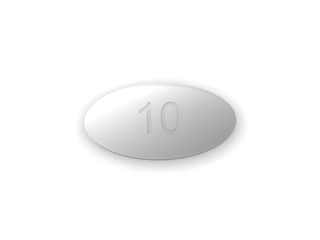
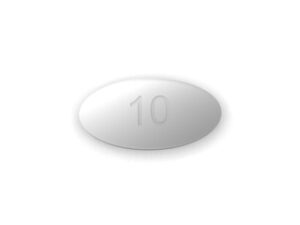
| Common strengths | Typically 10 mg, 20 mg, 40 mg, 80 mg tablets (brand/generic may vary) |
| Who it’s for | People needing cholesterol lowering and cardiovascular risk reduction |
| Typical dosing | Usually once daily; many people take it in the evening, but follow local directions |
| Availability (UK) | Widely available through UK pharmacies as branded and generic statins |
What atorvastatin is used for
Atorvastatin helps reduce several types of cholesterol in the blood, especially LDL cholesterol (“bad cholesterol”). Lowering cholesterol can reduce the risk of major cardiovascular events.
Typical indications (common reasons for use in the UK)
- High cholesterol (hypercholesterolaemia), including familial (inherited) forms
- Mixed dyslipidaemia (higher LDL with elevated triglycerides and/or low HDL)
- Prevention of cardiovascular events in people at increased risk, such as those with established heart disease or diabetes with additional risk factors
- Reduction of risk after certain cardiovascular events (for example, after a heart attack or stroke in appropriate patients)
Your prescriber may choose atorvastatin based on your cholesterol levels, overall cardiovascular risk, age, medical history, and how you respond to treatment. Use this medicine alongside heart-healthy lifestyle measures such as diet, exercise, and not smoking.
How atorvastatin works (mechanism of action)
Atorvastatin reduces cholesterol production in the liver by blocking an enzyme called HMG-CoA reductase. This action leads to:
- Lower LDL cholesterol because the liver removes more LDL from the blood
- Changes in other blood lipids, often including modest reductions in triglycerides and increases in HDL (“good cholesterol”)
- Improved blood vessel health over time, which helps reduce the risk of cardiovascular events
Statins also have additional beneficial effects beyond cholesterol lowering, such as helping stabilise blood vessel lining and inflammation linked with atherosclerosis.
How it is absorbed and processed (pharmacokinetics)
Understanding how the body handles atorvastatin can help explain timing, food effects, and interactions.
Key points in simple terms
- Absorption: Atorvastatin is absorbed after you take a tablet. Peak levels in the blood typically occur within a few hours.
- Metabolism: It is mainly processed by the liver using an enzyme system (notably CYP3A4). This is why some medicines can significantly change its blood levels.
- Elimination: The medicine and its breakdown products are removed primarily via bile into the gut and then leave the body.
- Half-life: Atorvastatin’s effects can persist beyond the time it takes the body to eliminate it, which supports once-daily dosing.
Different people respond differently, which is one reason lipid levels are monitored and doses may be adjusted over time.
Typical dosing and timing
Dosing can vary depending on the reason for treatment, your cholesterol results, and your overall cardiovascular risk. Always follow the directions issued by your healthcare professional and the medication label.
Common dosing patterns
- Once daily is standard.
- Many people take atorvastatin in the evening, but you should follow local advice from your healthcare team. (Some guidelines allow flexible timing because the medicine remains active for a prolonged period.)
- Treatment may start at a lower strength and gradually increase if needed to reach cholesterol targets.
If you forget a dose
- Take it when you remember if it’s the same day.
- If it is close to the time for the next dose, skip the missed dose—do not double up.
- If unsure, ask a pharmacist for advice.
What results to expect
Cholesterol levels typically start to improve within the first couple of weeks. For many people, the most noticeable change is seen by around 4–6 weeks, after which blood tests may be repeated to guide whether the dose needs adjusting.
Food interactions and what to watch for
Food does not usually prevent atorvastatin from working. However, food can influence how quickly or how much of the medicine is absorbed.
Practical guidance
- You can generally take atorvastatin with or without food, depending on what suits you.
- Try to take it at the same time each day to build a routine.
- If your stomach feels unsettled, taking it with a meal can sometimes help.
Grapefruit and grapefruit juice (important)
Avoid or strictly limit grapefruit and grapefruit juice, as they can increase atorvastatin blood levels in some people. This may raise the risk of side effects, including muscle problems.
Alcohol and medicine interactions
Alcohol can affect the liver, and atorvastatin is processed by the liver. Moderate alcohol may be acceptable for many people, but heavier drinking can increase the risk of liver irritation and other complications.
Alcohol: safe-use considerations
- Keep alcohol within recommended limits (for many adults in the UK, this generally means no more than 14 units per week, spread over multiple days).
- If you have liver disease, drink very little or avoid alcohol unless your clinician advises otherwise.
- Seek medical advice if you drink heavily or notice symptoms such as unusual fatigue, dark urine, yellowing of the skin/eyes, or persistent nausea.
Medicine interactions (especially important)
Some medicines can raise atorvastatin levels by affecting liver enzymes and transporters. Others can increase the risk of muscle-related side effects. Below are examples of medicines that may require extra caution in the UK.
- Strong inhibitors of CYP3A4 (examples may include some antifungals and certain antibiotics) can raise atorvastatin levels and may require dose changes or avoiding the combination.
- HIV protease inhibitors can increase atorvastatin exposure in some cases.
- Some macrolide antibiotics (such as clarithromycin) may increase risk.
- Other cholesterol-lowering medicines, such as fibrates (for example, gemfibrozil) or higher-dose niacin, may increase the risk of muscle symptoms in some patients.
- Digoxin: atorvastatin can increase digoxin levels in some cases.
- Oral anticoagulants (warfarin): atorvastatin can affect INR in some people—monitoring may be needed.
- Hormonal medicines and some other therapies may interact; always check with a pharmacist.
Always tell your pharmacist or healthcare professional about all medicines you take, including over-the-counter products and herbal remedies. Even “natural” supplements can interact with statins.
Safety profile: side effects and when to get help
Most people tolerate atorvastatin well. However, like all medicines, it can cause side effects. Many effects are mild and improve as the body adjusts, but some symptoms need urgent medical assessment.
Common side effects
- Muscle aches or mild muscle soreness
- Headache
- Indigestion, stomach discomfort, or nausea
- Changes in liver blood tests (often found on routine monitoring)
Less common but serious: muscle-related problems
Statins can rarely cause more significant muscle injury. Risk can be higher with certain interacting medicines, high doses, older age, kidney disease, hypothyroidism (uncontrolled), or dehydration.
-
Stop and seek urgent medical advice if you develop:
- Severe muscle pain, tenderness, or weakness
- Fever or feeling very unwell
- Dark, cola-coloured urine
Rare but serious: liver problems
Atorvastatin may cause elevations in liver enzymes. Serious liver injury is rare. Seek medical advice promptly if you notice:
- Yellowing of the eyes/skin (jaundice)
- Dark urine
- Severe tiredness
- Persistent upper stomach pain
- Unexplained vomiting
Who may need extra monitoring
- People with known liver disease
- People with kidney problems
- Those with thyroid conditions that are not well controlled
- Older adults who are more prone to side effects
- People taking medicines known to interact with atorvastatin
Pregnancy and breastfeeding (important)
Atorvastatin is generally not recommended during pregnancy. If you are pregnant, planning pregnancy, or breastfeeding, speak with a healthcare professional for suitable alternatives.
Practical tips for successful use
Statins work best when taken consistently, alongside lifestyle measures. These tips can help you get the most benefit.
- Set a daily reminder on your phone or use a pill organiser.
- Keep the same time each day (unless your clinician tells you otherwise).
- Don’t stop suddenly because cholesterol is controlled by ongoing treatment. If you experience side effects, contact a healthcare professional rather than stopping on your own.
- Attend blood tests if arranged. These check cholesterol and safety markers (such as liver enzymes).
- Report new muscle symptoms early. Mild aches can be monitored, but severe symptoms need prompt evaluation.
- Avoid grapefruit and be cautious with supplements.
Alternative options if atorvastatin isn’t suitable
There are several approaches to cholesterol management. If atorvastatin is not tolerated or doesn’t achieve the desired effect, options may include:
Other statins
- Rosuvastatin
- Simvastatin
- Pravastatin
- Fluvastatin
Non-statin cholesterol-lowering medicines
- Ezetimibe (reduces cholesterol absorption)
- Bempedoic acid (where appropriate)
- PCSK9 inhibitors (in selected patients at higher cardiovascular risk)
- Fibrates (more targeted for high triglycerides in specific situations)
The best alternative depends on your cholesterol type, cardiovascular risk, tolerance, and whether drug interactions are an issue. A clinician can guide safe switching or combination therapy.
Market and legal context in the UK
Atorvastatin is an established medicine in the UK and commonly available as branded and generic products. Medicines in the UK are regulated by the Medicines and Healthcare products Regulatory Agency (MHRA), and information for safe use is typically based on the product’s Summary of Product Characteristics (SmPC).
National guidance for cardiovascular prevention and lipid management is informed by bodies such as National Institute for Health and Care Excellence (NICE), and recommendations are updated as evidence evolves.
Recent guidance and clinical approach (overview)
In recent years, UK and European practice has continued to emphasise:
- Assessing overall cardiovascular risk (not just cholesterol numbers)
- Using statins appropriately with clear targets and review points
- Shared decision-making so benefits and possible side effects are discussed
- Managing side effects proactively (dose adjustment, switching statin, checking for interacting medicines)
- Structured follow-up with lipid testing to ensure effectiveness
If you are already taking a statin, review with your healthcare professional can help confirm that the dose and choice still fit your health needs.
Delivery and availability (UK online pharmacy)
Atorvastatin is widely stocked and typically available in different strengths. Availability may vary by brand and local supply, but online pharmacies in the UK often provide:
- Standard and express delivery options depending on the retailer and your location
- Secure packaging to protect tablets during transit
- Clear product labelling showing strength and batch details
- Support from trained pharmacy staff if you have questions about taking your medicine safely
Delivery schedules can depend on stock levels, bank holidays, and courier service availability. If you’re planning treatment around a travel date, check the estimated dispatch and delivery timeframe on the website.
FAQ about atorvastatin
1) How long does atorvastatin take to work?
Many people see changes in cholesterol within 2–4 weeks, with clearer results often by around 4–6 weeks. Your healthcare team may arrange blood tests to confirm your response.
2) Should I take atorvastatin at night or morning?
Some people take atorvastatin in the evening, but consistency is usually more important than the exact time. Follow the timing instructions on your label or those given by your healthcare professional.
3) Can I take it with food?
Yes. Atorvastatin can generally be taken with or without food. Taking it with a meal may help if you experience mild stomach upset.
4) What should I avoid?
- Avoid grapefruit and grapefruit juice
- Be cautious with medicines/supplements that can interact—always check with a pharmacist
- Use alcohol moderately, especially if you have liver issues
5) Are muscle pains normal?
Mild aches can occur. However, if you develop severe muscle pain, weakness, or dark urine, seek urgent medical advice. Don’t ignore worsening symptoms.
6) Will atorvastatin cure high cholesterol?
Atorvastatin helps control cholesterol levels while you keep taking it. It is usually part of long-term cardiovascular risk management.
7) Can I stop taking atorvastatin if I feel well?
Cholesterol typically rises if treatment stops. If you’re considering stopping, discuss it with a healthcare professional first. Stopping suddenly without guidance may reduce cardiovascular protection.
8) Is it safe for everyone?
Atorvastatin is not suitable for everyone, including some people with certain liver conditions or during pregnancy. Suitability depends on your medical history and interacting medicines.
9) Does atorvastatin interact with other medicines I can buy over the counter?
Some over-the-counter products may interact (including certain antacids or herbal supplements). Always check with a pharmacist, especially if you’re taking multiple products.
10) How should I store atorvastatin tablets?
Store tablets according to the instructions on the pack. Keep them at room temperature, in the original packaging, and out of reach of children.
Summary
Atorvastatin is a widely used statin in the UK to lower cholesterol and reduce cardiovascular risk. It works by decreasing cholesterol production in the liver and increasing LDL clearance. Most people tolerate it well, but you should watch for muscle symptoms and signs of liver problems, especially if you take interacting medicines or drink heavily.
If you have questions about how to take atorvastatin safely, or you’re unsure whether another medicine or supplement might interact, speak to a pharmacist for tailored advice.