Betapace (Sotalol) – Patient Information (UK)
Betapace is a brand of sotalol, a medicine used to help control certain heart rhythm problems. It works by affecting electrical signals in the heart and belongs to a group of medicines often described as anti-arrhythmics. This page explains what Betapace is used for, how it works, how it is taken, important safety information, and how it fits into care in the United Kingdom.
1) Basic product information
- Medicine name: Betapace
- Active ingredient: sotalol
- Medicinal type: anti-arrhythmic (beta-blocker and potassium-channel effects)
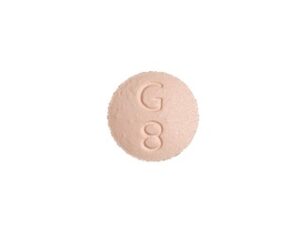
- How it is supplied: tablets (strengths vary by product)
- Common reasons for use: certain abnormal heart rhythms (arrhythmias)
- UK availability: supplied via pharmacies and dispensing channels; availability may vary by formulation/stock
Important: The safe use of Betapace depends on your heart rate, blood pressure, kidney function, and blood test results (especially electrolytes). It is not suitable for everyone.
2) How Betapace works (mechanism of action)
The heart rhythm depends on the timing of electrical impulses through heart muscle and related pathways. Sotalol has two key actions:
- Beta-blocking effect: slows signals and reduces the heart’s tendency to beat too fast.
- Anti-arrhythmic (potassium-channel) effect: helps stabilise the heart’s electrical cycle, which can reduce abnormal rhythmic “re-entry” circuits and other rhythm disturbances.
Overall, Betapace can help convert certain abnormal rhythms to a more normal rhythm and help prevent episodes from recurring. It may also prolong a heart rhythm measure called the QT interval on an ECG, which is why safety monitoring matters.
3) Pharmacokinetics (how the body handles the medicine)
“Pharmacokinetics” describes how sotalol is absorbed, distributed, metabolised, and eliminated. This matters because the dose often needs adjustment for kidney function.
- Absorption: sotalol is absorbed from the gastrointestinal tract after taking tablets.
- Distribution: it reaches tissues including the heart and spreads through the body.
- Metabolism: sotalol is not extensively metabolised by the liver.
- Elimination: primarily cleared by the kidneys, which means kidney function is central to safe dosing.
- Half-life: sotalol’s effect can last several hours, but clearance varies greatly with renal function.
Because elimination is strongly linked to kidney function, people with reduced kidney function may need lower doses and closer monitoring.
4) What Betapace is used for (typical use and indications)
Betapace is used to treat specific types of abnormal heart rhythms—particularly those where maintaining normal rhythm or preventing recurrence is important. It is typically considered in patients with arrhythmias such as:
- Ventricular arrhythmias (for example, certain life-threatening or symptomatic rhythms)
- Supraventricular arrhythmias in selected circumstances (for example, some types of atrial arrhythmias)
- Recurrent arrhythmias when other treatments are not suitable or have not worked
Which arrhythmia type applies to you depends on your ECG findings and clinical history. Your clinician will decide whether sotalol’s benefits are likely to outweigh its risks.
5) Timing and how to take Betapace
Follow your local care plan and dosing schedule. In general, sotalol is taken at regular times to keep blood levels consistent.
Typical timing
- Take at the same times each day to maintain steady medicine levels. Dosing may be twice daily or more/less frequent depending on your regimen and kidney function.
- Swallow tablets whole with water unless your clinician or product guidance instructs otherwise.
- If you are prescribed doses more than once daily, spacing them evenly across the day can help.
Missed dose
If you miss a dose, take it when you remember unless it is close to the next dose. Do not double up to make up for a missed tablet. If you are unsure, contact your pharmacist for advice tailored to your schedule.
6) Food interactions and what to avoid with meals
Sotalol may be taken with or without food. Food effects are generally not considered a major barrier for most people. However, consistency is important: try to take Betapace the same way each day.
More importantly, manage electrolytes (such as potassium and magnesium) because changes can increase the risk of an abnormal heart rhythm, particularly QT prolongation. Dehydration from illness (e.g., vomiting or diarrhoea) can contribute to electrolyte imbalance.
- Maintain hydration, especially during hot weather or illness.
- If you develop vomiting/diarrhoea or have significant changes in intake, seek advice—your dose and electrolytes may need review.
7) Alcohol and medicine interactions
Alcohol
Alcohol can make some side effects more noticeable, such as dizziness, light-headedness, low blood pressure, and fatigue. If you feel faint or unusually weak after alcohol, avoid further alcohol and speak to your healthcare professional.
Common medicine interaction themes
Betapace can interact with other medicines in ways that may:
- increase the chance of QT prolongation (a measurable ECG change)
- cause a slow heart rate or heart block
- affect kidney handling or increase sotalol exposure
- alter levels of potassium or magnesium
Tell your pharmacist or clinician about all medicines you take, including over-the-counter products and herbal remedies.
Examples of medicine groups that may interact
| Medicine/Factor | Why it matters | What you may be advised |
|---|---|---|
| Other medicines that prolong QT (some anti-arrhythmics, some antibiotics, some antipsychotics, some antidepressants) | Higher risk of dangerous rhythm changes | Avoid combination when possible; careful ECG monitoring if used |
| Other heart-rate lowering medicines (e.g., some beta-blockers or rate-controlling drugs) | May cause bradycardia or heart block | Dose adjustments and monitoring |
| Diuretics (“water tablets”), especially those that lower potassium | Low potassium/magnesium increases arrhythmia risk | Electrolyte monitoring and supplements if needed |
| Medicines that affect kidney function | May increase sotalol levels in the body | Reassess dose and kidney tests |
| Some cold/flu products with rhythm/QT concerns | Some ingredients can affect the heart rhythm | Ask a pharmacist which products are safe |
This is not an exhaustive list. Your healthcare team can help check specific interactions based on your exact prescription list.
8) Dosing: how Betapace dosing is determined
The correct dose of Betapace depends on:
- Your diagnosis (type of arrhythmia)
- Your ECG findings (including QT interval)
- Your heart rate and rhythm stability
- Your kidney function (critical for sotalol)
- Your age and overall health status
- Any interacting medicines
Dosing may be started low and adjusted based on response and monitoring results. Many clinicians also perform ECG checks when initiating or changing dose.
Monitoring is routine: Because sotalol can affect the QT interval and slow the heart rate, your clinician may arrange ECG and blood tests during initiation or dose changes.
Practical tips for taking your dose
- Keep a consistent schedule and use a pill organiser if helpful.
- Do not change dose without clinical advice, even if symptoms improve.
- Report side effects promptly (see safety section below).
9) Safety profile: key risks and when to seek help
Most medicines can cause side effects. With Betapace, safety concerns include effects on electrical conduction and heart rate, and the possibility of certain rhythm problems. The risk is influenced by dose, kidney function, electrolytes, and interacting medicines.
Common or expected side effects
- Fatigue or tiredness
- Dizziness or light-headedness
- Low heart rate (bradycardia)
- Low blood pressure (sometimes with feeling faint)
- Nausea or gastrointestinal discomfort
More serious side effects (urgent medical attention)
Seek urgent medical advice or emergency help if you experience any of the following:
- Fainting or near-fainting
- Severe dizziness that does not settle
- New/worsening palpitations or feeling like your heart rhythm is rapidly changing
- Chest pain or shortness of breath that is severe or unexpected
- Symptoms of severe allergic reaction (swelling of face/lips, breathing difficulty)
Why QT prolongation monitoring matters
Sotalol may prolong the QT interval on an ECG. In some situations, this can contribute to a dangerous arrhythmia. Risk can rise if potassium or magnesium is low, if you have kidney impairment, or if you take other QT-prolonging medicines.
Who should use extra caution
- People with reduced kidney function
- People with a history of fainting related to rhythm problems
- People taking medicines that affect QT or lower potassium/magnesium
- People with very slow baseline heart rate or certain conduction problems
10) Practical use tips (getting the best from Betapace)
The following tips can help improve safety and day-to-day convenience:
- Attend ECG and blood test appointments: especially during treatment initiation or dose changes, and when you start or stop interacting medicines.
- Keep an up-to-date medicine list: include over-the-counter products (including cough/cold remedies) and supplements.
- Be careful with dehydration: during heat, exercise, diarrhoea, or vomiting—seek advice if you feel unwell.
- Stand up slowly: if you feel light-headed, rise gradually from sitting or lying positions.
- Avoid missing doses: irregular dosing can affect rhythm stability.
- Know your “red flag” symptoms: fainting, severe dizziness, or rapidly worsening palpitations need urgent attention.
11) Alternatives to Betapace (sotalol) in the UK
Treatment for arrhythmias depends on the specific rhythm type, severity, symptoms, and individual health factors. Alternative options may include:
Medication alternatives
- Other anti-arrhythmic medicines (selection depends heavily on ECG and risk profile)
- Rate-control medicines (when the goal is controlling heart rate rather than restoring rhythm)
- Beta-blockers used for rate control in certain arrhythmias
Non-medicinal alternatives
- Cardioversion (electrical or medication-assisted rhythm conversion in selected cases)
- Catheter ablation for appropriate rhythm disorders
- Lifestyle and risk factor management (e.g., managing blood pressure, diabetes, and sleep apnoea where relevant)
Your clinician can explain why sotalol is chosen for you specifically, and what alternatives may be considered if it is unsuitable.
12) Market and legal context in the United Kingdom (general information)
In the UK, medicines are regulated by the Medicines and Healthcare products Regulatory Agency (MHRA). Anti-arrhythmic medicines such as sotalol are used under established clinical guidance, and safety monitoring is important due to potential effects on heart conduction and QT interval.
Product supply and availability can vary due to manufacturer changes, batch supply, or supply chain factors. Pharmacies will follow UK medicines regulations, including proper storage and dispensing practices.
UK availability reminder: If a particular strength or brand pack size is temporarily unavailable, pharmacies may offer the closest alternative formulation/strength if clinically appropriate and allowed within local procedures.
13) Recent guidance and safety updates (how to stay informed)
Guidance for arrhythmia management and anti-arrhythmic therapy can evolve as new evidence emerges. In practice, UK clinicians rely on:
- national and international arrhythmia guidance (e.g., cardiology societies)
- MHRA safety communications and updated product information
- best practice regarding ECG and electrolyte monitoring
If your clinician adjusts your treatment, they may also update your monitoring schedule. Always use the most current written product information provided by the pharmacy with your dispensed medicine.
14) Delivery and availability when buying online (UK)
When ordering medicines online via a UK pharmacy, delivery timing depends on stock status and the delivery service used. You may be offered:
- Standard delivery (typically within a few working days)
- Express delivery where available in your area
- Substitution/alternative pack options only when permitted and appropriate
Store tablets as directed on the packaging, usually away from excessive heat and moisture. Keep out of sight and reach of children.
15) Betapace FAQ
How quickly does Betapace start working?
Many people notice effects on heart rhythm within hours of taking a dose, but the full benefit for preventing arrhythmias may take longer. Your clinician may schedule ECG checks after initiation or dose changes to ensure safety.
Do I need blood tests or ECG monitoring?
Often, yes—especially when starting, adjusting the dose, or if kidney function/electrolytes may be affected. Monitoring commonly includes an ECG and blood tests for factors such as kidney function and electrolytes (e.g., potassium and magnesium).
Can I stop Betapace suddenly?
Do not stop without medical advice. Stopping abruptly can worsen rhythm control in some people. If you experience side effects or feel unwell, seek advice rather than discontinuing on your own.
What should I do if I feel dizzy after taking a dose?
Sit or lie down safely and avoid driving or operating machinery until you feel normal. Contact your pharmacist or clinician for advice. Dizziness can reflect a slower heart rate or low blood pressure.
Is Betapace safe with kidney problems?
It can be used, but dose adjustment is commonly needed because sotalol is cleared mainly by the kidneys. Close monitoring is important to reduce the risk of excessive drug levels and rhythm complications.
Are there dietary restrictions with Betapace?
No specific diet is universally required. However, maintaining normal hydration and electrolyte balance is important. If you have conditions that affect potassium or magnesium (or you take diuretics), discuss supplements or dietary advice with your healthcare professional.
Can I take cough/cold medicines?
Some cold/flu products may interact or affect heart rhythm. Ask a pharmacist before using over-the-counter remedies, especially those containing stimulants or with known QT-related concerns.
What are the signs of a serious heart rhythm problem?
Seek urgent medical help if you have fainting, severe dizziness, chest pain, severe shortness of breath, or palpitations that feel rapidly worsening or associated with feeling unwell.
What if I take Betapace with alcohol?
Alcohol may increase dizziness or tiredness and may lower blood pressure in some people. If you notice symptoms after drinking, avoid alcohol and speak to your clinician.
Where can I find the exact strength and dosing on my pack?
The exact strength and dosing instructions will be written on the packaging and the label supplied by the pharmacy. Always follow the directions on your dispensed medicine.
Summary
Betapace (sotalol) is an anti-arrhythmic medicine used to treat selected heart rhythm disorders. It works by slowing and stabilising the heart’s electrical activity, but it can also prolong the QT interval and slow the heart rate. Safe use depends on careful dosing, attention to kidney function, and monitoring—particularly after starting or changing dose.
If you have questions about your treatment, interactions, or what to do if you miss a dose or feel unwell, speak to your pharmacist or healthcare professional for personalised advice.