Bupropion + Naltrexone (UK) – Patient-Friendly Medicine Guide
Bupropion + Naltrexone is a combination medicine used to support weight management in certain adults. It works in the brain and helps reduce appetite and cravings for food. This page explains how it works, how it’s taken, key safety information, and practical guidance for use in the United Kingdom.
Always follow the instructions provided with your medicine pack and any advice from your healthcare professional. If you have questions about whether this treatment is suitable for you, speak to a qualified clinician.
Basic product information
- Active ingredients: Bupropion + Naltrexone
- Common brand examples (UK may vary): Product availability can differ by supplier and time.
- Medicine type: Weight-management medicine using two centrally acting components.
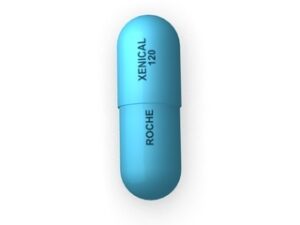
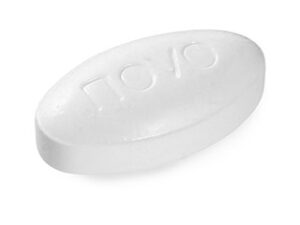
- Form: Typically supplied as modified-release tablets (dose schedule is usually based on this).
- Who it is for: Adults with excess weight who meet defined clinical criteria and have not achieved desired weight loss with lifestyle measures alone.
Important note: This combination is not intended for everyone. Suitability depends on your health history, current medicines, and risk factors.
How it works (mechanism of action)
Bupropion and naltrexone affect brain pathways that regulate appetite and reward-related eating. Together, they may help you feel less hungry and reduce cravings, making it easier to follow a calorie-reduced diet and stay physically active.
- Bupropion: A medication that influences neurotransmitters such as dopamine and noradrenaline. In weight management, this may help reduce appetite and food cravings.
- Naltrexone: An opioid receptor antagonist. It may help reduce “reward” signals connected to eating, including cravings for certain high-reward foods.
The exact contribution of each component varies by individual, but the overall goal is improved control of eating behaviour and support for long-term weight management.
Typical use in weight management
In the UK, the medicine is used as part of a comprehensive weight-management plan. This usually includes:
- Reduced calorie intake (dietary changes you can sustain)
- Regular physical activity (tailored to your ability and health)
- Behavioural support (habits, planning, coping strategies)
The treatment is generally intended for adults who meet specific clinical criteria, such as a higher body mass index (BMI) and/or weight-related health conditions.
Monitoring: Response to treatment should be reviewed within a defined time window so that continuing therapy is based on benefit and tolerability.
Indications (when it may be recommended)
Indications may vary based on local commissioning and product-specific licensing status, but commonly include:
- Adults with obesity or overweight with weight-related comorbidities
- Use alongside diet and exercise for improved weight control
- When lifestyle measures alone have not provided sufficient benefit
Eligibility can depend on factors such as BMI, previous weight loss attempts, and medical history (including seizure risk, medication interactions, and liver health).
Dosing and timing
The combination is commonly initiated with a gradual dose escalation to reduce side effects, especially nausea. Tablets are usually taken as a fixed regimen based on the modified-release formulation.
Typical escalation concept (example):
- Start with a low dose once daily for the first week or period
- Gradually increase to the target dose over several weeks
- Thereafter, take the maintenance dose as directed
Your exact schedule will depend on the strength of your tablets and the regimen set out in your medicine documentation. Do not adjust your dose without medical advice.
When to take it
- Consistency helps: take it at about the same time each day.
- Morning vs evening: many people take it earlier in the day to reduce the chance of sleep disruption, but follow your specific instructions.
- With or without food: usually can be taken with or without food; see food and timing section below.
If you miss a dose
If you miss a dose, follow the guidance provided with your medicine. In general, do not take double doses to make up for a missed tablet. If you’re unsure, contact a pharmacist.
Food interactions and what to watch
Bupropion + naltrexone can generally be taken with or without food, but food may influence how you feel, especially during dose escalation. Many people find it easier to tolerate with meals if nausea occurs.
- Fats and heavy meals: may increase gastrointestinal discomfort for some people.
- Staying hydrated: can help reduce side effects such as headache or dizziness.
- Nausea management: smaller, regular meals may help.
There are no typical “avoid completely” food restrictions listed for this combination in routine use, but your overall diet plan is still important for weight-loss goals.
Alcohol and medicine interactions
Avoid or limit alcohol while taking bupropion-containing medicines, particularly early in treatment or if you have risk factors for seizures. Alcohol can also increase the likelihood of dizziness, impaired coordination, and stomach upset.
Alcohol with bupropion
- Alcohol may increase central nervous system side effects such as drowsiness or dizziness.
- In some situations, alcohol changes can affect seizure threshold, which is relevant because bupropion can increase seizure risk at certain doses and in certain patients.
Alcohol with naltrexone
- Naltrexone may reduce the euphoric effects of opioids and can be relevant for people using opioid-containing medicines.
- Alcohol effects can still be present regardless, and heavy alcohol use can worsen health risks including liver strain.
General advice
- If you drink alcohol, discuss your level of consumption with a clinician.
- If you plan surgery or have medical procedures, tell your healthcare team about all medicines you take.
Other medicine interactions (important)
Bupropion can interact with several medicines. Before starting, it’s important to review your current list, including over-the-counter products and herbal supplements.
- Medicines that lower seizure threshold: risk may increase with some antidepressants, antipsychotics, theophylline, systemic steroids (in some contexts), and certain antibiotics. The details depend on your history and doses.
- Monoamine oxidase inhibitors (MAOIs): should not be combined with bupropion. A washout period may be required when switching.
- Opioids: naltrexone blocks opioid receptors. Do not use naltrexone with opioid-containing medicines unless specifically discussed by a clinician. This can lead to reduced pain relief and, in some cases, withdrawal symptoms if opioids are used concurrently.
- Other antidepressants or medicines for mood: combination may raise the risk of side effects such as agitation or sleep changes and may affect blood levels.
- Liver-metabolised medicines: since naltrexone can be relevant for liver health, tell your clinician about any past hepatitis or abnormal liver tests.
If you’re taking any controlled medicines or medicines for chronic pain, always ask a pharmacist or clinician to check interactions before starting bupropion + naltrexone.
Pharmacokinetics (how the body handles the medicine)
Pharmacokinetics describes absorption, distribution, metabolism, and excretion—how the body processes each medicine component.
- Absorption: Both components are absorbed after oral dosing. The modified-release formulation is designed to release medicine in a controlled way over time.
- Time to effect: appetite changes may develop progressively; noticeable effects often improve over the first weeks as dose escalation continues.
- Metabolism: Bupropion is metabolised in the liver to active metabolites (including hydroxybupropion and others). Naltrexone is also metabolised to an active metabolite (6β-naltrexol).
- Excretion: metabolites are eliminated primarily through the kidneys (urine) and partly through bile/liver pathways depending on metabolite characteristics.
- Half-life (general concept): Both the parent drugs and metabolites persist for extended periods, which supports daily dosing. Individual differences can occur.
People with certain liver or kidney conditions may experience higher exposure and may need closer monitoring or alternative treatment. If you have chronic liver disease, history of jaundice, or kidney impairment, discuss this before use.
Safety profile and side effects
Like all medicines, bupropion + naltrexone can cause side effects. Many are mild to moderate and tend to be more common during the early weeks or during dose increases.
Common side effects
- Nausea
- Headache
- Dizziness
- Constipation or stomach discomfort
- Dry mouth
- Insomnia or altered sleep
- Increased heart rate (palpitations in some people)
Less common but important risks
- Seizures: the risk can be increased in people with certain predispositions (e.g., seizure history, eating disorders, abrupt alcohol withdrawal, or certain medication combinations).
- Blood pressure changes: monitor if you have hypertension or cardiovascular disease.
- Mood changes: report new or worsening depression, agitation, or anxiety.
- Allergic reactions: seek urgent help for rash with swelling, breathing difficulties, or severe symptoms.
- Liver effects: if you develop yellowing of the skin/eyes, dark urine, or significant fatigue, seek medical advice promptly.
When to get urgent medical help
- Fainting, severe dizziness, or signs of an allergic reaction
- Seizure activity
- Severe chest pain, marked shortness of breath, or collapse
- Thoughts of self-harm or severe mental health deterioration
This is not a complete list. Always refer to the patient information leaflet provided with your medicine.
Practical use tips (helping you stay on track)
- Start low, go slow: side effects are often reduced by the recommended escalation schedule. Don’t skip steps unless your clinician advises it.
- Manage nausea early: try taking the dose with food, choose smaller meals, and avoid very large or greasy meals during the first days.
- Support sleep: if insomnia occurs, consider taking the medicine earlier in the day (confirm with your instructions) and keep a consistent bedtime routine.
- Track your progress: note weight, appetite, and side effects weekly. This helps you and your healthcare team decide whether to continue.
- Hydration and activity: dehydration and constipation can worsen with appetite changes; regular water intake and gentle activity help.
- Don’t ignore mood changes: stop and seek advice if you notice troubling mood symptoms or behavioural changes.
Weight-management medicines work best when paired with diet and activity you can sustain beyond the initial treatment period.
Alternative options for weight management (UK context)
Depending on your clinical profile and availability, alternatives may include:
- Lifestyle programmes (dietitian-led plans, structured activity, behaviour change support)
- Other licensed anti-obesity medicines (options may include medicines that affect appetite or satiety pathways). Availability depends on licensing status and local guidance.
- Referral pathways (e.g., specialist obesity services or weight management clinics)
- Surgical options for certain individuals with severe obesity and specific criteria (discuss with a specialist team)
Your clinician may suggest alternatives if you can’t tolerate bupropion + naltrexone, if it isn’t suitable, or if you have not achieved the expected benefit.
Market and legal context in the United Kingdom
In the UK, medicines are regulated under the Medicines and Healthcare products Regulatory Agency (MHRA) and supplied within the NHS and private healthcare systems according to licensing, prescribing practices, and safety monitoring frameworks.
Weight-management medicines are typically supplied based on:
- Licensed indication(s) and the medicine’s SmPC/patient leaflet information
- Specialist review of eligibility and risk factors
- Ongoing monitoring of effectiveness and tolerability
- Pharmacovigilance and reporting of adverse reactions
In the UK, clinical guidance for obesity management generally emphasises structured lifestyle intervention as the foundation, with medicines considered for appropriate patients—particularly those with higher BMI and/or complications.
Recent guidance and monitoring (overview)
Guidance can evolve. In general, UK obesity management recommendations promote:
- Assessment of baseline health (BMI, comorbidities, mental health history, medication history)
- Shared decision-making (benefits vs risks, realistic expectations, and side effect management)
- Regular follow-up to assess weight change, adherence, and adverse effects
- Stopping rules if insufficient benefit is seen within an agreed timeframe
Your clinic may also monitor blood pressure, heart rate, and overall wellbeing during treatment.
Delivery and availability (UK)
Availability of bupropion + naltrexone may vary by supplier and stock levels. Many online pharmacies in the UK provide home delivery or local collection where allowed by law and safety regulations.
- Delivery options: home delivery to the UK (availability and times depend on courier services)
- Packaging: protective packaging to keep tablets secure and reduce damage
- Order processing: typical dispatch timelines vary by pharmacy and verification steps
- Stock updates: some pharmacies show live stock status for in-demand strengths
Delivery times depend on the specific service selected and whether the product is held locally or needs replenishment.
Safety checklist before you start
Consider discussing the following with a clinician or pharmacist if any apply to you:
- History of seizures or conditions that increase seizure risk
- Current or past eating disorders (e.g., bulimia or anorexia nervosa)
- Regular heavy alcohol use or history of alcohol withdrawal complications
- Current opioid-containing medicines (pain relief or cough medicines)
- Liver disease or previous abnormal liver function tests
- Uncontrolled high blood pressure or significant heart disease
- Current medicines that might interact (antidepressants, antipsychotics, other seizure-threshold affecting drugs)
- Pregnancy or planning pregnancy (discuss risks and suitability)
- Breastfeeding (discuss suitability and monitoring)
FAQ
1) How long does it take for bupropion + naltrexone to work?
Some people notice appetite changes early, but weight loss is often gradual. Many results become clearer over the first several weeks as the dose is increased and lifestyle measures take effect. Your clinician will usually review progress after a defined period.
2) Can I take it with food?
It can usually be taken with or without food. If you experience nausea, taking it with food may help. Follow the specific instructions provided with your tablets.
3) Does it affect driving or operating machinery?
Potential side effects such as dizziness or sleep disturbance can occur. If you feel unwell, drowsy, dizzy, or unusually alert, avoid driving and operating machinery until you know how the medicine affects you.
4) Can I drink alcohol while using it?
Alcohol may increase side effects and can be relevant to seizure risk. It’s generally recommended to limit or avoid alcohol and to discuss your alcohol intake with a clinician, particularly during the start-up period.
5) Why is the dose increased gradually?
Gradual escalation helps your body adjust and can reduce common side effects like nausea and headache. Sticking to the escalation schedule improves tolerability.
6) What if I stop taking it?
Stopping may reduce the appetite/craving support it provides. If you want to stop or switch, do so with clinician guidance—especially if you have developed side effects or your progress review indicates the treatment isn’t right for you.
7) Are there any medicines I must not combine with it?
Because naltrexone can interact with opioids and bupropion can interact with multiple medicines that affect seizures or mood pathways, it’s essential to review your medication list with a pharmacist or clinician before starting.
8) Can it cause mood changes?
Yes, mood changes can occur with bupropion-containing medicines. Seek urgent help if you notice severe depression, agitation, or thoughts of self-harm.
9) Is it suitable for everyone with overweight or obesity?
No. Eligibility depends on BMI, weight-related health conditions, risk factors (such as seizure history and liver health), and potential medicine interactions.
10) How should I store it?
Store tablets according to the patient leaflet: typically at room temperature, protected from moisture and out of reach of children. Keep them in the original pack until you use them.
Summary
Bupropion + Naltrexone is a centrally acting weight-management medicine that can support appetite control and reduce food cravings. It is usually started with a gradual dose increase and is most effective as part of a structured diet, activity, and behaviour plan. Because it can interact with other medicines and may carry certain risks (including seizure risk in susceptible people), it’s important to review your health history and medicines with a healthcare professional before starting and to seek advice promptly if you experience concerning symptoms.