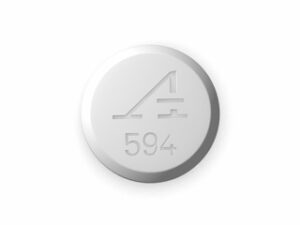

Celecoxib: Patient-Friendly Guide (UK)
Celecoxib is a medicine used to reduce pain and inflammation, particularly in joint conditions such as osteoarthritis and rheumatoid arthritis. It belongs to a group of medicines called NSAIDs (non-steroidal anti-inflammatory drugs). This page explains how celecoxib works, how it is taken, what to watch for, and practical tips to support safe use in the United Kingdom.
Basic product information
| Item | Details |
|---|---|
| Generic name | Celecoxib |
| Brand examples | Celebrex® (and other branded/generic versions depending on supplier) |
| Medicine type | NSAID with COX-2 selectivity |
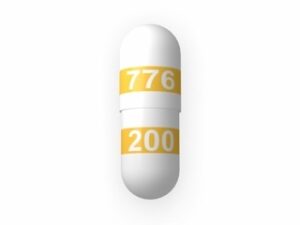
| Common strengths | Often available in 50 mg, 100 mg, 200 mg capsules (availability varies) |
| How it’s taken | Oral (by mouth) capsules/tablets depending on formulation |
| Key benefits | Reduces inflammation, pain, stiffness in some musculoskeletal conditions |
How celecoxib works (mechanism of action)
Inflammation and pain in the body involve chemicals called prostaglandins. These are produced through pathways controlled by enzymes known as COX enzymes (cyclo-oxygenase), mainly COX-1 and COX-2.
Celecoxib primarily inhibits COX-2. By reducing COX-2–related prostaglandin production, it helps to:
- reduce inflammation
- relieve pain
- improve mobility and stiffness in certain arthritis conditions
Unlike some older NSAIDs, it is designed to be more selective for COX-2, which may reduce certain stomach side effects in some people. However, celecoxib still carries important risks, including gastrointestinal (GI) and cardiovascular effects, especially with higher doses or longer use.
Pharmacokinetics (how the body processes it)
“Pharmacokinetics” describes what happens after you take a dose—how it is absorbed, distributed, metabolised, and removed from the body.
Absorption
After oral dosing, celecoxib is absorbed into the bloodstream. Peak blood levels generally occur after a number of hours, depending on formulation and individual factors.
Distribution
It distributes into body tissues to exert its effects. Like many medicines, it binds to blood proteins to some extent.
Metabolism
Celecoxib is primarily metabolised in the liver by enzymes including CYP2C9. This matters because certain other medicines can affect how quickly it is broken down.
Elimination
Celecoxib is eliminated mainly through the liver and kidneys. In people with liver or kidney problems, the medicine may build up and increase risk, so dosing may need adjustment.
Typical use in the UK
Celecoxib is commonly used to manage pain and inflammation related to:
- Osteoarthritis (degenerative joint disease)
- Rheumatoid arthritis (inflammatory arthritis)
- Ankylosing spondylitis (inflammatory condition affecting the spine)
- Acute pain conditions in some clinical situations (depending on product and guidance)
It may be used as part of a broader treatment plan that includes exercise, physiotherapy, joint care, and other medicines as advised.
When to take celecoxib (timing and routine)
Celecoxib is typically taken depending on the condition, the dose, and your clinician’s plan. Many people find it easiest to take it at consistent times each day.
Practical timing tips
- Follow your dosing schedule: do not change your dose frequency without advice.
- Try to take doses evenly if you take it twice daily.
- Use a reminder (phone alarm, pill organiser) to avoid missed doses.
- If you miss a dose, take it when you remember unless it is close to the next dose. Do not double up.
Food interactions: can you take celecoxib with meals?
Celecoxib can generally be taken . Food may slightly affect the speed of absorption, but it usually does not significantly alter overall exposure for most people.
If taking it on an empty stomach causes discomfort (for some people, this may contribute to indigestion), taking with food may improve tolerance.
Gastrointestinal comfort
- Consider taking with food if you experience nausea or heartburn.
- Stay hydrated and avoid alcohol on an empty stomach.
- If you have a history of ulcers or GI bleeding, discuss protective options with a healthcare professional.
Alcohol and medicine interactions
Combining NSAIDs such as celecoxib with alcohol can increase the risk of irritation to the stomach lining and, in some cases, gastrointestinal bleeding. Alcohol may also worsen certain side effects such as dizziness or upset stomach.
General advice
- Limit or avoid alcohol, particularly if you have a history of ulcers or reflux.
- Avoid heavy drinking, especially when starting celecoxib or increasing the dose.
- If you regularly drink alcohol, speak to a clinician or pharmacist before use.
Medicine interactions (important)
Celecoxib can interact with other medicines, which may alter effectiveness or increase side effects. Before using celecoxib, ensure your pharmacist knows about all medicines and supplements you take.
Examples of medicines that may interact
- Other NSAIDs (e.g., ibuprofen, naproxen, diclofenac): increased risk of stomach and kidney problems.
- Anticoagulants (e.g., warfarin): higher bleeding risk.
- Antiplatelet medicines (e.g., clopidogrel, aspirin): increased bleeding risk (unless aspirin is specifically advised).
- SSRIs/SNRIs (e.g., sertraline, citalopram, venlafaxine): may increase bleeding risk when combined with NSAIDs.
- Diuretics (water tablets) and medicines that affect kidney function: combined use may affect kidney health.
- ACE inhibitors / ARBs (e.g., ramipril, losartan): combination may affect kidney function in some people.
- Digoxin: NSAIDs may increase levels in the blood in some cases.
- Lithium: NSAIDs may increase lithium levels.
- CYP2C9 inhibitors/inducers (affect metabolism): may raise or lower celecoxib levels depending on the medicine.
This is not an exhaustive list. If you are unsure whether a product is an NSAID or could interact, ask a pharmacist.
Indications (what celecoxib is used for)
In the UK, celecoxib is prescribed for conditions where pain and inflammation are prominent. Typical indications include:
- Osteoarthritis – to relieve signs and symptoms such as joint pain and stiffness.
- Rheumatoid arthritis – to relieve inflammation-related pain, stiffness, and swelling.
- Ankylosing spondylitis – to reduce pain and improve spinal mobility.
Use outside these conditions may occur in specialist settings depending on clinical judgement and product licensing.
Dosing (general guidance)
Celecoxib dosing depends on the specific condition, age, other health conditions, and risk factors. Always use the dose and schedule provided by your healthcare professional and the instructions on your medicine package.
Common dosing principles
- Use the lowest effective dose for the shortest duration that controls symptoms.
- Reassess regularly if you are taking it for more than a few weeks.
- Older adults may be more sensitive to adverse effects and may need closer monitoring.
- Liver or kidney impairment may require dose adjustments.
Example dose ranges (for typical conditions)
The exact regimen varies by patient and product strength. The table below provides a general overview often used in practice and summaries of product characteristics. Your clinician/pharmacist may choose a different schedule based on your situation.
| Condition | Typical approach (example) | How it may be taken |
|---|---|---|
| Osteoarthritis | Often lower daily doses | Once or twice daily depending on response |
| Rheumatoid arthritis | May require higher doses than osteoarthritis | Usually once or twice daily depending on plan |
| Ankylosing spondylitis | Often similar to rheumatoid dosing strategies | Once or twice daily depending on plan |
If you tell us your strength and schedule (e.g., 100 mg once daily), a pharmacist can help explain how to fit it into your day. Never exceed the prescribed dose.
Safety profile: what to know before and during use
Celecoxib can be effective, but it is important to understand potential risks. Like other NSAIDs, it may cause side effects affecting the stomach, heart, blood pressure, kidneys, and sometimes the skin or blood.
Common side effects
- Indigestion, heartburn, stomach discomfort
- Nausea
- Headache or dizziness
- Fluid retention (swelling of ankles) in some people
- Raised blood pressure in some people
Serious warnings: seek urgent advice if
- Signs of allergy: swelling of face/lips, wheezing, severe rash
- Signs of GI bleeding: black tarry stools, vomiting blood, severe stomach pain
- Chest pain, sudden breathlessness, weakness on one side (possible cardiovascular event)
- Severe skin reactions: blistering or widespread rash
- Reduced urination or sudden weight gain with swelling (possible kidney or fluid issues)
Who should take extra care?
Extra caution is advised if you have any of the following:
- History of stomach ulcers or GI bleeding
- Known cardiovascular disease (e.g., previous heart attack or stroke)
- High blood pressure, diabetes, smoking, or high cholesterol (cardiovascular risk factors)
- Kidney disease or dehydration
- Liver impairment
- Asthma that worsens with NSAIDs
- Are taking medicines that increase bleeding risk (e.g., anticoagulants)
Practical use tips for safer, more comfortable treatment
- Review your full medication list regularly—especially painkillers you buy yourself (some may be NSAIDs).
- Avoid doubling up on NSAIDs. Do not combine celecoxib with ibuprofen, naproxen, or diclofenac unless specifically advised.
- Use the lowest effective dose and consider planned “time-limited” use if appropriate.
- Monitor blood pressure if you have hypertension.
- Stay hydrated, particularly if you are unwell with vomiting/diarrhoea.
- Watch for stomach symptoms. If indigestion becomes severe or persistent, seek advice promptly.
- Tell a clinician if you become pregnant or are trying to conceive—NSAIDs have important considerations.
Alternative options
Celecoxib is one option for pain and inflammation. Alternatives depend on the condition, severity, age, and medical history. Your pharmacist or clinician can help choose the safest and most effective approach.
Other medicine options
- Other NSAIDs (e.g., ibuprofen, naproxen, diclofenac) – may have different risk profiles.
- Paracetamol (acetaminophen) – may help with pain, typically has less anti-inflammatory effect.
- Topical NSAIDs (e.g., gels) – may be useful for some joint problems with less whole-body exposure.
- Joint-support strategies – physiotherapy, weight management, strengthening and mobility exercises.
Non-medicine approaches
- Heat/cold therapy for flare-ups
- Gentle movement and physiotherapy plans
- Assistive devices (as recommended)
- In some inflammatory arthritis, specialist medicines that target the immune system may be appropriate
Do not start or stop other medicines due to celecoxib without medical advice. Some combinations can be unsafe.
Market and legal context in the United Kingdom
Medicines like celecoxib are regulated in the UK and must be used according to authorised information. In the UK, advice about safe use and supply is overseen by medicines legislation and professional standards.
Online pharmacies should provide clear product information, ensure medicines are supplied lawfully, and offer appropriate safety checks. Legitimate medicines require proper labelling and instructions for use.
If a website offers unclear dosing instructions or does not describe key safety information, it may not be a trustworthy source. Choose reputable suppliers and verify packaging and batch details on arrival.
Recent guidance and safety focus (UK)
Across the UK, NSAID safety guidance commonly emphasises:
- Using the lowest effective dose for the shortest possible duration.
- Assessing cardiovascular and gastrointestinal risk before long-term use.
- Reviewing treatment if symptoms persist despite ongoing NSAID use.
- Considering stomach protection for people at higher GI risk, where appropriate.
- Monitoring blood pressure and kidney function when clinically indicated.
Always check the latest advice from your clinician, pharmacist, or reputable UK health sources, as recommendations may evolve.
Delivery and availability (what to expect)
Availability of celecoxib strengths and pack sizes can vary depending on supply. When ordering online, the usual process is:
- Choose the requested strength and pack size.
- Complete any required safety screening steps provided by the pharmacy.
- Confirm delivery details.
- Receive your parcel with the medicine in original packaging.
Delivery times depend on your location and the pharmacy’s dispatch schedule. Many online pharmacies offer tracked delivery and updates by email or text. Keep the medicine in the packaging until you start using it, and store it according to the label instructions.
How to store celecoxib
- Store at the temperature stated on the pack (commonly below 25°C or as directed).
- Keep away from moisture and direct sunlight.
- Keep out of sight and reach of children.
- Do not use after the expiry date on the carton/blister.
FAQ about celecoxib
1) Is celecoxib the same as other NSAIDs?
Celecoxib is an NSAID, but it is more selective for COX-2 than many older NSAIDs. It still shares many of the same overall cautions, including risks to the stomach, kidneys, and cardiovascular system.
2) How quickly does it start working?
Many people notice pain relief within the first day or two, but full benefit can take longer depending on the condition. If there is no improvement after a reasonable period (as advised by your healthcare professional), seek advice rather than increasing the dose yourself.
3) Can I take celecoxib with paracetamol?
In many cases, paracetamol may be used alongside NSAIDs for pain relief. However, you should check with a pharmacist—especially if you take other medicines containing paracetamol to avoid accidental overdose.
4) Should I avoid ibuprofen or naproxen while taking celecoxib?
Yes, in general you should avoid using two NSAIDs together unless specifically instructed. Combining NSAIDs increases the risk of side effects, especially GI bleeding and kidney problems.
5) What if I forget a dose?
Take it when you remember if it’s not close to the next dose. If the next dose is soon, skip the missed dose. Do not take a double dose to make up for it.
6) Can I drink alcohol while taking celecoxib?
It’s safest to limit or avoid alcohol, as alcohol can increase stomach irritation and bleeding risk. If you choose to drink, keep it moderate and consider not drinking on an empty stomach.
7) Who should not take celecoxib?
People with certain conditions or histories may be unsuitable, including some individuals with NSAID allergy, certain heart conditions, severe uncontrolled high blood pressure, or a history of significant GI bleeding—among others. Your pharmacist can help confirm suitability based on your medical history.
8) What should I do if I get severe stomach pain or black stools?
Stop and seek urgent medical advice immediately, as these could be signs of GI bleeding. Inform the healthcare team that you are taking celecoxib.
9) Can celecoxib raise blood pressure?
Yes, NSAIDs including celecoxib can raise blood pressure in some people or worsen fluid retention. If you have hypertension, monitor it and seek advice if readings rise significantly.
10) Is it safe to use in pregnancy?
NSAIDs can be unsuitable in pregnancy, particularly later in pregnancy. If you are pregnant, trying to conceive, or breastfeeding, speak with a healthcare professional for personalised advice.