
Cialis (Tadalafil) — Patient Information (UK)
Cialis is a medicine containing tadalafil, used to treat certain sexual health conditions in adults. It belongs to a group of medicines called phosphodiesterase type 5 (PDE5) inhibitors. This guide explains how Cialis works, how to take it, when to expect an effect, key safety information, and what to consider with other medicines, food, and alcohol.
The information below is designed to be patient-friendly and UK-focused. It does not replace advice from a healthcare professional. If you have questions about whether Cialis is suitable for you, speak with a clinician or pharmacist.
Key product information
| Item | Details |
|---|---|
| Active ingredient | Tadalafil |
| Medicine type | PDE5 inhibitor |
| Common indications in adults | Erectile dysfunction (ED); symptoms of benign prostatic hyperplasia (BPH/“enlarged prostate”); sometimes combined use depending on local product guidance |
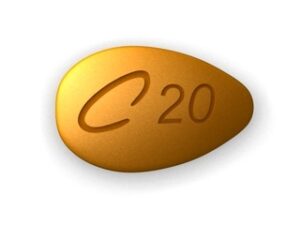
| Common strengths | 5 mg, 10 mg, 20 mg (strengths may vary by product pack and formulation) |
| Typical onset | Often within 30–60 minutes (may vary by individual and dose) |
| Duration | Can last up to about 36 hours for many people (best to use within personal “effective window”) |
How Cialis works (mechanism of action)
Sexual stimulation is required for Cialis to work. When you are aroused, your body releases nitric oxide, which increases blood flow to the penis. This process is partly controlled by an enzyme called PDE5. PDE5 breaks down cGMP, a chemical messenger that helps relax blood vessel walls.
Tadalafil inhibits PDE5, helping to maintain higher levels of cGMP. This improves blood flow and can support achieving and maintaining an erection firm enough for sexual activity.
Cialis does not automatically cause an erection without sexual stimulation.
Pharmacokinetics (how the body handles tadalafil)
Understanding pharmacokinetics can help you plan when to take your dose. Key features include:
- Absorption: Tadalafil is absorbed after taking a tablet, with peak blood levels typically reached within about 1–2 hours for many people (timing can vary).
- Onset: Many people notice improved ability to achieve an erection within 30–60 minutes, depending on the dose and individual response.
- Half-life: Tadalafil has a long half-life—often quoted as around 17.5 hours—which contributes to its prolonged effect.
- Duration: Effects can last up to about 36 hours in some people, which is why it is sometimes called a “weekend” option.
- Metabolism and elimination: Tadalafil is metabolised mainly in the liver and cleared from the body largely through excretion of metabolites. Your doctor/pharmacist may adjust dosing if you have liver or kidney impairment.
What Cialis is used for (indications)
Cialis is used in adults to:
- Treat erectile dysfunction (ED): Trouble getting or maintaining an erection sufficient for satisfactory sexual performance.
- Relieve symptoms of benign prostatic hyperplasia (BPH): Such as difficulty starting urination, weak flow, frequent urination, urgency, or nocturia (waking at night to urinate). Some people may use tadalafil for both ED and BPH depending on their clinician’s plan and the availability of appropriate strengths.
If your primary aim is ED, the dosing strategy may differ from that used for BPH symptoms. Always follow the instructions you receive with your product.
Timing and how to take Cialis
Single-dose (“as needed”) approach (commonly used for ED)
Many people take Cialis before planned sexual activity. Because tadalafil lasts a long time, you usually do not need to take it at the last second.
- Take the tablet about 30 minutes to 1 hour before you expect to be sexually active (some people may need longer).
- With tadalafil’s long duration, you may still be able to achieve an erection over the following hours without redosing immediately.
- Do not take more than once per day unless your clinician advises otherwise.
Daily dosing approach (often used when frequent sexual activity or BPH symptoms are present)
If you take Cialis daily, it can help maintain steadier levels of tadalafil, so you do not have to plan around “as needed” timing.
- Take at the same time each day where possible.
- If you miss a dose, take it when you remember unless it is close to the next dose—then resume as scheduled. Do not double up.
Your exact dosing plan depends on the strength you are given and your health profile (for example kidney/liver function and other medicines). If you are unsure, ask your pharmacist.
Dose ranges (typical dosing guidance)
Below are commonly used adult dosing patterns. Your prescriber/pharmacist may tailor these based on your situation. Follow the instructions on your product packaging and any additional guidance provided.
For erectile dysfunction (ED)
- As needed: commonly 10 mg taken before sexual activity; depending on response/tolerability, some people may use 20 mg or 5 mg.
- Daily: commonly 5 mg once daily (often chosen for more spontaneous activity and/or if BPH symptoms are also present).
For benign prostatic hyperplasia (BPH) symptoms
- Commonly 5 mg once daily.
Important: Do not exceed the maximum dose advised for your specific situation. If you have kidney problems or liver impairment, your clinician may recommend a lower dose or different frequency.
Food interactions (including taking with meals)
Cialis can generally be taken with or without food. Food is not expected to significantly reduce the overall amount of tadalafil absorbed. However, certain meals may affect how quickly it starts to work for you.
- Heavy or high-fat meals: may slightly delay onset in some people. If you are planning sexual activity, consider timing your dose when you know how your body responds.
- Light meals/snacks: are often fine and may be less likely to delay onset.
- Grapefruit: grapefruit products can affect some medicines via effects on drug-metabolising enzymes. While tadalafil is not always singled out as a strict “avoid” item, it is sensible to avoid grapefruit or discuss with a pharmacist if you use it regularly.
Alcohol and medicine interactions
Alcohol and Cialis
Alcohol can contribute to erectile dysfunction for some people and may worsen side effects such as dizziness or a drop in blood pressure. If you choose to drink alcohol, keep it moderate and pay attention to how you feel when standing up.
Avoid “chasing” effects with increasing alcohol. If you feel light-headed, stop drinking and do not drive or operate machinery.
Do not combine with nitrates
The most critical interaction involves medicines called nitrates (often used for chest pain/angina). Combining tadalafil with nitrates can cause a potentially dangerous drop in blood pressure.
- Examples include glyceryl trinitrate (GTN) and other nitrate medicines.
- Do not take Cialis if you use nitrates for angina unless specifically directed under urgent medical supervision.
Alpha-blockers (for prostate symptoms or blood pressure)
Some people with BPH use alpha-blockers (e.g., tamsulosin, doxazosin, alfuzosin). The combination may increase the risk of low blood pressure, especially when starting therapy or adjusting doses.
Your clinician may adjust timing, start with lower doses, and monitor symptoms such as dizziness. Tell your pharmacist if you take an alpha-blocker.
Blood pressure medications
Cialis can also lower blood pressure in some people, particularly when combined with other blood pressure-lowering medicines. This does not necessarily mean it cannot be used, but it increases the importance of monitoring for side effects.
Other PDE5 inhibitors
Do not combine Cialis with other PDE5 inhibitors (such as sildenafil or vardenafil). Doing so increases the risk of side effects and does not improve safety.
Strong enzyme inhibitors/inducers (CYP interactions)
Tadalafil metabolism involves liver enzymes (commonly CYP3A4). Some medicines can change tadalafil levels. This can lead to higher tadalafil exposure (increased side effects) or lower exposure (reduced effect).
- Possible “increase tadalafil levels” medicines include certain antifungals (e.g., ketoconazole, itraconazole) and some antivirals used for HIV or other infections, and certain antibiotics (depending on specific medication).
- Possible “decrease tadalafil levels” medicines include some medicines used for seizures (e.g., carbamazepine, phenytoin) and rifampicin.
If you take any long-term medicines, check with a pharmacist before starting Cialis.
Safety profile: who should be careful
Common side effects
Like all medicines, Cialis can cause side effects. Many are mild and temporary. Commonly reported effects include:
- Headache
- Flushing (warmth/redness)
- Indigestion or stomach discomfort
- Back pain or muscle aches
- Nasal congestion
- Dizziness
Seek urgent medical advice if
Get urgent medical help if you experience serious or potentially dangerous symptoms such as:
- Chest pain, fainting, or severe dizziness (especially with low blood pressure)
- Prolonged erection lasting more than 4 hours (priapism) — this is an emergency
- Sudden vision changes or severe eye pain
- Sudden hearing changes or ringing in the ears
- Signs of a serious allergic reaction such as swelling of the face/lips, difficulty breathing, or widespread rash
People who need extra caution
Be especially careful and consult a healthcare professional if you:
- Have severe heart disease, unstable chest pain, or are advised to avoid sexual activity
- Have low blood pressure or episodes of fainting
- Have severe liver impairment or advanced kidney disease
- Use medicines that affect blood pressure or contain nitrates
- Have a history of priapism or certain blood conditions affecting erections
- Have known retinal disorders (e.g., non-arteritic anterior ischaemic optic neuropathy)
Practical tips for successful and safe use
- Ensure sexual stimulation: Cialis supports blood flow, but arousal is still required.
- Plan timing, but don’t overthink it: For many people, 30–60 minutes before is a good start point. Because effects last longer, you may have flexibility.
- Start with the lowest effective dose: If you’re new to Cialis, your clinician may recommend a lower strength initially.
- Be mindful of hydration: Dehydration can worsen dizziness or blood pressure changes.
- Limit alcohol: Excess alcohol increases the chance of poor performance and dizziness.
- Avoid risky combinations: Especially nitrates and other PDE5 inhibitors.
- Don’t take more than advised: Extra doses do not guarantee better results and raise risk of side effects.
- If it doesn’t work the first time: Response can vary. Consider dose timing, meal size, stress, smoking, and overall health. If repeated attempts are unsuccessful, consult your pharmacist/clinician.
Alternative options to Cialis (tadalafil)
Depending on your needs, other treatment options may be suitable. Alternatives include other PDE5 inhibitors and non-PDE5 approaches. A clinician or pharmacist can advise which is best for you.
Other PDE5 inhibitors
- Sildenafil (often shorter acting)
- Vardenafil
- Avanafil
These medicines work similarly but differ in onset and duration. Some people prefer tadalafil due to its longer-lasting effect.
Non-PDE5 options
- Lifestyle and risk factor management (e.g., smoking cessation, exercise, weight management)
- Psychological support if anxiety or performance stress contributes to ED
- Other medical treatments for BPH or ED, based on the cause and your health profile (for example, discussing options for hormone-related causes where appropriate)
UK market and legal context (overview)
In the United Kingdom, availability and supply of medicines depend on classification and regulatory requirements. Cialis (tadalafil) is a well-known medicine and may be supplied through routes that follow UK medicines regulation and pharmacy standards.
Online pharmacy supply must comply with applicable UK laws and professional rules, including ensuring appropriate screening for suitability and safety, correct product identification, and secure delivery of medicines.
If you are ordering from an online pharmacy, you should expect:
- Clear product information (active ingredient, strength, batch/expiry where applicable)
- Information about how to use the medicine safely
- Appropriate checks for interactions and contraindications (for example nitrates)
- Confidential support and guidance from trained professionals
Recent guidance and important safety updates (what to watch for)
Safety information for PDE5 inhibitors is periodically reviewed by regulators and clinical bodies. While specific recommendations can change over time, key points that remain consistently important include:
- Nitrate contraindication: tadalafil should not be used with nitrates due to severe blood pressure risk.
- Medication interaction screening: always check alpha-blockers, antihypertensives, and strong interacting drugs.
- Serious symptoms vigilance: seek urgent help for prolonged erection, sudden vision/hearing changes, or severe dizziness/fainting.
- Do not “trial repeatedly without review”: if Cialis does not work or side effects occur, reassess dosing and suitability with a professional.
For the most up-to-date UK safety communications, you can also check public regulator guidance through official channels.
Delivery and availability (UK)
Availability of Cialis depends on stock, strength, and formulation. Online pharmacies in the UK typically offer:
- Secure packaging to protect tablets and maintain privacy
- Tracking where available
- Delivery options such as standard or express service (subject to location and provider)
- Cold-chain typically not required for tadalafil tablets under normal storage conditions
When ordering, check the dispatch timeline and estimated delivery date at checkout. If you have specific needs (for example, delivery to an alternate address), ensure the service supports it.
Storage
- Store tablets below 30°C (unless the pack specifies otherwise).
- Keep in the original package to protect from moisture.
- Keep out of reach of children.
Frequently asked questions (FAQ)
1) How long does Cialis take to work?
Many people notice an effect within 30–60 minutes. The timing can vary with dose, your metabolism, and whether you have eaten a heavy meal. Because tadalafil lasts a long time, you may still respond over a longer window.
2) How long does Cialis last?
Effects can last up to about 36 hours for many people. Your personal “effective window” may be shorter or longer. You should not take additional tablets during that period unless instructed by a healthcare professional.
3) Can I take Cialis every day?
Some people take Cialis once daily, often at 5 mg, particularly if ED is frequent or if BPH symptoms are present. Daily dosing should follow your prescribed plan and safety checks.
4) Is Cialis suitable for everyone with erectile dysfunction?
Cialis may not be suitable if you have certain medical conditions, take certain medicines (especially nitrates), or have specific cardiovascular risks. If you are unsure, ask a pharmacist or clinician about your situation.
5) What should I do if I forget a dose?
If you are taking Cialis daily and miss a dose, take it when you remember unless it is close to the next dose. Do not double up.
6) Can I take Cialis with food?
Yes. Cialis can usually be taken with or without food. A very heavy meal may delay how quickly it works for you.
7) Can I drink alcohol when using Cialis?
Moderate alcohol is sometimes compatible, but excessive alcohol can worsen erections and increase dizziness or blood pressure lowering. Avoid heavy drinking and stop if you feel unwell.
8) Are there any medicines I must avoid?
The most important interaction is with nitrates used for angina. Do not combine Cialis with nitrates. Also avoid combining with other PDE5 inhibitors. Tell your pharmacist about all medicines you take, including alpha-blockers and blood pressure drugs.
9) What if Cialis doesn’t work for me?
First, check that timing and dose are correct and that you have sexual stimulation. Other factors can affect erections such as stress, smoking, alcohol, cardiovascular health, and certain medicines. If it repeatedly doesn’t work, talk to a pharmacist or clinician for an adjusted plan.
10) What are the warning signs of a serious problem?
Seek urgent medical help if you have a prolonged erection lasting more than 4 hours, chest pain, fainting/severe dizziness, or sudden vision/hearing changes.
11) Is tadalafil the same as Cialis?
Cialis is the brand name. The active ingredient in Cialis is tadalafil. Tadalafil may also be available under other brand names or as generics depending on the UK market.
12) Can Cialis be used for BPH?
Tadalafil is also used to relieve symptoms of benign prostatic hyperplasia in men. Dosing may differ from ED-only plans, so follow the advice provided for your specific indication.
Summary
Cialis (tadalafil) is a PDE5 inhibitor used in the UK to treat erectile dysfunction and, for some people, symptoms of enlarged prostate. It improves blood flow during sexual stimulation and is known for its long-lasting effect. For safe use, avoid nitrates, check interactions with other medicines, and be alert to warning signs such as prolonged erections or sudden vision/hearing changes.