
Dolutegravir (DTG) – Patient-Friendly Guide (UK)
Dolutegravir is an antiviral medicine used to treat and help control HIV (Human Immunodeficiency Virus). It belongs to a class of medicines called integrase strand transfer inhibitors (INSTIs). Many people take dolutegravir as part of a combination regimen to suppress HIV and support immune function.
This page explains how dolutegravir works, how it is taken, important safety information, and practical advice for UK patients. Always follow the specific instructions given by your healthcare team and the medicine’s packaging.
Basic product information
| Feature | Information |
|---|---|
| Generic name | Dolutegravir |
| Medicinal class | Integrase strand transfer inhibitor (INSTI) |
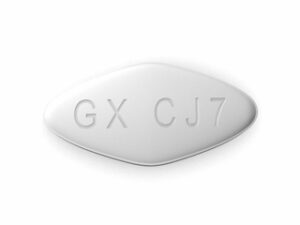
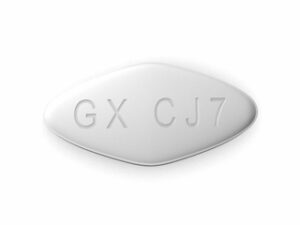
| Common forms | Tablets and oral formulations (varies by brand) |
| Typical use | Treatment of HIV in combination with other antiretroviral medicines |
| Country context | Available and used within the United Kingdom under UK medicines regulations |
How dolutegravir works (mechanism of action)
Dolutegravir blocks an essential step in the HIV life cycle. After HIV enters a cell, it needs to convert its genetic material into a form that can be integrated into human DNA. Dolutegravir inhibits the HIV integrase enzyme, specifically the strand transfer step.
By preventing this integration, dolutegravir helps stop new HIV copies from forming inside infected cells, which can lead to:
- Lower viral load (less HIV in the blood)
- Improved immune function over time
- Reduced risk of HIV progression
Pharmacokinetics (how the body handles dolutegravir)
Pharmacokinetics describes what the body does to a medicine—how it is absorbed, distributed, metabolised, and eliminated. Understanding these basics can help explain interactions and timing.
- Absorption: Dolutegravir is absorbed after oral dosing. Food can affect absorption in some circumstances.
- Distribution: It distributes into body tissues, including sites relevant to HIV infection.
- Metabolism: Dolutegravir is mainly metabolised by liver enzymes (notably via UGT pathways).
- Elimination: It is cleared from the body through metabolic processes and excretion.
Practical takeaway: consistent dosing helps maintain effective drug levels. Certain medicines and supplements can reduce or increase dolutegravir levels, which is why interaction checks matter.
Typical use in HIV treatment
Dolutegravir is typically used as part of an antiretroviral combination regimen. Combination therapy helps prevent resistance and improves the chance of sustained viral suppression.
It may be used in people who are:
- Starting HIV treatment
- Switching regimens to improve tolerability or simplify dosing
- Continuing treatment where dolutegravir is a suitable option
Indications (what it is used for)
Dolutegravir is indicated for the treatment of HIV-1 infection, in combination with other antiretroviral medicinal products. Indications and suitability can vary depending on age, prior treatment history, resistance patterns, and individual clinical factors.
Dosing and timing
Dosing depends on your specific regimen, age, kidney and liver function, and whether you are taking other interacting medicines. Common adult regimens often include once-daily dosing, but your prescriber or pharmacist will confirm the exact dose for you.
General timing guidance
- Take dolutegravir at about the same time each day to help maintain consistent levels.
- Swallow tablets whole with water unless your specific formulation advises otherwise.
- If you miss a dose: take it as soon as you remember on the same day. If it is close to your next dose, skip the missed dose and continue as normal. Do not take a double dose.
Food and timing with mineral supplements
Dolutegravir can interact with multivalent cations such as calcium, iron, magnesium, and aluminium. These can reduce dolutegravir absorption. This is especially relevant for antacids and supplements.
- Take mineral supplements (e.g., calcium/iron) at a different time from dolutegravir.
- Follow the spacing instructions provided by your product information or your pharmacist.
Because spacing recommendations can vary by formulation and the co-medicine, always check your specific label instructions.
Food interactions (what to know)
Food can affect drug absorption for some antiretrovirals. For dolutegravir, it is generally possible to take with or without food, but specific recommendations may apply depending on the strength/formulation and your regimen.
To support adherence and reduce variability, many patients choose a consistent routine (for example, with a light meal). If you are unsure, ask your pharmacist.
- Consistency helps: taking it the same way each day may help you maintain predictable absorption.
- Avoid taking it with mineral-heavy products at the same time unless your instructions allow it.
Alcohol interactions
Moderate alcohol use is not usually expected to directly interact with dolutegravir in a way that makes it unsafe for most people. However, alcohol can affect:
- Adherence (missed or delayed doses)
- Illness management (lifestyle factors that influence overall health)
- Liver health, especially if you have underlying liver disease or take medicines that affect the liver
If you are living with hepatitis B or hepatitis C, have liver impairment, or take other medicines affecting the liver, seek individual advice from your healthcare team about alcohol.
Medicine interactions (important safety topic)
Dolutegravir can interact with other medicines, particularly those affecting liver enzymes or containing minerals that bind the drug in the gut. Always tell your pharmacist about all medicines you take, including over-the-counter products, herbal remedies, and supplements.
Common interaction categories
- Antacids and supplements containing cations (calcium, iron, magnesium, aluminium): may reduce dolutegravir absorption.
- Some antiseizure medicines (enzyme inducers): may lower dolutegravir levels.
- Some antibiotics/antivirals: may affect metabolism and levels (specific agents matter).
- Metformin: dolutegravir can increase metformin levels; dose adjustments may be needed.
- Other antiretrovirals: the combination may be planned to be compatible, but individual regimens should be reviewed.
What to do
- Provide a full list of your medicines when you order or when your regimen changes.
- Ask whether you need timing separation for antacids/supplements.
- Seek advice before starting new OTC products, including “heartburn” remedies and mineral supplements.
Safety profile and side effects
Like all medicines, dolutegravir may cause side effects. Many people experience none or only mild effects. Your healthcare team can advise what is normal for you and what needs prompt attention.
Common side effects
- Headache
- Nausea
- Diarrhoea
- Fatigue or feeling generally unwell
- Rash (report new or worsening rash promptly)
Serious but less common warnings
- Hypersensitivity reactions: seek urgent medical help if you develop symptoms such as widespread rash, fever, swelling, or breathing difficulties.
- Severe skin reactions: stop and seek urgent advice if you develop blistering, peeling skin, or sores in the mouth/eyes.
- Changes in mood or mental health: if you notice new severe anxiety, depression, or suicidal thoughts, seek urgent help.
Pregnancy and breastfeeding (UK patient considerations)
Dolutegravir may be used in pregnancy where appropriate. Decisions about use in pregnancy involve balancing benefits and risks and may depend on timing within pregnancy and individual circumstances. If you are planning pregnancy, are pregnant, or are breastfeeding, discuss this with your healthcare team promptly.
Kidney and liver considerations
Dolutegravir is cleared through the body using pathways that may not be entirely dependent on kidney function. Still, dosing and suitability can vary with liver disease or other health conditions. Your clinician will consider your medical history.
Practical use tips (how to get the best results)
- Take it regularly: HIV medicines work best when taken consistently.
- Set reminders: alarms on your phone or a medication organiser can help.
- Check your supplements: calcium, iron, magnesium, and zinc products can affect absorption. Use timing separation as instructed.
- Manage heartburn carefully: some antacids can interact. Ask your pharmacist about compatible options and correct timing.
- Keep an eye on new symptoms: report rash, persistent stomach upset, or unusual fatigue promptly.
- Keep track of interactions when regimens change: start-up or stopping other medicines can change dolutegravir levels.
Alternative options (if dolutegravir is not suitable)
There are several other integrase inhibitors and antiretroviral options available. Suitability depends on resistance history, co-medications, kidney/liver function, pregnancy status, and individual factors.
Common alternative integrase inhibitors
- Bictegravir (often used as part of combination products)
- Raltegravir
- Elvitegravir (typically used with boosters in certain regimens)
Other antiretroviral classes
- Non-nucleoside reverse transcriptase inhibitors (NNRTIs)
- Nucleoside/nucleotide reverse transcriptase inhibitors (NRTIs)
- Protease inhibitors (PIs)
- Entry inhibitors (depending on circumstances)
Your healthcare team can discuss which options are appropriate for you, including whether switching is beneficial and how to switch safely.
Market and legal context in the United Kingdom
In the UK, dolutegravir is used under national clinical guidance and within the regulatory framework of the Medicines and Healthcare products Regulatory Agency (MHRA) and relevant medicines legislation. Availability may vary by formulation, manufacturer, and local stock at the time of ordering.
UK clinical practice for HIV treatment is commonly guided by expert recommendations and evolving evidence. These recommendations may be updated to reflect new safety data, resistance patterns, pregnancy data, and best practice for viral suppression and adherence.
Recent UK guidance and safety updates (overview)
Guidance for HIV treatment can change over time as new evidence becomes available. In particular, recommendations related to:
- Choice of initial therapy and regimen simplicity
- Use in pregnancy and planning pregnancy
- Management of drug–drug interactions (including antacids and supplements)
- Monitoring viral load and treatment response
may be refined. For the most up-to-date advice, clinicians often refer to UK HIV treatment guidelines and updates from recognised bodies. Your pharmacist can also help ensure that your specific combination is appropriate and that your medicine list has been reviewed for interactions.
Delivery and availability in the UK
Availability can depend on the specific brand and strength. In the UK, reputable online pharmacies supply medicines in line with legal requirements and standard cold-chain or storage rules if applicable. Delivery options may include standard or expedited dispatch, depending on stock levels and the service you choose.
- Stock status: medicines may show current availability at checkout.
- Dispatch times: commonly same-day or next-day dispatch where permitted.
- Storage: store tablets as directed on the packaging (often at room temperature, away from moisture and heat).
If you need dolutegravir urgently, contact the pharmacy before placing an order to confirm estimated dispatch and delivery windows.
Safety checklist before you start (or when you reorder)
- Review your medicine list: include OTC medicines and supplements.
- Check for mineral products: calcium/iron/magnesium/aluminium antacids and supplements usually require timing adjustments.
- Confirm dosing schedule: once daily or twice daily—use your prescribed instructions.
- Know what to do if you miss a dose: follow the guidance in the leaflet you receive.
- Report new severe symptoms: particularly rash, severe allergic symptoms, or persistent vomiting/diarrhoea.
FAQ about dolutegravir
1. What is dolutegravir used for?
Dolutegravir is used as part of combination therapy to treat HIV-1 infection. It helps lower viral load by blocking HIV integrase.
2. Can I take dolutegravir with food?
Dolutegravir can often be taken with or without food. The safest approach is to follow your product’s instructions and aim for consistent daily timing. If you also take mineral supplements or antacids, separate them as instructed.
3. Do I need to avoid antacids or calcium/iron supplements?
Many antacids and mineral supplements contain cations that can reduce dolutegravir absorption. You may need to take them at different times. Ask your pharmacist for the correct spacing for your specific products.
4. What should I do if I miss a dose?
If you remember soon, take the missed dose. If it is near your next dose, skip it and continue your regular schedule. Do not take two doses together. If you are unsure, contact your pharmacist for advice.
5. Can I drink alcohol while taking dolutegravir?
Moderate alcohol use is not typically contraindicated specifically for dolutegravir, but alcohol can affect adherence and overall health. If you have liver disease or take medicines that affect the liver, seek personalised advice.
6. Are there important drug interactions?
Yes. Drug–drug interactions can occur, especially with medicines that induce liver enzymes or with mineral-containing antacids/supplements. Always provide your full medicine list to your pharmacist.
7. What side effects are most common?
Common side effects include headache, nausea, diarrhoea, fatigue, and rash. Many are mild, but report persistent or severe symptoms promptly.
8. Is dolutegravir safe for pregnancy?
Dolutegravir may be used during pregnancy when clinically appropriate. Recommendations can depend on the stage of pregnancy and individual circumstances. Discuss pregnancy plans with your healthcare team as soon as possible.
9. How quickly will dolutegravir work?
People often see viral load reductions within weeks, but the exact timing varies. Your clinician will schedule blood tests to monitor response and ensure the regimen is working.
10. Can I switch from dolutegravir to another HIV medicine?
Switching may be possible depending on your situation, resistance history, and co-medicines. Any switch should be planned with your healthcare team to maintain viral suppression and minimise interactions.
Important: This information is a general patient guide for understanding dolutegravir. It does not replace the leaflet inside your medicine pack or advice from your healthcare team. If you have concerns or develop new symptoms, seek medical advice promptly.