Dydrogesterone (Dydrogesterone) — Patient Information
Dydrogesterone is a medicine used to replace or supplement the naturally occurring hormone progesterone in certain situations, particularly when the body does not produce enough progesterone. It is commonly used to support the lining of the womb (uterus) and to help protect against overgrowth of the uterine lining in women taking oestrogen.
This page explains how dydrogesterone works, what it is used for, how it is usually taken, and practical information for safe use in the United Kingdom. Always follow the advice given by your healthcare professional and read the leaflet that comes with your medicine.
Quick overview
| Topic | Key points |
|---|---|
| What it is | Dydrogesterone is a progestogen (a progesterone-like hormone). |
| Common uses | Hormone support in specific gynaecological conditions; prevention of endometrial overgrowth with oestrogen therapy. |
| How it works | Transforms and stabilises the uterine lining and helps balance the effects of oestrogen. |
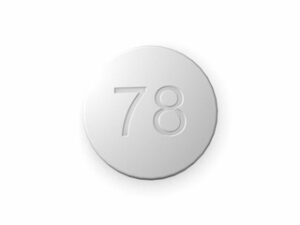
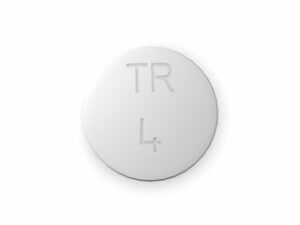
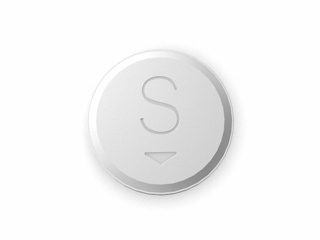
| Typical form | Tablets (strengths vary by product). |
| When to take | Often taken in cycles or once daily/twice daily depending on the indication. |
| Food effects | Can generally be taken with or without food. |
| Alcohol | Moderate alcohol is not usually expected to directly affect dydrogesterone, but individual tolerance varies. |
Basic product information
Generic name: Dydrogesterone
Type: Progestogen (synthetic progesterone-like hormone)
Availability in the UK: Widely available through pharmacies as branded and generic tablet formulations, depending on stock.
Different strengths and pack sizes exist. Your dosage schedule can vary depending on the reason you’re taking the medicine.
How dydrogesterone works (mechanism of action)
Dydrogesterone acts on progesterone receptors in tissues, particularly the uterus. In practical terms, it:
- Supports the secretory transformation of the uterine lining (endometrium), which is important for normal menstrual and reproductive health.
- Helps protect the endometrium from excessive growth when oestrogen is present (for example, in hormone therapy).
- Helps regulate hormonal balance in women who need progestogen support for specific conditions.
Pharmacokinetics: how the body processes dydrogesterone
Pharmacokinetics describe what happens to a medicine once taken—how it is absorbed, distributed, metabolised, and eliminated. Dydrogesterone is absorbed after oral administration and is converted primarily to an active metabolite in the liver.
- Absorption: Dydrogesterone is absorbed from the gastrointestinal tract after oral dosing.
- Metabolism: It is metabolised in the body, largely through liver pathways, producing metabolites that contribute to its effect.
- Elimination: Metabolites are cleared from the body over time, mainly via the urine.
- Onset of effect: Hormonal effects are generally not immediate; the benefits develop over days to weeks depending on the indication.
Individual responses can vary. If you have questions about how quickly it should work for your situation, speak to your healthcare professional.
Typical use in the UK
Dydrogesterone is used for progestogen support in specific hormonal conditions. One of the best-known roles is to provide endometrial protection in women who receive oestrogen as part of hormone therapy.
Depending on your circumstances, dydrogesterone may be used for:
- Hormone replacement approaches where progestogen is required to protect the uterine lining when oestrogen is used.
- Conditions involving insufficient progesterone or hormonal imbalance where a progestogen is indicated.
- Support for reproductive health in selected clinical settings as advised by a clinician.
Indications can vary by product licensing. Your healthcare professional will confirm the exact reason you’re using it.
Indications (common clinical reasons)
The wording of indications can differ between manufacturers and product leaflets. In general practice, dydrogesterone may be prescribed for conditions where progesterone-like support is needed, such as:
- Endometrial protection during oestrogen therapy in women with a uterus.
- Abnormal uterine bleeding related to hormone imbalance, depending on diagnosis and specialist assessment.
- Threatened miscarriage or recurrent miscarriage support in selected cases under specialist guidance.
- Luteal phase support in certain fertility-related contexts (use varies by clinical protocol).
- Other progestogen-responsive conditions where progesterone supplementation is appropriate.
If you’re unsure why you were prescribed dydrogesterone, check your medicine pack and the leaflet, or ask your pharmacist.
Timing and how to take dydrogesterone
The correct timing depends on your indication and your dose schedule. Common patterns include cyclical use (for example, days of the menstrual cycle) or continuous use in hormone therapy regimens.
General timing principles
- Try to take it at the same time each day to keep hormone levels more consistent.
- Follow cycle instructions carefully if your regimen is based on days of the month or menstrual cycle.
- Complete the course as directed, even if you feel well, unless advised otherwise.
What if you miss a dose?
If you miss a dose, take it when you remember unless it’s close to the time of your next dose. Do not take two doses at once to make up for a missed dose. If you’re uncertain, ask your pharmacist for advice based on your schedule.
Dosing: typical regimens (follow your specific plan)
Dydrogesterone dosing varies widely depending on the reason you’re taking it and the product strength. The sections below provide general examples of how dosing regimens are commonly structured; always follow the instructions given with your medicine.
Examples of regimen structures
- Endometrial protection with oestrogen: progestogen is often taken for a specific part of the monthly cycle, alongside oestrogen therapy.
- Hormone imbalance and bleeding support: dosing may be cyclic or continuous, depending on diagnosis and response.
- Selected reproductive health support: dosage and duration can be protocol-specific and should be guided by a clinician.
Your pharmacist can help you identify your exact regimen on the label (for example, how many tablets per day and at what times). If you want, you can also check your pack leaflet for the dosing schedule that matches your indication.
Food interactions: can you take dydrogesterone with meals?
Dydrogesterone is generally well tolerated and can typically be taken with or without food. Taking it with food may help reduce the chance of stomach upset for some people.
Try to maintain a consistent routine. If you experience nausea or stomach discomfort, consider taking your dose after a meal and speak to your pharmacist if symptoms persist.
Alcohol interactions
There is no universally expected severe interaction between moderate alcohol intake and dydrogesterone. However, alcohol can affect wellbeing, sleep, and hormonal health indirectly, and can make side effects harder to tolerate.
- Moderation is sensible: If you drink alcohol, consider limiting intake and observe how you feel on the medicine.
- Avoid binge drinking: High alcohol intake may worsen nausea, headaches, or fatigue.
- Discuss if you have concerns: If you have liver problems or other medical conditions, ask a clinician or pharmacist for tailored advice.
Medicine interactions (including commonly asked medicines)
Many medicines can interact with hormonal treatments by affecting liver enzyme activity or changing how drugs are metabolised. Dydrogesterone is metabolised in the body; therefore, it’s important to inform your pharmacist about all medicines you take.
Particularly tell your pharmacist if you use:
- Enzyme-inducing medicines (some anti-epileptics such as carbamazepine, phenytoin, and others; and certain medicines for tuberculosis or HIV—your pharmacist will advise).
- Herbal products such as St John’s wort.
- Other hormonal treatments (oestrogens, other progestogens, or fertility medicines).
- Medicines affecting blood clot risk—especially if you have a personal or family history of clots.
This is not a complete list. If you share your current medicines (including over-the-counter products and supplements), your pharmacist can check for specific issues relevant to your situation.
Safety profile: who should be careful?
Like all medicines, dydrogesterone can cause side effects. Many people experience none or only mild effects, but it’s important to know what to watch for.
Common side effects
- Mild headache
- Nausea or stomach discomfort
- Mood changes or breast tenderness
- Breakthrough bleeding (especially during early treatment or changes to regimen)
- Fluid retention in some individuals
Seek urgent medical advice if you have
Some symptoms may indicate serious complications. Stop and seek urgent advice if you experience:
- Signs of a blood clot (for example, sudden breathlessness, chest pain, painful swelling of one leg)
- Severe allergic reaction (swelling of face/lips, trouble breathing, widespread rash)
- Severe or worsening abdominal pain or unusual bleeding patterns
- Yellowing of the skin or eyes (possible liver-related issues)
People who need extra caution
- History of hormone-sensitive cancers or unexplained vaginal bleeding—always discuss before use.
- Liver disease.
- History of thrombosis or significant risk factors for blood clots.
- Pregnancy-related symptoms—report any concerns promptly to a clinician.
Practical use tips for success
- Use a routine: choose a consistent time and consider pairing it with a daily habit (e.g., after breakfast or at bedtime).
- Keep track of cycles: if your dosing is based on calendar days, use a reminder on your phone.
- Store correctly: keep tablets in the original packaging as directed on the box/leaflet.
- Don’t stop suddenly without advice: unless you’ve been told to, especially if you’re using it as part of hormone therapy.
- Monitor bleeding changes: mild spotting can occur, but heavy bleeding or sudden changes should be discussed promptly.
- Attend follow-ups: if you’re taking it alongside oestrogen or for ongoing hormonal management, regular review may be recommended.
Alternative options
Alternatives depend on your reason for taking a progestogen. In the UK, healthcare professionals may consider other progestogens or different regimens depending on suitability, side effect profile, and your medical history.
Examples of alternatives (not exhaustive)
- Other oral progestogens used for endometrial protection or bleeding support.
- Progesterone preparations (where appropriate to the clinical situation and licensing).
- Levonorgestrel-releasing intrauterine system (IUS) for endometrial protection in some hormone therapy approaches.
- Adjustments to oestrogen regimen to find the most suitable balance (this is specialist-led).
Discuss alternatives with your pharmacist or clinician. Switching hormone treatments should be planned carefully to maintain safety and effectiveness.
Market and legal context in the United Kingdom
In the UK, medicines are regulated by the Medicines and Healthcare products Regulatory Agency (MHRA) and are supplied according to UK prescribing, dispensing, and classification rules. Product availability can vary by brand and strength.
Online pharmacies typically provide access to medicines under the relevant UK frameworks, with appropriate clinical checks where required. For dydrogesterone, availability is dependent on supply, medicine classification, and the product’s licensing terms.
Recent and ongoing guidance (high-level)
Hormone-related care can evolve as safety information and clinical recommendations are updated. In recent years, UK guidance and professional practice have continued to emphasise:
- Individual risk assessment before starting or continuing hormonal therapy, including assessment for clot risk and other contraindications.
- Using the lowest effective dose for the shortest appropriate duration and reviewing regularly.
- Monitoring symptoms such as abnormal bleeding and reporting it promptly.
Your clinician or pharmacist can provide the most current advice specific to your circumstances.
Delivery and availability (UK)
Online pharmacy availability depends on local supply chains, batch availability, and the specific strength/pack size you order. We aim to process orders promptly and dispatch within standard delivery windows, subject to stock.
What to expect
- Stock status: Some strengths may be in higher demand; if an item is temporarily unavailable, the site may show an estimated restock date.
- Dispatch: Dispatch is typically made once payment and any required verification are complete.
- Delivery: Courier delivery times can vary by area and service level.
For the fastest service, double-check the strength and pack size you need. If you require a specific dosing schedule, ensure you have enough tablets for the full course before your delivery arrives.
FAQ about dydrogesterone
1) What is dydrogesterone used for?
Dydrogesterone is a progestogen used to support hormone balance and protect the uterine lining in specific situations. A common use is endometrial protection when oestrogen is taken in women who still have a uterus. It may also be used for other hormone-related conditions as clinically indicated.
2) How long does it take to work?
Hormonal effects are not always immediate. In some situations, bleeding pattern changes or symptom improvements may appear within days to weeks. The expected timeline depends on why you are taking it—your clinician can advise what’s reasonable for your condition.
3) Can I take it with food?
Yes. Dydrogesterone can generally be taken with or without food. If it upsets your stomach, try taking it after a meal.
4) What if I miss a tablet?
Take it as soon as you remember unless it’s nearly time for your next dose. Do not take two doses together. If you’re unsure, ask your pharmacist for guidance based on your specific schedule.
5) Is it safe to drink alcohol while taking dydrogesterone?
Moderate alcohol intake is not usually expected to have a direct interaction with dydrogesterone, but everyone’s response differs. If you notice increased side effects or feel unwell, reduce or avoid alcohol and seek advice.
6) Can other medicines affect dydrogesterone?
Yes, some medicines can alter hormone metabolism (for example, certain enzyme-inducing drugs) and may reduce effectiveness or increase side effects. Herbal products like St John’s wort can also be relevant. Tell your pharmacist about all medicines and supplements you use.
7) What side effects are common?
Common side effects may include mild headache, nausea, breast tenderness, mood changes, and bleeding changes during the course of treatment. If side effects are persistent, severe, or worrying, speak to a pharmacist or clinician.
8) When should I seek urgent help?
Seek urgent medical advice if you develop symptoms that might indicate a blood clot (such as sudden breathlessness or painful leg swelling), a severe allergic reaction, or signs of serious liver problems (such as yellowing of the skin/eyes).
9) Are there alternatives?
Alternatives depend on the reason you’re taking dydrogesterone. Other progestogens or different endometrial protection options may be considered. Discuss options with your pharmacist or healthcare professional before switching.
10) Can I use dydrogesterone if I have liver problems?
Extra caution is needed if you have liver disease. Check with a clinician or pharmacist for advice tailored to your medical history.
Important information
This page is designed to provide clear, patient-friendly information and does not replace the patient leaflet or professional medical advice. If you have questions about whether dydrogesterone is suitable for you, how to take it, or what to do if side effects occur, speak to your pharmacist or healthcare professional.