
Famvir (Famciclovir) — Patient Guide (UK)
Famvir is a brand name for famciclovir, an antiviral medicine used to treat certain viral infections—most commonly herpes viruses. This guide explains how Famvir works, when it is typically used, how it is taken, key safety considerations, and what to expect while using it. It is written for people in the United Kingdom and is designed to be patient-friendly.
Basic product information
| Item | Details |
|---|---|
| Medicine name | Famvir (famciclovir) |
| Medicinal class | Antiviral (nucleoside analogue) |
| Common uses | Herpes zoster (shingles), genital herpes, and other herpes virus infections depending on local guidance |
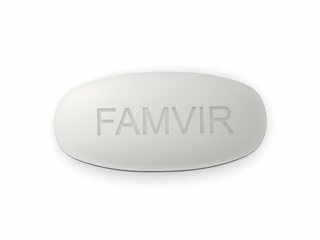
| Available strengths | Commonly supplied as tablets (strengths may vary by product) |
| How it works | Converted in the body to an active form that blocks viral DNA replication |
| How it is taken | By mouth, with dosing and duration depending on the condition |
Important: Always follow the specific instructions you are given for your condition and personal health situation. Doses may vary based on diagnosis, severity, kidney function, and whether it is a first episode or recurrence.
How Famvir works (mechanism of action)
Famciclovir is a so-called prodrug. After you take it, your body converts famciclovir into penciclovir, the active antiviral compound. Penciclovir targets viral DNA replication by interfering with the way the virus makes new genetic material.
- Selective antiviral activity: Penciclovir is activated inside infected cells, which helps limit effects on uninfected cells.
- Blocks replication: It inhibits viral DNA synthesis, reducing viral spread in the body.
- Symptom benefit: Faster control of viral activity may reduce the duration of symptoms, promote healing, and help with pain in some conditions.
Pharmacokinetics (how the body handles it)
Pharmacokinetics describes what happens to the medicine after it is taken—absorption, conversion to active form, distribution, metabolism, and excretion. Key points include:
- Absorption: Famciclovir is absorbed after oral administration.
- Conversion: It is converted to the active metabolite, penciclovir.
- Elimination: The active compound is eliminated primarily via the kidneys.
- Kidney function matters: Because elimination depends on kidney performance, dose adjustments are often needed in people with reduced kidney function.
- Timing effects: Antiviral medicines tend to work best when started early—especially for shingles (herpes zoster) and outbreaks of genital herpes.
If you have kidney disease or are older, your clinician may choose a different dosing schedule or strength to reduce the risk of side effects.
Typical uses (indications)
Famvir is used for infections caused by herpes viruses, including:
- Herpes zoster (shingles): Painful rash with blisters, typically on one side of the body.
- Genital herpes: Episodes of genital herpes due to herpes simplex virus (HSV), including first episodes and recurrences.
- Cold sores and other herpes-related infections: Depending on clinical assessment, antiviral treatment may be recommended for certain herpes infections.
Your healthcare professional may tailor treatment based on your diagnosis, symptom severity, how long symptoms have been present, and your past history.
When to start and how timing affects treatment
Timing is important. Antivirals are most effective when started early in the course of illness.
- Shingles: Treatment is commonly started as soon as possible, ideally within 72 hours of rash onset.
- Genital herpes: For best results, start at the first signs of an outbreak (for example, tingling or burning) or soon after symptoms begin.
- Recurrent episodes: Starting quickly at the earliest symptoms can improve control and shorten symptom duration.
If you are unsure whether your timing is appropriate, seek medical advice promptly—especially with shingles, facial involvement, or severe pain.
Dosing overview (general guidance)
Dosing for Famvir depends on the condition being treated and your individual factors (including kidney function). Common dosing approaches may include different total daily amounts and treatment durations.
The following table provides a high-level overview of how dosing regimens are often described. Exact dosing for your situation may differ.
| Condition | Typical approach (overview) | Duration (overview) | Notes |
|---|---|---|---|
| Herpes zoster (shingles) | Usually taken several times daily in higher-dose regimens | Often around 7 days (may vary) | Start as early as possible, particularly within 72 hours of rash onset |
| Genital herpes (episode) | Often a course taken over a few days with lower dosing than shingles | May be a few days depending on regimen | Start at earliest outbreak symptoms for best benefit |
| Recurrent genital herpes (suppressive or episodic strategies) | Some people may be prescribed ongoing preventive schedules or shorter courses for flare-ups | Varies (episodic vs longer-term strategies) | Discuss long-term plans with your clinician |
Kidney impairment: If you have reduced kidney function, your doctor may reduce the dose and/or change how often you take the tablets. This is a common and important adjustment for antiviral medicines.
How to take: Take Famvir at the times prescribed. Swallow the tablets with water. If you miss a dose, follow the advice given by your pharmacist or prescribing clinician—generally, do not take a double dose to make up for a missed one.
Food interactions and taking with meals
Famvir can generally be taken with or without food. Food is unlikely to dramatically reduce effectiveness for most people. However, practical considerations may improve comfort:
- Take with water: This helps reduce the chance of stomach discomfort.
- If you get nausea: Consider taking with food (or after a meal) if your clinician/pharmacist has not advised against it.
- Stay consistent: Taking it at similar times each day may help you remember.
If you have specific dietary restrictions or stomach conditions, ask your pharmacist for tailored advice.
Alcohol and medicine interactions
There is no well-known direct interaction between Famvir and alcohol that universally contraindicates drinking. However, combining alcohol with any medication can increase the likelihood of side effects such as dizziness or nausea and may affect how well you feel during illness.
- During active symptoms: If you’re treating shingles or genital herpes and you feel unwell, it’s sensible to limit alcohol.
- Avoid heavy drinking: This may worsen dehydration and general wellbeing.
- Other medicines: The biggest interaction risk comes from other drugs you take alongside Famvir (see “Medicine interactions” below).
If you drink alcohol regularly or have liver or kidney issues, check with a healthcare professional for personal guidance.
Other medicine interactions (important considerations)
Many medicines can interact through kidney clearance, effects on the nervous system, or by changing stomach absorption. For antivirals like famciclovir, key practical points include:
- Kidney-related medicines: If you take drugs that also affect kidney function, your prescriber may need to check your kidney status.
- Dehydrating medicines: Diuretics (“water tablets”) and other causes of dehydration may increase the risk of side effects in some people.
- Unfamiliar new medicines: Tell your pharmacist about all medicines and supplements you take, including over-the-counter products.
Always provide a full list of your medicines (including herbal remedies) when asking about interactions. This includes items you take occasionally, such as painkillers or allergy treatments.
Safety profile: common and serious side effects
Like all medicines, Famvir can cause side effects. Many are mild and settle as your body adjusts or after the course is completed. However, some require urgent medical attention.
Common side effects
- Headache
- Nausea
- Dizziness
- Fatigue
- Diarrhoea (in some people)
Less common / seek advice
- Rash or unexpected skin changes
- Swelling (e.g., face or limbs)
- Severe tiredness or persistent symptoms
Urgent help (emergency symptoms)
Contact urgent medical services or seek immediate advice if you experience signs of a serious allergic reaction, such as:
- Difficulty breathing
- Swelling of the face, lips, tongue, or throat
- Severe widespread rash or blistering
If you develop unusual neurological symptoms (for example severe confusion, severe drowsiness, or significant worsening dizziness), seek prompt medical advice.
Practical use tips for getting the most benefit
- Start early: If you suspect shingles or an outbreak, seek advice promptly and aim to begin treatment as soon as recommended.
- Keep track of doses: Use a timetable or reminder to avoid missed doses.
- Hydrate: Drink adequate fluids, particularly if you’re unwell or taking other medications that can affect hydration.
- Protect others from transmission: Herpes viruses can spread through contact with active lesions and during certain stages. Use barrier protection for genital herpes outbreaks and avoid skin-to-skin contact with visible lesions.
- Manage pain and skin care: For shingles, supportive measures (as advised by a clinician) can improve comfort alongside antivirals.
- Don’t stop early without advice: Complete the course unless a clinician advises otherwise, even if you feel better.
People who need extra caution
Certain groups should take special care when using Famvir, typically under clinician guidance:
- Reduced kidney function: Dose adjustment is commonly required.
- Older adults: Kidney function may decline with age; monitoring and dose adjustment may be needed.
- Weakened immune system: People with certain immune conditions (or those on immune-modifying therapies) may have different treatment needs.
- Pregnancy or breastfeeding: Use may depend on clinical assessment of benefits and risks. If relevant, seek medical advice.
If any of the above applies, discuss your situation with a pharmacist or clinician before using Famvir.
Alternative treatment options
Depending on the diagnosis and severity, alternatives to famciclovir may include other antivirals commonly used for herpesvirus infections. Availability and suitability differ by individual factors.
- Acyclovir (for certain herpes infections)
- Valaciclovir (often used due to convenient dosing in some situations)
- Supportive treatment only for mild or specific cases (depending on the condition)
Your clinician will select the most appropriate option based on factors such as the type of infection, timing of symptom onset, kidney function, drug interactions, and your medical history.
UK market and legal context (general information)
In the United Kingdom, medicines are regulated by the Medicines and Healthcare products Regulatory Agency (MHRA) and must have appropriate product information and safety monitoring. Famvir is a prescription medicine in the UK in most circumstances, and access may require assessment by a healthcare professional. Pharmacies may also provide medicine guidance and advice to support safe use.
Availability can depend on local supply and the specific tablet strength and pack size. Online pharmacy listings typically include details about formulation and how to use the product safely.
Recent guidance and clinical considerations
Clinical management of herpes virus infections may evolve over time, especially regarding timing and which patient groups benefit most from antiviral therapy. In general:
- Start promptly for shingles (commonly within 72 hours of rash onset).
- Consider risk factors (e.g., immune status, severe pain, complications) when choosing treatment intensity and duration.
- Review kidney function for appropriate dosing and safety.
If you are worried about complications (for example, eye involvement, widespread rash, or severe pain that is not improving), contact a clinician urgently.
Delivery and availability (online pharmacy)
Online pharmacies in the UK typically provide delivery options that may include standard and next-day services depending on location and stock. Delivery timelines can vary based on:
- Stock availability and tablet strength
- Order processing time
- Courier capacity and local delivery schedules
- Bank holidays and weekends
When ordering, check the product name, strength, quantity, and any instructions on the pack or provided in the pharmacy information. If you have urgent symptoms (such as shingles), consider ordering as early as possible after you have received appropriate advice.
FAQ about Famvir (Famciclovir)
1) What is Famvir used for?
Famvir (famciclovir) is an antiviral medication used for herpes virus infections, most notably shingles (herpes zoster) and genital herpes. The exact use depends on your diagnosis.
2) How quickly does Famvir work?
Many people notice improvement in symptoms over the next few days after starting antivirals. For best results, treatment should begin early in the illness. If your symptoms worsen or do not improve as expected, seek medical advice.
3) Can I take Famvir with food?
In most cases, Famvir can be taken with or without food. If you experience stomach upset, taking it with food may help.
4) Is it safe to drink alcohol while taking Famvir?
There is no universal prohibition on alcohol with Famvir, but alcohol may worsen side effects such as nausea or dizziness. For comfort and safety, limit alcohol—especially if you feel unwell.
5) What if I miss a dose?
Follow the advice provided by your pharmacist or the patient information leaflet. In general, you should not take a double dose to make up for a missed one.
6) Do I need a kidney dose adjustment?
If you have reduced kidney function, you may need a lower dose or different schedule. This is common with antivirals and helps reduce side effects.
7) Can Famvir prevent transmission of herpes?
Famvir helps treat outbreaks and can reduce viral activity, but it does not guarantee zero transmission. Avoid skin-to-skin contact with lesions and follow recommended barrier precautions during outbreaks.
8) What side effects should I watch for?
Common side effects include headache, nausea, dizziness, and fatigue. Seek urgent help if you develop signs of a serious allergic reaction or severe/unusual symptoms.
9) Are there alternatives to Famvir?
Yes. Depending on your condition, alternatives may include acyclovir or valaciclovir, and sometimes supportive care only. Your clinician can advise which option is most suitable.
10) Can I take Famvir if I am pregnant or breastfeeding?
Use during pregnancy or breastfeeding depends on the specific situation and risk-benefit assessment. Discuss with a healthcare professional for personalised advice.
Final notes
Famvir (famciclovir) is an antiviral medicine designed to control certain herpes virus infections, particularly when started early. If you have shingles, severe pain, symptoms involving the eye, widespread rash, or you are unsure about the diagnosis, seek urgent medical advice.
For safe use, always review your personal medicine list with a pharmacist and follow the instructions provided with your product. This helps ensure the correct dosing, reduces interaction risks, and supports the best possible outcome.