

Fluorouracil (5‑FU) – Patient Information (UK)
Fluorouracil (often shortened to 5‑FU) is a widely used chemotherapy medicine used to treat several types of cancer. It works by interfering with the growth and division of rapidly dividing cells, particularly cancer cells. This page explains how fluorouracil works, typical uses, how it is given, common safety considerations, and practical tips.
Important: Cancer treatments are individual. Always follow the advice of your oncology team and the instructions given with your medicine. This information supports general understanding and does not replace personalised medical guidance.
Basic product information
| Feature | Details |
|---|---|
| Generic name | Fluorouracil (also known as 5‑fluorouracil or 5‑FU) |
| Medicinal class | Antimetabolite chemotherapy |
| Common forms | Intravenous injection/infusion; in some settings topical/other specialist formulations may be used for skin conditions |
| How it’s used | Usually as part of a planned treatment cycle, sometimes combined with other medicines |
| Target area | Cancer cells (and some healthy fast‑growing cells) |
How fluorouracil works (mechanism of action)
Fluorouracil is an antimetabolite. In simple terms, it resembles building blocks used to make DNA and RNA (the genetic material in cells). After it enters the body, fluorouracil is converted into active compounds that can:
- Inhibit thymidylate synthase, a key enzyme needed to form thymidine (one of the DNA building blocks). Without enough thymidine, cancer cells cannot copy their DNA properly.
- Disrupt RNA and DNA synthesis by being incorporated into nucleotides, leading to faulty genetic material and impaired cell division.
Because cancer cells grow and divide more rapidly than many normal cells, they are more vulnerable to these disruptions. However, some healthy tissues with high turnover (such as bone marrow, the lining of the gut, and skin/nail cells) can also be affected.
Pharmacokinetics (how the body handles it)
“Pharmacokinetics” describes what the body does to the medicine—absorption (if applicable), distribution, metabolism, and elimination. Fluorouracil’s handling can vary depending on the way it’s given (for example, different infusion schedules).
Absorption and distribution
Fluorouracil is used in healthcare settings, commonly via intravenous administration. After dosing, it distributes throughout the body tissues. Tissue penetration and exposure can depend on infusion duration and regimen.
Metabolism
Fluorouracil is mainly metabolised in the liver. Its metabolism also involves conversion by specific enzymes into active and inactive forms. The activity of these enzymes and the balance of metabolic pathways can be influenced by genetics and liver function.
Elimination
Fluorouracil and its metabolites are eliminated primarily via the kidneys (urine). Clearance and exposure can be affected by kidney function, liver function, and treatment schedule.
Why schedule matters
Fluorouracil may be given using different timing strategies (bolus injection, continuous infusion, or longer/shorter infusions). Longer exposure can increase the effect on certain pathways. Your oncology team chooses a schedule based on the cancer type, treatment goals, and combination therapy.
Typical use in the UK
In the UK, fluorouracil is used to treat cancers including (depending on regimen and individual circumstances):
- Colorectal cancer (often as part of combination regimens)
- Gastrointestinal cancers, including some stomach and oesophageal cancers
- Breast cancer in selected treatment plans
- Anal cancers and other cancers where 5‑FU is part of established protocols
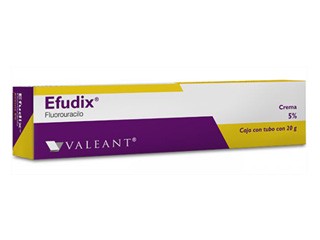
- Skin conditions: some fluorouracil-containing products are used topically for certain sun-damaged skin changes (availability and indications vary by product strength and regulatory status)
The exact regimen (drug combinations, dose, and timing) depends on cancer type, stage, prior treatment, overall health, and local clinical guidance.
Indications and patient selection
Fluorouracil is intended for use as an anti-cancer medicine in settings where its benefit is supported by clinical evidence and national/local treatment pathways. It may also be used in dermatology for specific non-melanoma skin conditions under appropriate product licensing.
Your care team will consider factors such as:
- Blood counts (especially before each cycle)
- Liver and kidney function
- Past chemotherapy or radiotherapy
- Other medicines that may interact
- Any previous severe reactions to fluorouracil
How and when fluorouracil is given (timing)
Fluorouracil regimens are delivered in cycles (for example, every 2, 3, or 4 weeks depending on the plan). Timing varies by the chemotherapy protocol, the intended cancer response, and whether it’s given as a bolus or infusion.
Common scheduling patterns (general)
- Short infusion or injection: fluorouracil may be given over a shorter period on a treatment day.
- Continuous or longer infusion: you may receive fluorouracil over a longer period using an infusion pump; this can spread exposure over time.
- Combination regimens: fluorouracil is frequently used with other medicines (for example, leucovorin and/or other cytotoxics or targeted agents).
If you are receiving an infusion at home (where applicable), you should receive training on pump care and emergency contacts. Always follow the instructions provided by your treatment team.
Dosing information
Dosing of fluorouracil is individualised. In oncology, doses are commonly based on:
- Body surface area (BSA) (calculated using height and weight)
- Blood test results and your tolerance of previous cycles
- Planned treatment schedule (infusion duration and cycle length)
- Whether it is used with other medicines
Your oncology team may adjust the dose or delay the next cycle if side effects occur, particularly: low blood counts, severe diarrhoea/mucositis, or other serious toxicities.
For topical fluorouracil products (where licensed), dosing and duration are specific to that product’s strength and the condition being treated. Follow the instructions supplied with the product.
Food interactions
For intravenously administered fluorouracil, food interactions are usually not a key issue because administration does not rely on oral absorption. However, food can influence supportive care needs.
If you experience nausea or mouth sores
- Eat smaller, more frequent meals rather than large portions.
- Choose soft, bland foods if your mouth is sore.
- Avoid spicy, acidic, or very hot foods if they worsen mouth irritation.
General infection and dehydration considerations
If you develop diarrhoea, maintaining hydration becomes important. Your clinical team may recommend an oral rehydration solution and specific dietary adjustments.
Alcohol and medicine interactions
Alcohol may worsen side effects such as nausea, dehydration, and fatigue. It can also affect the liver and may complicate chemotherapy tolerance. Because responses vary, it’s safest to ask your oncology team whether alcohol is appropriate for you during treatment.
Alcohol – practical advice
- Consider avoiding alcohol during active chemotherapy if you feel unwell or are dehydrated.
- If alcohol is permitted, keep it limited and avoid binge drinking.
- Discuss any regular alcohol intake with your care team, especially if you have liver problems.
Medicine interactions (general)
Fluorouracil can interact with other medicines via effects on metabolism and the balance of active/inactive compounds. Tell your healthcare team about all medicines you take, including:
- Other chemotherapy agents
- Anticoagulants (blood thinners)
- Medicines for gout (and other conditions)
- Phenytoin or other antiepileptics
- Leucovorin and other combination regimen components
- Medicines that affect the gut or cause diarrhoea
- Herbal products and supplements
Your oncology team may check compatibility and monitor bloods more closely if you take interacting medicines.
Safety profile: common and serious side effects
Fluorouracil affects rapidly dividing cells, which can cause predictable side effects. Many can be managed with supportive care, but some symptoms require urgent medical attention.
Common side effects
- Low blood counts (leading to increased infection risk, anaemia, or bruising/bleeding)
- Mouth ulcers and inflammation of the mouth (mucositis)
- Diarrhoea (sometimes severe)
- Nausea and vomiting (often treatable with anti‑sickness medicines)
- Hair thinning (may occur, though not always complete hair loss)
- Fatigue and weakness
- Skin changes such as rash, dryness, or irritation (especially with certain schedules)
- Loss of appetite
Serious side effects – seek urgent help
Contact your treatment team or emergency services promptly if you experience any of the following:
- Fever or signs of infection (for example, chills, feeling very unwell)
- Severe diarrhoea, especially if it leads to dehydration
- Severe mouth sores preventing you from drinking
- Unusual bleeding or bruising
- Shortness of breath, chest pain, or severe allergic-type reactions (rare but possible)
- Severe weakness or dizziness (could indicate dehydration or low blood counts)
- Signs of hand-foot syndrome that are worsening (painful redness/swelling/blistering, usually in certain regimens and with certain combination schedules)
Who may be at higher risk
Risk can be higher if you have:
- Significant liver or kidney impairment
- A history of severe reactions to fluorouracil
- Poor baseline nutritional status
- Low baseline blood counts
- Other medicines that increase toxicity or affect metabolism
Practical use tips (what you can do day-to-day)
Good preparation and early symptom management can make chemotherapy more tolerable. Below are practical tips that many patients find helpful.
Before each treatment cycle
- Attend scheduled blood tests and appointments.
- Ask about your “what to do if…” plan (fever, diarrhoea, uncontrolled vomiting, mouth sores).
- Make sure you know your contact numbers for your chemotherapy team/out-of-hours support.
- Confirm dates and timing of infusions, including when pumps are used.
Hydration and bowel care
- Drink fluids regularly if you can.
- If diarrhoea occurs, contact your team early—don’t wait for it to become severe.
- Follow any provided anti-diarrhoea plan or medicines prescribed for you.
Mouth care
- Keep your mouth clean with gentle care recommended by your clinical team.
- Avoid alcohol-based mouthwashes if they sting.
- Ask about treatments to prevent or reduce mouth ulcers.
Nutrition
- Choose calorie- and protein-rich foods if appetite is low.
- Consider a dietitian referral if you have ongoing weight loss or difficulty eating.
- If you have nausea, anti-sickness medicines are often more effective when taken as directed early.
Skin and comfort
- Report new rashes, redness, pain, or blistering promptly.
- Use moisturisers and gentle skincare products if advised.
- Avoid harsh soaps and friction on sensitive areas.
Alternative options
Depending on the cancer type and treatment plan, alternative medicines may be considered. These can include other chemotherapy agents or targeted/biologic therapies. Alternatives may also include different formulations or schedules of 5‑FU, depending on availability and clinical preference.
Common alternatives or related options (examples) include:
- Capecitabine (an oral prodrug that releases fluorouracil in the body) in some colorectal and other GI regimens
- Raltitrexed (in some specialised settings)
- Other chemotherapy combinations using different mechanisms, selected by the oncology team
- Targeted therapies or immunotherapy in eligible cancers (depending on biomarker status)
The best option depends on cancer characteristics, previous treatments, and the risks/benefits for you personally. Discuss alternatives with your oncology team if you have had significant side effects.
UK market and legal context (overview)
In the United Kingdom, medicines such as fluorouracil are regulated and supplied under the Medicines and Healthcare products Regulatory Agency (MHRA) framework. Availability can depend on manufacturing schedules, prescribing/dispensing systems, and hospital or specialist supply routes.
Fluorouracil is typically administered via specialist oncology services for cancer indications. The exact product, presentation, and route of administration may vary between hospitals and protocols.
Recent guidance and monitoring (what to expect)
Cancer care in the UK is supported by clinical guidelines and evolving best practice. While specific details may vary by regimen and cancer type, current practice commonly includes:
- Regular blood monitoring (full blood count and sometimes liver/renal tests)
- Clear toxicity management plans (dose delays or reductions if severe symptoms occur)
- Anti‑emetic and supportive care where appropriate, to reduce nausea and vomiting
- Prompt assessment for fever, infection signs, or severe diarrhoea
Your team may also advise on genetic or enzyme-related factors when relevant to treatment planning (for example, in relation to fluorouracil toxicity risk). Always follow the local protocols provided by your healthcare service.
Delivery and availability (online pharmacy information)
Fluorouracil is commonly supplied for use in oncology clinics and hospitals, and availability can vary by product type and regulatory pathway. Where an online pharmacy offers delivery of eligible products, the medicine may be shipped to the patient or to a clinic address depending on the product and logistics.
What to expect
- Verification: you may be asked for information to confirm eligibility for delivery and safe handling requirements.
- Packaging: healthcare medicines are typically supplied in secure packaging for safe transport.
- Storage: follow the storage instructions on the packaging. Ask if you are unsure.
- Handling: if you are receiving any form of home-administered item (where applicable), ensure you understand safe handling and disposal.
Cold chain
Some medicines require controlled temperatures. For fluorouracil products, follow the exact storage instructions for the specific product you receive. If temperature control applies, your pharmacy should provide guidance.
Safety and storage
Always read the product label and accompanying patient information leaflet. General safety principles include:
- Keep medicines out of the sight and reach of children.
- Do not use after the expiry date printed on the packaging.
- Return unused medicines through the advised waste/disposal route or take-back scheme (ask your pharmacy).
- Seek advice before using any medicine if you are uncertain about storage conditions.
FAQ about Fluorouracil (5‑FU)
1) Is fluorouracil the same as 5‑FU?
Yes. Fluorouracil and 5‑FU refer to the same medicine (5‑fluorouracil is the full chemical name used to describe fluorouracil).
2) How is fluorouracil usually given?
In cancer treatment, it is commonly given as an intravenous injection or infusion in a hospital or clinic setting. The exact schedule depends on the cancer type and the regimen. Some fluorouracil-containing products are used on the skin for specific licensed conditions.
3) Will fluorouracil always cause hair loss?
Hair thinning can occur, but the pattern and severity vary between people and regimens. Not everyone experiences complete hair loss. Your oncology team can tell you what to expect for your exact plan.
4) What should I do if I get diarrhoea during treatment?
Contact your chemotherapy team promptly—especially if diarrhoea becomes severe or frequent. Early management helps reduce dehydration and complications. Follow the anti‑diarrhoea plan your team provides.
5) Can I eat and drink normally?
Many people can eat and drink while on treatment, but side effects such as nausea, mouth sores, or altered taste can affect appetite. Small, bland, nutrient-rich meals are often easier. If you are not managing to drink enough, seek advice urgently.
6) Are there food interactions with fluorouracil?
For intravenous fluorouracil, food interactions are generally less direct than for oral medicines. However, diet matters for managing symptoms (for example, hydration during diarrhoea, or soft foods for mouth ulcers).
7) Can I drink alcohol?
Alcohol may worsen side effects and may affect your health during chemotherapy. It’s safest to ask your oncology team whether alcohol is appropriate for you. Avoid alcohol if you feel unwell or are dehydrated.
8) What medicines should I tell my doctor about?
Tell your care team about all medicines and supplements you take, including over-the-counter products and herbal remedies. This helps avoid interactions and allows safer planning.
9) Is fluorouracil used for skin conditions?
Some fluorouracil medicines are used topically for particular sun-related skin changes or other dermatology indications (depending on product licensing). If you’re asking about skin use, check the product label and follow the application instructions carefully.
10) Where can I find delivery and availability information?
Availability depends on the specific product and route (hospital supply vs patient-directed delivery where applicable). If you’re ordering through an online pharmacy, check the listing details for stock status, delivery options, and any temperature/storage requirements.
Where to get help
If you’re currently undergoing chemotherapy, your oncology team is the best source of advice about side effects, supportive medicines, and what to do in emergencies. If you develop symptoms that concern you—particularly fever, severe diarrhoea, or inability to drink—seek urgent medical advice.
This page provides general patient-friendly information about fluorouracil. For advice tailored to you, speak to your healthcare professionals and refer to the patient information leaflet supplied with your specific medicine.