Fluticasone (Inhaled/Intranasal) — Patient Guide (UK)
Fluticasone is a medicine belonging to the corticosteroid (steroid) family. It is used to reduce inflammation in the airways and/or nasal passages, helping to ease symptoms such as wheeze, breathlessness, nasal congestion, and sneezing. Depending on the product you choose, fluticasone is delivered either as an inhaler (for asthma and related conditions) or as a nasal spray (for allergic rhinitis).
This guide explains how fluticasone works, how it is used, what to expect, and important safety information. It is written for people in the United Kingdom and reflects common UK clinical practice and regulatory expectations.
Basic product information
| Category | Details |
|---|---|
| Medicine | Fluticasone (steroid) |
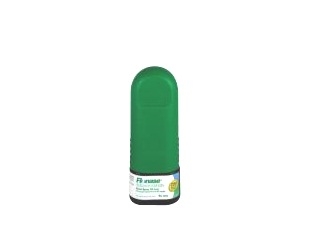
| Common forms | Inhalers (e.g., fluticasone propionate, sometimes combined with other medicines) and nasal sprays |
| Therapeutic use | Reduces inflammation in lungs and/or nose |
| How it’s taken | Inhalation or intranasal use, depending on the product |
| Onset of benefit | Often within days; for some conditions maximum benefit may take 1–2 weeks |
Important: Fluticasone comes in multiple strengths and device types. Always follow the instructions supplied with your specific product (for example, the inhaler type or nasal spray brand).
How fluticasone works (mechanism of action)
Fluticasone is a corticosteroid that helps control inflammation. In asthma and chronic airway inflammation, it works by:
- Reducing inflammatory cell activity (including eosinophils and other cells involved in airway inflammation)
- Decreasing release of inflammatory mediators
- Improving airway responsiveness over time
- Lowering airway swelling and mucus production
For allergic rhinitis (hay fever) using a nasal spray, fluticasone reduces inflammation in the nasal lining, helping to:
- Reduce nasal congestion (blocked nose)
- Relieve sneezing and runny nose
- Improve itching and irritation in many people
Fluticasone is a controller medicine: it helps prevent symptoms and reduce inflammation, rather than providing immediate relief like some “rescue” inhalers.
Pharmacokinetics (what the body does with fluticasone)
Pharmacokinetics describes absorption, distribution, metabolism, and elimination. The key points for many fluticasone products are:
- Absorption: When inhaled or used nasally, a portion of the dose deposits locally (in the lungs or nose). Some medication may be swallowed or absorbed through the nasal/oral tissues.
- Metabolism: Fluticasone is extensively metabolised in the body, mainly in the liver, by an enzyme system called CYP3A4.
- Low systemic levels: Because of topical (local) use and first-pass metabolism, systemic absorption is generally lower than with oral steroids. However, systemic effects can still occur at higher doses or with certain interactions.
- Elimination: Metabolites are primarily cleared through normal body processes (predominantly via the faeces).
Clinically important takeaway: Drugs that inhibit CYP3A4 (such as some antifungals and some antivirals) can increase fluticasone levels, raising the risk of steroid-related side effects.
Typical use in the UK (indications)
Inhaled fluticasone (for lung conditions)
Inhaled fluticasone is commonly used to:
- Asthma—to prevent symptoms and reduce inflammation
- Chronic airway inflammation as determined by a healthcare professional (depending on the specific product and combination)
Intranasal fluticasone (for nasal allergies)
Fluticasone nasal spray is used for:
- Allergic rhinitis (hay fever), including seasonal allergies
- Non-allergic rhinitis in some cases (depending on clinician assessment and product guidance)
Some inhalers combine fluticasone with other medicines (for example, bronchodilators). The correct “purpose” depends on the exact product.
Timing and how to use it effectively
Inhaled fluticasone
Most inhaled fluticasone regimens are taken once or twice daily, depending on your specific device and prescribed plan. Key timing tips:
- Be consistent: try to take it at the same times each day.
- Allow time to work: even if you feel better quickly, continue regularly to maintain control.
- After symptoms flare: the medicine helps reduce inflammation over days; it may not reverse sudden attacks immediately.
Fluticasone nasal spray
Nasal sprays may be used once or twice daily. Practical timing guidance:
- Best results: many people notice improvement within several days; maximum effect may take up to 1–2 weeks.
- Seasonal allergies: starting before the worst period may improve control (where appropriate).
- Clear your nose first: gently blow your nose before spraying (unless your clinician advises otherwise).
If you miss a dose: take it when you remember unless it is close to the next dose. Do not double doses. If unsure, check the leaflet for your specific product or speak to a pharmacist.
Food interactions
For fluticasone used by inhalation or intranasal route, food interactions are generally limited. However:
- Inhaled products: some swallowed medicine may occur. This typically does not require any special timing with meals.
- Nasal spray: swallowed exposure is usually minimal; no specific dietary restrictions are generally required.
If your fluticasone product is a combination medicine (for example, an inhaler containing additional medicines), the overall interaction profile may differ. Always check the leaflet for your exact product.
Alcohol interactions and medicine interactions
Alcohol
Fluticasone does not usually have a direct interaction with alcohol. However:
- With any steroid treatment (including inhaled/nasal steroids), alcohol-related effects may indirectly worsen asthma symptoms in some people (for example, by triggering reflux or respiratory irritation).
- If you have liver disease or take medicines that affect steroid metabolism, caution may be needed.
If you drink alcohol regularly or heavily, or you have asthma that is difficult to control, discuss with a pharmacist or clinician.
Important medicine interactions (especially CYP3A4 inhibitors)
Because fluticasone is metabolised by CYP3A4, the risk of increased steroid levels can rise if you take strong CYP3A4 inhibitors. These may include:
- Some antifungal medicines (e.g., ketoconazole, itraconazole)
- Some antiviral medicines (e.g., ritonavir-containing regimens)
- Certain antibiotic/other medicines that can influence CYP3A4 (your pharmacist can check)
Potential consequence: increased fluticasone exposure may lead to steroid side effects, such as Cushing-like features or adrenal suppression, though this is more likely at high doses or with significant interactions.
Other common interaction considerations
- Other asthma medicines: using fluticasone together with bronchodilators (such as beta-agonists) is common and usually appropriate when part of an agreed plan.
- Systemic steroids: taking oral steroids in addition to inhaled/nasal fluticasone can increase overall steroid burden.
- Diuretics and heart medicines: these are not typical direct interactions, but your pharmacist should review your full medication list.
- Immunosuppression considerations: if you have active infections (especially fungal, viral, or eye infections), ask for guidance.
Always tell your pharmacist about all medicines you use, including over-the-counter products and herbal remedies.
Dosing guidance (general information for UK patients)
Dosing depends on the route, strength, age, and severity of your condition, as well as the specific device. The points below are general to help you understand how dosing typically works. Use your product leaflet or clinician instructions for exact dosing.
Inhaled fluticasone (general)
- Dose may be once or twice daily depending on your inhaler strength and prescribed regimen.
- Your clinician may adjust the dose to achieve symptom control and then use the lowest effective dose.
- Do not stop suddenly without advice, especially if your asthma is not well controlled.
Fluticasone nasal spray (general)
- Often used once daily or twice daily depending on age and symptom severity.
- Some people use it throughout the allergy season; others use it seasonally.
- As symptoms improve, a clinician may recommend adjusting frequency.
Children: dosing and product choice must be age-appropriate. Always check the specific age instructions on the packaging and leaflet.
Safety profile and side effects
Like other corticosteroids, fluticasone can cause side effects, though topical (inhaled/nasal) delivery generally reduces whole-body exposure compared with tablets. Side effects may vary by device and dose.
Common side effects
- Inhaled fluticasone: hoarseness, throat irritation, cough, oral discomfort
- Nasal spray: mild nosebleeds, nasal dryness, irritation or burning sensation
Less common but important risks
- Oral thrush (inhaled use): white patches in the mouth or soreness may occur, especially if technique is poor or dose is high.
- Adrenal suppression: uncommon, more likely with high doses or strong interacting medicines.
- Eye effects: long-term steroid exposure may be associated with eye problems (such as cataracts or glaucoma) in some people—risk depends on overall exposure and duration.
- Allergic reactions: rash, swelling, or breathing difficulty require urgent medical attention.
When to seek urgent help
Seek medical help urgently if you experience:
- Severe breathing difficulty or wheezing that does not improve as expected
- Facial swelling, hives, or trouble breathing after using the medicine
- Severe nosebleeds or signs of serious infection
- Visual changes or severe eye pain (especially with long-term steroid use)
Can fluticasone be used long term?
For many people, fluticasone is taken long term as part of asthma control or ongoing management of allergic rhinitis. Inhaled/nasal steroids are widely used because the benefits often outweigh risks when used correctly.
Practical use tips (to get the best results and reduce side effects)
Inhaled fluticasone technique tips
- Use correct technique: poor technique is a common reason inhaled steroids don’t work well.
- Rinse and spit: after using an inhaler containing fluticasone, rinse your mouth and spit out the water (do not swallow). This helps reduce thrush risk.
- Check your device: follow instructions for priming, shaking (if required), and breath timing.
- Track control: if symptoms are worsening, discuss whether you need a review of technique and dose.
Fluticasone nasal spray technique tips
- Gentle nose cleaning: blow your nose before spraying.
- Aim correctly: direct the nozzle slightly outwards (towards the ear), not straight up the centre of the nose.
- Don’t sniff hard: a gentle sniff may help distribute the spray without increasing throat drainage.
- Use regularly: it’s most effective when taken consistently, not only when symptoms are at their worst.
- Manage dryness: if your nose becomes dry or irritated, speak to a pharmacist about supportive measures.
Storage
- Store at room temperature as specified on the label.
- Keep away from heat and direct sunlight.
- For inhalers and sprays, keep devices clean and follow any priming/cleaning instructions.
Alternative options (if fluticasone isn’t suitable or you need a different approach)
Alternatives depend on whether you need treatment for asthma (inhaled) or allergic rhinitis (nasal). Your pharmacist or clinician can help you choose the most appropriate option.
For asthma/inhaled inflammation
- Other inhaled corticosteroids (e.g., beclometasone, budesonide) with different device profiles
- Combination inhalers that include a corticosteroid plus a long-acting bronchodilator
- Leukotriene receptor antagonists (tablets) for selected people
For allergic rhinitis
- Other intranasal corticosteroids (e.g., mometasone, fluticasone furoate products where available)
- Antihistamine tablets or antihistamine nasal sprays
- Combination therapy (for persistent symptoms), guided by symptoms and clinician advice
If you have frequent symptoms, it can be useful to review the diagnosis and triggers, not just switch medicines.
Market and legal context in the United Kingdom
Fluticasone is widely available in the UK. Depending on the product, it may be available as:
- Prescription medicine (for certain strengths or specific products)
- Pharmacy-based or over-the-counter (OTC) availability for selected nasal spray products or formulations, subject to current UK classifications
UK availability and suitability can vary based on:
- Age and intended use (asthma vs hay fever)
- The specific formulation (inhaler vs nasal spray; strength)
- Current regulatory classification and supply rules
On an online pharmacy, you may be asked a short set of questions to ensure the chosen product is appropriate for your age, symptoms, and medication history.
Recent guidance (what UK patients commonly hear from clinicians)
UK clinical guidance for asthma and allergic rhinitis commonly emphasises:
- Using inhaled corticosteroids regularly to control underlying inflammation rather than relying only on quick-relief medicines
- Reviewing inhaler technique and adherence when symptoms persist
- Individualising treatment and stepping the dose up or down based on control
- Starting nasal therapy early for seasonal allergies to prevent symptoms building up
- Using the lowest effective steroid dose to reduce side effects
If you’re experiencing frequent symptoms, nighttime wakening, or repeated flare-ups, it’s worth arranging a medication review. This may involve checking technique, triggers, and whether your current plan still fits your needs.
Delivery and availability (UK)
Availability depends on the specific product, strength, and whether it is classified for pharmacy supply or other channels. Many fluticasone products are stocked for UK delivery, and dispatch schedules may vary by brand and packaging.
- In-stock items: typically dispatched quickly according to the pharmacy’s delivery service.
- Out-of-stock items: may have longer delivery times or replacement options.
- Packaging: products are supplied in manufacturer-approved packaging with patient information leaflets.
When you place an order, check estimated delivery times at checkout and ensure you provide an address where the parcel can be received safely.
FAQ
1) Is fluticasone the same for asthma and hay fever?
No. Fluticasone can be used in different forms: inhaled fluticasone for asthma (lungs), and intranasal fluticasone spray for hay fever/allergic rhinitis (nose). Always use the correct product and device type for your condition.
2) How long does fluticasone take to work?
Many people notice improvements in symptoms within a few days, but the maximum benefit can take up to 1–2 weeks for some conditions (particularly allergic rhinitis). Asthma control also improves over time with regular use.
3) Will fluticasone cure my allergy or asthma?
Fluticasone helps control symptoms by reducing inflammation. It does not usually cure the condition. Continued appropriate use helps maintain control and may reduce symptom flare-ups.
4) Can I stop fluticasone when I feel better?
Don’t stop suddenly unless advised. For asthma, stopping inhaled steroids can lead to loss of control. For hay fever, some people stop after the season, but it’s often better to follow a plan discussed with a pharmacist or clinician.
5) Does fluticasone have side effects?
It can. Common ones include throat irritation or hoarseness (inhaled) and nose dryness or mild nosebleeds (nasal). Rinsing your mouth after inhaled doses can reduce thrush risk. Seek advice if symptoms persist or worsen.
6) How do I prevent thrush with inhaled fluticasone?
Use the correct inhaler technique and rinse your mouth with water after each dose, then spit the water out. Avoid swallowing rinsing water. If you develop symptoms of thrush, speak to a pharmacist or clinician promptly.
7) Can I take fluticasone with other medicines?
Many people use fluticasone alongside other asthma or allergy medicines. However, certain medicines that affect CYP3A4 (such as some antifungals or antivirals) can raise steroid levels. If you’re unsure, ask a pharmacist to check your medication list.
8) Is it safe to drink alcohol while using fluticasone?
There is usually no direct interaction between fluticasone and alcohol. Still, if alcohol worsens your asthma or causes reflux, it may indirectly affect symptoms. If you have liver problems or take interacting medicines, discuss with a pharmacist.
9) What should I do if I miss a dose?
Take it when you remember unless it’s close to your next scheduled dose. Do not double up. Check the patient leaflet for your specific product for precise instructions.
10) When should I contact a pharmacist or clinician?
Contact promptly if:
- Your symptoms are not improving after consistent use
- You need to use quick-relief medicines more often than usual
- You notice persistent hoarseness, frequent nosebleeds, signs of infection, or eye symptoms
- You have concerns about steroid side effects or interactions
Reminder: Fluticasone works best when used regularly and correctly. If you are unsure about technique or which product is right for your condition, a pharmacist can help you get started safely.