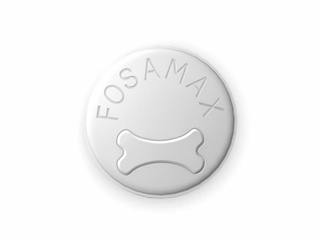

Fosamax (Alendronate) – Patient Information (UK)
Fosamax contains alendronate, a medicine used to strengthen bones and reduce the risk of fractures. This page explains how Fosamax works, how to take it safely and effectively, and what to consider in everyday life in the United Kingdom.
Note: This information is designed to help you understand your medicine. Always follow the instructions given by your healthcare professional and the Patient Information Leaflet supplied with your product.
1) Basic Product Information
| Item | Details |
|---|---|
| Medicine name | Fosamax |
| Active ingredient | Alendronate (usually as alendronate sodium) |
| Medicine type | Bisphosphonate |
| Common dosing schedule | Once weekly or once daily (depending on strength and formulation) |
| Main uses | Osteoporosis and related conditions to prevent fractures |
| Key administration feature | Must be taken with plain water on an empty stomach, with upright posture |
2) How Fosamax Works (Mechanism of Action)
Fosamax is a bisphosphonate. It helps protect your bones by:
- Reducing bone breakdown: Alendronate slows the activity of cells called osteoclasts, which break down bone tissue.
- Helping maintain or increase bone density: By slowing bone loss, it supports stronger bones over time.
- Lowering fracture risk: Stronger bones are less likely to fracture, particularly at the hip and spine.
Unlike medicines that quickly “build” bone, Fosamax works gradually. Benefits are usually assessed over months and continued long-term, as advised by your clinician.
3) Pharmacokinetics (What the Body Does to the Medicine)
Pharmacokinetics describes how the body absorbs, distributes, and clears a medicine.
- Absorption: Alendronate absorption is very low (and can be significantly reduced by food, beverages other than plain water, and some minerals).
- Effect of timing: Taking it on an empty stomach and with plain water improves absorption compared with taking it with food.
- Distribution: It has a strong affinity for bone. A portion becomes incorporated into bone tissue.
- Elimination: Much of it is not absorbed and is excreted. The absorbed fraction is eliminated slowly, largely through the kidneys.
Because alendronate is cleared mainly by the kidneys, kidney function matters for safe use.
4) Typical Use in the UK
Fosamax is used to treat and help prevent fractures in people with osteoporosis, especially where fracture risk is increased.
It is also used in some other bone-related conditions, depending on your overall clinical situation.
Common patient groups include:
- Postmenopausal women with osteoporosis
- Men with osteoporosis (where appropriate)
- People taking medicines that increase fracture risk (for example, some long-term steroid treatments), in selected circumstances
5) Indications (What Fosamax is Used For)
In the UK, alendronate is indicated for:
- Treatment of osteoporosis in postmenopausal women.
- Treatment of osteoporosis in men.
- Prevention and/or treatment of glucocorticoid-induced osteoporosis (bone thinning caused by corticosteroids), depending on the specific product and clinical guidance.
Whether Fosamax is the best option for you depends on factors like your bone density, age, fracture history, kidney function, and other medications.
6) Dosing and Timing (Very Important)
Follow your specific prescription instructions. Fosamax is often taken once weekly (many patients prefer weekly dosing), or once daily depending on the formulation.
General instructions for taking Fosamax safely:
- Take it first thing in the morning or before your first food or drink of the day.
- Take the tablet with a full glass of plain water (not tea, coffee, milk, or juice).
- Do not lie down after taking it—stay fully upright for at least 30 minutes (or until after your first meal/snack, as directed).
- Wait at least 30 minutes before eating or drinking anything other than plain water.
- Swallow the tablet whole. Do not crush or chew.
Weekly dosing example (once weekly):
- Choose the same day each week (e.g., every Monday).
- If you miss a dose, follow the instructions from your leaflet/clinician (often: take it the next morning if it’s close, then resume the original schedule; do not take two on the same day).
Why the timing matters: Food and certain drinks reduce absorption and increase the risk of stomach/throat irritation if the tablet moves up the oesophagus.
7) Food Interactions (What to Avoid)
Food and some drinks can significantly reduce how much alendronate is absorbed.
- Avoid taking Fosamax with food or soon after meals.
- Avoid: tea, coffee, milk, calcium-fortified drinks, fruit juice, and other beverages besides plain water when taking the tablet.
- Calcium, iron, and magnesium supplements can interfere with absorption if taken too close—plan spacing as advised (commonly at least several hours apart; your pharmacist can provide personalised timing guidance).
If you take supplements, many patients find it easiest to take them later in the day after Fosamax has been absorbed and you have eaten.
8) Alcohol and Medicine Interactions
Alcohol
Moderate alcohol use is not typically listed as a direct interaction with alendronate. However, alcohol can affect bone health and may worsen reflux in some people.
- If alcohol worsens heartburn or stomach discomfort, consider reducing it or speaking to a healthcare professional.
- Heavy or regular heavy drinking may contribute to osteoporosis risk.
Other medicines
Important medicine considerations include:
- Other oral medicines: Some tablets can irritate the oesophagus. If you take other medicines that cause reflux/oesophagitis, discuss timing and tolerability with your pharmacist.
- Calcium supplements and mineral-containing products: These can interfere with absorption if taken at the same time as Fosamax.
- NSAIDs (e.g., ibuprofen, naproxen): Both can affect the stomach in some individuals. While not a strict “contraindication,” your overall gastrointestinal risk matters.
- Corticosteroids: Steroids can worsen bone thinning. Alendronate may be used in steroid-related osteoporosis, but the overall regimen must be coordinated by your clinician.
- Kidney-related medicines: Since alendronate is cleared by the kidneys, any medication or condition affecting kidney function should be considered.
Tip: Keep an up-to-date list of your medicines (including vitamins and herbal products) and review it with your pharmacist if you start, stop, or switch anything.
9) Safety Profile and Potential Side Effects
Like all medicines, Fosamax can cause side effects. Many people tolerate alendronate well when taken correctly.
Common side effects
- Gastrointestinal symptoms such as heartburn, nausea, stomach discomfort
- Indigestion
- Abdominal pain or bloating
Serious but less common side effects
- Oesophageal irritation/inflammation (if not taken upright or not with enough water)
- Severe swallowing pain, chest pain, or trouble swallowing—seek medical advice promptly
- Osteonecrosis of the jaw (ONJ): rare; risk increases with invasive dental procedures, poor oral health, cancer treatments involving bone, or long-term high-dose bisphosphonate use
- Atypical femoral fractures: rare stress fractures of the thigh bone can occur, sometimes with warning symptoms like dull or aching pain in the thigh/groin
- Severe allergic reactions: rare
When to seek urgent help
Get medical advice urgently if you experience:
- New or worsening difficulty swallowing
- Chest pain or significant pain after taking the tablet
- Severe allergic symptoms such as swelling of the face/lips, wheezing, or rash with breathing difficulty
- Persistent or severe symptoms that do not settle
Contraindications and key precautions
Fosamax may not be suitable if you have certain conditions. Important general precautions include:
- Problems with the oesophagus (for example, narrowing or motility disorders) that increase the risk of irritation.
- Inability to remain upright for at least 30 minutes after taking the tablet.
- Low calcium levels (hypocalcaemia) should be corrected before starting alendronate.
- Significant kidney impairment—dose suitability depends on kidney function.
Your clinician will check suitability based on your medical history and relevant lab results.
10) Practical Use Tips (How to Get the Best Results)
Fosamax works best when taken correctly and consistently. Consider the tips below:
- Set a routine: If weekly dosing, link it to a day you already follow (e.g., after breakfast on Monday).
- Use plain water only: Keep a glass of water ready so you can take the tablet right away.
- Stay upright: Sit/stand fully upright for at least 30 minutes; avoid bending over.
- Don’t “double up” after missing a dose: Follow the leaflet or pharmacist advice for missed doses.
- Maintain oral health: Have regular dental check-ups and tell your dentist you take a bisphosphonate.
- Watch for warning symptoms: Persistent thigh/groin pain should be reported.
Calcium and vitamin D
Although Fosamax helps reduce bone breakdown, bones also need building blocks. Many patients are advised to ensure adequate calcium and vitamin D intake, either through diet or supplements.
Important: Don’t take calcium or vitamin supplements at the same time as Fosamax—separate by several hours, as advised by your pharmacist.
11) Recent Guidance and UK Context
In the UK, osteoporosis management typically follows evidence-based fracture risk assessment and stepwise treatment pathways. Fosamax is one of the commonly used first-line options for suitable patients.
- Fracture risk assessment: Bone health decisions often consider age, prior fractures, and bone density measurements.
- Review of long-term therapy: Many guidelines support periodic reassessment (sometimes called “drug holidays” for selected patients) based on fracture risk over time.
- Emphasis on safe administration: Correct dosing technique is highlighted because oesophageal irritation risk is strongly linked to how the tablet is taken.
- Dental considerations: Guidance commonly stresses good oral hygiene and discussion of dental procedures with clinicians.
If you’re starting or already taking a bisphosphonate, ask your healthcare professional how often you should have follow-up (for example, bone density monitoring, symptom review, and treatment duration planning).
12) Delivery and Availability in the UK (Online Pharmacy)
Fosamax is generally available through UK pharmacies and can be supplied by online pharmacies in line with UK pharmacy regulations and patient eligibility checks.
- Availability: Stock may vary by strength and formulation.
- Delivery: Delivery times depend on stock location and courier service options at checkout.
- Packaging: Medicines are usually supplied in secure, protective packaging with a label that matches the product you ordered.
- Storage: Store as directed on the package (typically at room temperature, away from excess moisture and heat).
If a specific presentation (e.g., weekly strength) is temporarily unavailable, your pharmacist or customer service can often advise on alternatives that meet clinical needs.
13) Alternative Options
If Fosamax isn’t suitable (for example, due to side effects, administration difficulty, kidney function limits, or preference), there are other treatments for osteoporosis. Options may include:
- Other oral bisphosphonates: such as risedronate or ibandronate (different dosing schedules).
- Intravenous bisphosphonates: such as zoledronic acid (given by healthcare professionals, avoiding the oesophageal route).
- Denosumab: an injection that reduces bone breakdown (used in selected patients; requires ongoing dosing plans).
- Osteoporosis-specific anabolic agents: e.g., teriparatide/abaloparatide (for particular circumstances).
- Hormone-related therapies: for some postmenopausal patients, depending on risk profile.
Your clinician will consider fracture risk, previous treatments, kidney function, convenience, and side effect profile when choosing an alternative.
14) FAQs
1. How long does Fosamax take to work?
Fosamax begins to affect bone turnover relatively soon after starting, but visible fracture-risk reduction and bone density changes are assessed over months. Many clinicians review treatment and progress after an interval (often around 1–2 years, depending on your situation).
2. What if I forget a weekly dose?
Missed-dose rules can vary slightly by product leaflet. In general, you may be advised to take the missed dose on the next suitable morning and then return to your usual schedule. Avoid taking two doses on the same day unless instructed otherwise. Check your leaflet or ask your pharmacist for the exact guidance for your strength.
3. Can I take Fosamax with coffee or tea?
No. Take Fosamax with plain water only. Coffee and tea can reduce absorption and may increase the risk of gastrointestinal side effects.
4. Can I lie down after taking Fosamax?
You should remain upright for at least 30 minutes after taking the tablet. Lying down too soon increases the risk of oesophageal irritation.
5. Is Fosamax safe if I have reflux or heartburn?
Many people with reflux can take oral bisphosphonates safely if they follow the administration instructions closely. However, if you have significant or worsening symptoms, you should discuss it with your healthcare professional—another formulation or therapy may be considered.
6. What dental precautions should I take?
Maintain excellent oral hygiene and have regular dental check-ups. Inform your dentist that you take Fosamax. If you need invasive dental work (such as tooth extraction), discuss timing and risk management with your clinician.
7. Can I drink alcohol while taking Fosamax?
Moderate alcohol is not usually a direct interaction. However, alcohol can worsen reflux in some people and excessive alcohol can negatively affect bone health. Use common-sense limits and seek advice if you notice worsening symptoms.
8. Do I need calcium and vitamin D?
Often, yes. Many patients are advised to ensure adequate calcium and vitamin D intake. Your pharmacist or clinician can advise on whether supplements are needed and the best timing relative to your Fosamax dose.
9. Who should not take Fosamax?
Fosamax may not be suitable if you have certain oesophageal disorders, cannot remain upright after taking it, have untreated low calcium levels, or have significant kidney impairment (dose and suitability depend on the degree). Always discuss your medical history with a healthcare professional.
10. Are there warning signs I should watch for?
Seek medical advice if you develop trouble swallowing, severe chest pain, persistent or severe heartburn, or new thigh/groin pain. Rare jaw problems should also be reported promptly, especially if you notice pain, swelling, or delayed healing after dental procedures.
15) Summary
Fosamax (alendronate) is a bisphosphonate used to treat osteoporosis and reduce fracture risk. It works by slowing bone breakdown and helps support stronger bones over time. Taking Fosamax correctly—with plain water on an empty stomach, and staying upright for at least 30 minutes—is crucial for absorption and for protecting your oesophagus.
If you have questions about your schedule, missed doses, interactions with supplements, or side effects such as heartburn, speak with your pharmacist or clinician for tailored guidance.