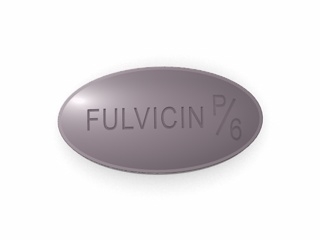
Fulvicin (Griseofulvin) — Antifungal Medicine for Fungal Skin and Nail Infections
Fulvicin (also known by the active substance griseofulvin) is an antifungal medicine used to treat certain fungal infections, especially those affecting the skin, scalp and nails. It works by targeting the way fungi grow and reproduce, helping your body clear the infection over time.
This guide is written to be patient-friendly and UK-focused. Always follow the instructions given by your healthcare professional and the information on the medicine label.
Basic product information
| Item | Details |
|---|---|
| Medicine name | Fulvicin |
| Active ingredient | Griseofulvin |
| Medicine type | Antifungal (systemic) — works from inside the body |
| Common forms | Oral tablets or oral suspension (depending on brand/strength) |
| How it is taken | By mouth, usually daily |
| Typical duration | Often weeks for skin; longer for nail and scalp infections |
Important: Fulvicin is not used for every type of fungal infection. Your prescriber will choose an antifungal based on the type of fungus, the location (skin/scalp/nails), and the severity of your symptoms.
How Fulvicin works (mechanism of action)
Griseofulvin belongs to the older class of systemic antifungals used particularly for dermatophyte infections (fungi such as Trichophyton, Microsporum, and Epidermophyton).
- Targets fungal cell division: It interferes with the formation of fungal cell structures needed for growth.
- Preferential uptake into growing skin/hair/nail: Over time, griseofulvin becomes incorporated into newly forming keratin (skin/hair/nails), which helps protect these areas while the infection is cleared.
This explains why treatment usually takes time—healthy skin, hair, or nails need time to grow and replace infected material.
Pharmacokinetics (how the body handles it)
Understanding pharmacokinetics helps explain why timing and food matter.
- Absorption: Griseofulvin is absorbed through the gut. Absorption can vary depending on the formulation and how it is taken.
- Food effect: Taking griseofulvin with fat-containing food may improve absorption compared with taking it on an empty stomach.
- Distribution: After absorption, it distributes to tissues where keratin is formed, supporting treatment of skin, scalp and nails.
- Metabolism: It is metabolised mainly by the liver.
- Elimination: Metabolites are removed from the body, largely through excretion pathways that may include the kidneys.
Why duration is important: Because griseofulvin is used to treat infections in areas that require time to regenerate (especially nails), symptom improvement often lags behind the start of treatment.
What Fulvicin is used for (indications)
Fulvicin is commonly used for dermatophyte infections. Your healthcare professional may consider it for conditions such as:
- Tinea capitis (scalp ringworm)
- Tinea corporis (body ringworm), particularly when widespread or resistant
- Tinea pedis (athlete’s foot) in selected cases
- Tinea cruris (jock itch) in selected cases
- Onychomycosis (fungal nail infection), especially when nails are involved and topical treatment alone is unlikely to work
It may also be used when a clinician decides a systemic antifungal is the best option based on infection extent, involvement of hair follicles, or nail thickness.
Typical dosing and timing (general guidance)
Because dosing depends on factors such as the infection type, severity, age/weight (especially in children), and the specific product strength/formulation, please follow the dose on your label and the instructions from your healthcare professional.
Below is a general overview of how griseofulvin therapy is often structured:
- How often: Usually taken once daily (or sometimes as directed).
- How long:
- Skin infections: often several weeks
- Scalp infections: commonly longer
- Nail infections: often months, because nails take time to grow out
- Complete the course: Even if symptoms improve, finishing the full course helps reduce relapse.
Practical timing tip: Choose a daily time that fits your routine so you do not miss doses. If you miss a dose, follow the advice on the medicine leaflet—do not take a double dose unless instructed.
Taking Fulvicin: with food and meal timing
Food can affect how well griseofulvin is absorbed.
- Take with meals: Many patients are advised to take griseofulvin with food, often with a meal or snack that includes some fat.
- Empty stomach may reduce absorption: If you take it without food, the medicine may not absorb as effectively.
- Consistency matters: Try to keep your routine consistent (same general meal timing each day).
If you have been told otherwise for your particular product or situation (e.g., swallowing difficulties, specific formulation instructions), follow that advice.
Alcohol interactions
Alcohol can affect liver function and can also worsen side effects such as dizziness or
- Avoid excessive alcohol during treatment.
- Speak to a healthcare professional if you have liver disease or drink regularly.
- Stop and seek advice if you develop symptoms suggesting liver problems, such as yellowing of the skin/eyes (jaundice), dark urine, or unusual severe fatigue.
Always check the medicine leaflet for the most specific advice for your product.
Interactions with other medicines (including important drug classes)
Griseofulvin can interact with other medicines, mainly because it may affect liver enzymes and alter how other drugs are processed. This can reduce effectiveness or increase side effects depending on the medicine.
Tell your healthcare professional or pharmacist about:
- All other medicines you take (including over-the-counter products)
- Herbal preparations and supplements
- Recent vaccinations or recent changes in medicines
Common interaction concerns may include:
- Hormonal contraception: Griseofulvin may reduce the effectiveness of some hormonal contraceptives. If you use hormonal birth control, ask for advice about reliable additional contraception during treatment and for a period after stopping.
- Warfarin (and other anticoagulants): Antifungals can affect clotting control. If you take warfarin, you may need more frequent blood tests and dose adjustments.
- Some anti-epileptic medicines: Enzyme interactions can change drug levels.
- Certain other medicines metabolised by the liver: Levels of co-administered medicines may change.
Do not start or stop other medicines during Fulvicin therapy without checking first.
Safety profile: possible side effects and warnings
Like all medicines, Fulvicin can cause side effects. Many people tolerate griseofulvin well, but some effects need prompt medical attention.
Common side effects
- Gastrointestinal upset: nausea, indigestion, abdominal discomfort
- Headache
- Dizziness
- Fatigue
- Skin reactions such as rash (less commonly)
Less common but serious side effects
Seek urgent medical advice if you experience any of the following:
- Signs of liver problems: yellow skin/eyes, dark urine, severe right-sided abdominal pain, persistent vomiting, or marked tiredness
- Severe allergic reaction: swelling of face/lips, difficulty breathing, or widespread rash with fever
- Severe skin reactions: blistering, peeling, or sores in the mouth
- Blood disorders: unusual bruising/bleeding, persistent sore throat, or fever
Who should take extra care
- People with liver disease
- People with a history of blood disorders
- Those taking interacting medicines (especially anticoagulants, certain anti-epileptics, and hormonal contraceptives)
- Pregnancy or planning pregnancy: discuss risks with a healthcare professional.
If you are unsure whether Fulvicin is appropriate for you, ask a pharmacist for medication-specific guidance based on your medical history.
Practical use tips for best results
Success with antifungal treatment depends not only on the medicine but also on good hygiene and avoiding reinfection.
- Take it regularly: Try to take Fulvicin at the same time each day.
- Take with food as advised: This can improve absorption.
- Do not stop early: Continue for the full course, even if you feel better.
- Keep treated areas clean and dry: Fungi thrive in warm, moist environments.
- Follow hygiene measures:
- Wash hands after applying topical products (if you use them alongside)
- Change socks/underwear daily
- Use separate towels and avoid sharing
- Manage footwear: For athlete’s foot, consider rotating shoes and using antifungal sprays/powders in footwear if advised.
- Don’t share hair tools or combs: For scalp infections, hygiene is key to preventing spread.
- Keep monitoring: Contact your healthcare professional if there is no improvement after an appropriate time, or if symptoms worsen.
What to expect: timeline for improvement
Fungal infections often look or feel worse before they improve, and full clearing takes longer—especially for nails.
- Early signs: Reduced itching/redness may appear after some weeks.
- Skin: Usually clearer after completing the course.
- Nails: You may notice healthier growth from the base; infected nail can take months to grow out.
If you are not seeing progress, ask a healthcare professional whether the diagnosis is correct or whether the infecting fungus requires a different antifungal approach.
Alternative options (depending on infection type and site)
The best treatment depends on whether you have skin, scalp, or nail disease and on how extensive it is. Alternatives may include:
- Topical antifungals (creams/solutions) for limited skin infections
- Other oral antifungals for specific cases, often chosen based on the fungus and site (for example, medicines used for nail infections)
- Combination approaches (topical plus oral) in some situations
Your pharmacist or clinician can advise which option is most suitable for your symptoms, test results, and medical history.
Market and legal context in the United Kingdom
In the UK, antifungal medicines are regulated and supplied in line with UK medicines regulations. Availability can vary depending on:
- Whether the product is classified as prescription-only or another supply category
- The strength/formulation
- Local pharmacy policies and stock availability
Fulvicin (griseofulvin) is a well-established antifungal internationally. In the UK, supply may be subject to manufacturing and procurement availability. If you cannot find Fulvicin, your pharmacist can check whether an alternative brand or equivalent product is suitable.
Note: UK clinical decisions should follow current national and local guidance and diagnostic results (for example, whether dermatophyte infection is confirmed).
Recent guidance and clinical considerations (high-level)
Clinical practice in the UK often emphasises:
- Accurate diagnosis (distinguishing dermatophytes from other causes of rash or nail changes)
- Targeted antifungal choice for the infection type and location
- Monitoring for side effects with systemic therapy, particularly when treatment is prolonged (e.g., nail infections)
- Adherence and prevention of reinfection, including hygiene measures and treatment of household contacts when indicated
Your healthcare professional will also consider whether you may need additional tests or review if the infection is not improving as expected.
Delivery and availability (UK)
Online pharmacy availability can vary by stock and product supply. When Fulvicin is in stock, delivery is typically arranged quickly within UK regions according to the service level selected at checkout.
- Check current stock status on the product page.
- Delivery times depend on courier service and location in the UK.
- Order processing may include verification steps to ensure safe supply.
If Fulvicin is unavailable at the time of order, a pharmacist may be able to suggest an appropriate equivalent or alternative antifungal option based on your condition.
FAQ
1) What infections does Fulvicin treat?
Fulvicin (griseofulvin) is used for certain fungal infections, particularly dermatophyte infections such as scalp ringworm and some nail or skin fungal infections, depending on the case.
2) How long will it take to work?
Improvement often takes weeks, and nail infections can take months because you need new, healthy nail to grow out. If there is no improvement after a reasonable time, seek advice.
3) Should I take Fulvicin with food?
In many cases, taking griseofulvin with meals (often including some fat) can improve absorption and reduce stomach upset. Follow the instructions in your leaflet and on your label.
4) Can I drink alcohol while taking Fulvicin?
It’s generally wise to limit alcohol because it can affect the liver and worsen side effects like nausea or dizziness. Avoid heavy drinking and seek advice if you drink regularly or have liver problems.
5) Are there important medicine interactions?
Yes. Griseofulvin can interact with other medicines, including drugs affecting blood clotting and some hormonal contraceptives. Always inform your pharmacist of everything you take.
6) What should I do if I miss a dose?
Follow the advice in the leaflet supplied with your medicine. In general, you should not take a double dose to make up for a missed one unless instructed.
7) What side effects should worry me?
Seek urgent help for signs of serious allergy, severe skin reactions, or possible liver problems (for example yellow skin/eyes or dark urine). If you develop concerning symptoms, contact a healthcare professional promptly.
8) Can Fulvicin be used for athlete’s foot or ringworm?
Sometimes yes, depending on severity and location. Mild or localised cases may be treated with topical antifungals, while more extensive or persistent infections may require systemic therapy.
9) Will my fungal infection come back?
It can if treatment is stopped early or if reinfection occurs. Completing the full course and maintaining hygiene can significantly reduce the risk of relapse.
10) Is Fulvicin available online in the UK?
Availability depends on the current supply and the product’s category. Check stock status on the online pharmacy page, and ask a pharmacist if you need an equivalent option.
Disclaimer: This information is for general guidance. It does not replace advice from a healthcare professional or the specific patient information leaflet for your Fulvicin product. If you have questions about suitability, dosing, interactions, or side effects, speak to a pharmacist.