Gemfibrozil (UK) — Patient-Friendly Medicine Information
Gemfibrozil is a medicine used to improve cholesterol and triglyceride levels in certain adults. It belongs to a group of medicines known as fibrates. This page explains what gemfibrozil does, how it works, how it is usually taken, and the most important safety information to help you use it more confidently.
Always follow the instructions given to you by your healthcare professional and read the patient information leaflet supplied with your medicine.
Basic product information
| Feature | Details |
|---|---|
| Medicine name | Gemfibrozil |
| Medicine type | Fibrate (lipid-regulating medicine) |
| Common uses | High triglycerides and certain mixed lipid disorders |
| How it works | Helps lower triglycerides and can modestly raise HDL |
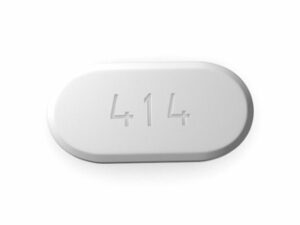
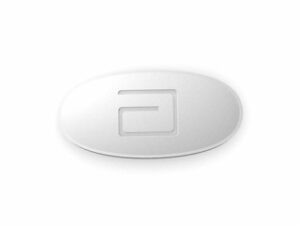
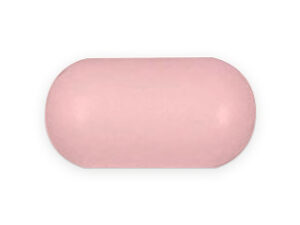
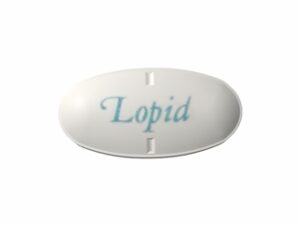
| Available forms | Tablets or capsules depending on manufacturer (strengths vary) |
| Where used | United Kingdom (prescribed for appropriate patients) |
What gemfibrozil does (mechanism of action)
Gemfibrozil primarily targets triglycerides (a type of fat found in blood) and also affects other blood fats.
- Reduces triglyceride production in the liver.
- Increases clearance of triglyceride-rich particles from the bloodstream.
- May increase HDL (“good” cholesterol) to a degree, although the main effect is on triglycerides.
- Can lower LDL (“bad” cholesterol) modestly in some people.
By improving blood fat levels, gemfibrozil may help reduce the risk of complications associated with certain lipid disorders.
How gemfibrozil works in the body (pharmacokinetics)
Pharmacokinetics explains what the body does to a medicine—how it is absorbed, distributed, metabolised, and eliminated.
- Absorption: After taking by mouth, gemfibrozil is absorbed through the gut. Food can influence the rate of absorption.
- Distribution: It circulates in the bloodstream and binds to plasma proteins to some extent.
- Metabolism: Gemfibrozil is metabolised mainly in the liver.
- Elimination: The medicine and its metabolites are removed largely through the kidneys and bile.
- Half-life: Gemfibrozil has an elimination half-life long enough that it’s often taken as a twice-daily regimen in many standard schedules.
Because liver and kidney function can affect exposure to medicines, your clinician may adjust monitoring and follow-up based on your health status.
Typical use in the UK
In the United Kingdom, gemfibrozil is used for adults with significantly raised triglycerides (hypertriglyceridaemia), particularly when other measures are insufficient.
It may be considered when:
- Triglycerides remain high despite lifestyle measures (diet, weight management, exercise, reducing alcohol where relevant).
- There is a need to reduce the risk of pancreatitis associated with very high triglycerides in appropriate patients.
- Your overall lipid profile and risk profile make a fibrate a suitable option.
Important: Gemfibrozil is not a universal replacement for statins. It is chosen based on the specific lipid pattern, overall cardiovascular risk, and tolerability of other therapies.
When to take gemfibrozil (timing and dosing pattern)
Many gemfibrozil regimens in adults are twice daily, usually with meals to improve tolerability and consistency of absorption.
- Typical timing: Take doses in the morning and evening.
- With food: Taking with food is commonly recommended.
- Consistency: Try to take each dose at roughly the same time each day.
Follow your prescribed schedule exactly. If you have a question about your specific dose timing, check with your healthcare professional.
Food interactions and dietary considerations
Food can influence how quickly gemfibrozil is absorbed. In practical terms:
- Taking gemfibrozil with meals is often advised to support better tolerance and absorption.
- If your leaflet or clinician instructs specific timing with meals, follow that guidance.
Lifestyle matters:
- Choose a heart-healthy eating pattern as advised by your healthcare professional or dietitian.
- Reduce foods that increase triglycerides (often foods high in sugar, refined carbohydrates, and excessive alcohol).
- Maintain a healthy weight and aim for regular physical activity when suitable.
Alcohol interactions
Alcohol can raise triglyceride levels in many people and may worsen lipid control. If you have high triglycerides, reducing or avoiding alcohol is often strongly recommended.
- Avoid excess alcohol while taking gemfibrozil.
- If you drink regularly, talk to your clinician—your alcohol intake may affect how well triglycerides respond.
Seek medical advice urgently if you develop symptoms that could indicate pancreatitis (for example severe upper abdominal pain, persistent vomiting), especially if you have very high triglycerides.
Medicine interactions (including important drug–drug interactions)
Gemfibrozil can interact with other medicines by affecting how they are metabolised in the liver. This may increase the risk of side effects or alter the effect of other drugs.
Key interactions to be aware of:
- Statins (e.g., simvastatin, atorvastatin, rosuvastatin): Combining gemfibrozil with a statin can significantly increase the risk of muscle-related side effects, including rare but serious rhabdomyolysis. This combination is generally avoided unless specifically directed and carefully monitored by a specialist.
- Warfarin and other blood thinners (vitamin K antagonists): Gemfibrozil can increase the blood-thinning effect, raising bleeding risk. Close monitoring (e.g., INR) may be needed if used together.
- Repaglinide and some diabetes medicines: Gemfibrozil may increase levels of certain glucose-lowering medicines, raising risk of low blood sugar. Your diabetes plan may need adjustment and additional monitoring.
- Other lipid medicines: When combining lipid-lowering therapies (e.g., fibrates, omega-3 supplements, or bile acid binders), guidance is required to avoid duplicating effects or increasing side effects.
- Immunosuppressants and certain antifungals/antivirals: Some medicines can interact via liver enzyme pathways. Always check for interaction risks with your pharmacist or healthcare professional.
Tell your clinician and pharmacist about all medicines and supplements you take, including:
- Prescription medicines
- Over-the-counter medicines
- Herbal products (e.g., St John’s wort)
- Vitamins and mineral supplements
If you are unsure whether something could interact with gemfibrozil, ask a pharmacist before starting it.
Indications (when gemfibrozil is used)
Gemfibrozil is indicated in adults for the treatment of elevated triglycerides (hypertriglyceridaemia), particularly where:
- Triglycerides are significantly raised and require drug therapy in addition to lifestyle changes.
- There is concern about complications linked to very high triglycerides.
In some cases, gemfibrozil may also be used in mixed dyslipidaemias where triglycerides are a major concern. The exact suitability depends on your lipid profile and overall cardiovascular risk assessment.
Dosing (general guidance)
Dosing can vary by patient. Your clinician will choose the most appropriate dose based on your condition and tolerance.
Typical adult dosing:
- Many standard regimens involve twice-daily dosing.
- It is commonly taken with meals.
How to take it:
- Swallow tablets/capsules whole with water unless your leaflet says otherwise.
- Do not stop or change your dose without advice.
- Keep follow-up appointments for blood tests (see “Safety profile” below).
Missed dose: If you forget a dose, take it when you remember unless it is close to the next dose. Do not take a double dose to make up for the missed tablet—follow the guidance in your leaflet or ask your pharmacist.
Safety profile and side effects
Like all medicines, gemfibrozil can cause side effects. Most people tolerate it, but it’s important to know what to watch for and when to seek help.
Common side effects
- Stomach upset (nausea, indigestion, abdominal discomfort)
- Diarrhoea or constipation
- Headache
- Rash or skin reactions in some individuals
Less common but important risks
- Muscle problems: Muscle pain, weakness, or cramps can occur. Seek urgent medical advice if you develop severe muscle symptoms, especially if you feel unwell or have dark urine.
- Liver effects: Gemfibrozil can affect liver enzymes. Your clinician may monitor liver function tests.
- Gallstones: Fibrate medicines can increase the risk of gallbladder issues in some people. Seek advice if you develop pain in the upper right abdomen, fever, or jaundice.
- Blood clotting changes: If combined with anticoagulants like warfarin, bleeding risk may increase.
When to contact a healthcare professional urgently
- Severe or persistent abdominal pain (particularly upper abdominal pain with vomiting)
- Yellowing of the skin or eyes, dark urine, or severe fatigue
- Unexplained muscle pain/weakness with general illness or dark urine
- Signs of bleeding (unusual bruising, blood in urine/stool, coughing blood)
- Allergic reaction symptoms such as facial swelling, breathing difficulties, or widespread rash
Practical use tips for best results
- Keep up with blood tests: Lipid levels and sometimes liver function may be monitored to ensure the medicine is working safely.
- Don’t rely on medication alone: Dietary changes and reducing triglyceride-raising factors (especially alcohol and high-sugar intake) are often essential.
- Be careful with new medicines: When you start anything new (including over-the-counter products), ask about interactions.
- Stay alert to muscle symptoms: Report muscle pain promptly, particularly if you take other cholesterol medicines.
- Use a medication routine: Pair each dose with a consistent mealtime habit to reduce missed doses.
- Report underlying conditions: If you have kidney or liver disease, your doctor may need to monitor you more closely.
Alternatives to gemfibrozil
Depending on your lipid profile and medical history, your healthcare professional may consider other options. Alternatives can include:
- Other fibrates (for example fenofibrate) in appropriate patients.
- Statins for cholesterol-related risk (particularly LDL cholesterol), though they are chosen based on your lipid pattern and overall cardiovascular risk.
- Omega-3 fatty acids (sometimes used for high triglycerides, depending on severity and product quality).
- Lifestyle-first strategies (diet, exercise, weight loss, reducing alcohol and refined carbohydrates) as a foundation for lipid control.
Whether an alternative is suitable depends on your triglyceride levels, liver/kidney function, and interaction risks with your other medicines.
Market and legal context in the United Kingdom
In the UK, gemfibrozil is a regulated medicine and is used as part of lipid management under healthcare supervision. Availability and brand presentation can vary, and products may be supplied under standard pharmacy distribution arrangements.
Key UK considerations include:
- Medicines are regulated under UK medicines legislation and monitored through established safety systems.
- Healthcare professionals consider evidence, benefits, and risks—especially muscle and liver-related safety issues and interactions.
- Local and national guidance influences how clinicians manage blood lipids and cardiovascular risk.
Important note: Lipid management approaches evolve over time. Clinicians may follow updated guidance from professional bodies, including recommendations on triglyceride management and cardiovascular risk reduction strategies.
Recent guidance and monitoring themes
In recent years, clinical practice has emphasised:
- Cardiovascular risk assessment as part of deciding whether and how to treat abnormal lipids.
- Triglyceride-focused treatment when levels are very high (to reduce risk of complications such as pancreatitis).
- Safer combination strategies—particularly caution when fibrates overlap with statins due to muscle-related risk.
- Ongoing monitoring of relevant laboratory tests and symptom-based checks (muscle pain, abdominal symptoms, liver effects).
If you’re currently taking gemfibrozil, continue your agreed monitoring plan and discuss any concerns at your next appointment.
Delivery and availability (online pharmacy information)
Availability of gemfibrozil can vary by strength and manufacturer. In the UK, reputable pharmacies aim to keep common strengths in stock, while less common packs may be supplied via ordering systems.
- Ordering: Gemfibrozil may be subject to pharmacy stock availability and packaging format.
- Dispatch times: Many UK online pharmacies offer next-working-day or standard delivery options depending on order cut-off times.
- Packaging: Medicines are supplied in manufacturer packaging with patient information leaflets where required.
- Cold chain: Gemfibrozil tablets/capsules do not generally require special temperature-controlled delivery.
Tip: When ordering, double-check the strength and form (tablet vs capsule) match what your clinician recommended.
FAQ about gemfibrozil
1) What is gemfibrozil used for?
Gemfibrozil is used to treat adults with significantly raised triglycerides (hypertriglyceridaemia), and in some cases mixed lipid disorders where triglycerides are a major concern. It helps improve blood fat levels when lifestyle measures alone are not sufficient.
2) How long does it take to work?
Lipid effects can be seen over weeks. Your clinician may arrange repeat blood tests after starting or changing treatment to check response and safety.
3) Should I take gemfibrozil with food?
Many dosing schedules recommend taking it with meals. Follow your specific instruction from your healthcare professional or the patient information leaflet.
4) Can I drink alcohol while taking gemfibrozil?
Alcohol can worsen triglyceride levels in many people. For best results, limit or avoid alcohol and discuss your intake with your clinician—especially if you’ve had very high triglycerides.
5) What happens if I miss a dose?
If you miss a dose, take it when you remember unless it is close to the next dose. Do not take a double dose. Follow your leaflet guidance or ask a pharmacist.
6) Is gemfibrozil safe with statins?
Combining gemfibrozil with a statin can significantly increase the risk of serious muscle problems. Such combinations are generally avoided unless specifically directed and monitored by a specialist.
7) What side effects should I watch for?
Watch for stomach upset, skin reactions, signs of liver problems (yellowing, dark urine), and muscle pain/weakness. Seek urgent advice for severe symptoms or signs of bleeding.
8) Will gemfibrozil affect liver or kidney function?
It can affect liver enzymes and may require monitoring. Kidney function can also influence how medicines are handled by the body. Your clinician may schedule blood tests to monitor safety.
9) Can gemfibrozil interact with diabetes medicines?
Yes. Gemfibrozil may increase effects of some diabetes medicines and raise the risk of low blood sugar. If you have diabetes, ensure your clinician knows every medicine you take.
10) Are there alternatives if gemfibrozil isn’t suitable?
Possible alternatives include other fibrates (such as fenofibrate), statins for cholesterol-related risk, omega-3 fatty acids for triglycerides, and lifestyle measures. Your lipid pattern and overall health determine the best option.
Summary
Gemfibrozil is a fibrate medicine used mainly to lower high triglycerides in adults, helping to improve blood fat levels when lifestyle changes are not enough. It works by reducing triglyceride production and increasing clearance from the bloodstream. Because of its interaction potential—especially with certain cholesterol medicines and blood thinners—safe use depends on careful adherence to dosing instructions and regular monitoring when recommended.
If you have questions about suitability, side effects, or interactions, speak to a pharmacist or healthcare professional who can review your personal medicines list and health history.