Glimepiride: Patient-Friendly Guide (UK)
Glimepiride is a medicine used to help control blood glucose (sugar) levels in people with type 2 diabetes. This page explains what glimepiride does, how it works in the body, how it is usually taken, and what to consider for safety and everyday use in the United Kingdom.
Always follow the instructions given by your healthcare professional. Information here is intended to help you understand your medicine better.
1. Basic Product Information
| Item | Details |
|---|---|
| Generic name | Glimepiride |
| Medicine type | Sulfonylurea (blood-sugar lowering medicine) |
| Common form | Tablets (strengths vary by product) |
| Use in | Type 2 diabetes (when blood glucose needs additional control) |
| Typical frequency | Once daily, usually with breakfast or the first main meal |
2. How Glimepiride Works (Mechanism of Action)
Glimepiride belongs to the sulfonylurea group. It lowers blood glucose mainly by:
- Stimulating the pancreas to release insulin. It does this by closing specific potassium channels in pancreatic beta cells, which increases insulin secretion.
- Improving insulin availability to help reduce blood sugar levels after meals and between meals.
Because glimepiride increases insulin release, it can cause low blood sugar (hypoglycaemia), particularly if meals are missed, doses are too high, or if used with other glucose-lowering medicines.
3. Pharmacokinetics (What Happens to the Medicine in the Body)
“Pharmacokinetics” describes how the body absorbs, distributes, metabolises, and removes a medicine. In general, glimepiride:
- Absorption: is absorbed from the gastrointestinal tract after oral dosing.
- Onset and effect: its glucose-lowering effect begins after dosing and peaks at times that depend on the individual.
- Protein binding: binds substantially to blood proteins.
- Metabolism: is metabolised mainly in the liver, producing active and/or inactive metabolites (exact activity varies).
- Elimination: is removed from the body primarily via the kidneys (with some excretion also via bile).
Practical takeaway: glimepiride is designed for once-daily dosing, but individual response varies. Monitoring blood glucose helps confirm the best dose and timing for you.
4. Typical Use in Type 2 Diabetes
Glimepiride is used as part of the treatment for type 2 diabetes, alongside lifestyle changes such as diet, physical activity, and weight management.
It may be used:
- When diet and exercise alone are not enough to control blood glucose.
- With other diabetes medicines if additional glucose control is needed.
- In some people, as part of an overall stepped approach based on clinical assessment and blood test results.
Some people start with one medicine and later need an additional option due to changes in diabetes over time.
5. Timing and How to Take Glimepiride
Glimepiride is usually taken once daily.
- Most common timing: with breakfast or your first main meal of the day.
- Consistency matters: try to take it at the same time each day.
- Swallowing: take the tablet(s) with water.
- Missed dose: if you miss a dose, take it only if you are sure you can have your meal at the usual time and you are within your clinician’s guidance. Otherwise, skip the missed dose and take the next dose at the usual time. Do not double up.
Important: never skip meals after taking glimepiride. Missing meals increases the risk of hypoglycaemia.
6. Food Interactions (Including Meal Timing)
Food is central to safe use of glimepiride. The medicine works by increasing insulin release; therefore, the timing of your meals strongly affects your glucose levels.
- Take with a meal: taking it with breakfast or your first main meal helps reduce the risk of low blood sugar.
- Do not skip meals: skipping meals after dosing can lead to hypoglycaemia.
- Regular eating pattern: maintain a consistent meal schedule where possible, especially during the initial weeks of treatment.
- Diet changes: if you change your carbohydrate intake significantly (e.g., very low-calorie diets), talk to your clinician, as dose adjustments may be needed.
7. Alcohol and Medicine Interactions
Alcohol
Alcohol can increase the risk of hypoglycaemia with sulfonylureas. It may also affect your judgement about recognising warning signs of low blood sugar.
- Be cautious: avoid heavy drinking.
- Eat with alcohol: having food alongside alcohol can help reduce risk.
- Monitor yourself: if you drink alcohol, check your glucose more often if you have a monitoring plan.
Medicine interactions (common examples)
Many medicines can influence blood sugar levels or the way glimepiride is metabolised. This can either increase the effect (higher risk of hypoglycaemia) or reduce the effect (higher blood glucose).
Examples of medicine groups that may interact include:
- Other glucose-lowering medicines (e.g., insulin or other oral diabetes medicines), which can increase hypoglycaemia risk.
- Some antibiotics and antifungals, which may alter metabolism or glucose balance in some people.
- Some anti-inflammatory medicines (including non-steroidal anti-inflammatory drugs) may have effects on glucose handling for certain individuals.
- Beta-blockers (often used for blood pressure or heart conditions) can sometimes mask symptoms of hypoglycaemia, such as rapid heartbeat.
- Certain medicines affecting liver function can change how glimepiride is processed.
- Medicines that alter stomach acid or digestive absorption may affect absorption in some cases.
This is not a complete list. If you start or stop any medicine—including over-the-counter products—check with a healthcare professional or pharmacist for interaction advice.
8. Indications: When Glimepiride Is Used
In the UK, glimepiride is used for the management of type 2 diabetes in adults, typically when:
- blood glucose is not adequately controlled with lifestyle measures alone, and/or
- additional glucose-lowering therapy is required alongside or instead of other treatments, as determined by clinicians.
Your treatment choice depends on factors like HbA1c levels, age, kidney function, other health conditions, and risk of hypoglycaemia.
9. Dosing: Starting and Ongoing Use
Doses vary by individual needs, response, and kidney/liver function. Dosing should be tailored by a clinician.
- Starting dose: commonly started at a low dose to reduce risk of hypoglycaemia.
- Titration: dose may be increased gradually based on blood glucose results (including HbA1c).
- Maximum dose: depends on the product and clinical decision-making.
- Missed meals: if you miss a meal, your clinician may advise you on whether to delay the dose.
Kidney impairment: dose adjustments may be required if kidney function is reduced. Your clinician will consider this before prescribing and may monitor you more closely.
Liver impairment: caution is used, and close monitoring may be recommended.
10. Safety Profile: Important Risks and Warning Signs
Like all medicines, glimepiride can cause side effects. The most important potential risk is: hypoglycaemia (low blood sugar).
Common and important side effects
- Hypoglycaemia (low blood sugar): symptoms may include sweating, shaking, hunger, dizziness, headache, palpitations, confusion, irritability, or weakness.
- Weight gain can occur with insulin-releasing medicines in some people.
- Skin reactions (occasionally), such as rash or itching.
- Gastrointestinal symptoms (uncommon), such as nausea or indigestion.
- Rarely, blood count changes or other reactions can occur; these require medical review.
Severe hypoglycaemia (urgent)
Severe low blood sugar can lead to loss of consciousness or seizures. If someone has severe symptoms, it is an emergency and requires immediate medical attention.
Who needs extra caution?
- People with kidney problems.
- Older adults who may have irregular eating patterns or reduced ability to recognise symptoms.
- People with irregular meals or who are at risk of missing meals.
- Those using other glucose-lowering medicines or certain interacting drugs.
- People with alcohol use that may contribute to low blood sugar risk.
If you are unsure how to adjust dosing around missed meals, illness, fasting, or changes in routine, ask your healthcare professional for personalised advice.
11. Practical Use Tips (Day-to-Day Guidance)
- Check glucose as advised: follow your monitoring plan. This helps you and your clinician confirm whether the dose is working safely.
- Keep fast-acting sugar available: for hypoglycaemia treatment (e.g., glucose tablets or sugary drinks), especially if you are at risk.
- Plan for exercise: physical activity can lower blood sugar. If you exercise, monitor levels and ensure you have a plan to prevent lows.
- Know the signs: learn early symptoms of hypoglycaemia and act promptly.
- Be consistent with meals: take glimepiride with your first main meal and avoid sudden changes in eating.
- Carry diabetes information: consider wearing a medical ID or carrying a card that explains you have diabetes and are taking a medicine that can cause hypoglycaemia.
- Review medicines regularly: whenever new medicines are started, stop, or changed, check interactions.
12. Alternative Options for Type 2 Diabetes (UK Overview)
Diabetes treatment is individual. Alternatives to glimepiride may include medicines from other drug groups, such as:
- Metformin (often first choice in appropriate patients).
- GLP-1 receptor agonists (injections; some also reduce weight and improve glucose control).
- DPP-4 inhibitors (tablets).
- SGLT2 inhibitors (tablets; can also support cardiovascular and kidney outcomes in certain people).
- Insulin (various types and regimens depending on needs).
- Other sulfonylureas (similar class) may be considered in some cases, but choice depends on tolerability and risk.
Your clinician will choose options based on your HbA1c, hypoglycaemia risk, kidney function, weight considerations, cardiovascular history, side effect profile, and cost/availability.
13. Market and Legal Context in the United Kingdom
In the UK, medicines like glimepiride are regulated to ensure quality, safety, and effectiveness. Patient access is managed through the National Health Service (NHS) and private prescribing services, depending on your situation.
Pharmacy supply follows UK medicines legislation and standards for storage, handling, and dispensing. Medicines are expected to meet the requirements of UK regulatory bodies and to use correct labelling and packaging.
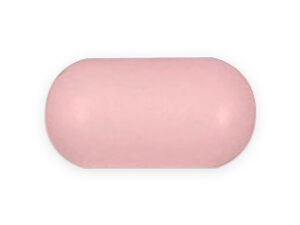
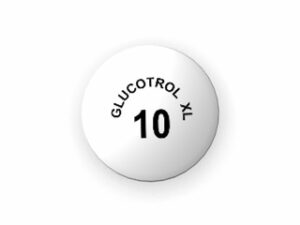
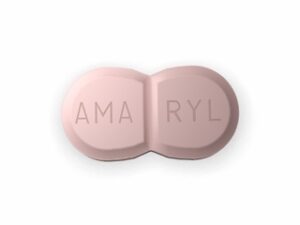
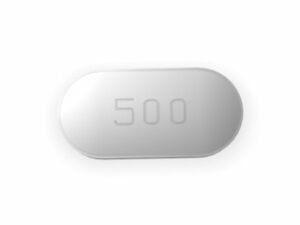
It’s important to obtain medicines from reputable sources and avoid counterfeit or unlabelled products. Always check the packaging, dosage form, and tablet strength match what you expect.
14. Recent Guidance: What to Expect Clinically
Diabetes care in the UK is guided by clinical recommendations and evolving evidence. In recent years, guidance has continued to emphasise:
- Individualised treatment based on comorbidities and risk of hypoglycaemia.
- Use of blood glucose monitoring and HbA1c targets tailored to the person.
- Preferencing medicines that balance glucose control with safety and practical benefit, where appropriate.
- Awareness of hypoglycaemia risk with insulin and sulfonylureas, and the need for patient education.
If you have been stable on glimepiride, changes may not be necessary; however, clinicians may periodically review whether the benefits still outweigh the risks as your health status and preferences evolve.
15. Delivery and Availability (UK Online Pharmacy)
Glimepiride tablets are commonly available through pharmacies in the UK, subject to stock levels and prescription/dispensing arrangements where applicable.
- Availability: stock can vary by strength and pack size. Some strengths may be limited at times.
- Packaging: tablets are supplied in labelled packaging for safe use and identification.
- Delivery: delivery times depend on your location and the courier used. Orders are generally processed promptly once confirmed.
- Temperature/storage: store tablets according to the instructions on the pack (typically at room temperature, away from moisture and heat).
If you need help checking stock or planning delivery timing, contact the pharmacy support team.
16. FAQ
Is glimepiride a insulin?
No. Glimepiride is an oral tablet that helps your body release its own insulin. It belongs to the sulfonylurea class.
What time of day should I take glimepiride?
It is usually taken once daily with breakfast (or with your first main meal). Take it at a consistent time and do not skip meals after dosing.
What should I do if I miss a dose?
If you miss a dose, take it only if it fits with your meal timing and your clinician’s instructions. Otherwise, skip the missed dose and take your next dose at the usual time. Do not double up.
How do I know if my blood sugar is too low?
Early symptoms can include sweating, shaking, hunger, dizziness, headache, palpitations, confusion, and weakness. If you experience symptoms, check your blood glucose if possible and treat according to your diabetes plan.
Can I drive or operate machinery?
If you experience hypoglycaemia symptoms (or have episodes of low blood sugar), you may be at risk. If your diabetes is well controlled and you recognise early warning signs, driving may be possible. Discuss your situation with your clinician, especially if you’ve had recent lows.
Can I drink alcohol while taking glimepiride?
Alcohol can increase the risk of hypoglycaemia. If you choose to drink, do so cautiously, avoid heavy drinking, and have food alongside alcohol. Monitor your glucose more often if recommended.
What medicines commonly interact with glimepiride?
Many medicines can interact. In particular, other glucose-lowering medicines increase hypoglycaemia risk. Some antibiotics, antifungals, beta-blockers, and other drugs may also affect glucose levels or metabolism. Tell your pharmacist about all medicines and supplements you take.
Is glimepiride safe for everyone with type 2 diabetes?
Not necessarily. Factors like kidney function, age, meal regularity, and other medications affect suitability. Your clinician will assess whether glimepiride is appropriate for you.
When should I seek urgent medical help?
Seek urgent help if you suspect severe hypoglycaemia (for example, confusion that is worsening, inability to swallow safely, fainting, seizures) or if symptoms do not improve after treating low blood sugar.
17. Summary
Glimepiride is a once-daily oral medicine used to improve blood glucose control in type 2 diabetes by stimulating insulin release. It is commonly taken with breakfast or your first main meal to reduce the risk of low blood sugar. As with all diabetes medicines, careful attention to meal timing, alcohol intake, interactions with other medicines, and recognising symptoms of hypoglycaemia helps you use glimepiride safely.
If you have questions about how to take glimepiride in your specific situation—such as during illness, changes in diet, or starting new medicines—speak to a healthcare professional or your pharmacy team.