


Hypnite (Eszopiclone) – Patient-Friendly Guide (UK)
Hypnite contains the active ingredient eszopiclone. It is a medicine used to help with sleep problems in adults. This page explains how it works, how to take it safely, and what to expect in terms of effectiveness and side effects.
Information in this guide is for general education. Always follow the instructions provided by your healthcare professional and the patient information leaflet supplied with your medicine.
Quick facts
- Active ingredient: Eszopiclone
- Medicinal class: Hypnotic (sleep medicine), “Z-drug”
- Common use: Treatment of insomnia in adults
- How it’s taken: Usually once nightly, shortly before bedtime
- Key cautions: Next-day drowsiness, falls risk, alcohol/other sedatives can be dangerous
Basic product information
Hypnite is a branded form of eszopiclone. It is designed to help you fall asleep and/or stay asleep. Like other medicines for insomnia, it is generally intended for short-term, targeted use rather than a long-term “sleep replacement”.
What strengths might be available in the UK?
Availability of strengths can vary depending on the formulation and supplier. Common strengths for eszopiclone products globally include 1 mg, 2 mg, and 3 mg. Your pack will state the exact strength for your prescription/dispensing arrangement.
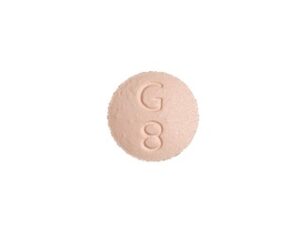
How does it look?
Tablets are typically film-coated and swallowed whole. Do not crush or split unless your leaflet advises you to do so.
How Hypnite works (mechanism of action)
Eszopiclone belongs to the non-benzodiazepine hypnotics (often referred to as “Z-drugs”). It works by interacting with the brain’s GABA system.
- GABA-A receptors are involved in calming brain activity.
- Eszopiclone binds to specific sites on these receptors, which helps promote sleepiness.
- The result is improved sleep initiation and maintenance for people with insomnia.
Important: By reducing brain activity, these medicines can also affect memory, coordination and judgement—especially if taken too late, taken with alcohol, or combined with other sedating medicines.
Pharmacokinetics (how the body handles it)
Understanding pharmacokinetics can help you time your dose and avoid next-day effects.
Absorption
- Eszopiclone is absorbed after you swallow the tablet.
- Sleep medicines are often most effective when taken with time to settle before bed.
Distribution
- It distributes into the body, including the brain.
- Because it affects the nervous system, you may feel drowsy even into the following day.
Metabolism and elimination
- Eszopiclone is processed mainly by the liver (metabolism).
- It is cleared from the body via metabolic pathways and excretion.
Why timing matters
Even if you take Hypnite correctly, individual factors (age, liver function, dose, other medicines) can influence how long it lasts. In some people, residual effects can cause impaired driving ability and increased fall risk the next day.
Indications – what it is used for
Hypnite is used for the treatment of insomnia in adults, where sleep difficulty is significant and affecting daily life.
Insomnia may include:
- Difficulty falling asleep
- Difficulty staying asleep
- Unrefreshing sleep or fragmented sleep patterns
Your prescriber may assess whether you have short-term (acute) or long-term (chronic) insomnia and whether non-drug approaches (such as CBT-I, sleep hygiene) should be combined with medication.
Typical use and timing
Hypnite is typically taken once at night. The aim is to take it when you can dedicate enough time to sleep.
When should you take it?
- Take it immediately before bedtime, or as close to bedtime as possible.
- Ensure you will be able to sleep for a full night (for example, 7–8 hours where possible), unless your healthcare professional advises otherwise.
- If you wake during the night, avoid taking extra doses.
If you miss a dose
- If you forget and still need to sleep, take it only if you can still allow time for a full night’s sleep.
- If bedtime has passed or you can’t sleep long enough, skip the dose and continue with the next night’s plan.
- Do not take double to make up for a missed dose.
Dosing – general guidance
Dose should be tailored to the individual. The information below is general and may not match your exact pack instructions.
Adults
- Start low and adjust only under clinical guidance.
- Dose often depends on severity of insomnia, age, and liver function.
Elderly (older adults)
Older adults are at higher risk of side effects such as drowsiness, confusion, and falls. Lower starting doses are often used in practice.
People with liver impairment
Liver metabolism affects exposure to eszopiclone. People with liver impairment may need dose reduction and closer monitoring.
Maximum dosing
Do not exceed your prescribed dose. Do not take Hypnite more frequently than directed.
Food interactions and what to eat
Food can affect how quickly eszopiclone works. In general, taking Hypnite with or after a heavy meal may delay absorption and reduce the speed of onset.
- For best results, take Hypnite on an empty stomach or at least avoid very heavy meals close to taking it.
- If you experience delayed sleep onset, discuss timing with your healthcare professional.
Grapefruit/orange juices: Some medicines interact with certain fruit juices due to effects on liver enzymes. If you drink these regularly, it is sensible to check with your pharmacist to confirm whether any relevant interactions apply to your overall medicine list.
Alcohol interactions – important safety information
Do not drink alcohol while taking Hypnite. Alcohol can significantly increase the risk of:
- Excessive sedation and slowed breathing
- Impaired coordination and memory
- Falls and accidents (including while walking at night)
- Unusual behaviours (see “sleep-related behaviours” under Safety Profile)
If you’ve already had alcohol, it is especially important to seek medical advice before taking eszopiclone. Combining them can be harmful.
Interactions with other medicines (including sedatives)
Hypnite can interact with other medicines that affect the brain or breathing.
Medicines that increase sedation
Be cautious (and seek advice) if you take any of the following:
- Opioid pain medicines (e.g., morphine, oxycodone, codeine, tramadol)
- Other sleep medicines or sedating antihistamines (e.g., diphenhydramine, doxylamine)
- Antipsychotics
- Tranquillisers/benzodiazepines
- Antidepressants that may be sedating (depends on the specific agent)
- Anti-seizure medicines that cause drowsiness
Medicines affecting liver enzymes
Some drugs change how the liver processes eszopiclone, potentially altering effectiveness or side effects. Tell your pharmacist about:
- Antifungals (e.g., certain azoles)
- Antibiotics (some groups)
- HIV medicines
- Medicines for epilepsy
- Rifampicin and similar liver enzyme inducers
Neuroactive combinations and night-time risks
Combining multiple sedating medicines increases the likelihood of:
- Next-day impairment
- Driving impairment
- Confusion
- Sleepwalking and other abnormal behaviours
Tip: Keep an up-to-date list of all medicines, including herbal products and over-the-counter sleep aids, and share it with your pharmacist.
Safety profile – common and serious side effects
Most people tolerate Hypnite well when used correctly. However, there are important risks, especially related to drowsiness and unusual sleep-related behaviours.
Common side effects
- Drowsiness or sleepiness
- Headache
- Nausea or stomach discomfort
- Dry mouth
- Unpleasant taste
Less common but important risks
- Falls or feeling unsteady (especially in older adults)
- Memory problems, including trouble recalling events (commonly referred to as impaired recall)
- Next-day impairment, such as slowed reaction time
Serious warning: unusual sleep-related behaviours
Some people taking sleep medicines have reported activities while not fully awake, such as:
- Sleepwalking
- “Sleep-driving” or driving without being fully awake
- Preparing or eating food while asleep
- Making phone calls or other unusual actions
What to do: If you (or someone else) notices such behaviours, stop taking Hypnite and seek urgent advice from your healthcare professional.
Breathing problems during sleep
If you have sleep apnoea (breathing pauses during sleep) or chronic lung disease, sedating medicines can worsen breathing. Your clinician may need to monitor you more closely or adjust your treatment.
Withdrawal and dependence risk
With regular use, there is a potential for physical dependence. It is generally recommended that these medicines are used at the lowest effective dose for the shortest duration. Do not stop suddenly without advice; follow a plan for gradual review or discontinuation.
Practical use tips for safer sleep
- Use it only when you can sleep: Take the tablet only when you have time to sleep for the night.
- Avoid alcohol completely: Alcohol increases sedation and accident risk.
- Don’t drive or operate machinery: Especially if you feel drowsy, light-headed, or unsure.
- Minimise night-time walking: Keep pathways clear; use night lighting if you need to get up.
- Set a routine: Dim lights, reduce screens, and keep a consistent bedtime/wake time.
- Consider CBT-I: Cognitive Behavioural Therapy for Insomnia (CBT-I) is often recommended alongside or instead of long-term medication for durable improvements.
- Check interactions: Before starting any new medicine, including OTC products, confirm there are no relevant interactions.
Alternative options for insomnia (UK)
If you’re looking for non-chemical or additional approaches, these can be helpful:
Non-medicine options
- CBT-I (recommended first-line in many cases): Helps address behaviours and thought patterns that keep insomnia going.
- Sleep hygiene: Regular schedule, reducing caffeine late in the day, and keeping the bedroom cool and dark.
- Relaxation techniques: Breathing exercises, progressive muscle relaxation, or mindfulness.
Medication alternatives
Depending on your situation, clinicians may consider other options such as:
- Melatonin or melatonin receptor agents (where appropriate)
- Other hypnotics (type depends on your medical history and risk profile)
- Medicines treating underlying causes (for example, pain, restless legs, anxiety, depression)
Your pharmacist can help you discuss what options are suitable and how they compare regarding risks such as next-day drowsiness and interactions.
Market and legal context in the United Kingdom
In the UK, medicines for insomnia are regulated by the Medicines and Healthcare products Regulatory Agency (MHRA) and authorised under UK pharmaceutical regulations. Sleep medicines are monitored for safety, including warnings about sedation, dependence, and sleep-related behaviours.
Because eszopiclone belongs to the group of hypnotics with known risks, it is important that it is used under appropriate clinical supervision and that patients receive clear instructions about safe use, duration, and avoiding alcohol or other sedatives.
Recent guidance (high-level overview)
Across many sleep-health resources, a consistent message in recent years has been:
- Use the lowest effective dose
- Limit duration
- Review need regularly
- Prefer non-drug approaches such as CBT-I for long-term management
- Be cautious with elderly patients and those with sleep apnoea or respiratory disease
Delivery and availability (UK online pharmacy)
Availability of Hypnite depends on stock levels and the specific strength/pack size. When ordering online:
- Confirm the strength matches what you need.
- Ensure your delivery address allows safe receipt (avoid leaving medicines unattended where possible).
- Allow for processing and delivery timelines.
Packaging: Medicines are typically supplied in tamper-evident packaging with patient information leaflets and clear batch/expiry details.
When to seek urgent help
Seek urgent medical advice if you experience:
- Severe dizziness, fainting, or repeated falls
- Breathing difficulties
- Severe confusion or agitation
- Unusual sleep-related behaviours, especially if you could have been unsafe
- Signs of an allergic reaction (swelling of the face/lips, rash, trouble breathing)
Summary table – key points for safe use
| Topic | What to remember |
|---|---|
| When to take | Close to bedtime and only if you can sleep for the night. |
| Food | Heavy meals may delay onset; empty stomach is often best. |
| Alcohol | Avoid completely; increases sedation and accident risk. |
| Other sedatives | Avoid or check with your pharmacist (opioids, benzodiazepines, other hypnotics). |
| Next day safety | Don’t drive or operate machinery if you feel drowsy. |
| Sleep behaviours | Stop and seek advice if sleepwalking/driving or unusual actions occur. |
| Duration | Use short-term and review regularly; don’t stop without advice if used for a while. |
FAQ – Hypnite (Eszopiclone)
1) How long does Hypnite take to work?
Many people feel sleepiness relatively quickly after taking eszopiclone, but the exact onset varies. For best effect, take it close to bedtime and avoid heavy meals right before.
2) Can I take Hypnite with food?
It’s generally recommended to take it with consideration of meals. Heavy food may delay absorption and reduce how quickly it helps. If you regularly eat late, discuss timing with your pharmacist.
3) What if I wake up during the night?
Do not take an additional dose. Use your prescribed plan and seek advice if night-time waking becomes frequent or worsening.
4) Will Hypnite make me feel hungover the next day?
Some people experience next-day drowsiness, slower reaction times, or reduced alertness. This risk increases with higher doses, older age, liver impairment, and combining with alcohol or other sedatives.
5) Is Hypnite safe for older adults?
Older adults may be more sensitive to hypnotics. Clinicians often prescribe lower starting doses and review carefully. Falls and confusion risks should be taken seriously.
6) Can I drink alcohol on Hypnite?
No. Alcohol should be avoided because it increases sedation and can lead to dangerous behaviours and breathing problems.
7) Can I take Hypnite with painkillers or opioid medicines?
Combining eszopiclone with opioid pain medicines can increase risk of serious sedation and breathing difficulties. This combination should only be used if your healthcare professional has specifically advised it and you understand the safety plan.
8) Why do I feel confused or forget things?
Sleep medicines can affect memory, especially if you don’t sleep enough after taking them. Ensuring you can sleep for the night and avoiding alcohol can reduce risk.
9) Are there alternatives if it doesn’t work for me?
Yes. Treatment may involve adjusting dose timing, addressing contributing causes of insomnia, or switching to alternative medication strategies. Non-drug options like CBT-I can also be highly effective.
10) How should I stop taking Hypnite?
Do not stop suddenly without advice if you’ve been using it regularly. Your healthcare professional can provide a safe review and a gradual plan if needed.
11) What should I do if I experience sleepwalking or other unusual actions?
Stop using Hypnite and seek urgent medical advice. Do not attempt to “push through” these symptoms.
12) Is Hypnite habit-forming?
There is a dependence risk with hypnotic medicines, especially with regular use. Using the lowest effective dose for the shortest time and reviewing treatment regularly helps reduce this risk.
Always read the patient information leaflet supplied with Hypnite for detailed instructions specific to your pack.