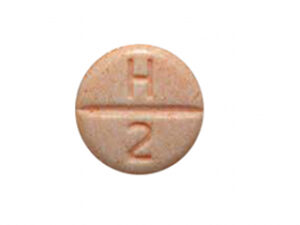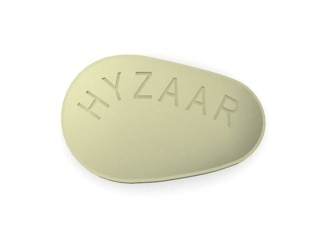
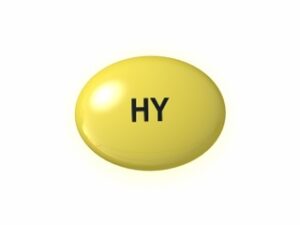

Hyzaar (Losartan / Hydrochlorothiazide)
Hyzaar is a prescription medicine used to treat high blood pressure (hypertension). It combines two active ingredients: losartan and hydrochlorothiazide. Together, they help lower blood pressure and reduce the workload on the heart and blood vessels.
In the UK, Hyzaar is available in different strengths depending on the dose of losartan and hydrochlorothiazide. Your pharmacist or prescriber can confirm the exact strength you should use.
Quick facts
| Feature | Details |
|---|---|
| Medicine | Hyzaar (losartan / hydrochlorothiazide) |
| Used for | High blood pressure (hypertension) |
| How it works | Losartan blocks angiotensin II receptors; hydrochlorothiazide helps the kidneys remove salt and water |
| Common dosing pattern | Usually once daily |
| Typical timing | Take at the same time each day; often morning to reduce nighttime urination |
| Food interactions | Food generally has no clinically important effect; taking with or without food is usually acceptable |
| Key safety notes | May affect kidney function and potassium levels; possible dizziness; avoid in pregnancy |
What is Hyzaar and what does it contain?
Hyzaar is a combination tablet containing:
- Losartan: an angiotensin II receptor blocker (ARB)
- Hydrochlorothiazide: a thiazide “water tablet” (diuretic)
Hyzaar is designed for people who need more than one approach to controlling blood pressure—namely blocking hormonal mechanisms that tighten blood vessels and increasing salt/water removal by the kidneys.
How Hyzaar works (mechanism of action)
High blood pressure often involves several body systems. Hyzaar targets two of the most important:
- Losartan (ARB action): Angiotensin II is a hormone that causes blood vessels to narrow and helps the body retain salt and water. Losartan blocks angiotensin II at its receptor sites. This leads to relaxed blood vessels and reduced blood pressure.
- Hydrochlorothiazide (diuretic action): This medicine helps the kidneys remove extra sodium (salt) and water. Over time, reduced fluid volume and changes in blood vessel tone help lower blood pressure.
Using both ingredients in one tablet can improve blood pressure control compared with either medicine alone, while also using lower doses of each component.
Pharmacokinetics: what the body does with Hyzaar
“Pharmacokinetics” refers to how the medicine is absorbed, distributed, metabolised, and eliminated. Individual responses can vary, especially with age, kidney function, and other medicines.
Losartan
- Absorption: Absorbed after oral dosing.
- Metabolism: Losartan is metabolised in the liver, producing an active metabolite.
- Elimination: The drug and its metabolites are removed from the body primarily via the bile/feces and to some extent via the urine.
Hydrochlorothiazide
- Absorption: Absorbed from the gastrointestinal tract.
- Elimination: Excreted mainly unchanged by the kidneys.
- Kidney function matters: Because hydrochlorothiazide relies heavily on kidney clearance, kidney impairment may affect how it works.
If you have reduced kidney function or liver problems, your clinician may adjust the approach and monitor blood tests more closely.
Typical use in the UK
Hyzaar is commonly used for treatment of high blood pressure where a single medicine is not enough or where combination therapy is an appropriate starting strategy.
It may be prescribed when blood pressure needs additional help, for example when:
- previous treatment has not achieved adequate control, or
- there is a need for better control with fewer side effects by using combination doses.
People often notice symptom changes (such as less dizziness or headaches), but remember: high blood pressure usually has no symptoms. The main benefit is long-term reduction in cardiovascular risk.
When to take Hyzaar (timing and routine)
Hyzaar is usually taken once daily. Consistency matters for maintaining stable blood pressure control.
- Same time each day: Choose a time you can stick to.
- Morning use often helps: Because hydrochlorothiazide can increase urine production, taking it in the morning may reduce the need to wake at night.
- Missed dose: If you miss a dose, take it when you remember on the same day. If it is close to the next dose, skip the missed dose. Do not take double doses.
If you are unsure about a missed dose or your schedule, speak to your pharmacist.
Food interactions
Food generally does not require special timing with Hyzaar. In most cases, you can take it with or without food. However, following a consistent routine can help you remember and maintain steadier daily dosing.
If you have been advised to take the medicine in a specific way because of stomach sensitivity, nausea, or other factors, follow that guidance.
Alcohol and medicine interactions
Alcohol
Drinking alcohol may increase the chance of side effects such as dizziness or light-headedness, especially when you start treatment or if you already feel prone to low blood pressure.
For many people, moderate alcohol may be tolerated, but it’s best to keep intake consistent and cautious—particularly during the first few weeks. If you experience faintness or unusual weakness after alcohol, reduce intake or seek advice from a healthcare professional.
Other medicine interactions
Hyzaar can interact with a number of medicines, particularly those affecting kidney function and potassium levels. Always tell your pharmacist about all medicines and supplements you take, including over-the-counter products.
Common interaction categories
- Medicines affecting potassium: Examples include potassium supplements, salt substitutes containing potassium, and other medicines that raise potassium.
- Non-steroidal anti-inflammatory drugs (NSAIDs): Regular or high-dose NSAID use (e.g., ibuprofen, naproxen, diclofenac) can affect kidney function and reduce blood pressure-lowering effects in some people.
- Lithium: Co-administration may increase lithium levels and toxicity risk.
- Other blood pressure medicines: Combining therapies can be beneficial, but it may also increase the chance of low blood pressure.
- Diuretics and dehydration risk: Using other water tablets alongside may increase fluid and electrolyte imbalance risk.
- Medicines that affect heart rhythm: Electrolyte changes (such as potassium or magnesium changes) can influence rhythm risk.
- Diabetes medicines: Blood glucose control may be affected; monitoring may be needed.
If you have a long-term condition or take multiple medicines, your clinician may schedule periodic blood tests (kidney function and electrolytes).
Indications: what Hyzaar is used to treat
Hyzaar is indicated for:
- Hypertension (high blood pressure) in adults.
Hypertension management aims to reduce risks such as stroke, heart attack, and heart failure. The goal is not only to lower numbers, but also to improve long-term outcomes.
Dosing: strength options and how dosing is typically chosen
Hyzaar comes in different strength combinations of losartan and hydrochlorothiazide (for example, a tablet containing a certain mg amount of each). Your prescriber will choose the starting dose based on your blood pressure readings, current medicines, and health history.
General dosing principles
- Once daily: Most people take one dose per day.
- Starting dose: Often determined by the level of blood pressure and whether you have been taking an ARB or diuretic before.
- Adjustment: Dose adjustments are typically guided by blood pressure response and blood test results.
- Do not alter dose suddenly: Changing dose without advice can lead to blood pressure becoming unstable.
Missed dose guidance
If you miss a dose, take it as soon as you remember unless it is nearly time for the next dose. If so, skip the missed dose. Avoid taking two doses at once.
For detailed personal instructions, check the patient information leaflet included with your medicine or ask your pharmacist.
Safety profile: side effects and when to seek help
Like all medicines, Hyzaar can cause side effects. Many people experience none or only mild effects that settle as the body adjusts. It is important to recognise symptoms that require prompt medical advice.
Common or mild side effects
- Dizziness or light-headedness (especially when standing up)
- Headache
- Fatigue
- Muscle cramps or weakness (may relate to electrolyte changes)
- Increased urination after dosing
Less common but important side effects
- Low blood pressure (symptoms may include fainting, severe dizziness)
- Kidney function changes (blood tests may be used to monitor this)
- Changes in electrolytes such as potassium levels (either high or low may occur depending on the combination and individual factors)
- Allergic reactions (rare, but seek urgent advice if you develop swelling of the face/lips, breathing difficulty, or a widespread rash)
- Sensitivity to sunlight can occur with some diuretics; seek advice if you develop sunburn-like reactions
When to seek urgent medical advice
Get urgent help if you experience:
- Difficulty breathing, swelling of the face, lips, tongue, or throat
- Severe dizziness or fainting
- Chest pain, signs of severe illness, or confusion
- Signs of severe electrolyte imbalance (e.g., unusual muscle weakness, persistent vomiting)
If you are unsure whether symptoms are serious, it is always safer to contact a clinician or urgent care service for advice.
Practical use tips for patients
The following tips can help you get the most from Hyzaar while reducing the risk of side effects:
- Measure blood pressure: Keep track of home readings if advised. Record dates and times to help your clinician review progress.
- Stand up slowly: If you feel light-headed, rise slowly from sitting or lying positions.
- Hydrate appropriately: Don’t overdo fluid intake, but avoid becoming dehydrated—especially in hot weather or during illness. Diarrhoea or vomiting can increase the risk of kidney problems with medicines like hydrochlorothiazide.
- Watch your salt intake: Excess salt can make blood pressure harder to control, but sudden drastic restriction should be avoided unless advised.
- Be careful with salt substitutes: Some contain potassium. This can affect potassium levels when you take an ARB component.
- Sun protection: Consider using sunscreen and avoiding strong sun if you notice increased sensitivity.
- Keep lab appointments: Kidney function and electrolytes are often monitored after starting or changing dose.
Who should take extra care?
Hyzaar may not be suitable for everyone. Extra caution and monitoring may be needed if you have:
- Kidney disease or reduced kidney function
- History of electrolyte imbalance (e.g., low sodium, low or high potassium)
- Dehydration or conditions causing dehydration (e.g., severe vomiting or diarrhoea)
- Liver impairment
- Heart conditions where blood pressure changes may be significant
- Gout (thiazide diuretics can influence uric acid levels)
- Diabetes or glucose intolerance
If any of these apply, you may need closer monitoring, adjusted dosing, or alternative treatments.
Pregnancy and fertility considerations (UK guidance)
Medicines that affect the renin–angiotensin system (including losartan) are generally not recommended during pregnancy. If you are planning pregnancy, suspect you may be pregnant, or become pregnant, seek prompt advice from your healthcare professional to discuss safe options.
If you are breastfeeding, discuss suitability with a clinician—recommendations depend on the specific medicine and your baby’s circumstances.
Alternative options
If Hyzaar isn’t suitable, there are other ways to treat high blood pressure in the UK. Depending on your individual profile, options may include:
- Other ARBs (losartan alternatives)
- ACE inhibitors (a different pathway for controlling blood pressure)
- Calcium channel blockers
- Thiazide-like diuretics or other diuretic types
- Beta-blockers or other specialist classes
- Combination therapies with different pairings
Your clinician will choose an alternative based on factors such as kidney function, electrolyte levels, other conditions, and previous treatment response.
Market and legal context (United Kingdom)
In the United Kingdom, Hyzaar is regulated by the Medicines and Healthcare products Regulatory Agency (MHRA) and is used according to NHS and clinical guidance. Hypertension treatment is guided by national recommendations and individual assessment.
Hyzaar is available through the UK medicines supply chain and is typically provided under appropriate clinical oversight to ensure correct dosing and safe use. For online pharmacy purchasing, medicines are supplied in line with UK legal and regulatory requirements, including identity verification and safe dispensing processes.
The exact availability of specific strengths may vary between suppliers and pharmacies.
Recent guidance and monitoring approach
Clinical practice in the UK commonly emphasises:
- Regular blood pressure reviews (including home measurements where appropriate)
- Baseline and follow-up blood tests for kidney function and electrolytes when starting or adjusting ARB/diuretic combinations
- Assessment of risk factors such as dehydration, kidney impairment, and potassium changes
- Medication review for interactions with NSAIDs, lithium, potassium supplements, and other agents
Specific recommendations can differ by patient and by updates to national guidance. If you want to know what monitoring schedule applies to you, ask your clinician or pharmacist.
Delivery and availability (UK online pharmacy)
Hyzaar availability depends on strength and stock levels. When ordering online in the UK, deliveries are typically arranged using standard postal or courier services. Delivery timeframes vary by supplier and location.
To avoid delays:
- Double-check the medicine strength and pack size before purchase
- Ensure delivery details are accurate
- Be ready to sign for parcels if required by the delivery service
If your preferred strength is temporarily out of stock, your pharmacy may provide alternatives or advise on expected restock dates.
Hyzaar FAQ
How quickly will Hyzaar start working?
Many people notice a reduction in blood pressure within days, while full effects may take a couple of weeks. Steady blood pressure control often improves with continued use.
Should I take Hyzaar with food?
Usually you can take it with or without food. Choose a routine that you can follow consistently.
Can I stop Hyzaar once my blood pressure is normal?
Don’t stop Hyzaar suddenly without medical advice. Hypertension often returns when treatment stops. Ongoing use is commonly required for long-term risk reduction.
What blood tests might I need?
Clinicians commonly monitor kidney function and electrolytes (including potassium and sodium), especially after starting or changing dose.
Does Hyzaar cause dehydration?
Hydrochlorothiazide can increase urination, particularly at the start of treatment. Most people remain well hydrated, but dehydration can occur if you are ill (vomiting/diarrhoea), in hot weather, or drinking much less than usual. Seek advice if you feel significantly unwell or dizzy.
Is it safe to drive or operate machinery?
Some people may experience dizziness, especially after the first dose or after dose changes. Until you know how Hyzaar affects you, take care when driving or operating machinery.
Can I take ibuprofen or other painkillers with Hyzaar?
Occasionally taking an anti-inflammatory painkiller may be acceptable for some people, but regular use can raise risks such as kidney impairment and reduced blood pressure control. If you need frequent pain relief, discuss options with your pharmacist.
What should I do if I forget a dose?
Take it when you remember the same day. If the next dose is close, skip the missed dose. Do not take a double dose.
Are there any dietary restrictions?
There are no strict dietary rules for everyone, but practical guidance includes not overusing salt and being cautious with potassium-containing salt substitutes. If you have diabetes, kidney disease, or previous electrolyte problems, you may need specific dietary advice.
Can I drink alcohol while taking Hyzaar?
Alcohol may increase dizziness or light-headedness. If you drink, keep it moderate, and avoid binge drinking—especially when starting treatment.
What if I have side effects?
Mild dizziness or increased urination can occur. If you develop persistent symptoms, fainting, severe weakness, swelling, or difficulty breathing, seek urgent medical help. For milder ongoing side effects, contact your pharmacist or clinician for advice.
Important: This page is for patient information only and does not replace advice from a healthcare professional. If you have questions about whether Hyzaar is suitable for you, interactions with your current medicines, or how to manage side effects, speak to a pharmacist or clinician.