Imiquimod (Topical) – Patient-Friendly Guide (UK)
Imiquimod is a medicine used on the skin to treat certain conditions caused by abnormal or virus-related skin changes. It works by helping your immune system recognise and respond to the affected skin area. This guide explains what imiquimod is, what it does, how it’s used, and what to consider for safe, practical use.
Information below is for general guidance. If you’re unsure which strength or treatment schedule applies to you, follow the instructions provided with your product and any advice from your healthcare professional.
1) Basic product information
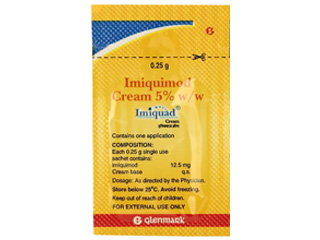
Imiquimod is available as a topical cream (often referred to as imiquimod cream) in different strengths depending on the condition being treated and local product availability. In the UK, common strengths include:
- 5% cream (commonly used for external genital warts and certain skin conditions)
- 3.75% cream (used for actinic keratosis in some product lines)
Imiquimod is applied directly to the affected area. It should not be used inside the body (for example, inside the vagina, anus, or urethra).
2) What does imiquimod do? (Mechanism of action)
Imiquimod is an immune response modifier. After you apply it to the skin, it activates immune pathways locally. In simple terms, it encourages the body’s immune system to help clear or reduce abnormal growths.
The medicine is thought to work by stimulating immune responses, including:
- Increased production of signalling proteins (such as interferon-type responses)
- Enhanced local immune activity
- Targeted inflammation that helps the body respond to the abnormal or virus-related cells
Expected skin effects
Because imiquimod activates local immune responses, it commonly causes temporary skin reactions such as redness or irritation. These reactions can be part of how it’s working, but severe reactions should be discussed with a clinician.
3) How the body handles imiquimod (Pharmacokinetics)
Imiquimod is applied to skin, so most of the active drug acts locally. Only a small amount may be absorbed through the skin.
- Absorption: Low systemic absorption, particularly when used as directed.
- Distribution: Limited whole-body distribution due to low absorption.
- Metabolism: Metabolised mainly in the liver pathways.
- Elimination: Primarily cleared from the body after metabolism.
Absorption can increase if you apply it to large areas, broken skin, or under conditions that increase penetration. Follow product instructions carefully.
4) Typical uses in the UK
Imiquimod is used for several skin-related conditions, commonly including:
- External genital warts (caused by certain types of human papillomavirus, HPV)
- Actinic keratosis (also called solar keratosis; sun-damaged skin growths)
- Superficial basal cell carcinoma (in certain cases, as determined by a clinician)
- Other limited, condition-specific uses depending on UK product licensing and clinical practice
Your treatment plan depends on the condition, affected area, and product strength. Not every topical option is suitable for every patient.
5) Timing and how to apply
Imiquimod is usually applied at a time that allows the cream to work on the skin undisturbed. Many regimens involve applying the cream at night and leaving it on the skin for a specified period.
General practical routine
- 1. Wash and dry the treatment area before applying.
- 2. Apply a thin layer to the affected area (and any advised surrounding margin).
- 3. Wash hands after application (unless the hands are the treatment area).
- 4. Leave on for the recommended time (commonly overnight, but follow your product schedule).
- 5. Remove by washing the treated area after the recommended period.
Do not cover the area with airtight dressings unless instructed by a clinician. Avoid occlusion (covering with non-breathable material) unless specifically advised.
Typical schedules (examples)
Schedules vary by strength and indication. Examples include:
| Condition (example) | Common imiquimod approach | How it’s usually timed |
|---|---|---|
| External genital warts | Applied several times weekly for a defined number of weeks | Often at night; cream left on for several hours then washed off |
| Actinic keratosis | Regular course over a set period, depending on product strength | Typically evening use; leave time varies by product instructions |
| Superficial basal cell carcinoma (selected cases) | Course determined by clinician, often with multiple weekly applications | Typically evening/overnight routine |
For accuracy, use the exact instructions provided with your product or clinician plan. If you’re not sure, check with the product leaflet or your healthcare professional.
6) Indications (What it’s used for)
Imiquimod is indicated for conditions where local immune activation can help treat abnormal skin changes. The most commonly discussed indications include:
- HPV-related external genital warts: to stimulate local immune response against affected wart tissue
- Actinic keratosis: treatment of sun-damaged skin lesions that may have a risk of progressing
- Some superficial basal cell carcinomas: for specific lesion types, size limits, and patient suitability
Suitability depends on factors such as location, lesion size/number, skin type, and medical history. Some areas may require different treatment modalities.
7) Dosing – following the right schedule
The correct dose depends on the strength and indication. Imiquimod is not “dose-by-weight”; it’s typically applied as a small amount in a thin layer over the affected area.
Key dosing principles
- Use the strength matched to your condition.
- Apply to the advised area only. Avoid healthy skin unless told to include a margin.
- Do not increase frequency beyond instructions to “speed up” results.
- Complete the planned course unless told to stop due to side effects.
If you miss an application, generally apply it when you remember unless your schedule is nearly due for the next dose. If unsure, follow the instructions in the leaflet supplied with your product.
8) Food interactions
Imiquimod is used on the skin. There are typically no direct food interactions because it is not taken by mouth. Systemic absorption is limited when used correctly.
You may still have general considerations if you experience skin inflammation or discomfort, but food is not expected to interfere with imiquimod’s effectiveness.
9) Alcohol and medicine interactions
Alcohol
There are no well-known direct alcohol interactions with imiquimod because of its topical use and low systemic exposure. However, if you experience significant skin irritation, it may affect comfort and recovery.
Interactions with other medicines
Important interaction considerations include:
- Other topical products: avoid applying creams, ointments, or antiseptics to the same area unless advised. Certain products may increase irritation or change skin penetration.
- Immunosuppressive medicines: medicines that reduce immune function may potentially reduce effectiveness, and clinicians may consider this when selecting treatment.
- Any ongoing treatments for the same area: discuss with a healthcare professional (for example, retinoids or other lesion therapies).
- Concomitant skin inflammation: if you have eczema, dermatitis, or open wounds, the reaction to imiquimod may be stronger.
Tell your healthcare professional or pharmacist about all medicines you use, including topical treatments, before starting imiquimod.
10) Safety profile – common and serious side effects
Like all medicines, imiquimod can cause side effects. Many are local skin reactions. Most are mild to moderate and improve after completing the treatment. Seek medical advice urgently if you develop severe reactions.
Common side effects (local skin effects)
- Redness, swelling, and burning sensation
- Itching (pruritus)
- Dryness, peeling, or flaking
- Skin erosion or crusting (especially in areas with active treatment)
- Temporary pain or tenderness
Less common or serious reactions
- Severe local inflammation (painful ulceration, blistering, or extensive breakdown)
- Allergic reactions (such as rash beyond the treated area, facial swelling, or breathing difficulties—seek emergency help)
- Worsening symptoms instead of gradual improvement over the treatment period
- Systemic symptoms such as fever, flu-like symptoms, or marked fatigue (uncommon; contact a clinician)
When to get medical advice
Contact a healthcare professional promptly if you have:
- Severe or spreading rash
- Open sores that are worsening
- Signs of infection (increasing warmth, pus, significant pain, or fever)
- Severe pain interfering with daily activities
- Any reaction in sensitive areas (for example, extensive genital irritation)
11) Practical use tips (to help you get the best results)
Successful treatment is not only about applying the cream; it’s also about handling skin gently and preventing avoidable irritation. These tips may improve comfort and help you follow the regimen reliably.
- Use a mirror or good lighting for accurate application to small lesions.
- Apply evenly as a thin layer—over-applying does not usually improve outcomes.
- Expect redness: mild to moderate irritation is often part of the process.
- Avoid scratching and use gentle, fragrance-free moisturisers on surrounding skin only if appropriate.
- Don’t share personal items that touch the treated skin (such as towels) during therapy.
- Wear loose clothing over treated areas to reduce rubbing and discomfort.
- Sexual health considerations for genital warts: discuss safe sexual practices. Some patients use barrier methods to reduce the risk of transmission, and irritation can affect comfort during treatment.
- Sun protection: for actinic keratosis, strict sun avoidance and sunscreen are important to reduce further damage.
Hygiene and contact precautions
After application, allow time for the cream to work. You should wash hands thoroughly. Avoid letting the cream transfer to other people or to untreated skin. If accidentally transferred, wash the affected area with water and mild soap.
12) Alternative options (depending on condition)
The best alternative depends on your diagnosis, lesion size and location, and your preference for treatment approach. Here are common alternatives clinicians may consider:
- Cryotherapy (freezing lesions)
- Topical therapies (for example, other lesion-directed creams)
- Surgery for certain lesion types
- Photodynamic therapy (PDT) for some sun-damaged lesions
- For genital warts: other wart-directed treatments or procedures
If you want to compare options, discuss with a clinician. You may also consider factors like time to clear lesions, expected local skin reactions, recurrence rates, and convenience.
13) Market and legal context in the UK
In the UK, medicines are regulated and supplied according to established licensing, pharmacy standards, and clinical guidance. Topical medicines like imiquimod may be supplied as part of routine healthcare pathways. Availability depends on the product’s licensed indications, strengths, and local supply arrangements.
Product availability may also vary between online pharmacies and local stores. A reputable supplier will provide the correct packaging, leaflets, and instructions for use.
14) Recent guidance and follow-up
Clinical guidance for treatment of conditions such as genital warts, actinic keratosis, and superficial basal cell carcinoma can evolve. Follow-up is important because:
- Some lesions may require a different approach or additional treatment if they do not respond as expected.
- Residual or recurring lesions should be reviewed by a healthcare professional.
- New or changing skin lesions should be assessed promptly.
If the treated area does not improve within the expected time frame, or if it worsens, seek medical advice.
15) Delivery, availability and packaging (UK online pharmacy)
When ordering from a UK online pharmacy, you can typically expect:
- Careful packaging to protect creams from damage
- Clear labelling including strength and usage information
- Inclusion of patient information (product leaflet) with the medicine
- Standard delivery options based on the supplier’s dispatch schedules
Delivery times depend on stock status and courier service. Availability may vary by strength (for example 5% vs 3.75%). If your preferred strength is temporarily unavailable, you may need an alternative product plan from a clinician.
16) Storage and shelf life
- Store at the temperature stated on the packaging.
- Keep the tube tightly closed and away from direct sunlight.
- Keep out of reach of children.
- Check the expiry date on the outer carton and tube before use.
17) FAQ about imiquimod
How long does imiquimod take to work?
Many people notice skin reactions early, but visible clearance may take weeks and depends on the condition. Improvement often occurs over the course of treatment and after completion, with healing continuing afterwards.
What should I do if my skin becomes very sore?
If you develop intense pain, blistering, or open sores that are worsening, contact a healthcare professional for advice. Severe irritation should not be “pushed through” without guidance.
Is it normal for redness and peeling to happen?
Yes, local redness, irritation, and peeling are commonly reported. The goal is controlled local reaction. If the reaction is severe or spreading beyond the treated area, seek advice.
Can I use imiquimod with moisturisers?
You may use moisturisers on surrounding healthy skin if they do not interfere with treatment and do not increase irritation. Avoid applying other products directly on the treated area unless advised.
Should I stop if I think it isn’t working?
Don’t stop early without advice. If there is no response after a reasonable time or the condition worsens, consult a healthcare professional to confirm diagnosis and discuss next steps.
Can I get it on my partner or family members?
Try to prevent transfer by washing hands after applying and avoiding contact with others until the cream has been removed if your schedule requires washing. If accidental transfer occurs, wash the area with water and mild soap.
Does imiquimod cure HPV or permanently remove warts?
Imiquimod helps treat wart tissue, but HPV can be persistent and warts may recur. Ongoing follow-up and safe sexual practices can be important.
Can I use imiquimod on broken skin?
Generally avoid applying to severely broken skin unless specifically instructed. Broken skin can absorb more medicine and increase irritation.
Are there alcohol interactions?
No direct alcohol interactions are commonly expected with imiquimod due to topical use and limited systemic absorption. If skin irritation is significant, your overall comfort may be affected.
Who should be extra cautious?
Extra caution is advised if you have a history of severe skin reactions, eczema/dermatitis in the treatment area, immunosuppression, or if you’re treating sensitive genital or facial regions. Seek clinical advice if unsure.
18) Important safety statement
This information is intended for patient education. It does not replace advice from a clinician. If you have any concerns about side effects, symptoms changing, or whether imiquimod is appropriate for your specific condition, consult a healthcare professional.
Seek urgent medical help if you develop signs of a serious allergic reaction (for example, facial swelling, widespread rash, or breathing difficulties).