
Isordil (Isosorbide dinitrate) – Patient Guide (UK)
Isordil contains isosorbide dinitrate, a medicine used to help relieve symptoms of certain heart conditions, particularly angina (chest pain caused by reduced blood flow to the heart). This guide explains how Isordil works, when and how it is usually taken, key safety information, and practical tips for everyday use in the United Kingdom.
Quick overview
- Active ingredient: Isosorbide dinitrate
- What it’s used for: Prevention (and sometimes relief) of angina symptoms
- How it works: Widens blood vessels to improve blood flow and reduce the heart’s workload
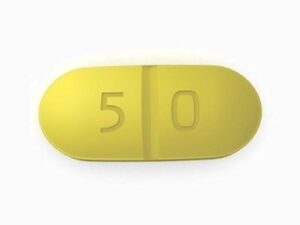
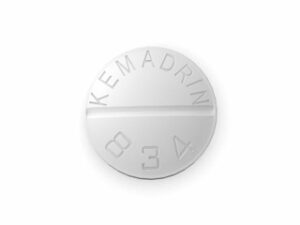
- Common form: Tablets (your pack may vary by strength)
- Important cautions: Do not use with medicines for erectile dysfunction (PDE5 inhibitors) or riociguat
Basic product information
| Category | Details |
|---|---|
| Medicine name | Isordil |
| Generic name | Isosorbide dinitrate |
| Medicinal group | Nitrate / anti-anginal (vasodilator) |
| Main benefit | Helps prevent angina by improving coronary blood flow and reducing cardiac workload |
| Typical route | Oral (tablets) |
If you have questions about your specific tablet strength or formulation, check the packaging or ask a pharmacist.
How Isordil works (mechanism of action)
Isosorbide dinitrate belongs to the nitrate family of medicines. It works mainly by releasing nitric oxide, which relaxes and widens blood vessels.
- Vein widening (venodilation): Helps reduce the amount of blood returning to the heart (lower “preload”).
- Artery widening (arterial dilation): Reduces resistance the heart must pump against (lower “afterload”).
- Improved blood flow: Together, these effects reduce the heart’s oxygen demand and can improve oxygen supply to the heart muscle.
In angina, these changes can reduce the frequency and severity of chest pain episodes. Nitrates can also help relieve symptoms that begin during an angina attack, depending on how the product is used and how quickly it acts.
Pharmacokinetics (how the body handles it)
Understanding pharmacokinetics can help you predict timing and duration of benefit. Individual responses vary, and your prescriber/pharmacist may tailor treatment.
- Absorption: Isosorbide dinitrate is absorbed after oral administration.
- Metabolism: It is metabolised primarily in the liver to active and inactive metabolites, including isosorbide mononitrate.
- Onset and duration: Clinical benefit may begin within about 30 minutes for many patients, with effects lasting several hours; exact timing depends on formulation, dose, and your circulation.
- Elimination: Metabolites are eliminated mainly via the kidneys.
Tolerance: Continuous exposure to nitrates can lead to reduced effectiveness in some people (“tolerance”). That is why dosing schedules often aim to include a daily nitrate-free period, where clinically appropriate.
What Isordil is typically used for (indications)
Isordil is used to prevent and treat symptoms related to angina pectoris—chest discomfort due to inadequate blood flow to the heart. It may be used in:
- Stable angina: Chest pain that follows predictable triggers (for example, exertion).
- Variant angina (Prinzmetal’s): Caused by spasm of coronary arteries (use depends on clinical assessment).
- Adjunct therapy: Often alongside other medicines such as beta-blockers or calcium-channel blockers, depending on your plan.
Your clinician may consider Isordil when symptoms are not fully controlled with other anti-anginal options. Do not change your routine or stop suddenly without professional advice.
When and how to take Isordil (timing and dosing principles)
The safest way to dose Isordil depends on your individual condition and the specific tablet strength you have. Always follow the instructions given with your medicine.
Typical dosing approach (general guidance)
- For prevention of angina: Doses are often taken at intervals through the day to maintain symptom control.
- Nitrate-free period: Many schedules include a break during the day to reduce the risk of tolerance.
- Regular use: Nitrates often work best when used consistently rather than only after symptoms start.
How to use tablets
- Take with a glass of water.
- You can usually take it with or without food (see “Food interactions” below).
- Try to take each dose at similar times daily.
If you miss a dose: Take it when you remember unless it is close to the next dose. If it is almost time for your next dose, skip the missed dose. Do not take a double dose.
Dose adjustment and special considerations
- Kidney problems: Your clinician may adjust monitoring depending on your overall health.
- Liver problems: Metabolism occurs in the liver; discuss your condition with a clinician or pharmacist.
- Older adults: Increased susceptibility to low blood pressure may require extra caution.
If you have any relevant medical conditions (especially low blood pressure, dehydration, or heart rhythm problems), speak to a healthcare professional about your suitability.
Food interactions
In general, Isordil can be taken with or without food. Food is not usually expected to substantially affect the main effectiveness.
- If nausea occurs, taking your dose after a small meal may help.
- Avoid dehydration (for example, from vomiting or diarrhoea), because it can worsen the risk of low blood pressure and dizziness.
Alcohol interactions
Alcohol may increase the risk of low blood pressure and dizziness. Because Isordil relaxes blood vessels, combining it with alcohol can sometimes lead to feeling faint or light-headed.
- It may be safer to limit alcohol or avoid it, particularly when starting treatment or changing dose.
- Do not drive or operate machinery if you feel dizzy.
Medicine interactions (important)
Some combinations can be dangerous. Always check with a pharmacist if you are taking other medicines, including those you can buy without a prescription.
Major interactions to avoid
- PDE5 inhibitors for erectile dysfunction (for example, sildenafil, tadalafil, vardenafil): Do not take together. The combination can cause a significant fall in blood pressure.
- Riociguat (used for certain lung and blood pressure conditions): Do not take together. Risk of severe hypotension.
Other interactions / caution
- Other blood-pressure-lowering medicines (including some antihypertensives): may increase dizziness or faintness.
- Medicines that affect blood pressure (including some antidepressants and antipsychotics): may add to blood pressure-lowering effects.
- Riociguat and nitrates are particularly important—always ensure your prescriber knows all your current medicines.
- Some “cold/flu” products may contain ingredients that influence circulation or blood pressure—check labels or ask a pharmacist.
If you are unsure whether a medicine might interact with Isordil, it’s safest to ask before taking it.
Safety profile and common side effects
Like all medicines, Isordil can cause side effects. Not everyone gets them. Many side effects relate to blood vessel widening (for example, headache and dizziness).
Common side effects
- Headache (very common)
- Dizziness or light-headedness
- Low blood pressure (hypotension)
- Flushing (warmth/redness)
- Feeling sick (nausea)
Less common but important effects
- Fast heartbeat or palpitations
- Fainting (especially after standing quickly or if you are dehydrated)
- Worsening angina in rare cases if dosing is incorrect or if tolerance occurs
Seek urgent medical help if
- You have symptoms of a severe allergic reaction (swelling of face/lips, difficulty breathing, severe rash)
- Chest pain becomes severe, different from usual, or does not improve as expected
- You faint or have severe dizziness
Contraindications and who should be extra cautious
Isordil may not be suitable for everyone. Typical reasons for avoiding nitrates include certain cardiovascular conditions and situations where blood pressure is already too low.
- Very low blood pressure or shock
- Severe anaemia (reduced oxygen-carrying capacity)
- Conditions where reduced blood pressure is particularly dangerous (your clinician will assess)
- Concomitant use with riociguat or PDE5 inhibitors (avoid)
If you have a history of fainting, low blood pressure, or heart conditions beyond angina, discuss this before starting treatment.
Practical use tips (make it easier to take safely)
- Rise slowly: If you feel dizzy, stand up gradually from sitting or lying positions.
- Headache strategy: Headaches are common at the start. Many improve as your body adjusts—however, severe or persistent headaches should be discussed with a pharmacist or clinician.
- Do not “double up”: If you miss a dose, follow the missed-dose guidance rather than taking extra tablets.
- Keep a routine: Consistency helps prevent angina episodes and supports the planned nitrate-free interval.
- Monitor symptoms: Note what triggers your angina (exercise, stress, cold weather) and whether the medicine is helping.
- Check your blood pressure if advised: Some patients benefit from home checks, especially when starting or adjusting therapy.
- Hydration matters: Dehydration increases the risk of dizziness and hypotension.
If your chest pain changes pattern or becomes more frequent despite treatment, contact a clinician promptly.
Timing around angina attacks (what to expect)
Many people use nitrates to prevent angina or to manage symptoms early. How quickly Isordil works depends on your tablet formulation and individual factors.
- Prevention approach: If your angina is predictable (e.g., during exertion), timing your doses before usual triggers can help.
- During an attack: If your treatment plan includes taking a nitrate for acute relief, take it exactly as instructed. Do not exceed the recommended dosing frequency.
If you use Isordil for prevention, continue it regularly even if you feel well—angina control often depends on steady dosing.
Alternative options for angina
Anti-anginal medicines differ in how they work and how they are taken. Depending on your health profile, your clinician might consider:
- Beta-blockers (e.g., metoprolol, bisoprolol): reduce heart rate and oxygen demand.
- Calcium-channel blockers (e.g., amlodipine, diltiazem, verapamil): reduce vascular tone and can help certain forms of angina.
- Long-acting nitrates or other nitrate preparations: for ongoing prevention (your suitability depends on tolerance and dosing schedules).
- Ranolazine: helps reduce angina episodes in some patients.
- Lifestyle measures and cardiac rehabilitation: exercise guidance, smoking cessation, diet, and stress management can significantly affect symptoms.
- Revascularisation procedures (angioplasty/stent or surgery) when appropriate for underlying coronary blockages.
The best alternative depends on your type of angina, blood pressure, heart rate, kidney/liver function, and other medicines you take.
Market and legal context in the United Kingdom
In the UK, medicines like Isordil are regulated and supplied according to national medicines legislation and pharmacy standards. Anti-anginal medicines are commonly managed through NHS services and private care pathways.
- Regulated supply: Nitrate medicines are subject to UK regulatory controls.
- Safety checks: Pharmacies typically check appropriateness and potential interactions, especially with PDE5 inhibitors and riociguat.
- Patient information: UK pharmacy practice aims to ensure patients understand dosing, side effects, and urgent warning signs.
If you are purchasing online, reputable pharmacies in the UK follow identity and suitability checks where required. Always ensure you are using a legitimate UK-registered pharmacy website.
Recent guidance and clinical considerations
Clinical recommendations for angina management evolve over time based on evidence and guideline updates. Key themes commonly emphasised in modern practice include:
- Optimising long-term prevention with medicines tailored to angina type.
- Reducing cardiovascular risk (for example, controlling blood pressure, cholesterol, and diabetes; encouraging smoking cessation).
- Recognising nitrate tolerance and using dosing schedules that include appropriate nitrate-free intervals when clinically suitable.
- Reviewing safety with interaction checks, particularly avoiding PDE5 inhibitors and riociguat.
If you notice reduced benefit over time, increased side effects, or more frequent angina episodes, discuss it promptly—your regimen may need review.
Delivery and availability (UK)
Availability can vary depending on the pharmacy and current stock levels. Many online pharmacies offer delivery to UK addresses and provide estimated delivery times at checkout.
- Dispatch times: Often depend on whether the item is in stock locally.
- Delivery options: Some pharmacies offer standard and express delivery.
- Packaging: Products are typically supplied in manufacturer packaging with patient information leaflets or summaries where required.
For the most accurate details, check the delivery information shown on the website before completing your order.
FAQ – Isordil (Isosorbide dinitrate)
1) What is Isordil used for?
Isordil is used to help prevent (and sometimes relieve) symptoms of angina by improving blood flow and reducing the heart’s workload.
2) How fast does Isordil work?
Many patients experience effects within about 30 minutes, but timing varies. Your product’s specific formulation and your personal response can influence onset and duration.
3) Can I take Isordil with food?
Usually, yes. Isordil can typically be taken with or without food. Taking it with food may reduce nausea for some people.
4) Can I drink alcohol while taking Isordil?
It’s best to limit alcohol. Alcohol may increase the risk of dizziness or low blood pressure when combined with nitrates.
5) What should I do if I miss a dose?
Take it when you remember unless it is close to the next dose. If it’s near the next dose, skip the missed dose. Do not take a double dose.
6) What medicines must not be taken with Isordil?
Avoid taking Isordil with PDE5 inhibitors (such as sildenafil or tadalafil) and riociguat. This combination can cause severe blood pressure drops.
7) Is Isordil safe for everyone?
Not necessarily. If you have low blood pressure, shock, severe anaemia, or other specific cardiovascular conditions, Isordil may not be suitable. Always check with a healthcare professional if you are unsure.
8) Why do I get headaches from nitrates?
Headache is common because nitrates widen blood vessels. It often improves as your body adjusts, but severe or persistent headaches should be discussed with a clinician or pharmacist.
9) Can Isordil cause dizziness?
Yes. Dizziness can occur due to lower blood pressure. Stand up slowly and avoid driving or operating machinery if you feel unsteady.
10) If my angina gets worse, what should I do?
Contact a clinician promptly. Seek urgent help if chest pain is severe, new, different, or does not improve as expected.
Important patient reminder
This information is intended as a helpful guide for patients in the UK. It cannot replace the advice of a healthcare professional. If you have any concerns about side effects, interactions, or how to take your medicine, speak to a pharmacist or clinician for personalised guidance.