
Lithobid (Lithium)
Lithobid is a brand of lithium medicine, commonly supplied as a prolonged-release formulation. It is used to help stabilise mood in conditions such as bipolar disorder and to reduce the risk of future mood episodes. Because lithium levels in the body must be kept within a safe, effective range, careful monitoring and consistent use are important.
Quick facts
| Feature | What you should know |
|---|---|
| Medicine | Lithobid (lithium) |
| Type | Prolonged-release lithium (extended-release) |
| Common uses | Maintenance treatment for bipolar disorder; reducing relapse; sometimes used for specific mood patterns as advised |
| How it works | Helps stabilise brain signalling to reduce the risk of manic and depressive episodes |
| Monitoring | Blood tests for lithium levels and kidney/thyroid function are typically needed |
| Key safety point | Lithium can become toxic if levels rise (for example, through dehydration, dose changes, or interacting medicines) |
| Food | Food generally does not have a major effect, but consistency is helpful; avoid sudden drastic diet changes that affect hydration |
Basic product information
- Active ingredient: Lithium (as lithium salts; Lithobid is a prolonged-release preparation).
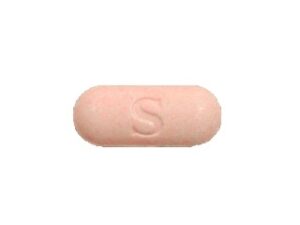
- Presentation: Tablets designed to release lithium gradually over time.
- Therapeutic role: A mood stabiliser used for long-term management.
- Why monitoring matters: The difference between an effective dose and a toxic dose can be narrow, so blood levels are routinely checked.
How Lithobid works (mechanism of action)
Lithium is a mood stabiliser. Its exact mechanism is complex and not limited to a single pathway, but several brain and cellular effects are thought to contribute:
- Modifying neurotransmission: It influences signalling in brain pathways involved in mood regulation.
- Impact on second messengers: Lithium affects intracellular signalling systems (including pathways linked to mood and stress response).
- Long-term stability effects: Rather than “quickly calming” mood in the same way as some short-acting medicines, lithium is most valuable for helping prevent episodes over time.
Pharmacokinetics (how the body handles lithium)
Understanding how lithium is processed can help explain why consistency and monitoring are essential.
Absorption
With prolonged-release products like Lithobid, lithium is absorbed more slowly and steadily than immediate-release forms. This aims to reduce sharp peaks in blood levels and improve tolerability.
Distribution
Lithium distributes throughout the body, including the brain. It is not extensively metabolised by the liver; instead, it is largely handled by the kidneys.
Elimination
Lithium is mainly excreted by the kidneys. Its clearance depends on kidney function and hydration status. If the kidneys are working less effectively, or if fluid balance changes (e.g., dehydration), lithium can accumulate.
Half-life (time to reduce level)
Lithium has a relatively long half-life. This means changes to dosing, hydration, or interacting medicines may take time to fully reflect in blood levels—and conversely, lithium may take time to leave the body if levels rise.
Typical use in the UK
In clinical practice in the UK, lithium is used for:
- Maintenance treatment for bipolar disorder (helping prevent recurrence of manic and depressive episodes).
- Reducing relapse risk in patients where lithium has proved effective.
- Other situations where a specialist may consider lithium based on individual response and risk–benefit assessment.
Your healthcare team may use lithium as part of a broader long-term plan, sometimes alongside other medicines and non-medicinal supports (such as psychological therapy, sleep regularity, and lifestyle planning).
When and how to take Lithobid (timing)
Because Lithobid is prolonged-release, it is designed for steady levels throughout the day. Follow the dosing schedule provided by your clinician and the instructions on the pack.
General timing principles
- Take at the same time(s) each day to keep blood levels stable.
- Maintain consistent hydration (especially during hot weather, illness, or heavy exercise).
- Be cautious with dose timing changes: switching from one routine to another can affect lithium levels.
- If you miss a dose: do not double the next dose. Take advice from your healthcare professional or pharmacist on what to do in your specific situation.
Food interactions
Food does not usually have a major direct effect on lithium in the way that some other medicines do. However, food and drink can influence your overall hydration and salt balance.
- Stay consistent with your usual diet, especially regarding salt intake and regular fluid consumption.
- During diarrhoea or vomiting: take extra care with hydration and seek medical advice promptly, as dehydration can increase lithium levels.
Alcohol interactions
Alcohol can indirectly affect lithium safety by influencing hydration, sleep patterns, and overall health. While moderate alcohol may not be an immediate direct interaction for everyone, combining alcohol with lithium can increase risk of dehydration and impaired judgement.
- Be cautious: avoid heavy drinking or frequent binge patterns.
- If you do drink: hydrate well and avoid sudden changes in fluid intake.
- Get advice urgently if you become unwell (e.g., persistent vomiting) after drinking, as dehydration can raise lithium levels.
Medicine interactions (important)
Lithium interacts with a number of medicines, mainly because several drugs affect kidney function or sodium balance—both of which influence lithium clearance. Always check with your pharmacist or clinician before starting, stopping, or changing doses of any medicine.
Common interaction categories
- NSAIDs (non-steroidal anti-inflammatory drugs) such as ibuprofen and naproxen: can increase lithium levels by reducing renal clearance.
- ACE inhibitors and ARBs (for blood pressure or heart conditions): may increase lithium levels.
-
Diuretics (water tablets):
- Thiazide diuretics may increase lithium levels.
- Loop diuretics may also affect lithium handling; the overall effect depends on the specific drug and patient factors.
- Some antibiotics and other medicines may affect lithium levels or kidney function—individual advice is essential.
- Non-prescription products (including certain cold/flu remedies) may contain ingredients that affect fluid balance or kidney function indirectly.
- Herbal supplements: some “natural” products may affect hydration, kidney function, or interact with prescribed medicines. Check first.
If you are already taking interacting medicines, your prescriber may still use them with lithium, but this usually requires closer monitoring and possible dose adjustments.
Indications (what Lithobid is used for)
Lithobid is indicated for:
- Bipolar disorder as a maintenance treatment to help prevent recurrent episodes.
- Long-term mood stabilisation for patients who respond to lithium and require relapse prevention.
Treatment decisions depend on individual factors such as symptom pattern, past response, kidney and thyroid function, and risk of side effects.
Dosing and how it’s typically managed
Lithium dosing is individual. It is commonly initiated at a cautious dose and then adjusted based on: blood lithium levels, kidney function, tolerability, and clinical response.
How dosing is usually approached
- Start low and adjust gradually: to reduce side effects and avoid sudden level changes.
- Use blood tests to guide dosing: lithium levels are measured at planned intervals.
- Consider kidney function and age: reduced kidney function can increase lithium exposure.
- Stable routine: consistent daily timing and hydration supports stable levels.
Monitoring schedule (typical)
While your clinician will tailor monitoring, lithium therapy often involves:
- Lithium blood level checks after starting or changing dose and periodically during maintenance.
- Kidney function tests (e.g., creatinine/eGFR).
- Thyroid function tests (lithium can affect thyroid hormone levels).
- Regular clinical reviews to assess mood stability and side effects.
If you have symptoms that could suggest high lithium levels or toxicity, monitoring may be required sooner.
Safety profile and side effects
Lithium is effective for many people, but it requires careful management because blood levels that are too high can lead to serious harm. Report side effects promptly, especially if they are worsening.
Common side effects
- Tremor (shakiness)
- Increased thirst and frequent urination
- Nausea or stomach discomfort
- Diarrhoea
- Weight gain
- Mild tiredness or reduced concentration
Serious risks (when to seek urgent medical help)
Seek urgent medical advice if you suspect lithium toxicity. Symptoms can include:
- Severe or worsening tremor
- Unsteadiness, difficulty walking, slurred speech
- Confusion, unusual drowsiness, agitation, or seizures
- Persistent vomiting or severe diarrhoea
- Severe dizziness, severe weakness
Toxicity risk increases with dehydration, kidney impairment, overdose, or interacting medicines. If you become significantly unwell (especially with vomiting/diarrhoea), contact a healthcare professional promptly.
Long-term safety considerations
- Kidney effects: lithium can affect kidney function over time; ongoing monitoring is important.
- Thyroid effects: lithium may cause hypothyroidism in some people; thyroid tests are usually performed.
- Electrolyte and fluid balance: kidney handling of salt and water influences lithium levels.
Practical use tips for everyday life
Keep lithium levels stable
- Maintain steady fluid intake and avoid dehydration.
- Be consistent with salt intake—major sudden reductions can increase lithium levels in some people.
- Plan for illness: if you develop vomiting or diarrhoea, contact a clinician for advice quickly. Do not wait for routine appointments if symptoms are significant.
- Inform healthcare providers that you take lithium before any new treatment.
Handling missed doses or changes
- If you miss a dose, do not “catch up” by doubling unless advised.
- If your dose is changed, lithium blood levels may need rechecking after the new regimen settles.
- If you stop lithium, do this only under clinician guidance, as stopping suddenly may increase relapse risk.
Driving and alertness
Many people taking lithium can drive safely, but side effects such as tremor, dizziness, or fatigue can occur. If you notice impaired alertness or unsteadiness, avoid driving and seek advice.
Alternative options
Depending on your specific diagnosis, symptom pattern, and previous response, clinicians may consider other mood stabilisers or add-on treatments. Options can include:
Common alternatives in bipolar disorder management
- Valproate (where appropriate and suitable for the individual’s risk profile).
- Carbamazepine.
- Lamotrigine (often used especially for bipolar depression prevention in many treatment strategies).
- Atypical antipsychotics used for mood episodes and maintenance in selected patients.
Choice of alternative depends on your health history, kidney and thyroid function, side-effect tolerance, interactions with other medicines, and pregnancy considerations where relevant.
Market and legal context in the UK
In the UK, medicines containing lithium are regulated and dispensed under established medicines governance. Ongoing safety monitoring, pharmacovigilance, and prescribing practices aim to protect patients due to the medicine’s narrow therapeutic range.
The Medicines and Healthcare products Regulatory Agency (MHRA) oversees medicines safety in the UK. Healthcare professionals follow guidance from national and professional bodies, including approaches to monitoring for lithium and managing interactions.
Recent guidance and monitoring emphasis
While exact recommendations can evolve, current UK practice consistently reinforces key principles for lithium therapy:
- Regular blood level monitoring after initiation and dose changes, and periodically thereafter.
- Kidney and thyroid monitoring throughout treatment.
- Clear patient education on dehydration, illness (“sick day” advice), and interacting medicines.
- Careful review of medicines that can raise lithium levels (particularly NSAIDs, certain blood pressure medicines, and diuretics).
If you want, share your current medicines with your pharmacist—this can help identify interaction risks before you start (or when you change) therapy.
Delivery and availability (UK)
Availability can vary by manufacturer and supply chain conditions. When Lithobid is in stock, dispatch times may be fast; however, prolonged-release lithium products can occasionally face temporary delays. Your online pharmacy may show an estimated dispatch/ delivery date during checkout.
- Stock status: check the product page for current availability.
- Delivery timeframe: commonly delivered within the advertised UK delivery window depending on carrier and address type.
- Packaging: medicines are typically supplied in secure, tamper-evident packaging.
- Storage: store according to pack instructions (often at room temperature, away from moisture and heat).
If Lithobid is temporarily unavailable, ask your pharmacy about alternative lithium brands or similar prolonged-release options, where clinically appropriate.
FAQ
1) How long does it take for Lithobid to work?
Lithium is primarily used for long-term prevention. Some people notice mood stabilisation over weeks, but the full benefit for relapse prevention may take longer. Your clinician will tailor expectations based on your history and current symptoms.
2) Do I need blood tests while taking lithium?
Yes. Monitoring is an important safety feature of lithium treatment. Blood tests help ensure your lithium level is within the target range and that kidney and thyroid function remain healthy.
3) Can I take painkillers like ibuprofen with Lithobid?
NSAIDs (including ibuprofen) can increase lithium levels in some people and may raise toxicity risk. Ask your pharmacist for safe pain-relief options for your situation and preferred monitoring.
4) What should I do if I get vomiting or diarrhoea?
Contact a healthcare professional promptly. Vomiting/diarrhoea can cause dehydration, which may increase lithium levels. Follow your clinician’s “sick day” instructions if you have been given them.
5) Can I change my salt intake?
Avoid sudden drastic changes in salt intake. If you plan dietary changes, discuss them with your clinician or pharmacist, as lithium handling can be affected.
6) Is alcohol safe on lithium?
Alcohol is not usually described as a direct lithium interaction, but it can increase dehydration risk and affect your overall wellbeing. Keep intake moderate and focus on hydration; seek advice if you feel unwell.
7) What are the signs of lithium toxicity?
Symptoms can include severe diarrhoea/vomiting, worsening tremor, unsteadiness, confusion, slurred speech, or unusual drowsiness. If you suspect toxicity, seek urgent medical advice.
8) Can I stop Lithobid suddenly?
Do not stop lithium abruptly unless your clinician tells you to. Stopping can increase the risk of mood relapse. If side effects occur, discuss options rather than stopping on your own.
9) Are there alternatives if I can’t tolerate lithium?
Yes. Depending on your needs, other mood stabilisers or medicines may be considered. Your clinician can help balance benefits and side effects for your specific case.
10) How should I store Lithobid?
Store according to the instructions on the pack. Keep tablets in their original packaging and protect from moisture and excessive heat. Keep out of reach of children.