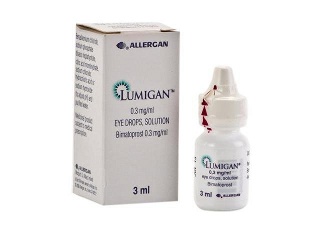
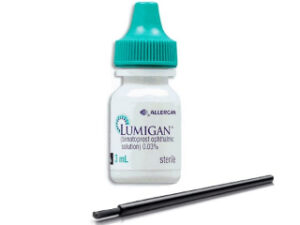
Lumigan (Bimatoprost) – Patient-Friendly Guide (UK)
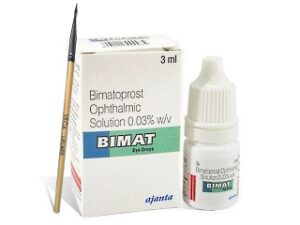
Lumigan is a medicine containing bimatoprost. It is used to lower eye pressure in certain conditions, helping to protect the optic nerve and reduce the risk of glaucoma-related vision loss. This guide explains how Lumigan works, how it is used, and what to expect—written for patients in the United Kingdom.
Key facts about Lumigan
- Active ingredient: Bimatoprost
- Where it’s used: Eye (ophthalmic use)
- Common forms: Eye drops (typically once daily, depending on the product strength and country packaging)
- Main purpose: Helps reduce intraocular pressure (IOP)
- Typical use schedule: Usually once daily in the evening
What Lumigan is used for (indications)
Lumigan is used for eye conditions where lowering intraocular pressure is beneficial. In the UK, it is commonly prescribed for:
- Open-angle glaucoma (a form of glaucoma where the drainage angle remains open)
- Ocular hypertension (higher-than-normal eye pressure without confirmed glaucoma damage)
By lowering eye pressure, Lumigan may help slow the progression of glaucoma and reduce the risk of further optic nerve damage.
How Lumigan works (mechanism of action)
Bimatoprost is a prostamide-related compound. While the exact biological pathways are complex, its practical effect is to help the eye increase fluid outflow, thereby lowering intraocular pressure.
In general terms, bimatoprost:
- Improves drainage of aqueous humour (the fluid inside the eye)
- May affect pathways linked to outflow, including uveoscleral outflow
- Reduces intraocular pressure over time
Important: Lumigan does not “cure” glaucoma. It supports long-term eye health by controlling eye pressure. You should keep using it regularly, even if your vision feels normal.
Pharmacokinetics (what the body does with bimatoprost)
After applying Lumigan to the eye, bimatoprost acts locally. A small amount may enter the bloodstream systemically. Systemic levels are generally low and not expected to cause widespread effects when used as directed.
- Onset of action: Pressure-lowering typically begins within hours, with fuller effect building over time.
- Distribution: Bimatoprost is processed in the body after absorption.
- Metabolism: It is metabolised primarily in the body.
- Elimination: Mainly cleared via metabolic breakdown and excretion.
Individual response can vary, so consistent daily use is important for stable pressure control.
When and how to take Lumigan (timing and dosing)
Typical dosing schedule
For most Lumigan eye drop regimens in the UK, the usual approach is:
- Once daily
- In the evening (commonly around bedtime)
Your exact dose will depend on the product strength and your clinician’s instructions. Always follow the dosing plan on your medicine label.
Step-by-step practical use tips
- Wash your hands.
- Shake is usually not required unless the packaging instructions say otherwise.
- Open the bottle and avoid touching the dropper tip to the eye or surrounding skin.
- Lean your head back.
- Pull the lower eyelid down gently to form a small pocket.
- Place one drop into the eye pocket without letting the tip touch the eye.
- Close the eye and press lightly at the inner corner (near the nose) for about 1 minute. This can help reduce drainage into the tear duct and may improve effectiveness.
- Keep the eye closed briefly (around 1–2 minutes).
- If you are using more than one eye medicine, wait at least 5 minutes between different drops unless your clinician advises otherwise.
What if you miss a dose?
If you forget a dose, apply it when you remember—unless it is close to the time for your next dose. Do not use extra drops to make up for a missed dose.
Duration of treatment
Glaucoma and ocular hypertension are typically long-term conditions. Lumigan is generally used as a long-term daily treatment. Do not stop unless advised by a healthcare professional.
Food interactions
Lumigan is administered as eye drops and acts mainly locally in the eye. There are no known clinically important food interactions expected with bimatoprost eye drops.
In general, you can take Lumigan with or without food. If you are taking other medicines, focus on the eye-drop timing and spacing rather than meal times.
Alcohol and medicine interactions
Alcohol
There is no direct, specific alcohol interaction expected with bimatoprost eye drops because systemic absorption is usually low. However, alcohol can sometimes worsen dry eye symptoms, which may increase irritation or discomfort.
If you notice burning, redness, or dryness after drinking alcohol, consider reducing intake and seek advice if symptoms persist.
Interactions with other medicines
Bimatoprost is less likely than many tablets to cause drug–drug interactions because it is used locally. Still, tell your clinician or pharmacist about all medicines you use, including:
- Other eye drops (especially prostaglandin analogues)
- Eye ointments
- Anti-inflammatory medicines (if relevant)
- Any known allergies to eye medicines
In practice, patients should be cautious about using other glaucoma drops unless prescribed together, because some combinations may increase eye effects or reduce control. Always follow your clinician’s plan for which drops to use and when.
Safety profile and potential side effects
Common side effects
Like all medicines, Lumigan can cause side effects. The most commonly reported are eye-related. Many effects are mild and may improve after continued use.
- Redness of the eye (conjunctival hyperaemia)
- Itching or irritation
- Dry eye or a gritty sensation
- Watery eyes
- Eye discomfort or burning
- Changes to eyelash appearance (often longer, thicker or darker lashes)
- Possible pigmentation changes around the eye (skin tone changes) in some people
Less common but important side effects
- Inflammation inside the eye (uveitis-like symptoms)
- Blurred vision shortly after instillation (usually temporary)
- Corneal effects, especially in people with risk factors (e.g., prior corneal problems)
- Macular changes (rare; higher concern in people with specific risk factors)
When to seek urgent advice
Contact a healthcare professional promptly (or seek urgent eye care if severe) if you experience:
- Severe eye pain
- Significant light sensitivity
- Sudden vision changes
- Worsening redness or swelling
- No improvement or symptoms that rapidly worsen
Who should be extra careful
Speak to a clinician before use if you have:
- Current eye inflammation or infection
- Corneal disease or a history of corneal injury
- Macular problems (e.g., macular oedema history)
- Past reactions to glaucoma eye drops
Practical use considerations
Contact lenses
If you wear contact lenses, ask your pharmacist or clinician for specific advice. In many cases, lenses may need to be removed before using drops and replaced after a suitable interval. This helps reduce the risk of irritation and ensures the medication is delivered properly.
Eyelash and pigmentation changes
Bimatoprost can cause changes to eyelashes and may increase pigmentation around the eyes. This is usually cosmetic but may be significant for some people. Discuss any concerns with your clinician—especially if you develop persistent irritation or signs of inflammation.
Avoid contamination
- Do not let the dropper tip touch the eye.
- Keep the bottle cap closed when not in use.
- Follow any storage directions on the label.
Driving and eyesight
If your vision blurs briefly after applying the drop, avoid driving or operating machinery until your vision clears.
Alternatives to Lumigan (bimatoprost)
In the UK, several glaucoma and ocular hypertension treatments exist. Which option is best depends on your eye pressure, response, side effects, and your broader health.
Common categories of alternatives
- Other prostaglandin analogues (often once daily in the evening; examples include medicines in the same functional class as bimatoprost)
- Beta-blocker eye drops (commonly used for eye pressure control)
- Alpha-agonists (can reduce eye pressure)
- Carbonic anhydrase inhibitors (reduce fluid production)
- Combination drops (two medicines in one bottle)
If Lumigan causes bothersome redness or irritation, your clinician may adjust treatment, switch to another option, or add supportive measures. Do not switch or stop without professional guidance.
Market and legal context for the UK
Lumigan (bimatoprost) is an established eye medicine used in the UK for glaucoma and ocular hypertension. Eye medicines are regulated and manufactured to meet UK safety and quality standards. In the UK, medicines such as Lumigan are supplied according to NHS and/or pharmacy guidance, and the availability of specific strengths or brands can vary by supplier.
Patient-facing information is also shaped by updated clinical recommendations and safety communications published by UK health authorities and professional bodies. Always check that the product you receive matches the strength and formulation you were advised to use.
Recent guidance (high level)
Recent years have reinforced the importance of:
- Adherence to once-daily eye drop timing for sustained intraocular pressure control
- Monitoring for side effects, especially eye redness, irritation, and any unusual visual symptoms
- Regular ophthalmology follow-up to review eye pressure and optic nerve status
- Correct drop administration technique to reduce waste and improve effectiveness
Your local ophthalmology team may also provide specific advice on how to integrate treatment with other eye drops and how to manage dry eye symptoms.
Delivery and availability in the UK
Lumigan is commonly available through UK pharmacies, subject to supply arrangements and the product strength you require. If a particular pack size or strength is temporarily unavailable, pharmacies may offer an alternative matching the prescribed formulation.
Typical delivery expectations
- Dispatch time: Often within 1–2 working days (varies by provider).
- Delivery window: Usually 2–3 working days, depending on your location and courier.
- Order tracking: Many pharmacies provide tracking updates.
Cold chain
Lumigan eye drops do not typically require specialist cold-chain delivery. Always store the product according to the instructions on the pack.
Packaging and checking on arrival
- Check the name and strength on the label.
- Confirm the expiry date and ensure the bottle seal is intact.
- If anything seems damaged or unusual, contact the pharmacy before using.
How to store Lumigan
- Keep out of sight and reach of children.
- Store according to the temperature instructions on the pack.
- Do not use after the expiry date.
- Follow any instructions about discard date after opening (if stated on packaging).
Frequently Asked Questions (FAQ)
Is Lumigan the same as other glaucoma drops?
Lumigan contains bimatoprost. Other glaucoma drops may contain different active ingredients and can have different dosing schedules and side effects. Your clinician chooses a specific medicine based on how your eyes respond and your medical history.
How quickly will Lumigan lower my eye pressure?
Pressure lowering typically begins within hours, but maximum effect may take several days of consistent use. Continue using it every day as directed to maintain stable control.
What time in the evening should I use it?
Use it once daily in the evening, ideally at a consistent time. If you accidentally use it earlier or later than usual, don’t double up—just resume your regular schedule the next evening. If you’re unsure, check your label or pharmacy advice.
Will Lumigan affect my eyelashes?
It may. Some people notice longer, thicker, or darker eyelashes with bimatoprost. This is a known effect. If you develop irritation, redness, or swelling that persists, contact a healthcare professional.
Can I use Lumigan if I wear contact lenses?
Often, you can use your eye drops, but contact-lens handling rules can vary. Ask your clinician or pharmacist for instructions specific to your lenses and the product guidance.
Can I use Lumigan with other eye drops?
Usually yes, but spacing matters. Wait at least 5 minutes between different eye drops unless advised otherwise. Do not use multiple prostaglandin-type drops at the same time unless instructed.
Is Lumigan safe for long-term use?
Bimatoprost is commonly used as a long-term treatment for glaucoma and ocular hypertension. Long-term use is generally accepted when benefits outweigh risks and when patients receive regular eye monitoring.
What should I do if my eye becomes very red after using Lumigan?
Mild redness can occur. However, if redness is severe, painful, accompanied by light sensitivity, or you notice worsening vision, seek urgent advice from a healthcare professional.
Does Lumigan contain preservatives? Will that matter?
Some eye drops contain preservatives; the specific formulation depends on the product you receive. If you have very dry or sensitive eyes, ask your pharmacist about preservative-free options or supportive treatments.
Can I drink alcohol while using Lumigan?
No direct interaction is expected. However, alcohol can make dryness worse in some people, which may increase discomfort. Listen to your symptoms and seek advice if problems persist.
At-a-glance dosing summary (for quick reference)
| Topic | Typical guidance for Lumigan (bimatoprost) |
|---|---|
| Route | Eye drops (topical ophthalmic use) |
| Frequency | Usually once daily |
| Timing | Commonly in the evening |
| Dose per use | One drop in the affected eye(s) (follow label instructions) |
| If you miss a dose | Use when you remember unless close to next dose; don’t double |
| Between different eye drops | Wait at least 5 minutes unless advised otherwise |
Conclusion
Lumigan (bimatoprost) is an established eye drop treatment used in the UK to lower intraocular pressure in conditions such as open-angle glaucoma and ocular hypertension. When used correctly—usually once daily in the evening—it can help support long-term eye health. As with all eye medicines, take care with administration technique, be aware of possible side effects, and attend regular eye checks.