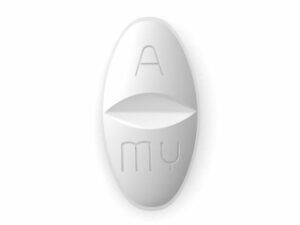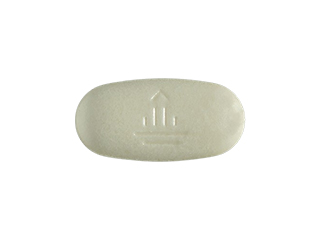


Micardis (Telmisartan) – Patient Information (UK)
Micardis is a brand of telmisartan, a medicine used to treat high blood pressure (hypertension) and, in some people, reduce the risk of certain cardiovascular problems. This guide explains how Micardis works, how it is taken, key safety information, and what to consider in day-to-day life.
Important: This information is for general patient guidance. Always follow the specific advice given by your healthcare professional and read the package leaflet supplied with your medicine.
1) Basic product information
| Feature | Details |
|---|---|
| Generic name | Telmisartan |
| Brand name | Micardis |
| Medicine type | Angiotensin II receptor blocker (ARB) |
| Common strengths | Typically 20 mg, 40 mg, and 80 mg tablets (availability may vary) |
| How it is taken | Oral tablet, usually once daily |
| Who it is for | Adults with high blood pressure; some adults at higher cardiovascular risk |
| Country context | Authorised for use in the UK |
2) How Micardis works (mechanism of action)
Telmisartan belongs to a group of medicines called angiotensin II receptor blockers (ARBs). In your body, angiotensin II is a hormone that narrows (tightens) blood vessels and can raise blood pressure. It may also contribute to strain on the heart and blood vessels.
Micardis blocks the action of angiotensin II at its receptor sites. This helps to:
- Relax blood vessels, lowering blood pressure
- Reduce the workload on the heart
- Help improve blood flow through the body
Because it blocks receptor activity rather than reducing the body’s production of angiotensin, it is often better tolerated than some other medicines in the same “blood pressure pathway” (for example, ACE inhibitors), particularly for people who experience side effects such as persistent cough.
3) Pharmacokinetics – how the body handles telmisartan
Pharmacokinetics describes absorption, distribution, metabolism, and elimination. Understanding these basics can help you time doses and anticipate effects.
Absorption
- After taking Micardis by mouth, telmisartan is absorbed into the bloodstream.
- Food effects are usually modest, but taking it consistently the same way each day is helpful.
Distribution
- Telmisartan is highly protein bound in the blood.
- It distributes into tissues to exert its effect on blood vessel receptors.
Metabolism
- It is processed in the liver (mainly through pathways that do not typically require extensive dose adjustments for mild issues, though your clinician may still monitor your situation).
Elimination
- It is eliminated primarily via bile and faeces.
- It also leaves the body via urine in smaller amounts.
Onset and duration
- Many people notice blood pressure lowering within the first days, but the full effect may take several weeks.
- Telmisartan is designed for once-daily dosing, with blood levels that support 24-hour control for many patients.
4) Typical use in the UK
Micardis (telmisartan) is used in adults for:
- Hypertension (high blood pressure): to reduce blood pressure and lower the risk of cardiovascular complications.
- High cardiovascular risk: in certain adults who cannot take or do not benefit from other approaches, Micardis may be used to reduce risk of events such as stroke, heart attack, and cardiovascular death. Your clinician will decide if this applies to you.
It is commonly prescribed as a long-term medicine. Even if you feel well, controlling blood pressure helps reduce long-term risk.
5) Timing – when to take Micardis
Micardis is usually taken , at the same time each day to help you maintain consistent effect.
- Choose a time you can keep: morning or evening is both acceptable for most people.
- If you miss a dose: take it when you remember unless it is close to your next dose. Do not take a double dose.
- Allow time for effect: blood pressure changes and stabilisation may take several weeks.
If you take other medicines for blood pressure, you may be asked to coordinate timing (e.g., diuretics) to reduce side effects such as increased urination at inconvenient times.
6) Food interactions
Telmisartan can be taken with or without food.
- Food may reduce the rate or extent of absorption in some people (the difference is usually not clinically dramatic).
- For best consistency, take Micardis the same way each day (either always with food or always without food).
7) Alcohol and medicine interactions
Alcohol
Alcohol can lower blood pressure further. When combined with telmisartan, this may increase the chance of dizziness, light-headedness, or fainting, especially when you first start treatment or increase your dose.
- Consider keeping alcohol moderate.
- Take care when standing up quickly.
Other medicines (important interactions)
Some combinations require extra monitoring due to effects on kidney function, potassium levels, or blood pressure.
- Potassium supplements and salt substitutes containing potassium: can raise potassium levels.
- Potassium-sparing diuretics (e.g., spironolactone, eplerenone, amiloride, triamterene): may increase potassium.
- ACE inhibitors (e.g., lisinopril, ramipril) or other ARBs: combining can increase kidney and potassium risks and is usually avoided unless specifically advised.
- Non-steroidal anti-inflammatory drugs (NSAIDs) (e.g., ibuprofen, diclofenac, naproxen): can reduce kidney function and may counter blood pressure lowering, especially in older adults, dehydrated people, or those with existing kidney issues. Short-term use may still be appropriate, but discuss with a clinician or pharmacist.
- Diuretics (“water tablets”): may increase the risk of dizziness or reduced kidney function if dehydration occurs.
- Other blood pressure medicines: may enhance the blood pressure lowering effect; monitoring may be needed.
Always tell your pharmacist or clinician about all medicines you take, including over-the-counter products and herbal supplements.
8) Indications – what Micardis is used to treat
Micardis is indicated for the following adult conditions in the UK:
- Treatment of hypertension (high blood pressure).
- Reduction of cardiovascular morbidity (depending on individual risk factors and suitability), in patients at higher cardiovascular risk.
Your prescriber will consider your health history, kidney function, potassium levels, and any other medications before choosing telmisartan and determining the dose.
9) Dosing – how to take Micardis
Micardis tablets are taken orally. Doses depend on your condition, response, and tolerance. The typical approach in adults includes:
- High blood pressure: starting doses may vary; commonly 40 mg once daily with the potential to adjust.
- Higher blood pressure or insufficient response: the dose may be increased, commonly up to 80 mg once daily.
- Cardiovascular risk reduction: dosing regimens are individualised, and your healthcare professional may select a starting dose and adjust as needed.
Kidney or liver considerations: dosing may need adjustment in people with liver impairment (telmisartan is handled by liver pathways). Your clinician will decide based on your results.
Do not change your dose without advice
Blood pressure targets vary by person. If your blood pressure is too low or you experience side effects, it may be adjusted—but this should be guided by healthcare professionals.
10) Safety profile – side effects and when to seek help
Most people tolerate Micardis well, but like all medicines it can cause side effects. The frequency and severity can vary between individuals.
Common or expected side effects
- Dizziness or light-headedness (more likely at the start or after dose increase)
- Fatigue
- Low blood pressure symptoms, especially if dehydrated or when combining with other BP-lowering medicines
- Raised potassium on blood tests (hyperkalaemia)
- Changes in kidney function on blood tests (particularly in people with underlying risk factors)
Less common but important side effects
- Allergic reactions such as rash or swelling (seek advice if you suspect allergy)
- Severe dehydration symptoms if you are unwell (e.g., vomiting/diarrhoea) and continue ARB therapy without medical input
Seek urgent medical help
Contact urgent medical services or seek emergency care if you have:
- Swelling of the face, lips, tongue, or throat
- Severe dizziness or fainting
- Breathing difficulties
- Signs of a serious allergic reaction
Monitoring
Your clinician may monitor:
- Blood pressure
- Kidney function (creatinine/eGFR)
- Potassium levels
Monitoring is especially important when starting therapy, after dose changes, or when you are also taking medicines that affect kidneys or potassium.
11) Practical use tips (daily living)
- Stay hydrated: dehydration increases the chance of dizziness and kidney-related side effects.
- Stand up slowly: if you feel light-headed, rise gradually from sitting/lying positions.
- Keep an eye on blood pressure: home readings can help show whether treatment is working.
- Know your “sick day” plan: if you develop vomiting or diarrhoea, ask your clinician whether to temporarily pause certain medicines (often including those that affect the renin–angiotensin system) to protect kidney function.
- Use consistent routines: taking the tablet at the same time each day improves adherence and helps maintain steady effect.
- Be cautious with NSAID painkillers: regular or high-dose NSAID use may increase kidney risk—check with your pharmacist, especially if you have reduced kidney function.
12) Alternative options (if Micardis isn’t suitable)
If telmisartan is not appropriate due to side effects, interactions, or individual suitability, there are other blood pressure medicines. Alternatives your clinician may consider include:
- Other ARBs (e.g., losartan, valsartan, candesartan)
- ACE inhibitors (e.g., ramipril, enalapril) – some people may not tolerate them
- Calcium channel blockers (e.g., amlodipine)
- Thiazide-like diuretics (e.g., indapamide)
- Beta blockers or other agents depending on heart history and symptoms
Choice depends on your overall health, kidney function, potassium levels, and cardiovascular risk profile.
13) Market & legal context in the UK (overview)
In the United Kingdom, medicines are regulated to ensure quality, safety, and effectiveness. Micardis (telmisartan) is an established antihypertensive option and is generally supplied through standard NHS and community pharmacy channels in line with UK medicines regulations.
For online pharmacy services in the UK, suppliers typically provide:
- Clear product information and dosage guidance on the website
- Compliance with UK medicine standards for labelling, packaging, and storage
- Customer support for delivery and availability
Availability of specific strengths and formulations may vary by supplier and stock levels. Your pharmacist can confirm what is currently in stock.
14) Recent guidance (what usually matters for ARB use)
While guidance can evolve, common clinical priorities for medicines in the ARB group (including telmisartan) typically include:
- Regular blood pressure assessment and adjustment based on response.
- Kidney function and potassium monitoring, especially after starting or changing dose.
- Avoiding unnecessary dual blockade of the renin–angiotensin system (for example, not combining an ARB with an ACE inhibitor unless specifically directed).
- Extra caution when unwell (e.g., dehydration from vomiting/diarrhoea) to protect kidney function.
Your local healthcare pathway may include specific advice for home blood pressure monitoring and targets based on age and health conditions.
15) Delivery and availability (UK online pharmacy)
Delivery options depend on the pharmacy’s service model and the supplier’s dispatch schedule. When ordering online, you may see:
- Estimated delivery times shown at checkout
- Packaging standards to protect tablets during transit
- Updates on stock availability for different strengths (20 mg/40 mg/80 mg)
If a particular strength is temporarily out of stock, you may be offered alternatives where appropriate. If you have a preference for a specific strength, check availability before placing an order.
16) FAQ
How long does it take Micardis to work?
Many people see blood pressure lowering within the first days, but the full effect can take up to several weeks. Continue taking it daily unless you are advised to stop.
Should I take Micardis in the morning or evening?
Either is usually fine. Choose the time that helps you remember and stay consistent. If you experience dizziness at certain times, adjust with professional guidance.
Can I take Micardis with food?
Yes. Micardis can be taken with or without food. For consistency, take it the same way each day.
What should I do if I miss a dose?
Take it when you remember unless it is near the time of your next dose. Do not take two doses together to make up for the missed tablet.
What happens if I stop taking Micardis?
Stopping can cause blood pressure to rise again. If you’re considering stopping, speak to a healthcare professional first so your blood pressure plan can be adjusted safely.
Does Micardis cause cough?
Micardis is an ARB and typically does not cause cough as commonly as ACE inhibitors. However, any persistent or worrying symptom should be discussed.
Can I drink alcohol while taking Micardis?
Small amounts may be fine for many people, but alcohol can increase dizziness by lowering blood pressure. Keep alcohol moderate and be cautious, especially at the start of treatment or after dose increases.
Are there any painkillers I should avoid?
Frequent use of NSAIDs (such as ibuprofen or diclofenac) may affect kidney function and reduce blood pressure control in some people. If you need regular pain relief, discuss options with your pharmacist.
Who should be extra careful with Micardis?
Extra caution is often needed if you have:
- Kidney problems
- Liver impairment
- High potassium levels or conditions that raise potassium
- Dehydration risk (for example, during severe diarrhoea or vomiting)
Can Micardis affect potassium levels?
Yes. Telmisartan can raise potassium in some people. Your clinician may check blood tests, particularly if you take potassium supplements or medicines that affect potassium.
Is Micardis suitable for everyone?
No. Suitability depends on your medical history, current medications, and risk factors. If you have concerns or have had allergic reactions to ARBs, ask your healthcare professional for advice.
Need help choosing the right treatment? If you have questions about strengths, timing, or interactions with your existing medicines, a pharmacist can guide you to the safest option for your situation.