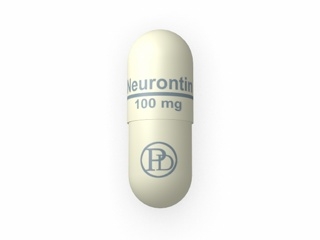
Gabapentin (for the relief of nerve-related pain and other conditions)
Gabapentin is a medicine used in the UK to treat certain types of nerve pain and other specific conditions. It works by affecting the way nerves send signals, which can help reduce symptoms such as burning, shooting, or tingling pain. It may also be used in some situations related to seizures, as advised by a healthcare professional.
This guide is designed to be clear and patient-friendly. It explains how gabapentin works, what to expect, key safety considerations, and practical tips for use in the UK.
Basic product information
| Topic | Details |
|---|---|
| Medicine name | Gabapentin |
| What it’s used for | Nerve pain and certain other conditions (e.g., some seizure-related uses), depending on individual treatment plans. |
| How it works | Modifies signalling in the nervous system by influencing voltage-gated calcium channels (see “Mechanism of action”). |
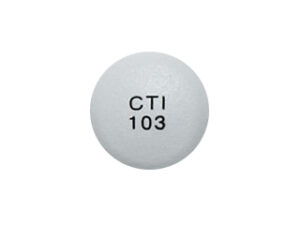
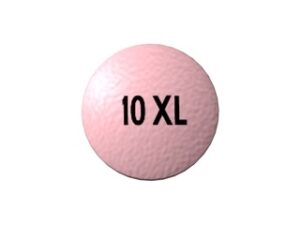
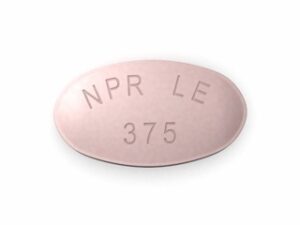
| Common forms | Tablets/capsules (brand and strength may vary by supplier and availability). |
| How it’s taken | By mouth, usually in divided doses throughout the day. |
| Availability in the UK | Gabapentin is an established medicine and is commonly available via UK pharmacies, subject to stock levels. |
Note: Brand names and strengths can vary. Always use the strength and instructions on your packaging or those given by your healthcare professional.
How gabapentin works (mechanism of action)
Gabapentin is an anticonvulsant medicine that is widely used for nerve pain. While it does not behave like classic painkillers (such as paracetamol or ibuprofen), it can help calm overactive nerve signalling.
- Targets nerve signalling pathways: Gabapentin binds to a specific part of nerve cells known as the alpha-2-delta subunit of voltage-gated calcium channels.
- Reduces “excess” nerve firing: By altering calcium channel activity, gabapentin can help reduce the release of certain neurotransmitters involved in pain and seizure activity.
- Helps nerve pain symptoms: This may reduce symptoms like burning, shooting pain, tingling, numbness, or pain caused by irritated nerves.
Pharmacokinetics: what the body does with gabapentin
Pharmacokinetics describes how gabapentin is absorbed, distributed, metabolised, and eliminated from the body.
- Absorption: Gabapentin is absorbed from the gut, and absorption can be affected by food.
- Protein binding: It has relatively low binding to blood proteins.
- Metabolism: Gabapentin is not extensively metabolised by the liver.
- Elimination: It is mainly removed from the body through the kidneys. This makes dose adjustments important for people with reduced kidney function.
- Onset and steady state: Some people notice improvement within days, but for many nerve pain conditions, the full effect may take several weeks. The dose is often increased gradually.
Practical takeaway: If you miss doses or change your routine, blood levels may shift, which can affect symptom control.
What gabapentin is typically used for (indications)
In the UK, gabapentin may be prescribed for the following conditions, depending on the individual and the treatment plan:
- Neuropathic pain: Nerve pain such as pain associated with conditions affecting nerves (for example, diabetic neuropathy or post-herpetic neuralgia).
- Some seizure-related conditions: As part of seizure management in certain circumstances.
- Other specialist uses: Occasionally, gabapentin may be used for additional nerve-related symptoms as determined by a clinician.
Important: The exact indication and dosing schedule can vary. Always follow the specific instructions provided for your condition.
Timing and how to take gabapentin
Gabapentin is usually taken by mouth and often in divided doses (for example, morning, afternoon, and evening). Many regimens aim to maintain consistent effect through the day.
- Consistency matters: Try to take doses at roughly the same times each day.
- With or without food: Gabapentin can often be taken with or without food, but food can change absorption (see “Food interactions”).
- Build-up phase: Dose increases may be done gradually to reduce side effects such as dizziness or sleepiness.
If you miss a dose
- Take it as soon as you remember if it is not close to the next dose.
- If it is almost time for the next dose, skip the missed dose.
- Do not double to make up for a missed dose.
Dosing: typical guidance and why it may vary
Dosing varies widely depending on the condition being treated, age, kidney function, and tolerability. Many people start on a lower dose and increase gradually.
Typical approach in clinical practice:
- Start low, go slow: Gradual titration helps reduce dizziness, drowsiness, and unsteadiness.
- Follow your schedule: The exact frequency (e.g., 2–3 times daily) and strength depend on your needs.
- Kidney function affects dosing: Because gabapentin is eliminated by the kidneys, lower doses may be needed in people with reduced renal function.
Always check your packaging and/or clinician’s instructions for your exact dose and schedule.
Food interactions
Food can influence how much gabapentin is absorbed. In many cases, patients are advised to take gabapentin consistently either with meals or without meals so the pattern of absorption remains steady.
- With food: Absorption may increase compared with taking on an empty stomach in some individuals.
- Without food: Some people may absorb less (which can affect symptom control).
Practical tip: If you already know how your body responds, keep your routine similar day-to-day. If you are changing how you take it (for example, switching from with meals to without), discuss it with your pharmacist or clinician.
Alcohol and medicine interactions
Alcohol
Alcohol can increase the risk of side effects from gabapentin, particularly:
- Sleepiness
- Dizziness
- Impaired coordination
- Slower reaction times
Recommendation: If you drink alcohol, do so cautiously and consider avoiding alcohol, especially when starting treatment or after dose increases. If you feel unusually drowsy, do not drive or operate machinery.
Other medicines
Gabapentin may interact with medicines that affect the nervous system. Some combinations can increase drowsiness or increase risk of breathing problems in susceptible individuals.
- Opioids (e.g., morphine, oxycodone): Using opioids together with gabapentin can increase the risk of sedation and breathing difficulties. Clinicians will balance risks and benefits.
- Other sedatives: Medicines such as benzodiazepines or sleeping tablets may increase sleepiness and dizziness when combined.
- Antacids: Certain antacids may affect gabapentin absorption. If you use antacids regularly, ask your pharmacist for spacing advice.
Always tell your pharmacist about all medicines and supplements you use, including over-the-counter products.
Safety profile: common and serious side effects
Like all medicines, gabapentin can cause side effects. Many are mild to moderate and improve as your body adjusts, particularly during gradual dose increases.
Common side effects
- Dizziness
- Sleepiness or fatigue
- Unsteadiness (feeling off-balance)
- Swelling of the legs/ankles (peripheral oedema)
- Dry mouth
- Nausea
- Blurred vision
Serious side effects: seek urgent help
Get urgent medical advice if you experience:
- Severe allergic reaction (swelling of face/lips, difficulty breathing, severe rash)
- Breathing difficulties, especially if combined with opioids or alcohol
- Severe drowsiness or confusion that is not typical for you
- Thoughts of harming yourself or significant changes in mood (contact a clinician promptly)
Stopping gabapentin
Do not stop suddenly unless advised by a clinician. Stopping abruptly can increase the risk of withdrawal-like symptoms and may worsen underlying conditions. Dose reduction is often done gradually.
Practical use tips for everyday life
- Be cautious when starting: Dizziness and sleepiness are common early on. Until you know how gabapentin affects you, avoid risky activities.
- Driving and machinery: If you feel drowsy, dizzy, or unsteady, do not drive or use tools/machinery. Follow local UK guidance and your clinician’s advice.
- Hydration and balance: If you experience unsteadiness, move slowly when standing and consider fall-prevention at home.
- Keep a symptom diary: Track pain intensity, sleep quality, and side effects. This can help fine-tune dose timing and evaluate response.
- Consistency with meals: Take it the same way each day (with or without food) to maintain predictable absorption.
- Kidney health matters: If you have kidney disease, ensure your clinician knows, as dosing may need adjustment.
Alternative treatment options
Depending on your condition, healthcare professionals may consider different medicines or non-drug approaches. Alternatives may include:
- Pregabalin (often used for similar nerve pain indications; dosing and side effects differ).
- Antidepressants for neuropathic pain (e.g., certain types used in nerve pain management).
- Topical treatments for localised neuropathic pain (e.g., lidocaine patches/creams where appropriate).
- Strong painkillers (opioids) in selected situations, typically with caution and careful monitoring.
- Non-drug options such as physiotherapy, nerve-targeted approaches, cognitive behavioural therapy, or lifestyle adjustments.
Discuss alternatives with a pharmacist or clinician—especially if you cannot tolerate gabapentin or if it does not provide sufficient benefit.
Market and legal context in the United Kingdom
In the UK, gabapentin is an established prescription-only medicine in many cases and is supplied through community and hospital pharmacies. Supply and use are governed by UK medicines legislation and regulatory guidance. Medicines classification, storage requirements, and prescribing/supply rules are designed to ensure safe use.
Because gabapentin affects the nervous system and may cause drowsiness, UK healthcare practice includes guidance on safe use, particularly with other sedating medicines.
Controlled and monitored use: Gabapentin is monitored like other medicines that can be misused or associated with adverse effects when combined with sedatives or opioids. Patients are encouraged to follow dosing exactly and avoid sharing medicine.
Recent guidance and evolving recommendations (UK context)
Clinical guidance in the UK for neuropathic pain and seizure-related conditions evolves as evidence changes. In recent years, UK healthcare professionals have emphasised:
- Careful assessment of benefit vs. side effects, especially for nerve pain where patients may experience dizziness or sleepiness.
- Appropriate use with caution when combining medicines that can cause sedation (for example, opioids or benzodiazepines).
- Gradual titration and gradual withdrawal to reduce adverse effects and withdrawal risks.
- Individualised dosing, with particular attention to kidney function and older age.
If you are starting gabapentin or adjusting your dose, it’s wise to review your plan with a healthcare professional—especially if you have comorbidities or take multiple medicines.
Delivery and availability (UK)
Gabapentin availability can vary depending on local pharmacy stock and the strength/pack size you need. Online pharmacies in the UK typically offer:
- Checking availability in real time before dispatch (where systems allow).
- Delivery options such as standard and express, depending on the supplier and region.
- Careful packaging to protect tablets/capsules and support safe handling.
What to expect: Dispatch timelines depend on prescription/authorisation status (where applicable), supplier processing, and stock levels. Some pharmacies may offer delivery within 1–2 working days for in-stock items, with options for scheduled delivery.
Tip: If you need a specific strength or pack size, confirm availability before placing an order.
FAQ about gabapentin
1) How long does gabapentin take to work?
Some people notice changes within days, but for neuropathic pain, it often takes several weeks to see the best effect—especially when doses are increased gradually.
2) Can I take gabapentin with food?
Yes, gabapentin can often be taken with or without food. Because food can affect absorption, try to keep your routine consistent (either always with meals or always without) unless your pharmacist advises otherwise.
3) What should I do if I feel very drowsy?
If drowsiness is affecting you significantly, contact your pharmacist or clinician. Do not drive. Dose adjustments may be required, particularly after the first dose or following an increase.
4) Can I drink alcohol while taking gabapentin?
Alcohol may increase drowsiness and dizziness and can raise safety risks. If you drink, do so cautiously. Avoid alcohol when starting treatment or after any dose increase, and seek advice if you have concerns.
5) Does gabapentin cause weight gain?
Some patients report weight changes, but it is not certain for everyone. If you notice an unexpected change, discuss it with a clinician.
6) Is gabapentin safe for older adults?
Older adults may be more sensitive to dizziness and unsteadiness. Dose adjustments may be needed, and fall risk should be considered. Always consult a healthcare professional for the safest approach.
7) What if I have kidney problems?
Because gabapentin is cleared mainly by the kidneys, dose adjustments are often required. Make sure your prescriber and pharmacist are aware of your kidney function.
8) Can I stop gabapentin suddenly?
Generally, gabapentin should be tapered rather than stopped suddenly. Abrupt stopping can increase risk of problems. Ask your clinician for a safe reduction plan.
9) Are there any medicines I should avoid?
Tell your pharmacist about all medicines. Particular caution applies when combining with opioids, benzodiazepines, and other sedatives due to increased sedation and breathing risk.
10) What are common signs that I should seek urgent help?
Seek urgent medical advice for severe allergic reactions, breathing difficulties, severe confusion, or unusual severe drowsiness.
Summary
Gabapentin is a well-established option for nerve-related pain and certain other conditions. It works by modifying nerve signalling and may take time to reach its full benefit. Many people experience manageable side effects such as dizziness or sleepiness, particularly during dose increases. Taking it consistently (including with regard to meals), being cautious with alcohol and sedating medicines, and following a safe plan for starting and stopping can help maximise benefits and minimise risks.
Always read the patient information leaflet supplied with your medicine and speak to a pharmacist if you have questions about your specific dose, interactions, or suitability.