Ocuflox (Ofloxacin) Eye/Ear Drops & Drops for Certain Infections
Ocuflox (ofloxacin) is an antimicrobial medicine used to treat certain bacterial infections of the eye (and, in some formulations, the ear), depending on the exact product strength and local prescribing advice in the United Kingdom. It belongs to the group of antibiotics known as fluoroquinolones.
This page explains what Ocuflox is, how it works, typical uses, dosing and timing, important safety information, and practical tips to help you use the medicine correctly. Always follow the instructions provided with your specific product and pack leaflet.
Quick product information
| Category | Details |
|---|---|
| Medicinal ingredient | Ofloxacin |
| Medicine type | Antibiotic (fluoroquinolone) |
| Common form | Eye drops (some presentations may also be used for ear infections depending on brand/strength) |
| Typical use | Treatment of bacterial infections that affect the eye (and selected localised infections, depending on product) |
| Where it works | Local action in the eye/affected area |
| Key risks | Allergic reactions, irritation, and (rarely with local use) tendon/nerve effects seen more often with oral fluoroquinolones |
How Ocuflox works (mechanism of action)
Ofloxacin works by disrupting essential processes in bacteria. Specifically, it inhibits enzymes called DNA gyrase and topoisomerase IV. These enzymes are important for bacterial DNA replication and cell division.
By interfering with DNA replication, ofloxacin helps stop bacteria from growing and allows the body to clear the infection. It is most effective against susceptible bacteria—so it will not help infections caused by viruses (such as many colds or viral conjunctivitis) or non-infectious causes (such as allergies).
Pharmacokinetics: what happens in the body
When used as eye/ear drops, absorption into the bloodstream is generally low compared with tablets or capsules. However, some absorption may occur.
- Local delivery: Ofloxacin is deposited in the eye (or ear) and acts primarily where the infection is.
- Systemic absorption: Only small amounts usually reach the bloodstream after topical use.
- Elimination: Any medicine absorbed systemically is typically removed by the kidneys (this is more relevant for oral use, but still explains why kidney function can matter for some medicines).
If you have kidney problems or are using multiple medicines, it is sensible to check with a pharmacist if you are unsure—especially if you are using other antibiotic therapies.
What Ocuflox is typically used for
Ocuflox is used for confirmed or strongly suspected bacterial infections of the eye (and depending on the exact product, may also be used for certain ear infections). The exact indications can vary by the product licence and strength.
Common eye-related indications (examples)
- Bacterial conjunctivitis (when caused by susceptible bacteria, rather than a virus)
- Corneal or ocular surface infections where a clinician advises a fluoroquinolone eye drop
- Infections following minor trauma when deemed bacterial and appropriate to treat locally
- Other localised bacterial eye infections as advised by healthcare professionals
Important: If your symptoms are severe, worsening rapidly, or you wear contact lenses, you should get timely medical advice. Some causes of red eye require urgent assessment and may not be suitable for self-treatment.
When to use it and timing
Antibiotic eye drops are usually most effective when taken at regular intervals to maintain an adequate level in the eye. The frequency depends on the condition being treated and the specific instructions on your pack.
Typical timing patterns
- More frequent doses initially: Many bacterial eye infections are treated with more frequent dosing at the start (for example, several times per day).
- Follow the pack instructions: Your clinician/pharmacist may change frequency as the infection improves.
Tip: Choose times you can consistently manage (e.g., morning, midday, late afternoon, evening). If you miss a dose, use it as soon as you remember unless it’s close to the next scheduled dose—then continue as normal. Do not use a double dose to catch up.
Dosing guidance (general information)
The exact dose and duration vary by the infection and product strength. Always follow the dosing instructions printed on your medicine label or patient information leaflet.
Typical approach for eye drops (general)
- Single dose: Usually one or two drops into the affected eye(s) per administration time (depending on the product and clinician advice).
- Duration: Often several days, but can be longer depending on severity and response.
If there is no improvement within a few days, or if symptoms worsen, you should seek medical advice rather than extending the course on your own. This is particularly important for pain, light sensitivity, reduced vision, or suspected corneal involvement.
Food interactions
With topical eye/ear drops, food interactions are generally not expected to be clinically significant because absorption into the bloodstream is low. That said, if you are also taking other medicines by mouth (including other antibiotics), those medicines may have food-related effects.
If you are unsure about interactions with other tablets/capsules you take, ask a pharmacist to review your medicine list.
Alcohol and medicine interactions
There is usually no direct interaction between alcohol and topical ofloxacin eye/ear drops because systemic absorption is limited.
However, general principles still apply:
- If you are taking other medicines alongside Ocuflox, alcohol may interact differently depending on the other medicine.
- If you are unwell, alcohol can worsen dehydration or delay recovery.
- If you experience dizziness or feeling unwell after starting any medicine, avoid driving and contact a healthcare professional for advice.
For best safety, let your pharmacist know all medicines you are using, including over-the-counter products and herbal preparations.
Safety profile: side effects and warnings
Like all medicines, Ocuflox can cause side effects. Many people have none, or only mild, temporary effects. Side effects can also depend on the severity of the infection and how irritated the eye already is.
Common and mild side effects
- Temporary burning or stinging
- Redness
- Watery eyes
- Blurred vision
Less common but important side effects
- Allergic reactions such as swelling of the eyelids, rash, itching, or worsening redness
- Persistent pain, significant light sensitivity, or deterioration in vision
- Worsening infection or lack of response as expected
Seek urgent help if you notice
- Severe eye pain, rapidly worsening symptoms, or marked light sensitivity
- Changes in vision (especially if lasting)
- Facial swelling, breathing difficulties, or widespread rash (possible serious allergy)
Who should be extra cautious
- Contact lens wearers: it’s usually advised not to wear lenses during infection and treatment unless a clinician says otherwise.
- History of fluoroquinolone allergy: avoid if you have previously reacted to this class.
- Eye conditions affecting healing: discuss with a clinician if you have eye surgery planned, chronic dry eye, or known corneal disease.
Practical use tips (to get the best results)
Correct administration can make a difference—especially with eye drops where technique affects how much medicine reaches the eye.
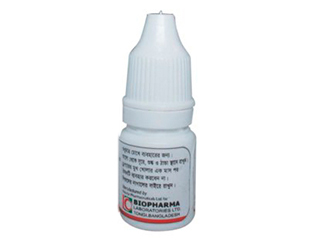
How to apply Ocuflox eye drops
- Wash your hands thoroughly.
- Check the bottle and expiry date; do not use if the solution looks unusual or the bottle is damaged.
- Gently pull down the lower eyelid to create a small pocket.
- Hold the dropper above the eye without touching the eye or eyelids.
- Apply the prescribed number of drops into the pocket.
- Close your eye gently for 1–2 minutes. Try not to blink repeatedly.
- If helpful, press lightly at the inner corner of the eye (near the nose) for about 30–60 seconds. This can help reduce drainage into the rest of the body.
- Replace the cap and wipe away any excess with clean tissue.
Using with other eye medicines
- If you use more than one eye drop (e.g., lubricating drops), space them out. A common approach is to wait at least 5–10 minutes between products (unless your pharmacist advises otherwise).
- Eye ointments are usually applied after drops; confirm timing if you’re using both.
Contact lenses
- Avoid contact lenses during infection unless your clinician advises they can be continued.
- If you do wear lenses, follow hygiene advice carefully and replace lenses if contaminated.
- Ask a pharmacist for guidance specific to the type of lens and infection.
Storage and hygiene
- Store according to the pack instructions (commonly at room temperature away from heat and sunlight).
- Do not share your eye medicine with others.
- Keep the nozzle clean—avoid touching it to the eye or eyelashes.
Alternative options for bacterial eye infections
Treatment choice depends on the suspected organism, severity, allergy history, and local guidance. In the UK, other antibiotics may be considered, including:
- Other fluoroquinolones (e.g., ciprofloxacin-containing drops, depending on availability and indication)
- Aminoglycosides (for certain infections and sensitivity patterns)
- Macrolides (e.g., for specific conjunctival infections or as guided by local practice)
- Ointments instead of drops in some cases (especially for patient comfort and night-time coverage)
For non-bacterial causes—such as viral conjunctivitis or allergic conjunctivitis—antibiotics will not help. Symptom relief and targeted treatment are often different. If you’re uncertain about the cause of symptoms, it’s wise to seek advice.
UK market and legal context (important notes)
In the United Kingdom, medicines are regulated and supplied according to their classification, licensing, and authorised indications. Antibiotic eye drops such as ofloxacin are generally supplied with guidance to ensure safe and appropriate use.
Availability can vary depending on:
- Licensed indication for the specific brand and strength
- Local pharmacy requirements and patient eligibility criteria
- Clinical need (e.g., suspected bacterial cause, severity, and risk factors)
Always use medicines only for their intended condition and follow the instructions on the pack and any advice given at the point of supply.
Recent guidance and antimicrobial stewardship
In the UK, clinicians and pharmacies follow principles of antimicrobial stewardship—aiming to use antibiotics only when they are likely to help. Overuse can contribute to antimicrobial resistance and may delay correct diagnosis.
This means eye symptoms should be assessed carefully to decide whether an antibiotic is appropriate. Bacterial conjunctivitis can resemble viral or allergic conjunctivitis; antibiotics are not always the right first step.
If symptoms are severe, you have contact lenses, or there is reduced vision or strong pain, urgent evaluation is particularly important.
Delivery and availability in the United Kingdom
Ocuflox (ofloxacin) availability on online pharmacies may vary by brand, strength, and formulation. Delivery options depend on the supplier’s service level and stock status. When ordering online, check:
- The exact product strength (and whether it is an eye formulation)
- The pack size and expiry date
- The delivery timeframe shown at checkout
- Any temperature/storage instructions if relevant
If you need this medicine urgently—especially for symptoms suggesting corneal involvement—consider contacting a pharmacist promptly for advice on the fastest appropriate option.
Storage, shelf life, and after opening
Follow the pack leaflet for guidance on storage and how long the bottle can be used after opening. Some eye drops have a limited “discard after” time to reduce contamination risk.
Do not use the medicine after the expiry date on the pack. If you are unsure about whether your bottle is still safe to use, ask a pharmacist.
Frequently Asked Questions (FAQ)
1) What is Ocuflox used for?
Ocuflox (ofloxacin) is an antibiotic used to treat certain bacterial infections affecting the eye (and depending on the product, certain localised infections such as specified ear infections). It works against susceptible bacteria but does not treat viral or allergic causes.
2) How quickly should I see improvement?
Many bacterial eye infections begin to improve within 1–3 days, but this varies by the cause and severity. If there is no improvement after a few days, or symptoms worsen at any point—especially pain, light sensitivity, or reduced vision—seek medical advice urgently.
3) Can I use Ocuflox if I wear contact lenses?
It’s usually best to stop contact lens use during eye infection and treatment unless you have specific advice to continue. Contact lenses can worsen irritation and can harbour microorganisms.
4) Is Ocuflox safe for children?
Safety depends on the child’s age, the exact formulation, and clinical need. Follow the dosing instructions for the specific product and ask a pharmacist or clinician for advice if you are treating a child.
5) What if I miss a dose?
Use it as soon as you remember unless it’s close to the next dose. Then continue normally. Do not use extra drops to compensate for a missed dose.
6) Can I drive after using Ocuflox?
Blurred vision can occur briefly after applying eye drops. Wait until your vision is clear before driving or operating machinery.
7) What side effects are most common?
Mild, temporary burning, stinging, redness, watery eyes, or discomfort can occur. If you develop severe pain, worsening symptoms, swelling, rash, or breathing difficulties, seek urgent advice.
8) Are there food or alcohol interactions?
With eye/ear drops, significant food interactions are not expected. Direct alcohol interactions are also unlikely with topical use, but alcohol may affect how you feel overall and interactions can depend on other medicines you take. If you take other medicines, ask a pharmacist to review them.
9) Can I use Ocuflox with other eye drops or ointments?
Yes, but you should generally space out different eye medicines (often 5–10 minutes between drops). If using an ointment, it’s typically applied after drops. Check the leaflet or ask a pharmacist for advice based on your specific products.
10) What should I do if symptoms are severe?
If you have severe pain, significant light sensitivity, reduced vision, or rapidly worsening redness, seek urgent medical assessment. Eye symptoms can have causes that need different treatment and cannot be safely managed by waiting.
Summary
Ocuflox (ofloxacin) is an antibiotic eye/ear drop used for certain bacterial infections. It works by targeting bacterial DNA processes, and it generally has low systemic absorption when used topically. Use it exactly as directed, maintain spacing with other eye medicines, and seek urgent advice if symptoms worsen or vision is affected.
If you have questions about whether Ocuflox is suitable for your symptoms or how to use it with other treatments, a pharmacist can help you find the safest and most effective approach for your situation in the UK.