
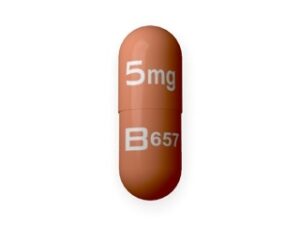

Provigil (Modafinil) – Patient-Friendly Guide (UK)
Provigil is a brand name for modafinil, a medicine used to improve wakefulness in certain conditions. This guide explains what Provigil is, how it works, how it behaves in the body, typical uses and timing, interactions (including with food, alcohol, and other medicines), safety information, practical tips, alternatives, and key UK considerations.
If you’re considering Provigil, it’s important to use it responsibly and follow UK health guidance. Individual suitability varies, and your doctor or pharmacist can help assess risks—especially if you have other medical conditions or take additional medicines.
1) Basic product information
| Item | Details |
|---|---|
| Generic name | Modafinil |
| Brand | Provigil |
| Common form | Tablets |
| What it’s used for | Conditions associated with excessive daytime sleepiness (see “Indications”) |
| How it’s taken | Usually once daily in the morning or earlier in the day (timing is important) |
2) How Provigil works (mechanism of action)
Provigil (modafinil) promotes wakefulness. While the precise mechanism isn’t fully understood, modafinil appears to influence several brain pathways involved in alertness, including:
- Dopamine-related signalling (modulating dopamine transmission and related pathways, without acting like classic stimulants in the same way).
- Wake-promoting systems (affecting neurotransmitters and signalling networks that support alertness).
- Indirect effects on arousal regulation (helping maintain daytime wakefulness in people with certain sleep disorders).
Many people report feeling more alert and less sleepy after taking modafinil, but it does not replace good sleep habits or treat the underlying sleep disorder on its own.
3) Pharmacokinetics: how the body processes it
“Pharmacokinetics” describes absorption, distribution, metabolism, and elimination. Key points include:
- Absorption: Modafinil is absorbed after oral dosing. Peak effects typically occur within the first several hours.
- Time to noticeable effect: Many people feel increased wakefulness within a few hours, which is why morning dosing is commonly used.
- Metabolism: Modafinil is metabolised mainly in the liver.
- Enzyme involvement: It can influence liver enzymes and may affect how other medicines are cleared from the body (important for drug interactions).
- Half-life (how long it lasts): Modafinil has a relatively long half-life, which can contribute to lingering alertness. This is a key reason why taking it too late in the day can affect sleep at night.
- Excretion: Metabolites are excreted mainly via urine.
Because it can last into the evening, sticking to recommended dosing times is one of the most practical ways to reduce sleep disruption.
4) Typical use in the UK (what it’s used for)
Provigil/modafinil is used for people with excessive daytime sleepiness associated with specific medical conditions. Common indications include:
- Narcolepsy (especially when excessive daytime sleepiness is present).
- Obstructive sleep apnoea (OSA) in selected patients, typically alongside appropriate treatment such as CPAP.
- Excessive sleepiness associated with shift work (commonly referred to as shift-work disorder).
In practice, healthcare professionals aim to treat the root cause of sleepiness (e.g., CPAP for OSA, good sleep scheduling for shift work), and modafinil is used to help improve daytime alertness where appropriate.
5) Indications vs. “performance use”
Provigil is intended for specific diagnosed conditions and medical supervision. It is not a general-purpose “energy booster.” Using it outside approved indications can carry unnecessary risks and may not provide sustainable benefits.
6) Dosing: typical approach and timing
The right dose depends on the condition being treated, individual response, age, other medicines, and liver function. Typical guidance used by clinicians includes:
- Most adults: commonly started at a lower dose and adjusted if needed.
- Common dosing schedule: once daily.
- Morning dosing is usually recommended: to reduce the risk of insomnia at night.
Because modafinil has a long-lasting effect, avoid dosing late in the day unless your prescriber specifically advises it.
Timing tips (to support better sleep)
- Take it earlier rather than later. A morning dose is often best.
- Plan for residual alertness. Many people feel effects hours after taking it.
- Keep a consistent schedule. Irregular timing can worsen sleep problems.
- If you feel insomnia: speak to your pharmacist/doctor—dose timing or dose adjustment may help.
Do not change your dose without professional advice. If you miss a dose, follow your healthcare provider’s instructions rather than “doubling up.”
7) Food interactions: what to know
Food can influence how quickly modafinil begins working, though the medicine is generally considered to have manageable food-related effects for many people. Practical points include:
- With or without food: many people can take modafinil either way, but follow your clinician’s directions.
- Heavy meals: may slightly delay absorption for some individuals, which can affect the time you feel awake.
- Stomach sensitivity: if you experience nausea or discomfort, taking it with food may help.
If you notice a consistent pattern (e.g., taking it after a large meal makes it start too late for your schedule), talk to your pharmacist about timing adjustments.
8) Alcohol interactions
Combining Provigil/modafinil with alcohol can be risky. Even if modafinil can temporarily reduce the sensation of sleepiness, it does not eliminate the effects of alcohol on:
- Judgement and reaction time
- Coordination
- Sleep quality (alcohol can disrupt sleep architecture)
In real life, this combination may increase the chance of overestimating how alert you are while impairments persist. If you drink alcohol, consider reducing intake and avoid activities that require full attention (e.g., driving) if you feel affected.
For the best safety, discuss alcohol use with a clinician, especially if you have sleep apnoea or other conditions.
9) Medicine interactions: key points
Modafinil can interact with other medicines—mainly through effects on liver enzymes and transporter proteins that influence drug levels. Always tell your pharmacist or doctor about all medicines you take, including over-the-counter products and herbal supplements.
Common interaction categories to consider
- Hormonal contraceptives: interactions may reduce effectiveness in some circumstances depending on the contraceptive type. If you use hormonal contraception, ask a healthcare professional about whether an additional method is needed.
- Warfarin and other anticoagulants: modafinil may affect levels of some medicines, requiring closer monitoring.
- Antidepressants and antipsychotics: interaction potential exists; monitoring and dose adjustments may be required.
- Antiepileptic medicines: if you take medicines for seizures, interactions are important to review.
- Other stimulants or wake-promoting agents: combining can increase side effects such as anxiety, palpitations, and insomnia.
- Blood pressure or heart rhythm medicines: discuss your cardiovascular history; wake-promoting effects can affect how you feel.
Practical interaction safety checklist
- Bring a list of all medicines and supplements to your consultation.
- Don’t start herbal products without checking (e.g., St John’s wort).
- If you start a new medicine, ask whether it changes modafinil levels or vice versa.
- Report unusual symptoms promptly (e.g., severe headache, rash, chest pain, fainting).
10) Safety profile: who should be careful
Like all medicines, Provigil/modafinil can cause side effects. Many are mild to moderate, especially during the first days or weeks, but serious reactions can occur. Your clinician can assess your risk based on personal and medical history.
Common side effects
- Headache
- Nausea or stomach discomfort
- Dizziness
- Dry mouth
- Nervousness or anxiety
- Insomnia (often related to late dosing)
- Reduced appetite
- Changes in blood pressure or heart rate in some people
Less common but important reactions
Seek urgent medical advice if you develop signs of a serious allergic or skin reaction, such as:
- Rash that is severe or spreading
- Blistering or peeling skin
- Swelling of the face/lips
- Breathing difficulties
- Fever or feeling very unwell
People who may require extra caution
- Those with a history of psychiatric conditions (e.g., severe anxiety or bipolar disorder) should discuss risk carefully.
- People with heart disease, high blood pressure, or rhythm problems should be monitored.
- People with liver impairment may need different dosing or closer supervision.
- Those with a history of substance misuse should talk through benefits and risks openly.
11) Practical use tips (for the UK lifestyle)
- Start when you can monitor yourself. For the first few doses, plan a day where you can observe how you feel.
- Prioritise sleep hygiene. Dim lights in the evening, keep caffeine earlier in the day, and keep consistent sleep times.
- Avoid “stacking” stimulants. Be careful with caffeine supplements, energy drinks, or other wake-promoting products.
- Check your driving/working situation. If you’re adjusting to a new medicine, avoid hazardous tasks until you know how it affects you.
- Hydration and meals matter. If nausea or headache occurs, consider lighter meals and hydration.
- Keep track of side effects. Headache, anxiety, or insomnia should be discussed with a pharmacist or prescriber.
If Provigil seems less effective over time or side effects worsen, do not simply increase the dose—seek professional advice.
12) Alternative options (depending on your condition)
Alternatives vary by diagnosis and might include non-medicine strategies, different wake-promoting agents, or treating the underlying sleep disorder. Options may include:
- For obstructive sleep apnoea: CPAP or other airway treatments are essential; wake-promoting medicines may be considered adjunctively.
- For narcolepsy: other therapies aimed at symptom control may be used by specialists.
- For shift-work disorder: scheduled light exposure, strategic naps, and planned sleep routines are often recommended.
- Other wake-promoting medicines: there are other medicines used in some countries and clinical settings for excessive sleepiness. A clinician can advise what fits best for your diagnosis and risk profile.
Because each person’s medical picture is different, “best alternative” depends on your diagnosis, other medicines, and side-effect risk.
13) Market and legal context in the United Kingdom
In the UK, medicines are regulated by the Medicines and Healthcare products Regulatory Agency (MHRA) and healthcare products are distributed under specific rules. Modafinil-containing products may be available in regulated ways depending on indication, prescriber decisions, and supply conditions.
UK pharmacists and healthcare professionals follow national guidance on safe prescribing, monitoring, and appropriate use for licensed indications. Misuse and non-medical use can carry risks, and it may be associated with reduced access for patients who need treatment.
Recent guidance and safety monitoring (UK-focused)
- Ongoing emphasis on safety: clinicians monitor for side effects, mood changes, cardiovascular effects, and sleep disruption.
- Review of benefit vs. risk: if daytime sleepiness persists, clinicians may re-check diagnosis and adherence to treatment plans (e.g., CPAP for OSA).
- Interaction checks: due to metabolism and enzyme interactions, medication review remains a standard safety step.
Guidance can evolve. Your pharmacist can confirm current local recommendations and how they apply to your situation.
14) Delivery and availability (UK)
Availability can vary depending on stock levels, supply chains, and the product route. Many UK customers choose reputable, regulated online pharmacies that:
- Use secure ordering and clear product information
- Provide packaging and cold-chain handling where relevant (modafinil tablets typically do not require cold storage)
- Offer tracking where available
- Have a clear returns and support process
Delivery times can vary by location and dispatch schedules. During busy periods, lead times may be longer. When ordering, check the estimated delivery window and the service details shown at checkout.
What to expect from a responsible pharmacy
- Clear labelling of dosage strength and instructions
- Information about side effects and what to do if something feels wrong
- Support for questions about interactions and timing
15) Frequently Asked Questions (FAQ)
Is Provigil the same as modafinil?
Yes. Provigil is a brand name that contains modafinil, the active ingredient.
When should I take modafinil?
Many people take it early in the day (often the morning) to reduce the risk of insomnia. Because it can last into the evening, avoid late dosing unless your healthcare professional specifically advises a different schedule.
Can I take Provigil with food?
Many people can take modafinil with or without food. If you notice nausea, taking it with a light meal may help. If timing affects when you feel the wakefulness, adjust your meal timing accordingly.
Does alcohol reduce its effectiveness?
Alcohol may not reduce the wake-promoting effects, but it can still impair judgement, reaction time, and sleep quality. This combination is not recommended for activities requiring full alertness.
Will Provigil make me feel “high”?
Modafinil is not typically experienced as a recreational stimulant by all users, but it can cause increased alertness and side effects (such as anxiety or insomnia) in some individuals. Using it outside medical guidance increases the risk of harmful effects.
What side effects should make me stop and seek help?
Seek urgent medical advice for severe allergic reactions, blistering/peeling rash, facial swelling, breathing difficulties, or feeling seriously unwell. For persistent or worsening headaches, significant anxiety, chest pain, fainting, or severe insomnia, contact a healthcare professional promptly.
Can I drive after taking Provigil?
If you feel affected (drowsy, anxious, dizzy) or you’re adjusting to the medicine, avoid driving and hazardous activities until you know how it affects you. When taking any wake-promoting medicine, safety first is essential.
Are there interactions with other medicines?
Yes. Modafinil can interact with several medicines, particularly those metabolised through liver pathways. Examples include some contraceptives, anticoagulants, antidepressants, and seizure medicines. Always review your full medication list with a pharmacist or clinician.
What if I miss a dose?
Follow the instructions provided by your pharmacist/clinician. In general, avoid taking a missed dose late in the day due to insomnia risk. Do not double the dose unless specifically instructed.
How long does it take to work?
Many people notice effects within a few hours. Since individual response varies, keep an eye on how it fits your schedule, especially during the first days.
Can I use Provigil for jet lag or general fatigue?
Provigil is intended for specific medical indications related to excessive daytime sleepiness. If you’re fatigued due to sleep loss, jet lag, or lifestyle factors, other strategies may be safer and more appropriate. Talk to a clinician for personalised advice.
16) When to seek professional advice
Contact a pharmacist or clinician if you:
- Develop a rash, swelling, breathing difficulties, or severe symptoms
- Notice worsening mood, agitation, or severe anxiety
- Experience persistent insomnia or significant changes in sleep pattern
- Have symptoms suggestive of cardiovascular issues (e.g., chest pain, fainting)
- Need to start or stop another medicine or supplement
- Have ongoing sleepiness despite treatment plans
Provigil can help certain patients feel more awake, but safe and appropriate use depends on diagnosis, dose timing, and interaction review.