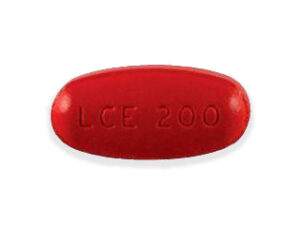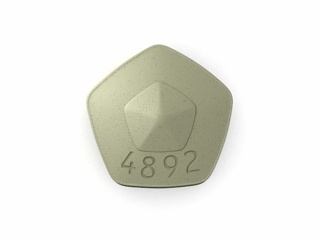

Requip (Ropinirole) – Patient-Friendly Guide (United Kingdom)
Requip is a brand of medicine containing ropinirole. It belongs to a group of medicines called dopamine receptor agonists. Requip is used in the treatment of certain movement disorders, most commonly Restless Legs Syndrome (RLS) and Parkinson’s disease.
This guide is designed to help you understand what Requip is, how it works, how it is typically taken, and what safety considerations to keep in mind. It is written for patients in the UK and includes practical tips and frequently asked questions.
Quick product overview
| Item | Details |
|---|---|
| Active ingredient | Ropinirole |
| Medicine type | Dopamine receptor agonist |
| Common uses | Restless Legs Syndrome (RLS); Parkinson’s disease |
| Typical dosing approach | Usually started at a low dose and increased gradually |
| How it’s taken | Oral tablets; timing depends on the condition being treated |
| Food effect | Food can increase absorption; follow your instructions |
How Requip works (mechanism of action)
In the brain, dopamine helps coordinate movement and other functions. In conditions such as Parkinson’s disease and some forms of restless legs, dopamine signalling can be reduced or imbalanced.
Ropinirole stimulates dopamine receptors, acting as a dopamine agonist. By activating dopamine receptors, it can help reduce symptoms such as:
- Restless Legs Syndrome: uncomfortable sensations in the legs with an urge to move, often worse at night.
- Parkinson’s disease: movement-related symptoms including stiffness, slowness, and tremor (depending on stage and regimen).
Because it does not replace dopamine directly, the response can vary from person to person. For some people, benefits improve gradually as the dose is adjusted.
Pharmacokinetics (how the body handles ropinirole)
While exact values may vary by formulation and patient characteristics, the key practical points include:
- Absorption: Ropinirole is absorbed from the digestive tract after taking a tablet.
- Food interaction: Taking it with food may increase absorption, leading to higher blood levels.
- Distribution: It spreads through the body and acts on target receptors in the brain.
- Metabolism: Primarily processed by the liver (notably via CYP1A2).
- Elimination: Metabolites are removed mainly through the kidneys.
These features matter because other medicines (and smoking habits) that affect liver enzymes can change how quickly ropinirole is cleared from your body.
What Requip is used for (indications)
1) Restless Legs Syndrome (RLS)
Requip is used for symptomatic treatment of moderate to severe primary Restless Legs Syndrome. It helps reduce symptoms that are worse during the evening or at night.
2) Parkinson’s disease
Requip is also used in Parkinson’s disease, either as:
- Monotherapy (in selected patients), and/or
- Combination therapy with other medicines used for Parkinson’s disease.
The exact approach depends on your symptoms, stage of disease, age, and whether other treatments are suitable.
Timing: when to take Requip
Timing is an important part of taking Requip correctly. Your prescriber’s instructions are the key guide, but the following general principles often apply:
Restless Legs Syndrome
- Requip is typically taken in the evening or about 1–3 hours before bed.
- Try to keep a consistent routine (e.g., same time each evening).
Parkinson’s disease
- Dosing schedules may be multiple times per day or once daily depending on the specific product strength and regimen.
- Take it at the times your healthcare team specifies.
If you miss a dose, do not “double up” unless told to do so by your healthcare team. Check the instructions provided with your medicine or speak to a pharmacist.
Dosing: general guidance and dose adjustment
Dose requirements vary widely between people. Requip is usually started at a low dose and increased gradually to improve tolerability while achieving symptom control.
The following points are important:
- Start low, go slow: This helps reduce early side effects such as nausea, dizziness, or sleepiness.
- Increment schedule: Your clinician will set a titration plan based on response and side effects.
- Maximum dose: There is an upper limit; follow your prescribed dose.
- Restarting after stopping: If you stop for more than a short period, you may need to restart at a lower dose.
Common dosing patterns (not a substitute for your instructions)
Requip comes in different tablet strengths and schedules. For many patients, the dose is increased over days to weeks, depending on whether it is for RLS or Parkinson’s disease and on tolerability.
Always confirm your exact dose with the medicine label and instructions from your healthcare team.
Food interactions
Food can affect how much ropinirole gets absorbed. In general:
- Taking with food may increase absorption and blood levels of ropinirole.
- If your doctor/pharmacist has advised a particular approach (with or without food), follow it consistently.
- Changing your meal timing suddenly may affect how you feel (e.g., increased side effects or reduced effect).
Practical tip: If you normally take Requip with dinner, try to keep that habit. If you need to change your routine, ask a pharmacist for advice.
Alcohol and medicine interactions
Alcohol
Alcohol can increase drowsiness and dizziness. Because Requip can also cause sleepiness in some people, combining alcohol with Requip may increase the risk of:
- Impaired alertness
- Falls
- Accidents
It’s best to keep alcohol intake low and discuss with your clinician if you drink regularly.
Other medicines that may interact
Ropinirole is metabolised in the liver (CYP1A2). Medicines that affect liver enzymes can increase or decrease ropinirole levels, which may change its effectiveness and side effects.
Tell your healthcare team about all medicines you take, including over-the-counter products and herbal remedies. Particular attention is often needed with:
- Medicines that affect CYP1A2 (some antibiotics, smoking-related effects, and other drugs can alter enzyme activity).
- Other medicines that cause drowsiness (e.g., some antihistamines, sleeping tablets, opioids): increased sedation risk.
- Antipsychotics or dopamine antagonists: may reduce effectiveness of ropinirole (depending on the specific drug).
- Antidepressants (some may affect metabolism or side effect profile).
If you start, stop, or change a medicine, ask whether it could affect Requip.
Safety profile: important side effects and warnings
Like all medicines, Requip can cause side effects. Many people tolerate it well, especially when doses are increased gradually. However, some effects require prompt medical advice.
Common side effects
- Nausea (feeling sick), sometimes with vomiting
- Dizziness
- Sleepiness or tiredness
- Low blood pressure (light-headedness, especially when standing up)
- Headache
- Swelling in the legs (oedema) in some cases
- Heartburn or abdominal discomfort (varies by person)
Less common but important risks
- Sudden sleep episodes: some people may experience sudden onset of sleep without warning.
- Hallucinations or confusion: more likely in older adults or those with advanced disease.
- Impulse-control problems such as gambling, increased libido, or compulsive shopping/behaviours (reported with dopamine agonists).
- Augmentation in RLS: symptoms may start earlier in the day, become more intense, or spread to other body parts over time.
- Withdrawal or sudden worsening if stopped abruptly: dopaminergic medicines should be reviewed before stopping.
When to seek urgent medical advice
Contact urgent medical help if you experience:
- Severe allergic reaction (swelling of face/lips, rash, breathing difficulties)
- Fainting or severe dizziness
- Severe confusion, agitation, or hallucinations
- Uncontrolled sleep episodes that put you at risk (e.g., while driving)
- Signs of severe depression or suicidal thoughts
If you’re concerned about side effects that are affecting your safety or daily life, speak to a healthcare professional as soon as possible.
Practical use tips for better outcomes
- Take it consistently: Use the same timing each day, especially for RLS.
- Don’t change food habits suddenly: If you take it with dinner, keep a similar pattern.
- Rise slowly: If you feel light-headed, stand up slowly to reduce the risk of falls.
- Be mindful of drowsiness: Until you know how you respond, avoid driving or operating machinery.
- Report impulse-control changes: If you notice unusual urges or behaviours, tell your clinician promptly.
- Track symptom changes: For RLS, note timing and severity—especially if symptoms begin earlier (possible augmentation).
- Keep regular reviews: Dose may need adjustment over time for both effectiveness and safety.
- Do not stop suddenly: If you need to discontinue, your prescriber should guide how to do it safely.
Alternatives to Requip (ropinirole)
There are different treatment options depending on whether you’re being treated for RLS or Parkinson’s disease. Your clinician will tailor the choice to your symptoms, health conditions, and tolerability.
Alternatives for Restless Legs Syndrome
- Iron supplementation if iron deficiency is present (a common and important step).
- Other dopamine agonists (e.g., pramipexole or rotigotine) may be considered.
- Alpha-2-delta ligands (e.g., gabapentin or pregabalin) in selected patients.
- Non-drug approaches: good sleep hygiene, reviewing triggers, and managing comorbid conditions.
Alternatives for Parkinson’s disease
- Levodopa-based therapies (often the most effective for many motor symptoms).
- Other dopamine agonists (e.g., pramipexole, rotigotine).
- MAO-B inhibitors or COMT inhibitors (depending on regimen).
- Anticholinergic medicines in selected cases (typically for specific symptom profiles).
If you’re considering switching, ask your healthcare team about the benefits and risks of different options. For RLS, long-term use of dopamine agonists may require special monitoring due to augmentation.
UK market and legal context (how it fits in healthcare in the UK)
In the United Kingdom, medicines such as Requip are regulated by the Medicines and Healthcare products Regulatory Agency (MHRA) and are supported by national guidance from bodies such as National Institute for Health and Care Excellence (NICE).
Requip is generally treated as a prescription-only medicine in the UK; access is normally arranged through a clinician’s care pathway. Online pharmacies can support supply and advice once your eligibility is confirmed in line with UK regulations.
Guidance can evolve as new evidence emerges, particularly around balancing benefit against risks like augmentation in RLS and impulse-control issues.
Recent guidance and clinical considerations (high-level)
Over recent years, clinical discussions in the UK and internationally have focused on:
- Restless Legs Syndrome: increased emphasis on assessing and correcting iron deficiency where relevant, and careful monitoring for augmentation with long-term dopamine agonist therapy.
- Parkinson’s disease: balancing symptom control with side effects, including hallucinations and impulse-control behaviours associated with dopamine agonists.
- Safety warnings: attention to sudden sleep episodes and drowsiness risk, and clear patient counselling about driving and operating machinery.
Your clinician may adjust treatment choices or monitoring frequency based on symptom patterns and tolerability.
Delivery and availability (UK online pharmacy information)
Availability of Requip can vary by strength and pack size. Online pharmacies in the UK typically offer:
- Home delivery to UK addresses (subject to eligibility checks and stock availability)
- Standard or express delivery options depending on location and courier
- Discreet packaging
Delivery timelines depend on whether stock is held locally or needs to be supplied via distributors. If you require a specific strength or formulation, it’s helpful to place your order early and ensure your details are correct.
How to store Requip
- Store at room temperature unless your label says otherwise.
- Keep tablets in the original packaging to protect from moisture and light.
- Keep out of the sight and reach of children.
- Do not use after the expiry date shown on the pack.
FAQ about Requip (ropinirole)
1) How long does it take for Requip to work?
Many people begin to notice improvement after starting or increasing the dose, but for some it can take days to weeks to reach an effective level. In RLS, symptoms often improve gradually as dosing is adjusted.
2) Can I take Requip with food?
Food may increase absorption of ropinirole. Follow the advice provided for your specific regimen (with or without food). If you change your eating pattern, you may notice changes in side effects or symptom control—ask a pharmacist if unsure.
3) What should I do if I miss a dose?
It depends on when you remember and the dosing schedule. In general, avoid taking extra doses to “catch up” unless your clinician or pharmacist has advised a specific approach. Check the leaflet or contact a pharmacist for guidance.
4) Will Requip make me sleepy?
Sleepiness and fatigue can occur. Some people may also experience sudden sleep episodes. Until you know how it affects you, avoid driving and operating machinery, and seek advice if sleepiness becomes a problem.
5) Is augmentation a concern with Requip for Restless Legs Syndrome?
Yes. With long-term use of dopamine agonists, some people develop augmentation, where symptoms start earlier in the day, become more intense, or spread. If you notice this pattern, talk to your healthcare team promptly—adjustments may be needed.
6) What about alcohol—can I drink?
Alcohol can worsen dizziness and drowsiness. It’s safest to limit alcohol and discuss your situation with a pharmacist or clinician, especially if you notice sleepiness after taking Requip.
7) Are there interactions with other medicines?
Several medicines may interact with ropinirole, particularly those affecting liver metabolism (CYP1A2), and those that cause sedation. Always provide a full list of your medicines to your healthcare team.
8) Can I stop Requip suddenly?
Don’t stop abruptly without medical advice. Stopping dopaminergic therapy suddenly can lead to worsening symptoms and other complications. If you need to discontinue, your clinician should guide a safe plan.
9) Does smoking affect Requip?
Smoking can influence certain liver enzymes involved in drug metabolism. If you smoke or change your smoking habits, inform your healthcare team so they can review dosing and monitoring.
10) What if I notice impulse-control problems?
If you develop new or increased urges such as gambling, compulsive shopping, binge eating, or increased sexual urges, inform your clinician as soon as possible. This is a known risk with dopamine agonists and can often be managed by adjusting treatment.
Summary
Requip (ropinirole) is a dopamine receptor agonist used for Restless Legs Syndrome and Parkinson’s disease. It works by stimulating dopamine receptors, helping to reduce movement-related symptoms. Because ropinirole’s absorption and metabolism can be influenced by food and certain medicines, and because it can cause sleepiness and other important side effects, it’s important to take it exactly as directed and to monitor your symptoms.
If you have any concerns about side effects, timing, or interactions, speak to a pharmacist or healthcare professional.