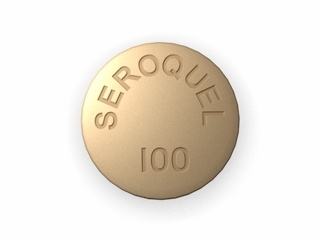

Seroquel (Quetiapine) – Patient Guide (UK)
What is Seroquel? Seroquel is a medicine containing quetiapine, an antipsychotic used to treat certain mental health conditions. It is available in different strengths and formulations (including tablets and extended-release options, depending on the brand and product). This guide explains how quetiapine works, how it is taken, what to expect, and important safety information for people in the United Kingdom.
Important: Always follow the advice of a healthcare professional. This page is designed to be patient-friendly and informative, not to replace individual medical guidance.
Basic product information
| Item | Details |
|---|---|
| Brand name | Seroquel |
| Active ingredient | Quetiapine |
| Medicine type | Atypical (second-generation) antipsychotic |
| Available formulations | Immediate-release and extended-release variants (product availability varies) |
| Common strengths | Varies by formulation (e.g., 25 mg, 100 mg, 150 mg, 200 mg and others) |
| How it is supplied | Pharmacy supply arrangements depend on national rules and product classification |
How Seroquel (Quetiapine) works (mechanism of action)
Quetiapine affects chemical messengers in the brain, particularly serotonin and dopamine. It helps balance signalling pathways involved in:
- Psychosis-related symptoms (such as hallucinations and delusions)
- Mood regulation (including certain symptoms of mood disorders)
- Anxiety and agitation in some conditions
Quetiapine works mainly through antagonism (blocking) of several receptor types, which can reduce overactive signalling and help stabilise symptoms over time. The exact balance of effects differs between individuals and between immediate-release and extended-release formulations.
Pharmacokinetics (how the body absorbs and processes it)
Absorption: Quetiapine is absorbed from the gut after you take a dose. Food can influence the speed and extent of absorption, especially for certain formulations.
Metabolism: The liver metabolises quetiapine primarily through enzymes including CYP3A4.
Half-life: The medicine is cleared over hours; the duration of effect varies, which is one reason different formulations exist (including extended-release).
Excretion: Metabolites are eliminated mainly via the kidneys and through the digestive system.
Why this matters: Because quetiapine is processed in the liver, interactions with other medicines that affect liver enzymes (especially CYP3A4) can change quetiapine levels and side effects.
What it’s used for in practice (typical use and indications)
In the UK, quetiapine is used for a range of conditions depending on the product and strength. Common clinical uses include:
- Schizophrenia and other psychotic disorders
- Bipolar disorder, including episodes of:
- Mania and hypomania (in some treatment plans)
- Depression associated with bipolar disorder
- Adjunctive treatment for major depressive disorder in certain cases (typically alongside an antidepressant), depending on local guidance and product licence
- Short-term symptom control for agitation in some settings as part of a broader plan
Note: The exact indications can differ between immediate-release and extended-release products. Your prescriber will choose the most appropriate formulation and dosing schedule for your diagnosis and symptom pattern.
When and how to take Seroquel (timing)
How you take quetiapine can affect both effectiveness and side effects.
- Follow the dosing schedule exactly: many people start with a low dose and increase gradually.
- Night-time dosing is common: quetiapine can cause drowsiness in many people, so healthcare professionals often advise taking it in the evening or at bedtime—especially during initiation.
- Extended-release tablets: are usually taken once daily (depending on product instructions). Swallow whole as directed—do not crush or split unless the specific medicine instructions allow it.
Starting slowly: Because side effects like sleepiness and dizziness are more common at the beginning, starting at a lower dose and increasing gradually helps improve tolerability.
Food interactions (what to know about meals)
Food can influence how quetiapine is absorbed, particularly for immediate-release tablets.
- Immediate-release: it is commonly recommended to take quetiapine at least 1 hour before meals or with food as advised by the product instructions. Your local product leaflet will specify the exact recommendation for your brand.
- Extended-release: may have different food guidance. Some extended-release products are taken with or without food—again, follow the leaflet for your specific formulation.
Practical tip: Choose a routine that you can keep consistently. If you notice sleepiness or dizziness after a dose, your prescriber may adjust the timing or dose.
Alcohol and medicine interactions (important safety)
Alcohol
Combining quetiapine with alcohol can increase sedation. This may lead to:
- greater drowsiness or impaired concentration
- higher risk of dizziness and falls
- in some cases, worsened breathing in vulnerable people
Advice: it is generally best to avoid alcohol or keep it minimal and discuss your situation with a healthcare professional.
Other medicines that may interact
Quetiapine can interact with medicines that affect liver enzymes and medicines that affect the brain or circulation. Common interaction types include:
- Enzyme inhibitors (increase quetiapine levels): may raise risk of side effects such as sleepiness, low blood pressure, and abnormal heart rhythms. Examples include some antifungals and some antibiotics.
- Enzyme inducers (decrease quetiapine levels): may reduce effectiveness. Examples include certain anti-seizure medicines and rifampicin.
- Medicines that cause sedation: can add to drowsiness (for example, some antihistamines, opioid pain medicines, benzodiazepines).
- Medicines affecting heart rhythm or electrolytes: may increase the risk of rhythm disturbances in susceptible individuals.
- Medicines that lower blood pressure: the combination may increase dizziness or fainting.
Always tell your pharmacist and healthcare team about:
- all prescription medicines and over-the-counter products
- herbal remedies
- vitamins and supplements
Do not start or stop other medicines without checking for interactions.
Dosing overview (how doses are commonly adjusted)
Dosing varies based on the condition being treated, your age, liver function, and how you respond to treatment. Many people begin with a low dose and increase gradually.
General dosing principles (patient-friendly):
- Start low, go slow: helps reduce early side effects such as sleepiness and dizziness.
- Gradual titration: the dose is typically increased in steps over days or weeks, depending on the product and condition.
- Long-term dose stability: once symptoms are controlled, the lowest effective dose is often used.
- Do not abruptly stop: stopping suddenly can lead to withdrawal-like symptoms and symptom return. Discuss tapering plans with your healthcare professional.
Example timing patterns you may see:
- Evening/bedtime dosing for sleepiness management
- Once-daily extended-release to match a consistent schedule
- Twice-daily immediate-release if prescribed in divided doses
Because dosing differs: use the leaflet for your exact Seroquel product or your prescribed instructions as the primary reference.
Safety profile (side effects, warnings, and monitoring)
Like all medicines, quetiapine can cause side effects. Many are dose-related and improve as your body adjusts.
Common side effects
- Drowsiness or sedation
- Dizziness, especially when standing up
- Headache
- Dry mouth
- Constipation
- Increased appetite and weight gain
- Blurred vision or feeling “slowed down”
Less common but important risks
- Low blood pressure (orthostatic hypotension), leading to fainting in some people
- Raised blood sugar or worsening diabetes control
- Raised cholesterol and triglycerides (metabolic changes)
- Sleep-related breathing problems or worsening of existing sleep apnoea in some individuals
- Movement disorders (for example, tremor or restlessness) though these are generally less common with atypical antipsychotics
- Infection risk in rare cases due to blood count changes (seek medical advice if you develop persistent fever or unusual infections)
- Heart rhythm changes in susceptible people (risk assessment is important if you have cardiac history or take interacting medicines)
When to seek urgent help
Contact urgent medical services or seek immediate help if you experience:
- severe dizziness or fainting
- chest pain, severe palpitations, or fainting again
- signs of a serious allergic reaction (swelling of face/lips, difficulty breathing)
- high fever with muscle stiffness, severe confusion, or marked agitation
- uncontrolled movements with fever or severe worsening of symptoms
Monitoring that is often recommended in the UK
Clinicians commonly monitor:
- Weight and body mass index (BMI)
- Blood pressure
- Blood sugar (glucose and/or HbA1c)
- Blood lipids (cholesterol)
- Mental health symptoms and sleep
- in some cases, ECG (depending on risk factors) and blood tests if indicated
Practical use tips (to help you get the best from treatment)
- Be consistent with timing: taking doses at the same times each day helps reduce fluctuations in symptoms and side effects.
- Rise slowly: if you feel dizzy, move slowly when standing. Hydration can help.
- Plan around drowsiness: avoid driving or operating machinery until you know how quetiapine affects you.
- Manage constipation early: increase fluids and fibre if suitable; ask a pharmacist about suitable options.
- Look after metabolic health: if you notice increased appetite or weight gain, discuss lifestyle changes and monitoring with your clinician.
- Don’t mix sedation: be cautious with sleep aids, antihistamines, and alcohol.
- Keep a symptom diary: note sleep, mood changes, and side effects to help your healthcare team adjust dosing if needed.
Missed dose: If you miss a dose, follow the instructions in your product leaflet. In general, do not take a double dose to make up for a missed tablet. If unsure, ask your pharmacist for advice based on your specific schedule.
Alternative options (other treatments that may be considered)
If quetiapine is not suitable or not well tolerated, healthcare professionals may consider alternatives depending on the condition being treated.
Medication alternatives
- Other antipsychotics (for schizophrenia or bipolar-related symptoms)
- Mood stabilisers (for bipolar disorder) such as medicines used to stabilise mood
- Different antidepressant strategies (for depressive symptoms, sometimes including other augmentation options)
Non-medicine approaches that often support outcomes
- Psychological therapies (such as CBT and other structured therapies)
- Sleep and routine support
- Substance use support if relevant (including alcohol and other substances)
- Education and early warning plans to manage relapse risk
Note: Alternatives depend heavily on your diagnosis, medical history, and the formulation being used (immediate vs extended-release). Discuss options with your healthcare professional.
Market and legal context in the UK (high-level)
In the UK, antipsychotic medicines like quetiapine are regulated and supplied according to national medicine classification rules. Patient access typically depends on the medicine’s legal status and the pharmacy service model. Online pharmacies must follow UK regulations on:
- safe supply processes
- correct identification of the product
- verifying appropriate clinical and legal requirements
- clear labelling, patient information leaflets, and secure handling
When considering an online purchase, choose a reputable UK-registered pharmacy and ensure the product matches your intended treatment plan. Avoid unlicensed products or sellers that do not provide clear UK-compliant information.
Recent guidance and responsible use themes (UK)
Across the NHS and related guidance, common themes for antipsychotic use include:
- Regular review of whether the medicine is still needed and whether the dose can be optimised
- Physical health monitoring due to metabolic and cardiovascular risks
- Shared decision-making about benefits, side effects, and expected time to improvement
- Careful management during initiation (gradual titration, monitoring sedation and blood pressure)
- Risk-aware prescribing considering drug interactions and personal medical history
What to expect in day-to-day care: symptoms are monitored over weeks; early improvements may occur for some people, while full benefit may take longer depending on condition and dose. If you feel worse, experience alarming side effects, or have concerns, speak to a healthcare professional promptly.
Delivery and availability (online pharmacy)
Availability of Seroquel depends on supply, formulation, and strength. In the UK, many online pharmacies provide:
- Clear product listings showing the exact formulation and strength
- Estimated delivery times (often differing by local carrier and stock status)
- Secure packaging to protect tablets during transit
- Tracking information for orders where available
Delivery expectations: delivery times can vary by postcode and product availability. If you need the medicine urgently, check the pharmacy’s delivery cut-off times or contact support to confirm stock and dispatch.
Storage at home: store tablets at room temperature as directed on the packaging. Keep out of sight and reach of children. Do not use after the expiry date.
FAQ – Seroquel (Quetiapine) in the UK
1) How long does it take to work?
Some people notice improvements in sleep, agitation, or anxiety within days to a couple of weeks. Mood and psychotic symptoms often take longer. Full benefit can take several weeks. Your prescriber may adjust the dose as you go.
2) Will Seroquel make me sleepy?
Drowsiness is common, especially during the first days or after dose increases. Many people take it in the evening or at bedtime to manage sedation. Avoid driving or hazardous activities until you know how you react.
3) Can I stop Seroquel suddenly?
Stopping suddenly can lead to problems such as rebound symptoms, nausea, dizziness, or sleep disturbance. Always discuss any stopping or tapering plan with your healthcare professional.
4) What should I do if I miss a dose?
Check your product leaflet for guidance. In general, do not take a double dose. If you are unsure, ask a pharmacist for tailored advice based on the timing of your missed dose.
5) Can I take it with food?
Food recommendations depend on whether your Seroquel product is immediate-release or extended-release. Follow the instructions on your specific leaflet. If you’re taking it incorrectly, absorption and side effects can change.
6) Is it safe to drink alcohol while taking quetiapine?
Alcohol can increase sedation and impair judgement. It is generally advised to avoid alcohol or keep it very limited and discuss with your healthcare professional.
7) What medicines commonly interact with quetiapine?
Some medicines that affect liver enzymes (CYP3A4), as well as medicines that cause drowsiness, can interact. Always tell your pharmacist about all medicines and supplements.
8) What physical health monitoring might I need?
Many people have regular checks of weight, blood pressure, blood sugar, and cholesterol. If you have risk factors or symptoms, your clinician may also consider ECG or blood tests.
9) What are signs of serious side effects?
Seek urgent help for severe dizziness/fainting, chest pain or severe palpitations, signs of allergic reaction, high fever with severe muscle stiffness or confusion, or persistent unusual infections.
10) Are there alternatives if I cannot tolerate it?
Yes. Alternatives may include other antipsychotics, mood stabilisers, or different therapeutic strategies depending on your diagnosis. A clinician can help weigh benefits and side effects.
Final reminder: If you have questions about how to take Seroquel safely, how it may interact with your current medicines, or how to manage side effects, speak to a qualified healthcare professional or pharmacist.