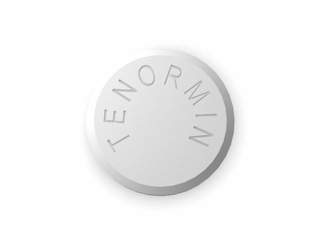
Tenormin (Atenolol) – Patient Information (UK)
Tenormin contains atenolol, a medicine belonging to the group of drugs known as beta-blockers. It is used to treat a range of cardiovascular conditions by slowing the heart and reducing its workload. This guide is written to help you understand how Tenormin works, when it is usually taken, what to expect, and what to consider for safety in everyday life in the United Kingdom.
Quick overview
- Active ingredient: Atenolol
- Medicine type: Beta-blocker
- Common uses: High blood pressure, angina (chest pain), and certain heart rhythm problems
- How it works: Reduces heart rate and lowers blood pressure
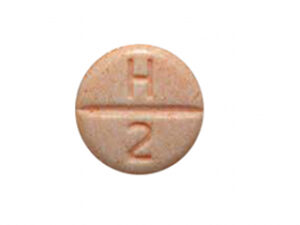
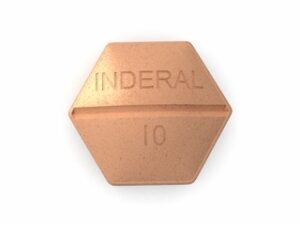
- Typical form: Tablets (strengths vary)
- UK availability: Widely available through UK pharmacies
What is Tenormin?
Tenormin is the brand name for the medicine atenolol. Atenolol works primarily on the beta-1 receptors in the heart. By blocking these receptors, Tenormin can:
- slow the heart rate
- reduce the force of contraction of the heart
- lower blood pressure
- help relieve angina symptoms by decreasing oxygen demand
Tenormin is commonly used as a long-term treatment for chronic cardiovascular conditions. Many people take it daily and continue even when symptoms improve, unless advised otherwise.
Mechanism of action (how it works)
Atenolol is a beta-blocker. Beta-blockers block signals from stress hormones such as adrenaline (epinephrine) that normally increase heart rate and blood pressure.
In practical terms, Tenormin:
- Reduces heart rate so the heart spends more time between beats, improving efficiency.
- Decreases the heart’s workload by lowering how strongly the heart contracts.
- Helps control angina by reducing oxygen demand.
- Supports rhythm control in some cases of fast heart rate due to rhythm disorders.
Unlike some other drugs, atenolol is mainly focused on the heart (beta-1 selectivity), although individual responses can vary.
Pharmacokinetics (how the body handles atenolol)
Pharmacokinetics describes how a medicine is absorbed, distributed, broken down, and eliminated.
- Absorption: Atenolol is absorbed from the gut after swallowing a tablet.
- Onset: Some effects (like slowing of the heart rate) may be noticed within hours, with steady improvements over days.
- Peak effect: Blood levels rise after dosing and then gradually fall.
- Distribution: It distributes into body tissues, with greatest relevance for its cardiovascular effects.
- Metabolism: Atenolol is not extensively metabolised in the liver compared with some other beta-blockers.
- Elimination: It is largely cleared by the kidneys. This means kidney function may influence how it behaves in your body.
If you have reduced kidney function, your clinician may choose a lower starting dose or adjust treatment.
Typical uses in the UK
Tenormin (atenolol) is used for several cardiovascular indications. The exact treatment plan depends on your symptoms and medical history.
Common indications
- High blood pressure (hypertension): helps lower blood pressure and reduce long-term cardiovascular risk.
- Angina (stable angina): reduces the frequency and severity of chest pain episodes.
- Certain abnormal heart rhythms: may be used when a fast heart rate is part of a rhythm condition.
Sometimes prescribed for
- Prevention after certain cardiac events as part of broader care (where appropriate for the individual patient).
Important: Treatment decisions must be made by a healthcare professional using your clinical details.
How and when to take Tenormin
Timing matters. Many people take atenolol , but some regimens use more frequent dosing depending on the condition and tablet strength.
General advice
- Try to take it at the same time each day. This helps maintain steady drug levels.
- Swallow tablets with water. You can take them with or without food (see food interactions below).
- Do not skip doses. Missing doses may lead to reduced protection against symptoms.
If you miss a dose
If you miss a dose, take it as soon as you remember unless it is close to the time of the next dose. Do not take a double dose to make up for a missed one. If you are unsure, follow advice from your pharmacist or prescriber.
Stopping Tenormin
Do not stop beta-blockers suddenly unless instructed to do so. Stopping abruptly can lead to worsening angina or other symptoms such as palpitations. If you need to stop, healthcare professionals usually recommend gradual dose reduction.
Food interactions and meal effects
For many patients, atenolol can be taken with or without food. However, food may affect the absorption rate for some people.
- With food: may improve comfort and reduce stomach upset for some individuals.
- Without food: may be suitable if you tolerate it well.
Tip: Keep your routine consistent. If you typically take Tenormin with breakfast, continue that pattern unless advised otherwise.
Alcohol and Tenormin interactions
Alcohol can affect blood pressure and heart rate. Because Tenormin already lowers heart rate and may reduce blood pressure, drinking alcohol while taking atenolol can increase the risk of:
- dizziness or light-headedness
- fainting (especially when standing up)
- falls in people who are prone to low blood pressure
Practical approach: If you choose to drink, do so in moderation and pay attention to how you feel. Avoid binge drinking and be careful when getting up quickly after alcohol.
Medicine interactions (key examples)
Tenormin can interact with other medicines, affecting heart rate, blood pressure, or drug levels. Below are common categories that may be relevant.
Medicines that may slow the heart further
- Other beta-blockers (generally not used together unless specifically directed)
- Some calcium-channel blockers (especially verapamil and diltiazem) can further slow heart rate
- Antiarrhythmics (rhythm-control medicines) may have additive effects
Blood pressure medicines
Combining Tenormin with other antihypertensives can increase the chance of low blood pressure, dizziness, or fainting, especially when treatment starts or doses change.
Diabetes medicines
- Insulin or some oral diabetes medicines can lower blood sugar.
- Beta-blockers may mask some symptoms of low blood sugar, such as tremor or palpitations. Sweating may still occur. People with diabetes may need extra blood glucose monitoring.
Non-steroidal anti-inflammatory drugs (NSAIDs)
Occasional use of NSAIDs (such as ibuprofen or diclofenac) is common in the UK, but regular use may reduce the blood-pressure–lowering effect of some antihypertensives in some people and can affect kidney function. If you need frequent NSAIDs, discuss with a pharmacist or clinician.
Medicines for asthma/COPD
Some asthma medicines affect the airways and heart rate. In general, selective beta-1 blockers like atenolol are less likely to worsen breathing than non-selective beta-blockers, but caution is still important, particularly if you have wheezing or asthma.
Clonidine (and similar medicines)
Stopping clonidine suddenly can cause a rebound increase in blood pressure. Beta-blockers and clonidine together require careful management if either medicine is being stopped. This should be coordinated by a healthcare professional.
What to do
- Tell your healthcare team about all medicines you take, including over-the-counter products and herbal supplements.
- If you start a new medicine, ask whether it could affect your heart rate or blood pressure.
- Check for interaction warnings on labels when relevant.
Dosing information (what’s typical)
Dosing depends on the condition being treated, your age, kidney function, and how you respond. Tablet strengths vary by product format, and many people take atenolol as a single daily dose.
Typical dose patterns
- Hypertension: often started at a lower dose and adjusted to achieve blood pressure targets.
- Angina: dose may be adjusted to reduce symptom frequency and improve exercise tolerance.
- Heart rhythm issues: dosing can vary based on the specific rhythm and rate control goal.
Important: Always follow the dosing instructions provided with your medicine or by your healthcare professional. Do not change dose on your own.
If you have kidney problems, you may require a reduced dose because atenolol is cleared largely by the kidneys.
Safety profile: common and serious side effects
Like all medicines, Tenormin can cause side effects. Many people tolerate atenolol well, but it is important to recognise both common and serious effects.
Common side effects
- Feeling tired or lethargic
- Dizziness, especially when standing up quickly
- Cold hands or feet
- Slow heart rate (bradycardia)
- Sleep disturbances in some people
- Gastrointestinal upset (occasionally)
Serious side effects – seek urgent medical advice if
- Fainting or severe dizziness
- Very slow pulse or worsening symptoms of heart block (may present as fatigue, dizziness, fainting)
- Shortness of breath that is new or worsening (especially if you have asthma/COPD)
- Chest pain that is severe or different from your usual angina
- Signs of an allergic reaction (swelling of face/lips, trouble breathing, rash)
When to contact a clinician promptly
- If symptoms suggest low blood pressure (persistent dizziness, blurred vision, collapse)
- If your heart rate appears too low or you feel unusually weak
- If you experience mood changes that concern you, such as persistent low mood or depression
Practical use tips
- Monitor your pulse: If you are advised to check pulse, do it at roughly the same time each day, such as in the morning, and record readings.
- Stand up carefully: Dizziness can occur when moving from lying/sitting to standing. Rise slowly.
- Keep BP logs if appropriate: Some patients benefit from tracking blood pressure readings at home.
- Do not stop abruptly: If you want to stop or change treatment, seek guidance for a gradual taper.
- Carry information: Consider carrying a medication list or using a pharmacy app so emergency services know what you take.
- Be cautious with exercise: Tenormin may make your heart rate respond differently to exertion. Increase activity gradually and stop if you feel unwell.
Alternative options (if Tenormin is not suitable)
In the UK, beta-blockers and other cardiovascular medicines are available depending on the condition being treated and individual risk factors.
Possible alternative beta-blockers
- Metoprolol
- Bisoprolol
- Carvedilol
- Propranolol (varies by indication)
Other blood pressure and angina treatments
- ACE inhibitors (e.g., lisinopril, enalapril—depending on local availability)
- ARBs (e.g., losartan, candesartan)
- Calcium-channel blockers (e.g., amlodipine)
- Diuretics
- Nitrates for angina symptom relief in some people
Your clinician may recommend an alternative if you experience intolerable side effects, have contraindications, or if another approach better suits your condition.
UK market and legal context (what to expect)
In the United Kingdom, medicines are regulated by the Medicines and Healthcare products Regulatory Agency (MHRA). Prescription-only and pharmacy medicines have different access routes and legal requirements. How you obtain Tenormin may depend on the strength and local supply arrangements.
For online pharmacy services, additional checks may apply to help ensure safe use, such as identity verification, eligibility assessments, and medication review. This helps reduce the risk of inappropriate use and interactions.
Important: Always follow UK labelling and any written medicine information provided with your product.
Recent guidance and clinical considerations (UK-relevant)
Guidelines and clinical practice in the UK commonly emphasise:
- Individualised dosing based on patient factors such as kidney function.
- Regular review of blood pressure control and symptom control (e.g., angina frequency).
- Monitoring for side effects like bradycardia and hypotension.
- Appropriate handling when multiple medicines are used, particularly those that affect heart rate and blood pressure.
For people with asthma or certain breathing difficulties, clinicians are generally cautious and may select the most appropriate beta-blocker strategy when needed.
Delivery and availability
Availability can vary depending on formulation and tablet strength. UK online pharmacies often offer delivery to UK addresses subject to stock levels, payment processing, and any required screening.
- Stock status: Most platforms display whether Tenormin is available and the expected dispatch timeframe.
- Delivery times: These depend on the courier service and location within the UK.
- Packaging: Medicines are typically supplied in tamper-evident packaging with clear labelling.
- Cold-chain: Atenolol tablets do not usually require special cold storage; always follow label instructions.
Storage: Keep tablets in their original packaging, at room temperature, away from excess moisture and heat. Store out of sight and reach of children.
FAQ about Tenormin (Atenolol)
1. What is Tenormin used for?
Tenormin (atenolol) is used for conditions such as high blood pressure, angina (chest pain), and certain heart rhythm problems where slowing the heart rate is helpful.
2. How quickly will it work?
You may notice effects such as heart-rate reduction within hours, but for blood pressure control and angina prevention, benefits usually build over days to weeks. Your clinician may adjust the dose to achieve targets.
3. Can I take Tenormin with food?
Yes. Tenormin can generally be taken with or without food. Many people find taking it with a meal helps with comfort. Keep to your usual routine.
4. Can I drink alcohol while taking Tenormin?
Moderate alcohol may be possible, but alcohol can increase the risk of dizziness or low blood pressure. If you notice light-headedness, reduce alcohol or discuss your situation with a pharmacist or clinician.
5. Will Tenormin affect my pulse?
Yes. Tenormin can slow the heart rate. If your pulse becomes too low or you feel faint or unusually weak, you should seek advice promptly.
6. Is it safe to stop Tenormin suddenly?
No. Stopping beta-blockers suddenly can worsen angina or cause other problems. If you need to stop, it is usually reduced gradually under medical guidance.
7. What if I miss a dose?
Take it when you remember unless it is close to the next dose. Do not take a double dose. If you are uncertain, ask a pharmacist for guidance.
8. Can Tenormin be used if I have asthma?
Caution is needed. Beta-blockers can affect breathing in some people. Selective beta-1 blockers are generally less likely to cause problems, but individual responses vary. Discuss your respiratory history with your healthcare team.
9. Does Tenormin interact with diabetes medicines?
It can. Tenormin may mask some symptoms of low blood sugar, such as palpitations or tremor. People with diabetes should monitor glucose carefully and know the warning signs of hypoglycaemia.
10. Are there alternatives if I get side effects?
Often, yes. Depending on your condition, clinicians may adjust the dose or switch to another beta-blocker or a different cardiovascular medicine class.
At-a-glance comparison (helpful summary)
| Topic | Tenormin (Atenolol) |
|---|---|
| Drug class | Beta-blocker (primarily beta-1 selective) |
| Main effects | Slows heart rate, lowers blood pressure, reduces angina workload |
| Typical use | Hypertension, angina, selected rhythm-related rate control |
| How to take | Usually once daily (may vary); keep the same daily time |
| With food | Generally can be taken with or without food |
| Alcohol | May increase dizziness or low blood pressure risk—use moderation |
| Key interactions | Other rate-slowing medicines, some rhythm medicines, some blood pressure drugs, diabetes medicines |
| Stopping | Do not stop suddenly; usually reduced gradually |
| Monitoring | Heart rate and blood pressure may be checked periodically |
Disclaimer: This information is intended to be educational and patient-friendly. It does not replace advice from your pharmacist or clinician. If you have concerns about side effects, interactions, or suitability for your personal health situation, seek professional guidance.