Tobramycin and Dexamethasone: Patient Information (UK)
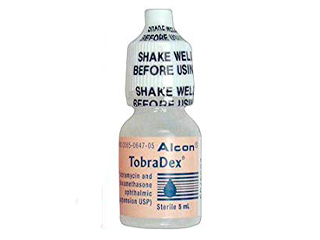
Tobramycin with dexamethasone is a combination medicine used to treat certain eye or ear conditions where there may be both bacterial infection and inflammation. Tobramycin is an antibiotic that targets bacteria. Dexamethasone is a corticosteroid that helps reduce inflammation and relieve symptoms such as redness, swelling and itching.
This page explains how the medicine works, how it is typically used, what to watch for, and important safety information for people in the United Kingdom.
Basic product information
- Medicine components: Tobramycin (antibiotic) + Dexamethasone (corticosteroid)
- Common forms (depending on product): eye drops, eye ointment, ear drops (formulation varies)
- What it helps with: bacterial infection together with inflammation
- Who it is for: adults and children (use depends on the specific product and indication)
- Important: Always use exactly as instructed for your specific condition and product form.
How it works (mechanism of action)
Tobramycin
Tobramycin belongs to the aminoglycoside antibiotic group. It works by interfering with bacterial protein production. In practice, it helps stop bacteria from growing and can lead to bacterial death, depending on the organism and local conditions at the infection site.
Dexamethasone
Dexamethasone is a corticosteroid. It reduces inflammation by dampening the release of inflammatory substances and suppressing parts of the immune response. This can quickly improve symptoms such as redness, swelling and discomfort.
Why the combination helps: antibiotics tackle infection, while the steroid helps control inflammation. Together, they can provide symptom relief and treat underlying causes in suitable conditions.
Pharmacokinetics (how the body handles the medicines)
How much tobramycin and dexamethasone reach the bloodstream depends on the route of administration (eye vs ear), the integrity of tissues (for example, whether there is irritation or a wound), and the exact formulation.
- Topical absorption: With eye/ear drops or ointment, absorption into the bloodstream is generally limited. When used properly, most effects are local at the site of infection and inflammation.
- Systemic exposure: Very small amounts may reach the circulation; this risk can be higher if: the product is used frequently, for longer periods, on damaged tissue, or in children.
- Breakdown and elimination: Any absorbed drug is handled by the body and eventually eliminated, but meaningful systemic concentrations are usually unlikely with recommended topical dosing.
For exact pharmacokinetic details, always refer to the specific product’s patient information leaflet (PIL), as formulations and strengths can differ.
What is it used for? (typical use and indications)
Tobramycin with dexamethasone is used for conditions where both infection and inflammation are present. Indications depend on the formulation and local product licence. Common examples include:
- Eye conditions: bacterial infection with inflammation (for example, some types of conjunctivitis/blepharitis where appropriate)
- Ear conditions: certain painful or inflamed ear infections where bacterial involvement is suspected or confirmed
Important: Steroids can make some infections worse (for example, certain viral or fungal eye infections). Use this medicine only for the condition it was intended for.
Timing and how to use it
The exact schedule depends on the product strength and your clinical situation. Below is general guidance that many patients find helpful. Always follow the directions provided with your specific medicine.
General timing tips
- Try to space doses evenly: for example morning/evening or every 4–6 hours if more frequent.
- Use at consistent times: setting reminders can reduce missed doses.
- Complete the course: even if symptoms improve early (unless a clinician advises otherwise).
Practical administration (eye)
If you are using an eye product, these steps are commonly recommended:
- Wash your hands before and after using the medicine.
- Apply the drops/ointment carefully to avoid touching the tip to the eye or surrounding skin. Touching can contaminate the product.
- Close the eye gently for 1–2 minutes after applying (if drops).
- Remove contact lenses before use (unless the specific product guidance says you may). Wait before re-inserting lenses as advised for your condition and local instructions.
- Use only one product at a time in the eye if you are also using other eye drops. Wait between different medicines if instructed.
Practical administration (ear)
If you are using ear drops, commonly recommended tips include:
- Wash your hands before use.
- Warm the bottle in your hand for a few minutes (cold drops can be uncomfortable).
- Follow the positioning guidance on your leaflet (often tilting the head to place drops properly).
- Avoid contamination by not touching the dropper tip to the ear or skin.
- Keep using for the full course unless advised otherwise.
Dose and dosing frequency (typical examples)
Dosing can vary significantly between products and indications. Always check your specific label/leaflet. The examples below are meant to give a general idea of how clinicians often structure treatment.
| Condition/route | Typical dosing pattern (example) | Notes |
|---|---|---|
| Eye infection with inflammation | Often multiple times daily for a short course (e.g., several doses spaced across the day) | Do not extend beyond the recommended duration without medical review due to steroid-related risks. |
| Ear infection with inflammation | Often several doses daily for a limited period | If symptoms do not improve promptly, re-assessment is recommended. |
| Children | Dose and frequency depend on age and product | Use only under appropriate guidance for the specific medicine and indication. |
Do not use more frequently than advised: using too much can increase the chance of side effects, including local steroid effects and, rarely, systemic effects.
Food interactions
Because tobramycin and dexamethasone are typically used as drops/ointment in the eye or ear, food interactions are not usually expected.
That said, if you are also taking other medicines by mouth or need supportive treatment, check interactions for those medicines separately. Keep to your normal diet unless your clinician or pharmacist advises changes.
Alcohol interactions
There are generally no direct alcohol interactions expected with topical eye/ear products at normal doses. However, alcohol may worsen dehydration or irritation and can affect adherence to your treatment schedule.
If you are using other medications concurrently (especially sedatives or medicines that affect immunity), check those interactions separately.
Medicine interactions
With topical medicines, interactions are usually limited. However, interactions can still occur, particularly if:
- You use other eye/ear medicines at the same time
- You have other conditions where steroids may be risky
- You are taking medicines that affect infection risk or immunity
Eye-specific interaction considerations
- Other eye drops/ointments: leave time between different products unless your pharmacist instructs otherwise.
- Contact lenses: lenses can trap medication and may increase irritation—follow product guidance.
Ear-specific interaction considerations
- Other ear preparations: avoid overlapping without advice, especially if you are unsure about the condition of the eardrum.
If you tell your pharmacist which medicines you are currently using (including eye drops/ear drops and over-the-counter products), they can help you check for compatibility and timing.
Safety profile: common and important side effects
Like all medicines, tobramycin and dexamethasone can cause side effects. Many are mild and temporary, but some require prompt action.
Common side effects (often mild)
- Temporary burning or stinging at the application site
- Redness or mild irritation
- Watery eyes (for eye products)
- Unusual taste (sometimes reported with eye drops)
Less common but serious (seek prompt advice)
- Worsening pain, swelling or redness after starting treatment
- Allergic reaction (rash, itching, swelling of face/lips, breathing difficulty)
- Vision changes or severe eye discomfort
- Signs of uncontrolled infection or no improvement within the expected timeframe
Steroid-related risks (dexamethasone)
Dexamethasone can cause problems if used longer than recommended or in the wrong type of infection. Potential concerns include:
- Higher eye pressure (for eye use)
- Delayed healing
- Increased risk of certain infections, including fungal or viral infections
If you have glaucoma or a history of raised eye pressure, discuss this with a healthcare professional before using steroid-containing products.
Practical use tips
- Label check: confirm you have the correct strength and formulation (eye vs ear) before use.
- Hand hygiene: washing hands helps prevent contamination and additional irritation.
- Avoid touching: keep the applicator tip away from the eye/ear and skin.
- Do not stop early without advice: stopping early may allow infection to return.
- Don’t share: do not use someone else’s medicine and don’t allow others to use yours.
- Follow duration guidance: steroids should typically be used for the shortest effective period.
- Track symptoms: note whether redness, pain, discharge or hearing discomfort improves as expected.
When to stop and seek medical advice
Contact a healthcare professional urgently if you experience:
- Severe or rapidly worsening symptoms
- Allergic features such as facial swelling, widespread rash, or breathing difficulties
- Significant vision changes (eye products)
- No improvement or worsening after a short period of use, as advised on the product leaflet
If you suspect a viral eye infection (for example, herpes-related symptoms), using a steroid may be inappropriate—seek advice promptly.
Alternative options
Depending on the exact diagnosis, alternatives may include antibiotics without steroids, antiviral medicines (for viral causes), antifungals (for fungal causes), or other anti-inflammatory options.
Examples of alternative approaches (depends on diagnosis)
- Antibiotic-only preparations: for suspected bacterial infection without significant inflammatory steroid needs
- Antiviral treatment: if a viral cause is suspected (especially for eye conditions)
- Antifungal treatment: if fungal infection is likely
- Supportive care: lubricating drops/analgesia for comfort while treating the cause
Your pharmacist or clinician can explain what alternatives may be suitable based on symptoms, medical history and the likely cause.
UK market and legal context (how it fits in the NHS/private supply)
In the United Kingdom, medicines are regulated by the Medicines and Healthcare products Regulatory Agency (MHRA). Products like tobramycin and dexamethasone are supplied according to their authorisation status and the product’s classification.
Availability may vary by formulation (eye/ear drops, ointment) and pack size. Some products may be supplied through community pharmacies, while others may require specific clinical assessment pathways depending on local guidance and the product’s licensing.
For online pharmacy purchase, always ensure:
- You select the correct product type (eye vs ear)
- You follow the dosing instructions that come with your specific pack
- You do not use steroid-containing products for conditions where steroids may be harmful
Recent guidance and best-practice considerations (UK)
In recent years, UK and international healthcare advice has emphasised prudent antibiotic use and appropriate steroid use. Key principles for patients using combination antibiotic/steroid products include:
- Use for the right diagnosis: steroids should not be used indiscriminately for eye problems.
- Shortest effective course: extended use increases risks such as raised eye pressure or delayed healing.
- Review if not improving: if symptoms are not improving as expected, treatment may need reassessment.
- Avoid contamination: correct hygiene reduces the risk of secondary infections.
If you are unsure whether your symptoms match the condition the medicine is intended for, ask a pharmacist or clinician.
Delivery and availability (online pharmacy)
In the UK, delivery options depend on the online pharmacy you choose and the product’s storage requirements. Eye and ear products are generally stable at controlled room temperatures, but always check handling guidance on the packaging.
- Typical delivery: many pharmacies offer standard and tracked delivery.
- Packaging: products are usually supplied with leaflet and safety instructions.
- Availability may vary: if the product is temporarily out of stock, the pharmacy may offer alternatives.
Before ordering, confirm the exact formulation you need (eye drops vs eye ointment vs ear drops) and the strength.
FAQ
1) Can I use tobramycin and dexamethasone if my symptoms are mild?
This depends on the cause. Steroid-containing medicines are not suitable for all eye/ear conditions. If you have any significant pain, changes in vision, or discharge, it is safer to seek advice so the treatment matches the diagnosis.
2) How quickly should I feel better?
Many patients notice symptom improvement within a few days when the cause is bacterial and inflammation responds. If there is no improvement or symptoms worsen, you should seek review promptly.
3) What if I wear contact lenses?
Contact lenses should typically be removed before using eye drops or ointments unless the product instructions say otherwise. Ask a pharmacist about when you can re-start lens use, especially if there is ongoing redness or discharge.
4) Can I use other eye drops at the same time?
Often you can, but spacing may be needed. If you are using more than one eye product, ask your pharmacist for a simple timetable. (For example, use different drops at least 5–10 minutes apart, depending on the instructions.)
5) Are there any food or alcohol restrictions?
No specific food restrictions are usually required for topical eye/ear products. Alcohol is not known to have a direct interaction at normal doses, but it may affect comfort and adherence—avoid if it makes symptoms or routines worse.
6) Is it safe to use for longer than the recommended course?
Do not extend treatment beyond the recommended duration without healthcare advice. Dexamethasone-related risks increase with longer use, including raised eye pressure and delayed healing.
7) What should I do if I miss a dose?
Use it as soon as you remember, unless it is close to your next dose. If it is close, skip the missed dose and continue normally. Avoid doubling up.
8) Can it cause antibiotic resistance?
Like other antibiotics, tobramycin can contribute to resistance if used unnecessarily or for too long. Using the correct duration and stopping when advised helps reduce risk.
9) Who should be extra careful?
Extra caution is needed if you have glaucoma or a history of raised eye pressure, if you have suspected viral or fungal infections, or if you are using other medicines that affect the immune system. Speak to a pharmacist or clinician if unsure.
10) Where can I find the most accurate dosing instructions?
The pack and patient information leaflet (PIL) for your exact product provide the most accurate details for frequency and duration. Always follow those instructions.
Summary
Tobramycin and dexamethasone combines an antibiotic with an anti-inflammatory corticosteroid to treat suitable bacterial eye or ear conditions. It works locally, but because it contains a steroid, correct diagnosis and recommended duration are important. If your symptoms do not improve or if you develop worsening pain, swelling, allergic signs or vision changes, seek prompt medical advice.