Trazodone Hydrochloride (Trazodone) – Patient Information (UK)
Trazodone hydrochloride is a medicine used primarily for depression and, in some cases, for sleep difficulties linked to mental health conditions. It works by affecting several brain chemicals involved in mood, anxiety, and sleep. This page provides patient-friendly information about what trazodone is, how it works, how it’s taken, and what to expect in terms of safety and interactions.
Always follow the instructions given by your healthcare professional and read the patient information leaflet (PIL) supplied with your medicine. If you have questions about your specific situation (for example, other medicines you take or medical conditions you have), speak to a pharmacist or clinician.
Basic product information
| Category | Details |
|---|---|
| Generic name | Trazodone hydrochloride |
| Common uses | Depression; sometimes for insomnia associated with depression (as advised) |
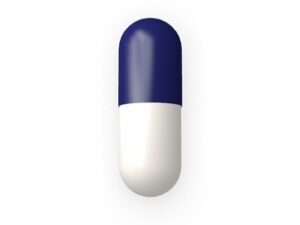
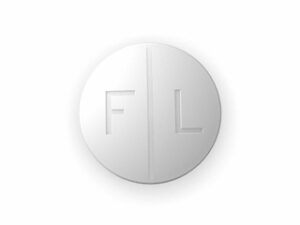
| How it may be supplied | Tablets (formulations and strengths may vary) |
| Typical effect | Improved mood and sleep; may be sedating, especially early on |
| Medicinal class (general) | Atypical antidepressant (serotonin modulator) |
How trazodone works (mechanism of action)
Trazodone mainly acts on serotonin receptors in the brain. Unlike some antidepressants that primarily block serotonin reuptake, trazodone has a multifaceted action including:
- Serotonin (5-HT) receptor antagonism: Trazodone blocks certain serotonin receptors (commonly described as a “serotonin antagonist” activity), which may help with mood regulation.
- Serotonin reuptake effects: It may inhibit serotonin reuptake to some extent, contributing to antidepressant effects.
- Other receptor activity: Its effects on histamine and alpha-adrenergic receptors can contribute to sedation and changes in blood pressure in some people.
Because of this receptor profile, trazodone may be less likely than some older antidepressants to cause certain side effects, but it can still cause sleepiness and other effects—especially when starting or adjusting the dose.
Pharmacokinetics (how your body handles the medicine)
“Pharmacokinetics” describes what happens to a medicine after you take it: absorption, distribution, metabolism, and elimination. While individual experiences vary, the following describes typical behaviour:
- Absorption: Trazodone is absorbed from the digestive tract after oral dosing. Food may affect the speed and/or extent of absorption depending on formulation.
- Onset: Sedating effects may occur relatively quickly, while mood benefits typically take longer.
- Metabolism: Trazodone is mainly metabolised by the liver (notably via CYP enzymes, including CYP3A4).
- Half-life: The effective duration varies by formulation and individual factors; metabolites may also contribute to effects.
- Elimination: Metabolites are eliminated mainly via urine and, to a lesser extent, other routes.
People with liver impairment may process trazodone more slowly, increasing exposure and side effect risk. Dose adjustments and careful monitoring may be needed.
Typical use in the UK
In the UK, trazodone is used for:
- Depression (for example, when a clinician judges trazodone is suitable).
- Sleep problems associated with depression, where sedation may be beneficial (under clinician guidance).
It is important to note that the best choice of medicine depends on your symptoms, medical history, other medications, age, and risk factors.
When to take trazodone (timing)
Timing can have a big impact on tolerability—especially because trazodone can cause drowsiness. Your prescribed schedule may differ based on your formulation and individual response, but general principles include:
- Many people take it in the evening if it makes them sleepy.
- Start low and adjust slowly: clinicians often reduce early side effects by beginning with a lower dose and increasing gradually if needed.
- Be consistent: take at the same time(s) each day unless advised otherwise.
If you feel unusually sedated the next day, speak to your pharmacist or clinician—your dose timing or amount may need adjustment.
Food interactions
Food can affect how quickly or how strongly trazodone is absorbed. Practical guidance:
- Follow the instructions on your label and the PIL.
- If you experience nausea or stomach upset, taking it with food may help for some people (only do this if it fits your specific instructions).
- Avoid changing your diet dramatically around dosing without advice, especially if you’re taking other medications that interact with liver metabolism.
Alcohol and medicine interactions
Alcohol
Avoid or limit alcohol while taking trazodone. Combining alcohol with sedating medicines can increase:
- drowsiness and impaired coordination
- reaction time delays (increasing accident risk)
- risk of falls, particularly at night
If you choose to drink despite advice, use caution and seek guidance from a pharmacist.
Other medicines (common interaction themes)
Trazodone can interact with other medicines—particularly those that affect serotonin levels or liver enzymes (especially CYP3A4). Important interaction categories include:
- Other antidepressants and serotonin-affecting medicines: combining with other serotonergic drugs may increase the risk of serotonin-related side effects (for example, serotonin syndrome).
- MAO inhibitors: combination can be risky; clinicians typically avoid this unless under specialist supervision.
- Strong CYP3A4 inhibitors (can raise trazodone levels): examples may include some antifungal medicines and certain antibiotics—your pharmacist can advise based on your specific medicines.
- CYP3A4 inducers (can reduce levels): some medicines that speed up metabolism may reduce trazodone’s effect.
- Sedatives or sleep medicines (e.g., benzodiazepines, opioids, some antihistamines): additive sedation and slowed breathing risk may occur, especially in higher doses or vulnerable individuals.
- Blood pressure medicines: trazodone may cause dizziness or low blood pressure in some people; combined effects may increase falls risk.
- Medicines affecting heart rhythm: since certain antidepressants can influence heart electrical activity, clinicians may consider your cardiac history and other risk factors.
Always provide your pharmacist with a complete list of medicines, including over-the-counter products and herbal remedies (such as St John’s wort), so interactions can be checked.
Indications (what trazodone is used for)
In practice, trazodone is indicated for:
- Depressive illness (major depressive episodes or depressive symptoms, depending on local clinical judgement and product information).
- When sleep disturbance is part of depression, trazodone may be used because it may help with sleep.
Your prescriber will decide whether trazodone is appropriate based on symptom severity, previous treatments, and safety considerations.
Dosing guidance (general information)
Dose varies by individual needs, age, response, and tolerability. The exact dose and schedule you should use are determined by your clinician. The following provides general dosing principles seen with trazodone therapy:
- Start low: initial doses are often low to reduce early side effects such as sleepiness, dizziness, or nausea.
- Gradual increase: if needed, clinicians may adjust dose over days to weeks.
- Split dosing vs evening dosing: some regimens involve once-daily dosing at night, while others use divided doses; follow your specific instructions.
Important: Do not change your dose without professional advice. If you are unsure what dose you should take, check your label or speak to a pharmacist.
Safety profile: what to watch for
Like all medicines, trazodone can cause side effects. Many people tolerate it well, especially after dose stabilisation, but it’s helpful to know what’s common and what requires urgent attention.
Common side effects
- Sleepiness or drowsiness
- Dizziness (particularly when standing up)
- Dry mouth
- Nausea or stomach discomfort
- Headache
- Fatigue
Less common but important risks
- Low blood pressure and fainting, especially early in treatment or after dose changes.
- Serotonin-related effects (risk increases with other serotonergic medicines): symptoms may include agitation, confusion, sweating, tremor, diarrhoea, fever, or rapid heartbeat.
- Heart rhythm changes: if you have a history of abnormal rhythm, electrolyte imbalance, or relevant cardiac disease, your clinician may monitor you more closely.
- Suicidal thoughts / mood worsening in early treatment: antidepressants can occasionally increase this risk in some people, particularly younger adults—monitoring is essential.
- Priapism (persistent, painful erections): this is rare but serious—seek urgent medical help.
When to seek urgent medical help
Contact urgent care or seek emergency help if you experience:
- Signs of an allergic reaction (swelling of face/lips, breathing difficulty, severe rash)
- Severe dizziness, fainting, or chest pain
- Symptoms suggesting serotonin syndrome (as described above)
- Priapism (persistent painful erection lasting more than a short period)
- New confusion, severe agitation, or a very high fever
If you are unsure whether symptoms are serious, it’s safer to get advice promptly.
Practical use tips
- Plan for drowsiness: avoid driving or operating machinery until you know how trazodone affects you.
- Rise slowly: if you feel dizzy, move slowly when getting up to reduce fall risk.
- Keep a symptom diary: note sleep quality, mood, and side effects—this can help your clinician adjust the plan.
- Don’t stop suddenly unless instructed: abrupt discontinuation may cause unpleasant withdrawal-like symptoms in some people. If discontinuation is planned, gradual reduction is often used.
- Follow up early: if you’re within the first few weeks of treatment, monitoring is especially important to assess benefit and tolerability.
- Medication check: before starting any new over-the-counter products (especially cough/cold remedies or sleep aids), ask a pharmacist to check interactions.
Alternative options (depending on your needs)
If trazodone isn’t suitable—because of side effects, lack of effect, or interactions—there are alternatives. Options depend on what you’re treating (depression, insomnia, mixed symptoms, or anxiety-related sleep disturbance).
Alternatives for depression
- SSRIs (examples: sertraline, citalopram, fluoxetine)
- SNRIs (examples: venlafaxine, duloxetine)
- Other antidepressants with different side effect profiles
- Psychological therapies such as CBT (where appropriate)
Alternatives for insomnia (sleep disturbance)
- Sleep hygiene and CBT-I (often first-line)
- Other sleep-focused medicines (choice depends on cause, age, and medical history)
- Reviewing contributing factors such as caffeine timing, alcohol, irregular schedules, pain, and restless legs
Your clinician can recommend the most appropriate approach based on your symptoms and safety factors.
UK market and legal context (overview)
In the United Kingdom, medicines are regulated and classified according to safety and suitability for different user groups. Many medicines used for mental health conditions fall under specific prescribing and controlled-access categories. Pharmacy supply must comply with UK medicines legislation and professional practice requirements.
Availability and brand/formulation may vary. Your pharmacist can advise on what pack sizes and strengths are currently supplied, and how to store the product.
Recent guidance and monitoring (what to expect)
While guidance may evolve, UK clinical practice generally emphasises:
- Careful assessment of diagnosis and risk factors before starting antidepressant therapy.
- Close follow-up early on, particularly for people at higher risk of worsening mood or suicidal thoughts.
- Review of interactions (especially serotonergic medicines and medicines affecting liver metabolism).
- Managing side effects through dose timing, gradual titration, and switching if needed.
- Supportive non-drug approaches (e.g., talking therapies, CBT-I for insomnia, sleep hygiene).
If you’re under mental health follow-up, attend reviews and report side effects promptly.
Delivery and availability (online pharmacy information)
Availability of trazodone and specific strengths can vary depending on manufacturer supply and pharmacy stock. When ordering online in the UK, common expectations are:
- Stock status: items may be marked as in stock or on back order depending on demand.
- Delivery times: standard and expedited options may be offered; dispatch times can vary.
- Packaging: medicines are typically supplied in tamper-evident packaging with patient information.
- Storage: follow the storage instructions on the pack (commonly store at room temperature away from excessive heat).
If you’re ordering for the first time or switching strengths, double-check that the dose and form match what you intend to use.
FAQ
1) How long does it take for trazodone to work?
Some people notice improved sleep or reduced tension relatively early. Antidepressant benefits for mood typically take longer—often several weeks—depending on the dose and individual response. If you don’t feel any benefit after a reasonable period, consult your clinician rather than changing the dose yourself.
2) Will trazodone make me feel sleepy?
Drowsiness is common, especially when starting or after dose increases. Avoid driving and careful machinery use until you know how you respond. Many people find taking it in the evening helpful, but follow your own schedule.
3) Can I take trazodone with other antidepressants?
Sometimes clinicians combine or switch antidepressants, but combining serotonergic medicines can increase the risk of serotonin-related side effects. Always check with your pharmacist/clinician before starting or stopping any antidepressant.
4) Is it safe to drink alcohol while taking trazodone?
It’s generally advised to avoid or limit alcohol because it can increase sedation and impair coordination. If you want to drink, ask a pharmacist for personalised advice based on your dose and other medicines.
5) What if I miss a dose?
If you miss a dose, take it only if it’s close to your next dose schedule; otherwise, skip the missed dose. Do not take a double dose. If you’re unsure, ask a pharmacist for guidance based on your regimen.
6) Can I stop trazodone suddenly?
Stopping suddenly may lead to unpleasant symptoms for some people. If you need to discontinue, a gradual reduction is often preferred and should be planned with your clinician.
7) Are there foods I should avoid?
There are no universally banned foods, but taking it consistently and following the leaflet instructions is important. Food may affect absorption speed, so follow the directions given with your product. If you develop stomach upset, speak to a pharmacist.
8) What side effects should I report urgently?
Seek urgent help for allergic reactions, fainting/serious dizziness, symptoms of serotonin syndrome, persistent painful erections, severe chest pain, or severe confusion/agitation.
9) Who should be more cautious when using trazodone?
Caution is especially important if you have liver problems, heart rhythm conditions, a history of fainting, low blood pressure, or if you are taking medicines that interact with serotonin or liver enzymes. Your pharmacist can review your medicines for interaction risks.
10) Can I use other sleep aids?
Some sleep aids can interact with trazodone and increase sedation. Do not combine without professional advice. Non-drug options such as CBT-I and sleep hygiene can also be effective.
Need more help?
If you have any questions about how to take trazodone, possible interactions with your current medicines, or what side effects to expect, a UK pharmacist can provide guidance. For medical emergencies, contact the appropriate emergency services.